

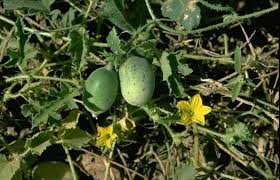

Nelumbo nucifera,
Nelumbonaceae

Introduction to Kamala
Kamala is a traditional medicinal plant widely used in Ayurveda for treating intestinal worms, skin diseases, digestive disorders, and blood impurities. The herb is famous for its bright reddish powder obtained from the surface of its fruits, which has been used for centuries as both a medicine and a natural dye.
In classical Ayurvedic literature such as Bhavaprakasha Nighantu, Kamala is described as a powerful remedy for eliminating intestinal parasites and improving skin health.
Due to its cleansing properties and ability to remove toxins from the body, Kamala is often considered a natural detoxifying herb in Ayurveda. It supports digestive health, purifies blood, and protects the body from infections.
Botanical Information
- Botanical Name: Mallotus philippensis
- Family: Euphorbiaceae
Common Names
| Language | Name |
|---|---|
| Sanskrit | Kamala |
| Hindi | Kamala / Sinduri |
| English | Kamala Tree / Red Kamala |
| Tamil | Kungiliyam |
| Bengali | Kamala |
Plant Description
Kamala is a medium-sized deciduous tree commonly found in tropical and subtropical forests.
Physical Characteristics
- Height: 6–12 meters
- Leaves: Broad, oval-shaped green leaves
- Flowers: Small yellowish flowers
- Fruits: Small round capsules covered with red powder
- Bark: Greyish or brown rough bark
The reddish powder on the fruit surface is the most valuable medicinal part. This powder contains active compounds responsible for the herb’s therapeutic properties.
Kamala grows naturally in many regions such as:
- India
- Nepal
- Sri Lanka
- Southeast Asia
- China
Ayurvedic Properties of Kamala
According to Ayurvedic principles, Kamala has strong cleansing and detoxifying qualities.
Rasa (Taste)
- Tikta (Bitter)
- Kashaya (Astringent)
Guna (Quality)
- Laghu (Light)
- Ruksha (Dry)
Virya (Potency)
- Ushna (Hot)
Vipaka (Post-digestive Effect)
- Katu (Pungent)
Dosha Effect
Kamala helps balance:
✔ Kapha
✔ Vata
⚠ Excess use may increase Pitta
Because of these properties, Kamala is mainly used for Kapha-related disorders such as infections, parasites, and skin problems.
Active Chemical Constituents
Kamala contains several bioactive compounds responsible for its medicinal effects.
Important compounds include:
- Rottlerin
- Isorottlerin
- Flavonoids
- Phenolic compounds
- Tannins
- Resins
- Essential oils
These compounds provide Kamala with antiparasitic, antimicrobial, anti-inflammatory, and antioxidant properties.
Health Benefits of Kamala
1. Effective Treatment for Intestinal Worms
Kamala is best known for its anthelmintic properties.
Benefits include:
- Eliminates intestinal worms
- Removes tapeworms and roundworms
- Improves digestion
- Cleans the intestinal tract
The red powder from Kamala fruit is traditionally used to remove parasites naturally.
2. Improves Skin Health
Kamala is widely used in Ayurveda for treating skin disorders.
Benefits include:
- Reduces eczema symptoms
- Treats fungal infections
- Relieves itching
- Improves skin texture
- Helps heal wounds
Its antimicrobial properties protect the skin from harmful bacteria and fungi.
3. Purifies Blood
Kamala acts as a natural blood purifier.
Benefits include:
- Removes toxins from the bloodstream
- Improves skin glow
- Reduces acne and pimples
- Supports detoxification
Clean blood leads to healthier skin and better overall health.
4. Supports Digestive Health
Kamala helps improve digestive function.
Benefits include:
- Enhances digestion
- Improves appetite
- Reduces stomach discomfort
- Removes intestinal toxins
Its bitter taste stimulates digestive enzymes and improves gut health.
5. Mild Laxative Effect
Kamala has mild laxative properties that help regulate bowel movements.
Benefits include:
- Relieves constipation
- Improves bowel regularity
- Cleans digestive tract
6. Helps in Wound Healing
Kamala powder can be applied externally to treat minor wounds.
Benefits include:
- Prevents infection
- Speeds up healing
- Reduces inflammation
7. Antimicrobial Properties
Kamala has natural antimicrobial effects.
Benefits include:
- Protects against bacterial infections
- Prevents fungal growth
- Supports immune system
8. Natural Dye and Cosmetic Ingredient
The red powder from Kamala fruit has been traditionally used as:
- Natural textile dye
- Cosmetic ingredient
- Herbal coloring agent
Uses of Kamala in Ayurveda
Kamala is used in various traditional Ayurvedic medicines.
Common uses include:
- Anthelmintic medicines
- Skin disease treatments
- Blood purifiers
- Digestive tonics
It may be used both internally and externally depending on the condition.
Medicinal Parts Used
| Plant Part | Uses |
|---|---|
| Fruit powder | Intestinal worms and skin diseases |
| Bark | Digestive support |
| Leaves | Wound healing |
| Extract | Antimicrobial medicine |
The fruit powder is considered the most potent medicinal component.
Forms of Kamala Available
Kamala is available in several herbal forms:
1. Powder (Churna)
The dried fruit powder is the most common form used in traditional medicine.
2. Herbal Extract
Concentrated extract used in herbal supplements.
3. Decoction (Kashaya)
Prepared by boiling the herb in water.
4. External Paste
Used for treating skin conditions.
Dosage of Kamala
Always consult an Ayurvedic doctor before using Kamala medicinally.
General Dosage Guidelines
| Form | Quantity |
|---|---|
| Powder | 1–3 grams |
| Decoction | 20–30 ml |
| Extract | As prescribed |
The exact dosage depends on age, health condition, and medical advice.
Best Time to Take Kamala
- For intestinal worms → Morning on empty stomach
- For digestive problems → After meals
- For skin disorders → As prescribed by practitioner
Home Remedies Using Kamala
Remedy for Intestinal Worms
Mix:
- Kamala powder
- Honey
Consume once daily under medical guidance.

Remedy for Skin Infections
Mix:
- Kamala powder
- Coconut oil
Apply the paste on affected skin area.
Remedy for Blood Purification
Take:
- Kamala powder with warm water in small quantities.
Side Effects of Kamala
Although Kamala is beneficial, excessive use may cause:
⚠ Stomach irritation
⚠ Burning sensation
⚠ Diarrhea
⚠ Increased body heat
Therefore, proper dosage is essential.
Precautions
✔ Avoid during pregnancy
✔ Use under Ayurvedic supervision
✔ Avoid long-term excessive intake
✔ Do not use in high Pitta conditions
✔ Use pure herbal products only
Kamala in Modern Research
Modern scientific research has identified several medicinal activities of Kamala:
- Anthelmintic (anti-worm) activity
- Antibacterial properties
- Antioxidant effects
- Anti-inflammatory action
- Antifungal activity
These findings support the traditional Ayurvedic use of Kamala.
Importance of Kamala in Traditional Medicine
Kamala has been an important herb in traditional Indian medicine for centuries.
Its benefits include:
- Natural parasite removal
- Skin healing
- Blood purification
- Digestive improvement
- Infection prevention
Because of these wide-ranging benefits, Kamala continues to play a significant role in Ayurvedic healthcare.
Conclusion
Kamala (Mallotus philippensis) is a valuable medicinal herb known for its powerful antiparasitic, antimicrobial, and detoxifying properties. It has been widely used in Ayurveda for treating intestinal worms, skin diseases, digestive disorders, and blood impurities.
When used in the proper dosage under professional guidance, Kamala offers numerous health benefits and supports natural healing.
This traditional herb remains an important part of Ayurvedic medicine and herbal healthcare systems.
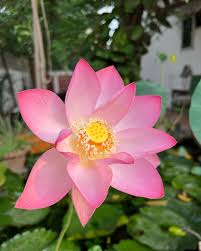
Vernacular names
Assamese : Podum
Bengali : Padma Phool, Salaphool
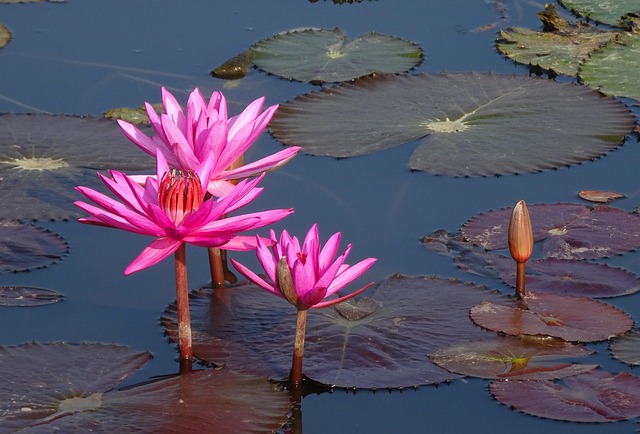
English : Lotus
Gujrati : Kamal,
Hindi : Kamal, Kanwal
Kannada : Kamal, Tavare, Naidile,
Tavaregedd
Malayalam : Tamara, Venthamara,
Chenthamara, Senthamara
Marathi : Komala
Oriya : Padma
Punjabi : Kanwal, Pamposh
Tamil : Tamarai, Thamaraipoo,
Aravindan, Paduman, Kamalam,
Sarojam
Telugu : Kaluva, Tamarapuvow
Urdu : Kamal
