



Achyranthes aspera, Amaranthaceae
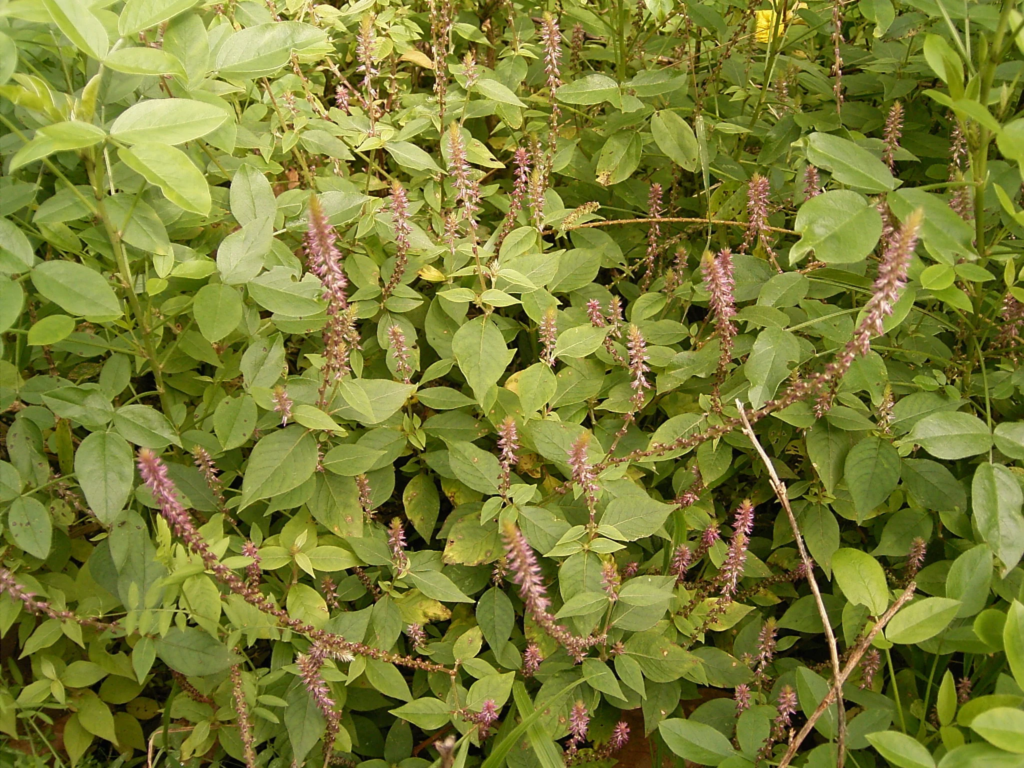
Introduction
Apamarga, scientifically known as Achyranthes aspera, is a well-known medicinal herb in Ayurveda, valued for its powerful cleansing and healing properties. It is commonly found growing as a weed but holds great importance in traditional medicine for treating various health conditions.
Apamarga, scientifically known as Achyranthes aspera, is a widely used medicinal herb in Ayurveda, known for its powerful cleansing and healing properties. Although it commonly grows as a weed in fields and roadside areas, it holds significant importance in traditional medicine.
In Ayurveda, Apamarga is especially valued for its ability to detoxify the body, improve digestion, and support respiratory health. It is often used in the preparation of Kshara (alkaline medicines), which are highly effective in treating various disorders, including digestive and urinary conditions.
Apart from its internal uses, Apamarga is also applied externally for wound healing and skin diseases due to its antimicrobial and anti-inflammatory properties. Its versatility and strong therapeutic action make it an important herb in Ayurvedic treatments and holistic healthcare.
Botanical Description
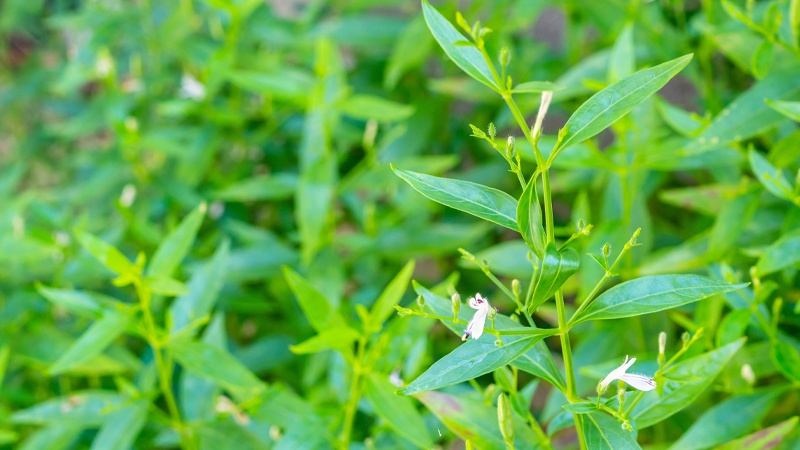
Apamarga is an erect herb commonly found in fields and roadside areas.
- Scientific Name: Achyranthes aspera
- Family: Amaranthaceae
- Common Names: Prickly Chaff Flower, Chirchita
Key Features
- Height: 0.5–1 meter
- Stem: Rough, branched, and hairy
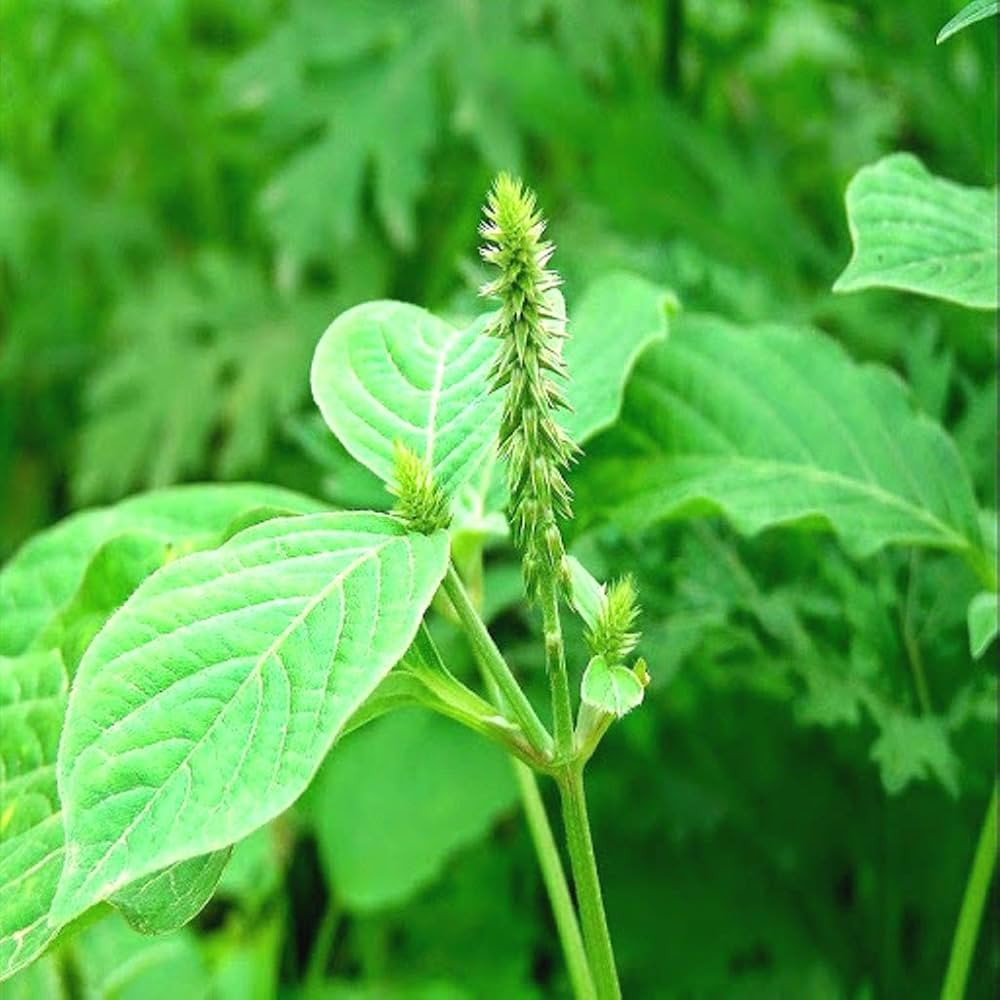
- Leaves: Simple, ovate, and soft
- Flowers: Small, greenish, arranged in spikes
- Seeds: Hard and small
Ayurvedic Properties
- Rasa (Taste): Bitter, Pungent
- Guna (Qualities): Light, Dry
- Virya (Potency): Hot
- Vipaka: Pungent
- Dosha Effect: Balances Kapha and Vata.
Health Benefits
1. Helps in Digestive Disorders
Apamarga improves digestion and relieves constipation and indigestion.
2. Useful in Respiratory Conditions
Helps in managing cough, asthma, and breathing problems.
3. Supports Urinary Health
Acts as a diuretic and helps in urinary disorders.
4. Anti-inflammatory Properties
Reduces inflammation and swelling.
5. Helps in Skin Disorders
Useful in treating skin infections and wounds.
6. Detoxifies the Body
Helps eliminate toxins and purify the system.
Traditional Uses in Ayurveda
- Used in Kshara preparation (alkaline medicine)
- Used for digestive and respiratory disorders
- Applied externally for wounds
- Used in urinary and detox therapies
Modern Scientific Insights
Apamarga contains alkaloids, saponins, and flavonoids, which contribute to its anti-inflammatory, antimicrobial, and diuretic properties.
How to Use Apamarga
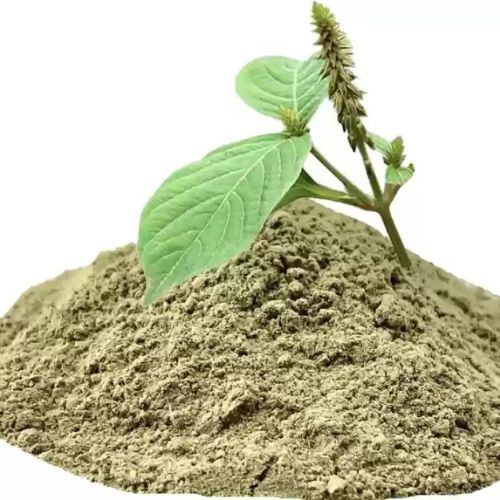
1. Powder (Churna)
Taken with water under guidance.
2. Decoction
Used for internal cleansing.
3. Kshara (Alkaline Preparation)
Used in specialized Ayurvedic treatments.
Precautions
- Use under expert supervision
- Avoid excessive use
- Not recommended during pregnancy
Conclusion
Apamarga is a powerful Ayurvedic herb known for its detoxifying and healing properties. Its wide range of applications in digestion, respiration, and purification makes it an important herb in traditional medicine.
Apamarga (Achyranthes aspera) is a highly potent and versatile herb in Ayurveda, known for its strong detoxifying and therapeutic properties. Despite being commonly found as a wild plant, it holds significant medicinal value and has been used for centuries in traditional healing practices.
Its effectiveness in improving digestion, supporting respiratory health, and promoting urinary function makes it an important remedy for maintaining internal balance. The use of Apamarga in Kshara preparations further highlights its importance in specialized Ayurvedic treatments, particularly for cleansing and purification of the body.
In addition to its internal benefits, Apamarga is also useful in treating skin disorders, wounds, and inflammation due to its antimicrobial and healing properties. Its ability to remove toxins and restore balance in the body makes it a key herb for detoxification therapies.
However, due to its strong action, Apamarga should be used carefully and preferably under expert guidance, especially for long-term use or in sensitive individuals.
Medicinal Uses
- Petechial hemorrhage: The
paste red colored apamarga
leaves paste is applied over the
oedematous lesions, inflamed
area and over the petechial parts
of the body. This helps to cure is
discase within 2-3 days. - Prameha( Diabetes): 3 gram each of Apamarga seeds and Methi seeds powder is taken early in the morning in empty stomach along with one cup of warm water. This is very effective against diabetes and obesity. This decreases the excessive hunger and thirst.
- Dysmenorrhea: 10gms of whole plant coarse powder is boiled in 200ml of water and till it reduced to 50ml. This filtered decoction consumed 1-2 days prior to expected date of menstruation till it stops. This relieves pain and irregularity of the menses.
- Urirary Calculi: 6-8 twigs of Apamarga soaked in sour buttermilk (100-200 ml) over night. Next day morning it is macerated well, filtered and consumed. This helps to relieve chronic dysuria, recurrent UTI, urinary calculi and gall stones.
- Bleeding disorders: 5-10 ml of leaf juice is mixed with turmeric powder to made fine paste . This paste applied over the bleeding wound to arrest the bleeding immediately.
Vernacular names
Bengali : Apamg
English : Prickly Chaff Flower
Gujrati : Aghedo
Hindi : Chirchita, Latjira
Kannada : Uttarani
Malayalam : Katalati
Marathi : Aghada
Punjabi : Puthakanda
Tamil : Nayuruvi
Telugu : Uttarenu
Urdu : Chirchita
