

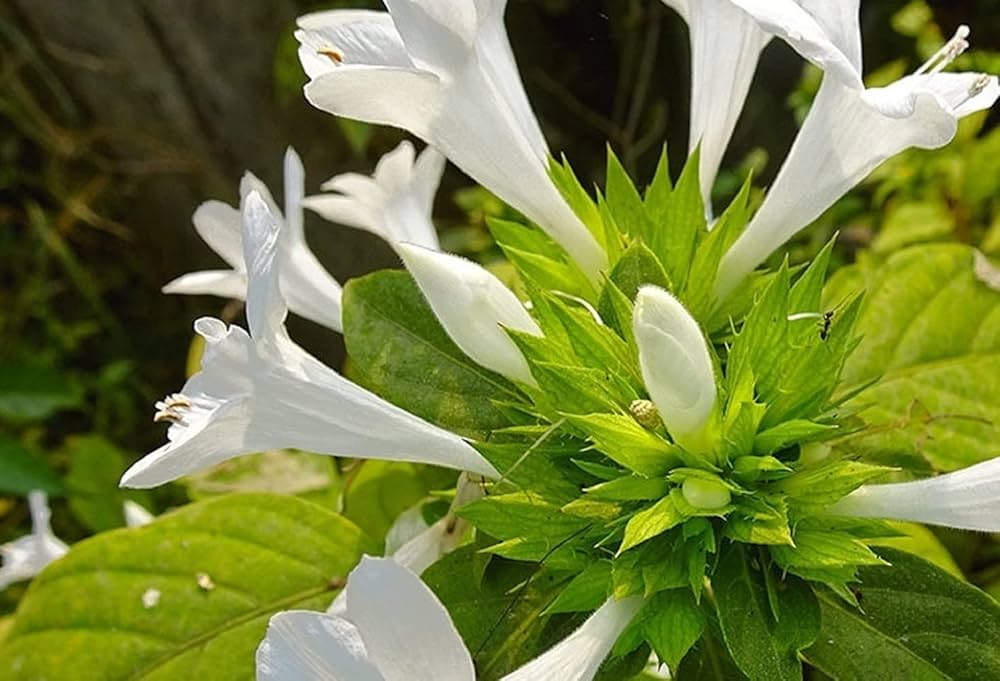

Abrus precatorius,
Fabaceae
Introduction
Gunja, also known as Ratti, is a powerful and unique medicinal plant used in Ayurveda for centuries. Although Gunja is naturally toxic, when properly purified and processed, it becomes a highly effective medicine for many chronic diseases.
In ancient Ayurvedic literature such as Charaka Samhita and Sushruta Samhita, Gunja is described as an important herb in Rasashastra (Ayurvedic alchemy) and toxicology treatments.
Because of its strong medicinal nature, Gunja is always used under expert supervision and never consumed directly in raw form.
Botanical Profile of Gunja
- Scientific Name: Abrus precatorius
- Family: Fabaceae
- Common Names:
- Hindi: Gunja / Ratti
- Sanskrit: Gunja
- English: Rosary Pea / Jequirity Bean
Gunja is a perennial climbing plant found mainly in tropical and subtropical regions of India.
Physical Description of Gunja Plant
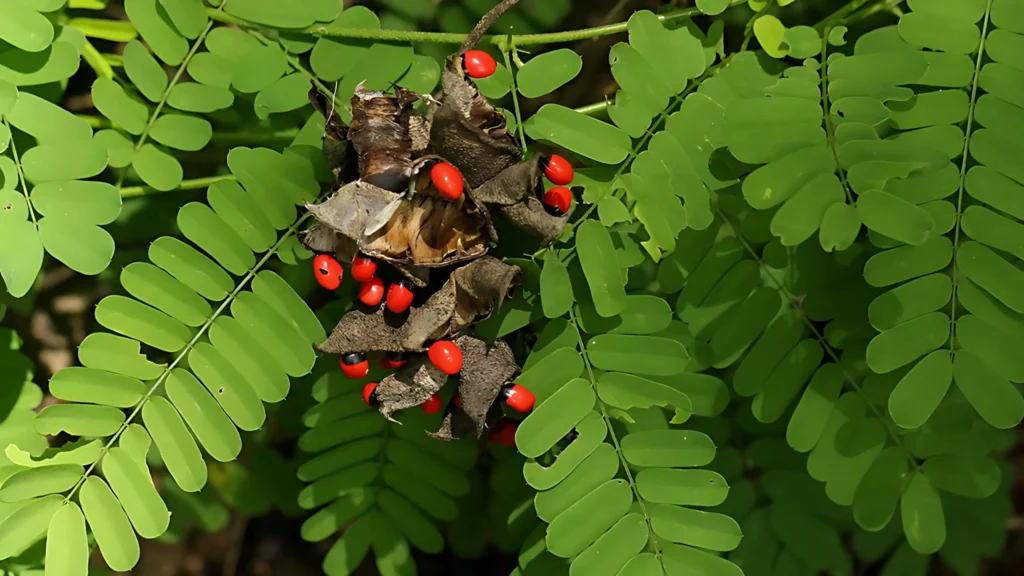
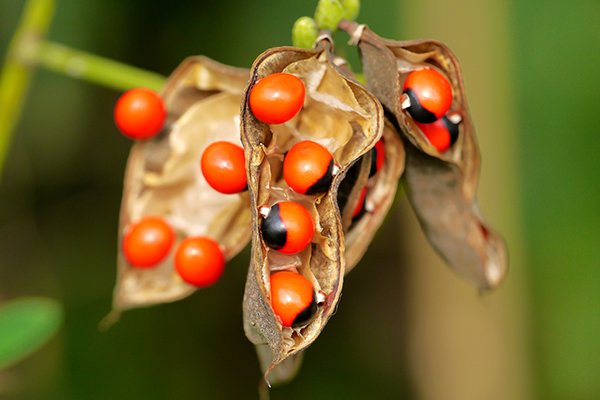
Gunja is easily identified by its bright red seeds with a black spot.
Main Features
- Thin climbing stem
- Small compound leaves
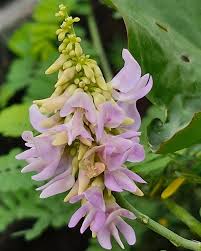
- Pinkish-white flowers
- Oval-shaped red seeds with black tip
These seeds are extremely poisonous in raw form and must never be eaten directly.
Historical and Cultural Importance
In ancient India, Gunja seeds were used as a standard unit for measuring gold and precious stones. The term “Ratti” comes from this tradition.
Gunja also has spiritual and cultural significance. Its seeds were used in prayer beads, ornaments, and traditional medicines.
In Ayurveda, Gunja is considered a “Visha Dravya” (toxic substance) that becomes medicine after purification.
Active Chemical Compounds in Gunja
Gunja contains several powerful bioactive compounds:
- Abrin (toxic protein)
- Glycosides
- Alkaloids
- Flavonoids
- Steroids
- Saponins
Among these, abrin is highly poisonous, which is why purification is essential.
Ayurvedic Properties of Gunja
According to Ayurveda:
| Property | Description |
|---|---|
| Rasa (Taste) | Bitter, Astringent |
| Guna (Quality) | Light, Dry |
| Virya (Potency) | Hot |
| Vipaka (After-effect) | Pungent |
Dosha Effect
Gunja mainly balances:
- Kapha Dosha
- Vata Dosha
It helps remove blockages and improve circulation.
Importance of Shodhana (Purification)
Before medicinal use, Gunja must undergo Shodhana (detoxification process). Without this, it is dangerous.
Common Purification Methods
- Boiling in milk
- Soaking in cow urine
- Processing with ginger juice
- Heating in herbal decoctions
This process removes toxic elements and makes Gunja safe for medicinal use.
Shodhana must be done only by trained Ayurvedic experts.
Major Health Benefits of Gunja
1. Effective in Skin Disorders
Purified Gunja is used in treating:
- Eczema
- Psoriasis
- Ringworm
- Chronic itching
- Leprosy (supportive therapy)
It removes toxins from blood and skin.
2. Promotes Hair Growth
Gunja oil is famous for hair treatment.
Benefits include:
- Reduces hair fall
- Stimulates hair roots
- Prevents premature greying
- Treats dandruff
Gunja oil is widely used in traditional hair therapies.
3. Helps in Joint and Muscle Pain
Gunja-based oils and pastes relieve:
- Arthritis
- Rheumatism
- Back pain
- Muscle stiffness
It improves blood circulation in affected areas.
4. Useful in Nervous Disorders
In small doses, purified Gunja helps in:
- Paralysis
- Facial palsy
- Nerve weakness
- Tremors
It stimulates nerve function.
5. Supports Digestive Health
When used properly, Gunja helps in:
- Poor appetite
- Indigestion
- Abdominal pain
- Worm infestation
It improves digestive fire.
6. Helps in Reproductive Health
Traditional Ayurvedic medicine uses Gunja in:
- Male weakness
- Low vitality
- Reproductive disorders
(Only under strict medical guidance.)
7. Acts as Natural Antimicrobial
Gunja has antibacterial and antifungal properties. It helps fight infections when applied externally.
Forms of Gunja Used in Ayurveda
Gunja is used in limited and controlled forms:
Gunja Oil
Used for hair and skin problems.
Gunja Paste
Applied externally on affected areas.
Gunja Powder (Purified)
Used in tiny medicinal doses.
Ayurvedic Formulations
Used in Rasayan and Bhasma medicines.
Dosage of Purified Gunja
| Form | Recommended Dose |
|---|---|
| Powder | 30–125 mg |
| Oil | External use only |
| Paste | External use only |
Never exceed dosage. Always consult an Ayurvedic doctor.
How Gunja Oil is Traditionally Prepared
Ingredients
- Purified Gunja seeds
- Coconut oil / Sesame oil
- Herbal decoction
Method (Simplified)
- Grind purified seeds
- Mix with base oil
- Heat on low flame
- Filter and store
Used mainly for hair and joint massage.
Gunja in Modern Ayurvedic Medicine
Today, Gunja is used in:
- Hair growth oils
- Pain relief balms
- Skin ointments
- Specialized nerve medicines
Many Ayurvedic companies use purified Gunja in regulated formulations.
Side Effects of Gunja
Improper use can cause serious problems:
- Vomiting
- Diarrhea
- Dizziness
- Liver damage
- Nervous system damage
- Poisoning (in severe cases)
Raw seeds are extremely dangerous.
Who Should Avoid Gunja?
Gunja should not be used by:
- Pregnant women
- Breastfeeding mothers
- Children
- Heart patients
- Liver patients
- Kidney patients
Without medical supervision.
Important Safety Guidelines
Never use raw Gunja seeds
Buy only certified products
Follow exact dosage
Avoid self-medication
Store away from children
Frequently Asked Questions (FAQ)
Q1. Is Gunja poisonous?
Yes, raw Gunja seeds are highly toxic.
Q2. Can Gunja be used daily?
Only in very small dose under doctor guidance.
Q3. Is Gunja good for hair?
Yes, purified Gunja oil is excellent for hair growth.
Q4. Can I prepare Gunja medicine at home?
No, purification needs expert knowledge.
Q5. Why is Gunja called Ratti?
Because its seeds were used as a weight unit in ancient India.
Conclusion
Gunja (Ratti) is a powerful but sensitive herb in Ayurveda. When purified and used correctly, it helps in treating skin diseases, hair problems, joint pain, and nervous disorders. However, improper use can be dangerous.
Therefore, Gunja should always be used under professional Ayurvedic supervision. It represents the principle of Ayurveda where even poison can become medicine when handled wisely.
With proper guidance, Gunja can become a valuable part of holistic healing.
Vernacular names
Assamese : Rati
Bengali : Kunch, Shonkainch
English : Jequirity
Gujrati : Rati, Chanothee
Hindi : Ratti, Ghungchi
Kannada : Galuganji, Gulagunjee
Kashmiri : Kath
Malayalam : Kunni, Cuvanna Kunni
Marathi : Gunja
Oriya : Kainch
Punjabi : Ratti
Tamil : Kuntri, Kunrimani, Kundamani
Telugu : Guriginja, Gurivinda
Urdu : Ghongcha, Ratti
