


Curcuma longa,
Zingiberaceae
Complete Guide to Benefits, Uses, Dosage, Cultivation & Ayurvedic Importance
Introduction
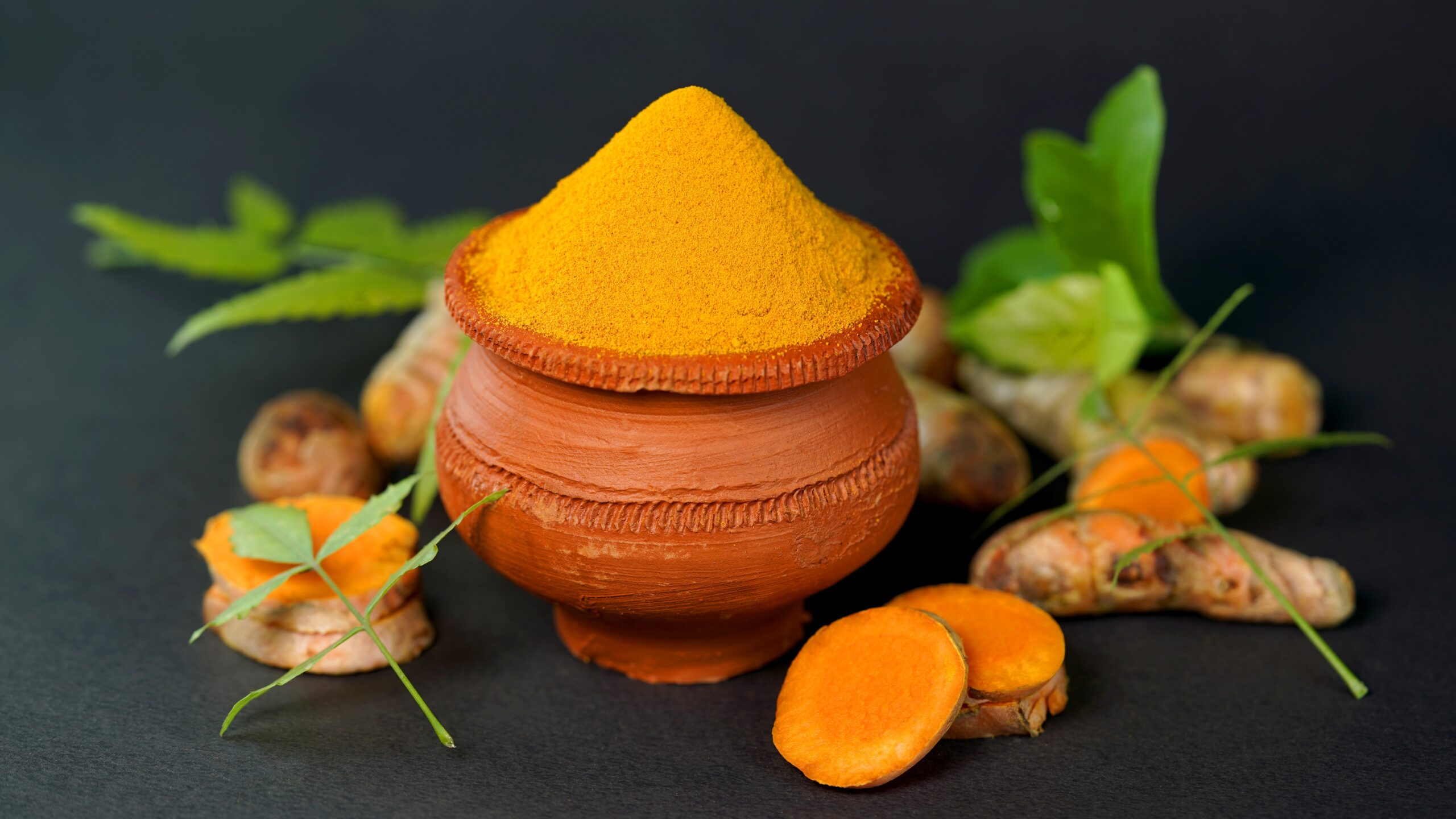
Haridra, commonly known as Turmeric, is one of the most important and widely used medicinal herbs in Ayurveda. It is called “The Golden Herb of India” because of its bright yellow color and extraordinary healing properties.
For thousands of years, Haridra has been mentioned in classical Ayurvedic texts such as Charaka Samhita and Sushruta Samhita as a powerful blood purifier, anti-inflammatory agent, and immunity booster.
In almost every Indian household, turmeric is used daily in food, rituals, cosmetics, and medicines. It is considered a symbol of purity, health, and prosperity.
Botanical Profile of Haridra
- Scientific Name: Curcuma longa
- Family: Zingiberaceae
- Common Names:
- Hindi: Haldi / Haridra
- Sanskrit: Haridra
- English: Turmeric
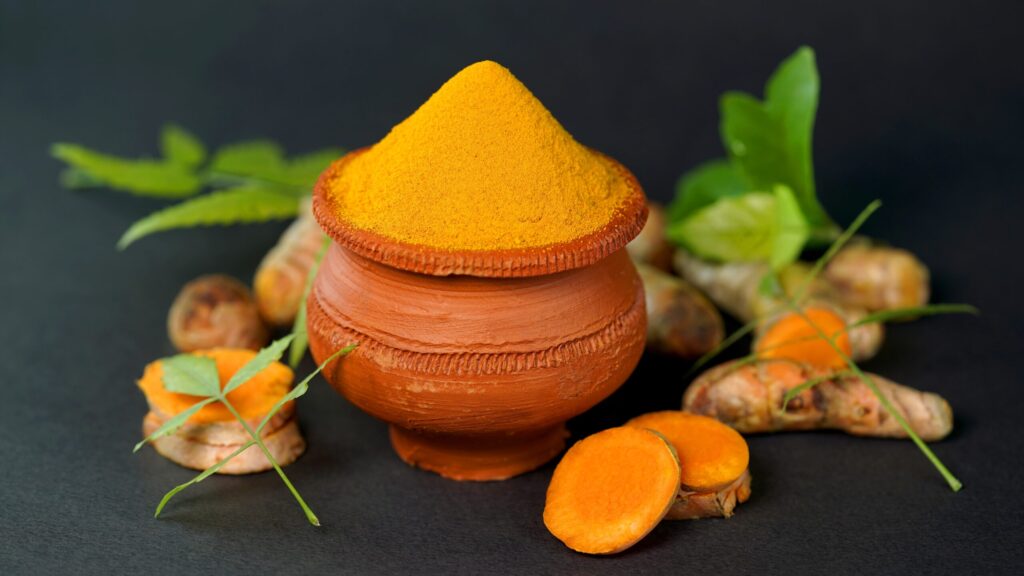
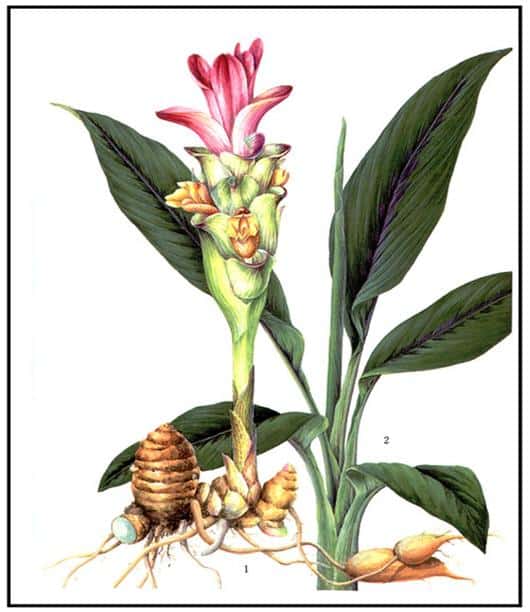
Haridra is a perennial herb grown mainly for its underground rhizomes, which are dried and powdered to make turmeric.
Physical Description of Haridra Plant
Haridra is a short, leafy plant grown in tropical regions.
Main Features
- Height: 60–90 cm
- Large green leaves
- Yellow-orange rhizomes
- Pale yellow flowers
The rhizome is the medicinally useful part.
Historical and Cultural Importance
Haridra has been used in India for more than 4,000 years. It has religious, cultural, and medicinal importance.
Cultural Uses
- Applied in wedding ceremonies
- Used in religious rituals
- Worn for protection and purity
- Used in traditional cosmetics (Ubtan)
In ancient times, turmeric was also used as a natural antiseptic and wound healer in villages.
Active Compounds in Haridra
Haridra contains powerful bioactive compounds:
- Curcumin (main active ingredient)
- Demethoxycurcumin
- Volatile oils
- Tannins
- Polysaccharides
- Antioxidants
Curcumin is mainly responsible for turmeric’s anti-inflammatory, antibacterial, and anti-cancer properties.
Ayurvedic Properties of Haridra
According to Ayurveda, Haridra has the following qualities:
| Property | Description |
|---|---|
| Rasa (Taste) | Bitter, Pungent |
| Guna (Quality) | Light, Dry |
| Virya (Potency) | Hot |
| Vipaka (After-effect) | Pungent |
Dosha Effect
Haridra balances:
- Kapha Dosha – Removes mucus and toxins
- Vata Dosha – Improves circulation
- Pitta (in moderation) – Purifies blood
Therefore, it is especially useful in Kapha-related disorders.
Major Health Benefits of Haridra
1. Powerful Anti-Inflammatory Agent
Haridra reduces inflammation in the body. It is useful in:
- Arthritis
- Joint pain
- Muscle stiffness
- Swelling
Regular use helps control chronic inflammation.
2. Boosts Immunity
Turmeric strengthens the immune system and protects against infections.
It helps prevent:
- Cold and cough
- Flu
- Seasonal fever
- Bacterial infections
Drinking turmeric milk daily improves resistance.
3. Improves Digestive Health
Haridra stimulates digestive fire (Agni) and supports liver function.
It helps in:
- Indigestion
- Gas and bloating
- Acidity
- Poor appetite
- Worm infestation
It also improves nutrient absorption.
4. Purifies Blood and Improves Skin
Haridra is a natural blood purifier.
It is beneficial in:
- Acne
- Pimples
- Eczema
- Psoriasis
- Skin allergies
Regular intake makes skin clear and glowing.
5. Supports Liver Health
Haridra protects the liver from toxins and improves detoxification.
It is useful in:
- Fatty liver
- Jaundice
- Hepatitis
- Weak digestion
It improves liver enzyme balance.
6. Helps in Diabetes Management
Turmeric improves insulin sensitivity and reduces inflammation.
Benefits include:
- Better sugar control
- Reduced complications
- Improved energy
It should be used with medical supervision.
7. Promotes Heart Health
Haridra supports cardiovascular health by:
- Reducing cholesterol
- Preventing clot formation
- Improving blood flow
- Protecting heart muscles
This lowers heart disease risk.
8. Supports Brain and Mental Health
Curcumin improves brain function and memory.
It helps in:
- Stress
- Anxiety
- Depression
- Poor concentration
- Mental fatigue
It also supports long-term brain health.
9. Strengthens Respiratory System
Haridra is useful in respiratory disorders such as:
- Asthma
- Bronchitis
- Sinusitis
- Allergies
- Chronic cough
It clears mucus and reduces infections.
10. Delays Aging
Haridra is rich in antioxidants.
It helps in:
- Slowing aging
- Improving skin texture
- Strengthening immunity
- Maintaining vitality
It is considered a Rasayana herb.
Forms of Haridra Used in Ayurveda
Haridra is available in many forms:
Powder
Most common form used daily.
Capsules/Tablets
For convenient use.
Fresh Rhizome
Used in traditional remedies.
Turmeric Milk
Popular immunity drink.
Paste
Used externally for wounds and skin.
Recommended Dosage of Haridra
| Form | Daily Dose |
|---|---|
| Powder | 1–3 grams |
| Capsule | 500–1000 mg |
| Fresh Rhizome | 2–5 grams |
| Turmeric Milk | 1 cup daily |
Long-term use should be guided by an Ayurvedic doctor.
How to Prepare Turmeric Milk (Golden Milk)
Ingredients
- 1 cup milk
- ½ teaspoon turmeric powder
- Black pepper (pinch)
- Honey (optional)
Method
- Boil milk
- Add turmeric and pepper
- Mix well
- Drink warm at night
This improves immunity and sleep quality.
Haridra for Specific Health Problems
For Immunity
Drink turmeric milk daily.
For Joint Pain
Take turmeric powder with warm water.
For Skin Problems
Internal use + external paste.
For Cough and Cold
Mix turmeric with honey.
For Wound Healing
Apply turmeric paste directly.
Cultivation of Haridra
Haridra is easy to grow in Indian climate.
Climate
- Warm and humid
- Tropical regions
Soil
- Well-drained loamy soil
- Rich in organic matter
Propagation
- Rhizome planting
Plantation Method
- Plant in rainy season
- Space properly
- Water regularly
Harvesting
- After 7–9 months
- When leaves turn yellow
Side Effects of Haridra
Haridra is generally safe, but excessive use may cause:
- Stomach upset
- Acidity
- Nausea
- Low blood pressure (rare)
Who Should Avoid Haridra?
Consult a doctor if you are:
- Pregnant (high doses)
- On blood-thinning medicines
- Having gallbladder problems
- Undergoing surgery
Important Precautions
✔️ Use pure, organic turmeric
✔️ Avoid adulterated products
✔️ Take with black pepper for better absorption
✔️ Follow recommended dose
✔️ Store in dry place
Frequently Asked Questions (FAQ)
Q1. Can I take turmeric daily?
Yes, in moderate dose it is safe daily.
Q2. Is raw turmeric better than powder?
Both are useful; fresh is more potent.
Q3. Does turmeric help in weight loss?
Yes, it improves metabolism and reduces fat inflammation.
Q4. Is turmeric good for children?
Yes, in small amounts.
Q5. When is the best time to take turmeric?
At night with milk or morning with warm water.
Conclusion
Haridra (Turmeric) is truly a golden gift of Ayurveda. From boosting immunity and improving digestion to healing skin, joints, liver, and heart, it supports overall health in a natural way.
When used regularly in proper dosage, Haridra promotes long life, strength, and disease resistance. It represents the perfect combination of food and medicine.
For best results, combine turmeric use with a balanced diet, exercise, and healthy lifestyle.
