

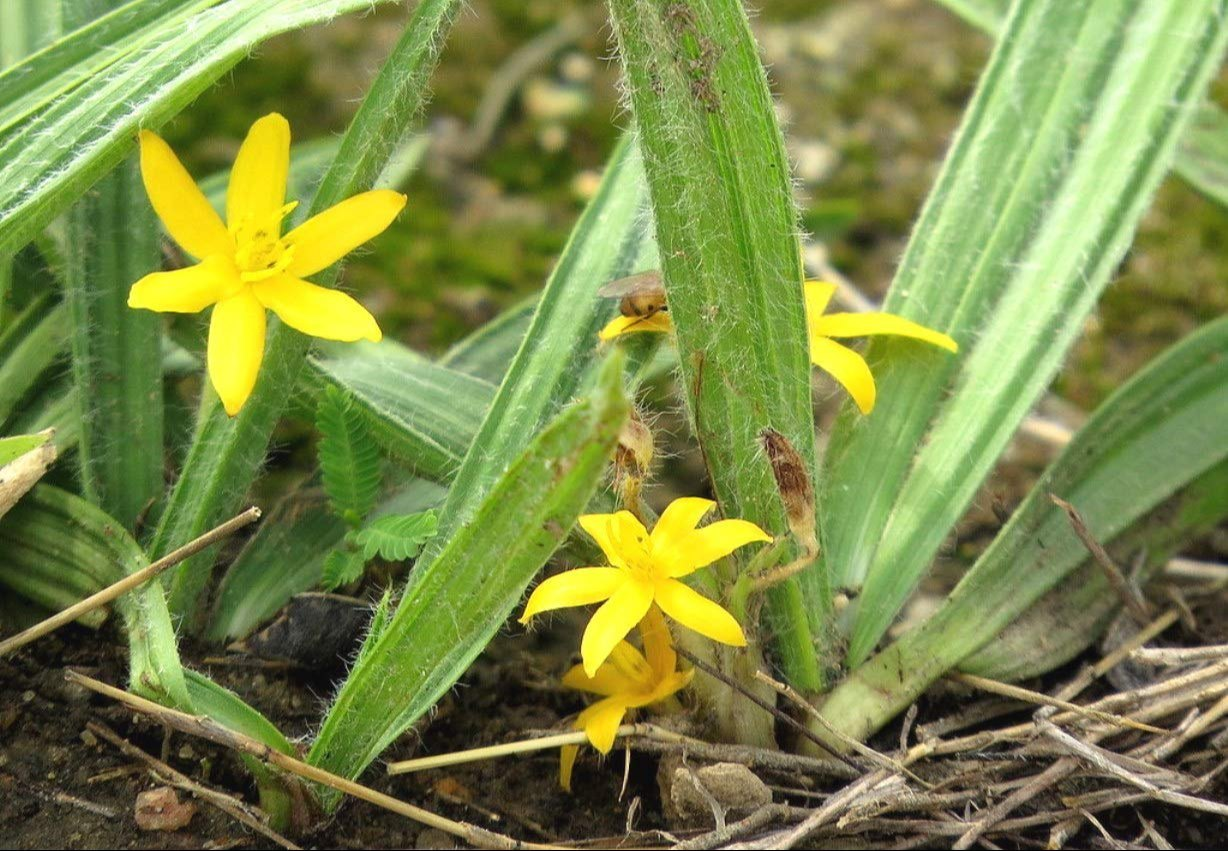
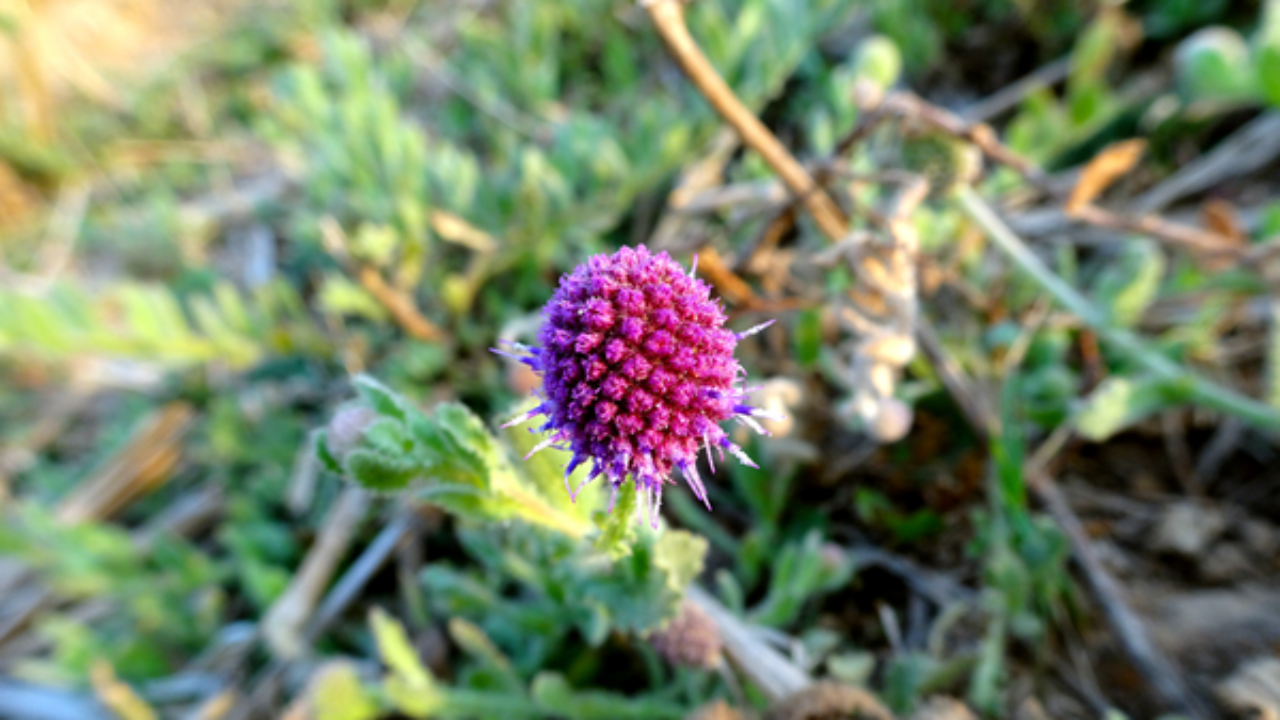
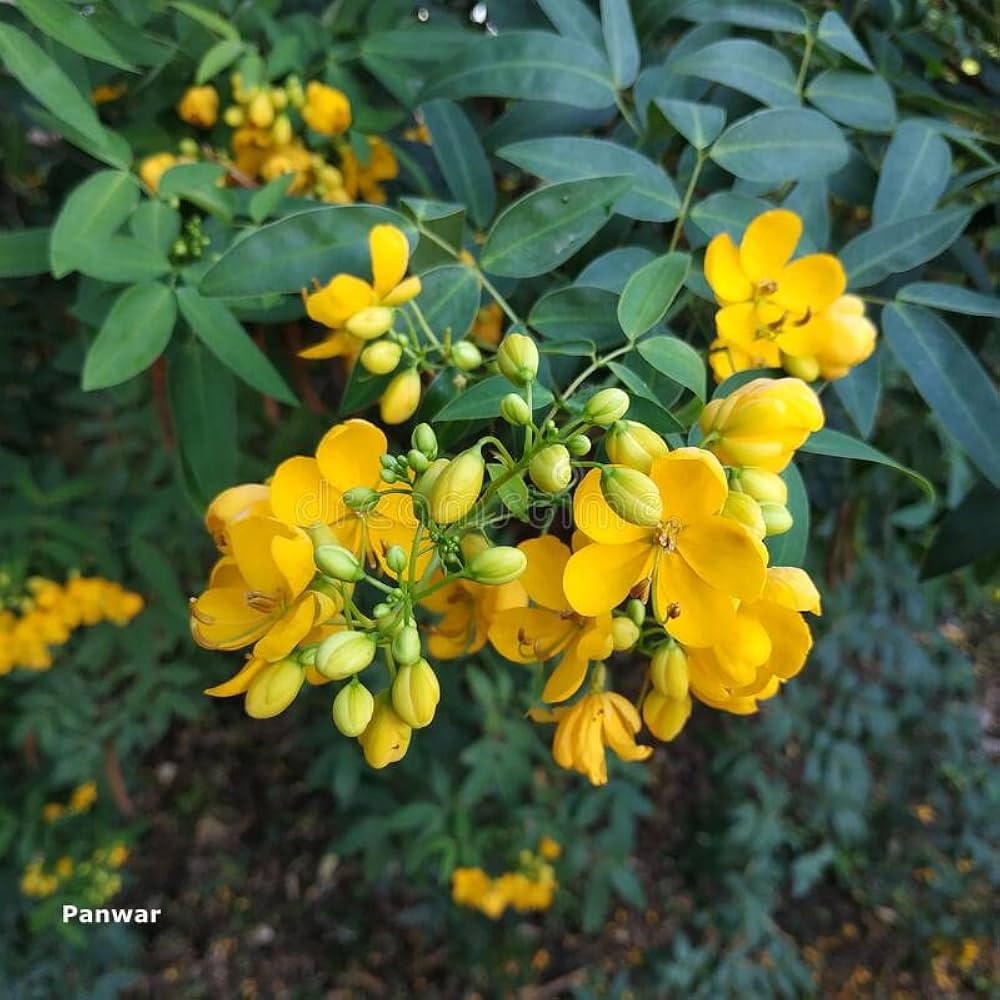


Introduction
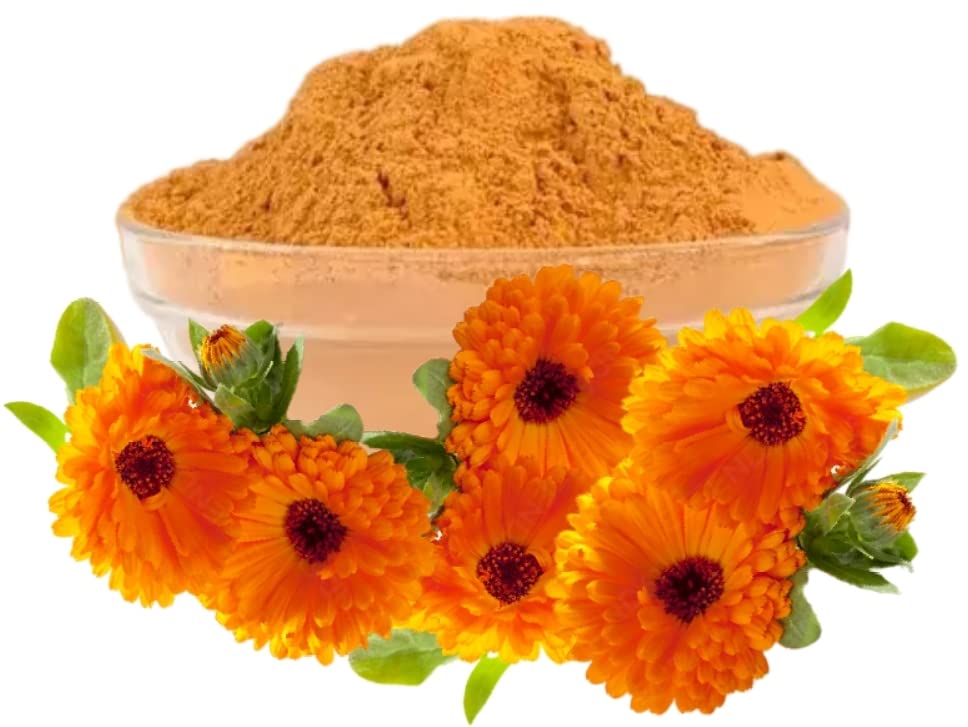
Calendula, also known as pot marigold, is a well-known medicinal herb valued for its powerful healing and skin-soothing properties. Native to Europe and the Mediterranean region, it has been used for centuries in traditional medicine for treating wounds, skin conditions, and inflammation. The bright orange and yellow flowers are the main part used for medicinal purposes.
Calendula, commonly known as pot marigold, is a well-known medicinal herb valued for its powerful healing and skin-soothing properties. Native to Europe and the Mediterranean region, it has been used for centuries in traditional herbal medicine to treat wounds, burns, and various skin conditions. The bright orange and yellow flowers of the plant are mainly used for medicinal purposes.
This herb contains active compounds such as flavonoids and triterpenoids, which provide anti-inflammatory, antimicrobial, and antioxidant effects. Calendula is especially beneficial for promoting skin healing, reducing irritation, and protecting against infections.
With its gentle nature and wide range of benefits, Calendula continues to be a popular natural remedy for skin care and overall well-being.
Botanical Description
- Scientific Name: Calendula officinalis
- Family: Asteraceae
- Plant Type: Annual herb
- Part Used: Flowers
- Taste: Slightly bitter
- Nature: Cooling
Common Names
- English: Calendula
- Other Names: Pot Marigold
Active Compounds
- Flavonoids
- Triterpenoids
- Essential oils
These compounds provide anti-inflammatory, antimicrobial, and healing effects.
Traditional Uses
1. Skin Health
Calendula is widely used to:
- Heal wounds and cuts
- Treat burns and rashes
- Soothe irritated skin
2. Anti-inflammatory Effects
It helps:
- Reduce swelling
- Relieve skin inflammation
3. Antimicrobial Properties
Calendula helps:
- Fight infections
- Prevent bacterial growth
4. Digestive Health
Traditionally used to:
- Improve digestion
- Reduce stomach discomfort
5. Menstrual Support
It may help:
- Regulate menstrual cycles
- Reduce menstrual cramps
Methods of Use
- Ointment/Cream: Applied to skin
- Herbal Tea: Made from flowers
- Tincture: Liquid extract
- Oil: Used for massage or skin care
Precautions
- Avoid if allergic to Asteraceae family
- Use in moderate amounts
- Consult a doctor if needed
Side Effects
- Rare when used properly
- Mild allergic reactions (in some cases)
Conclusion
Calendula is a gentle and effective medicinal herb known for its strong healing and soothing properties. It is especially beneficial for skin care and wound healing. When used properly, it is a safe and valuable addition to natural health practices.
Calendula is a gentle yet highly effective medicinal herb known for its strong healing and soothing properties, especially for skin health. It is widely used to treat wounds, reduce inflammation, and protect the skin from infections, making it an important natural remedy in herbal medicine.
With its natural anti-inflammatory and antimicrobial benefits, Calendula supports both external and internal healing when used properly. It is generally safe and well-tolerated, especially in topical applications.
Overall, Calendula stands out as a reliable herbal remedy that promotes skin repair, reduces irritation, and supports overall health and well-being.
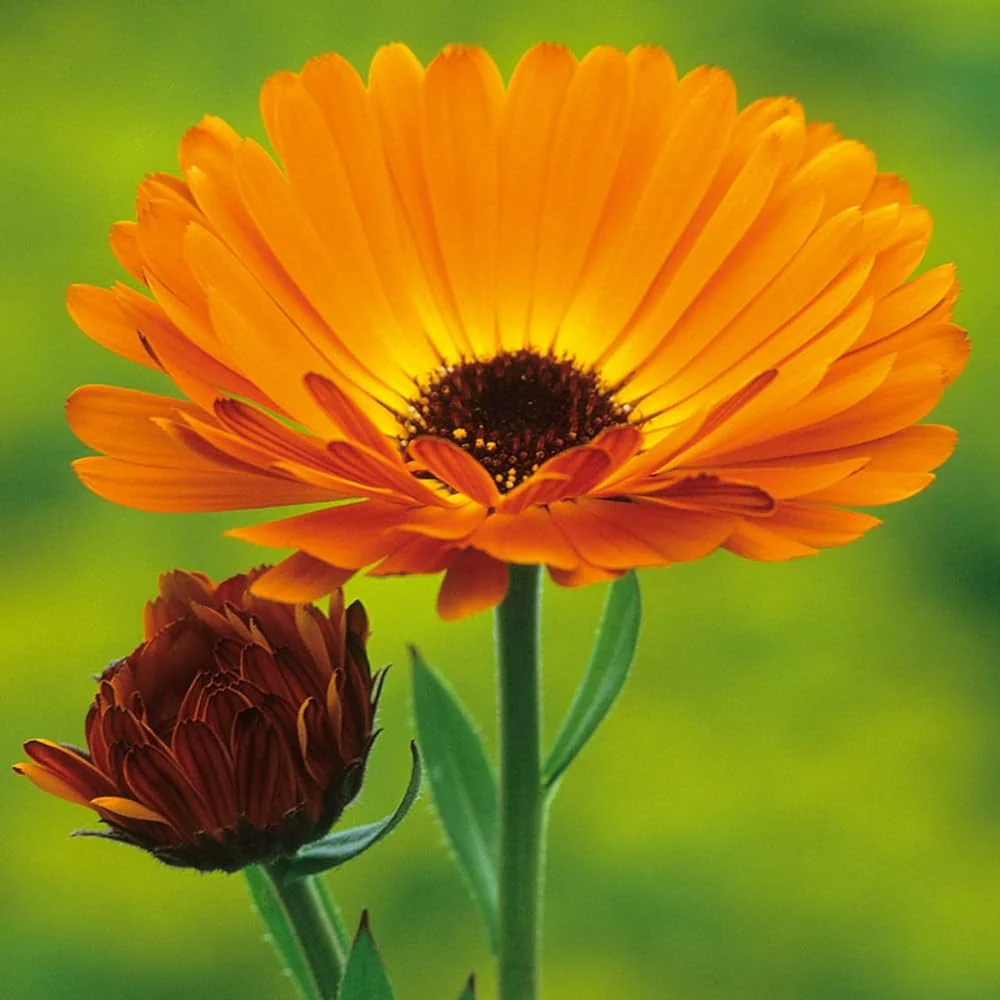
Calendula: The Skin-Healing Herb:
Calendula (Calendula officinalis) is a widely used herb in skincare due to its soothing, anti-inflammatory, and healing properties. Rich in flavonoids and antioxidants, calendula helps:
✅ Soothe Irritation & Redness – Ideal for sensitive and inflamed skin.
✅ Promote Wound Healing – Speeds up recovery from cuts, burns, and minor wounds.
✅ Hydrate & Nourish – Keeps skin soft and moisturized.
✅ Fight Acne & Bacteria – Helps reduce breakouts and infections.
✅ Reduce Signs of Aging – Supports skin elasticity and repair.
Commonly found in creams, balms, and serums, calendula is a natural remedy for healthy, radiant skin.
Effects on Body Systems
Calendula’s gentle yet potent nature makes it a standout herb across multiple systems:
1. Integumentary System (Skin)
- Primary Use: Wound healing, burns, rashes, eczema.
- How It Works: Triterpenoids accelerate collagen production and tissue regeneration, while flavonoids reduce inflammation. Its antimicrobial oils fight infection in cuts or abrasions.
- Ayurvedic Fit: Soothes Pitta-driven skin issues (redness, irritation) and supports Rakta Dhatu (blood tissue) purification.
- Application: Topical salves, infused oils, or poultices.
2. Digestive System
- Use: Ulcers, gastritis, leaky gut.
- How It Works: Mucilage soothes irritated mucous membranes, while anti-inflammatory compounds calm Pitta excess in the stomach. It may also support liver detox mildly.
- Ayurvedic Fit: Balances agni (digestive fire) when inflamed; aids Anna Vaha Srotas (digestive channels).
- Application: Tea or tincture.
3. Immune System
- Use: Boosts immunity, fights infections.
- How It Works: Polysaccharides stimulate lymphatic drainage and immune cell activity, while its antiseptic properties tackle minor infections.
- Ayurvedic Fit: Cleanses Rasa Dhatu (lymph/plasma), supporting overall resilience.
- Application: Internal tea or external wash for wounds.
4. Musculoskeletal System
- Use: Bruises, sprains, swelling.
- How It Works: Anti-inflammatory flavonoids and triterpenoids reduce edema and pain, speeding recovery.
- Ayurvedic Fit: Pacifies Pitta-related inflammation in Mamsa Dhatu (muscle tissue).
- Application: Compresses or massage oils.
5. Reproductive System
- Use: Menstrual cramps, vaginal infections.
- How It Works: Anti-inflammatory and antifungal properties (e.g., against Candida) soothe tissues, while its cooling nature eases Pitta-driven menstrual heat.
- Ayurvedic Fit: Supports Artava Vaha Srotas (reproductive channels).
- Application: Sitz baths or infused oils.
