


Introduction
Sweet Flag, scientifically known as Acorus calamus, is a well-known medicinal herb in Ayurveda, commonly called Vacha. It is highly valued for its effects on the nervous system, digestion, and cognitive function.
Sweet Flag, scientifically known as Acorus calamus, is a well-known medicinal herb in Ayurveda, commonly referred to as Vacha. It is highly valued for its powerful effects on the brain, nervous system, and digestive health.
In traditional Ayurvedic medicine, Sweet Flag is considered a Medhya Rasayana (brain tonic) that helps improve memory, concentration, and mental clarity. It is also widely used to support digestion, relieve respiratory issues, and promote overall balance in the body.
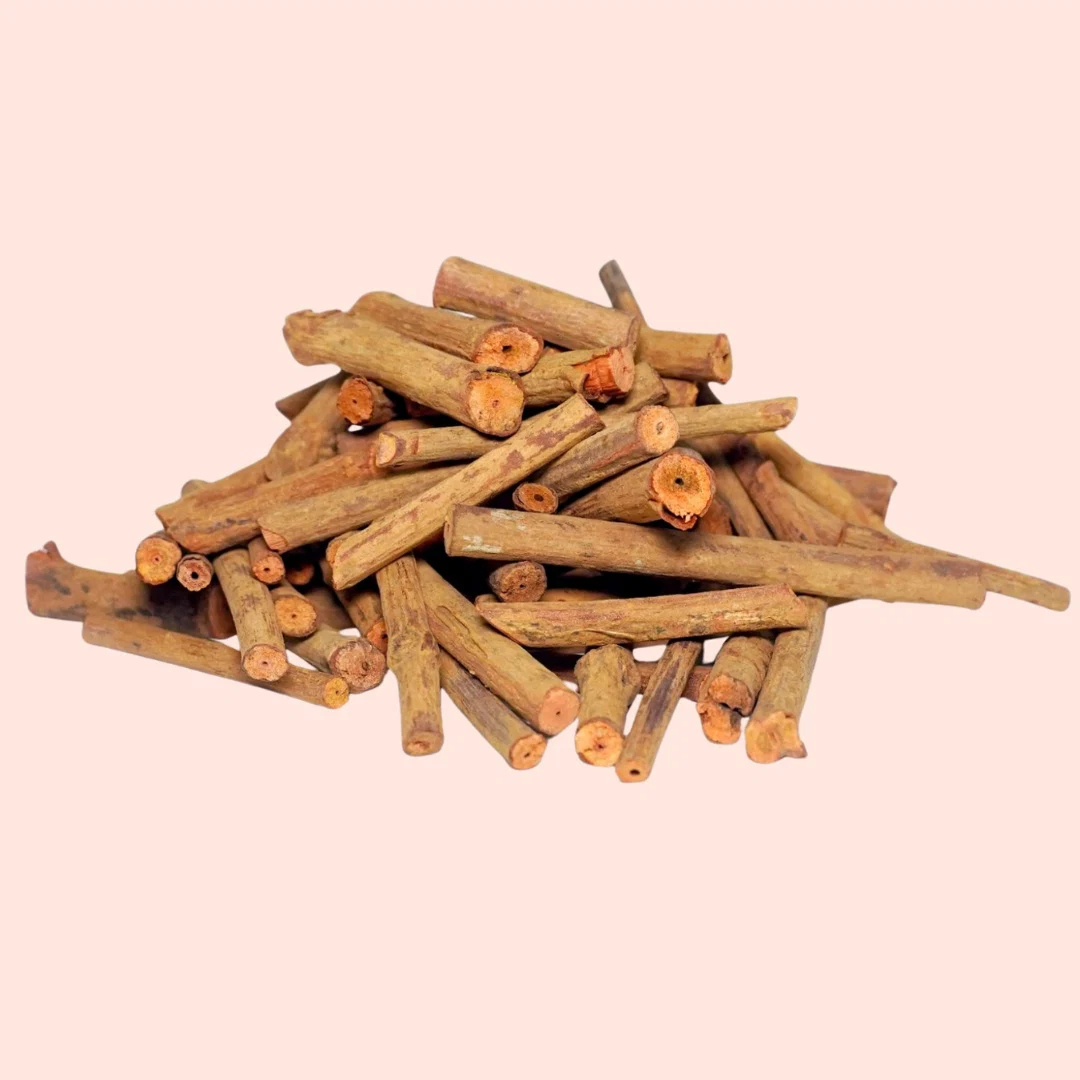
The rhizome of the plant is the most important medicinal part, containing aromatic compounds that contribute to its therapeutic properties. Its long history of use in Ayurveda highlights its importance as a natural remedy for enhancing both physical and mental well-being.
Botanical Description
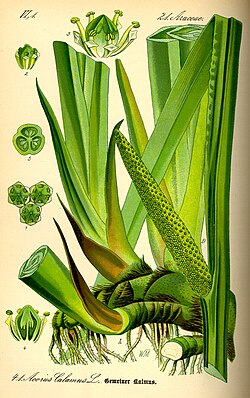
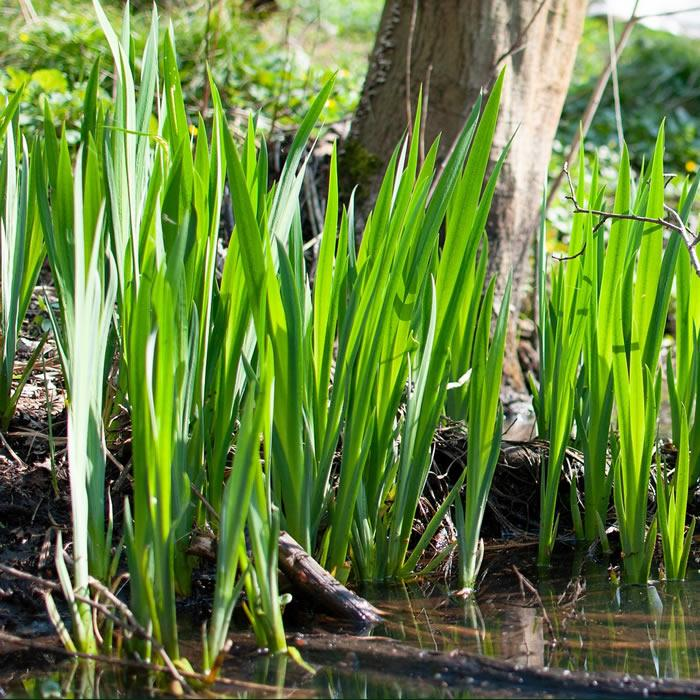
Sweet Flag is a semi-aquatic perennial herb found near wetlands and marshy areas.
- Scientific Name: Acorus calamus
- Family: Acoraceae
- Common Names: Vacha, Calamus
Key Features
- Height: 0.5–1 meter
- Leaves: Long, narrow, sword-shaped
- Rhizome: Aromatic and medicinally important
- Flowers: Small, greenish, arranged on a spadix
Ayurvedic Properties
- Rasa (Taste): Bitter, Pungent
- Guna (Qualities): Light, Sharp
- Virya (Potency): Heating
- Vipaka: Pungent
- Dosha Effect: Balances Kapha and Vata
Health Benefits
1. Enhances Memory and Brain Function
Sweet Flag is known as a brain tonic that improves memory, concentration, and intelligence.
2. Supports Nervous System
Helps in reducing stress, anxiety, and mental fatigue.
3. Improves Digestion
Stimulates digestive fire (Agni) and relieves indigestion and gas.
4. Useful in Respiratory Disorders
Helps manage cough, asthma, and congestion.
5. Detoxifies the Body
Helps remove toxins and cleanse the system.
6. Anti-inflammatory and Antimicrobial
Protects against infections and reduces inflammation.
Traditional Uses in Ayurveda
- Used as Medhya Rasayana (brain tonic)
- Applied in speech disorders and memory loss
- Used in digestive and respiratory conditions
- Included in herbal formulations
Modern Scientific Insights
Sweet Flag contains essential oils and compounds like beta-asarone, which contribute to its neuroprotective and digestive benefits.
How to Use Sweet Flag
1. Powder (Vacha Churna)
Taken in small amounts under guidance.
2. Decoction
Used for therapeutic purposes.
3. External Application
Used in oils and pastes.
Precautions
- Use in very small doses
- Avoid excessive intake
- Not recommended during pregnancy
- Consult a doctor before use
Conclusion
Sweet Flag is a powerful Ayurvedic herb known for its effects on brain health, digestion, and overall wellness. Its strong medicinal properties make it an important herb in traditional medicine when used carefully.
Sweet Flag (Acorus calamus), commonly known as Vacha, is a powerful and time-tested herb in Ayurveda, valued for its significant effects on brain function, digestion, and overall health. Its role as a Medhya Rasayana makes it especially important for enhancing memory, concentration, and mental clarity.
Traditionally, Sweet Flag has been widely used to support the nervous system, improve digestive strength, and manage respiratory conditions. Its natural compounds contribute to its anti-inflammatory, antimicrobial, and detoxifying properties, making it a versatile herb in holistic healing.
However, due to its strong potency, it should always be used in small, controlled amounts and preferably under expert guidance to avoid adverse effects.
Incorporating Sweet Flag into a balanced and mindful lifestyle can offer long-term health benefits. Its deep-rooted importance in Ayurvedic medicine and growing recognition in modern herbal practices make it a valuable natural remedy for promoting mental and physical well-being.
Sweet Flag (Acorus calamus) is a perennial, semi-aquatic herb historically prized for its profound effects on the nervous system, digestive tract, and respiratory health. Known by many names, including Calamus and Vacha (in Ayurveda), this herb has a rich tradition of use across Asia, Europe, and North America. Sweet Flag thrives in wetlands, along riverbanks, and in marshy soils, producing sword-like leaves and sweetly aromatic rhizomes that are the primary medicinal part of the plant.
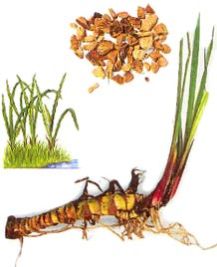
At its core, Sweet Flag is celebrated for its ability to stimulate, soothe, and clarify. Traditional herbal systems have long considered it a valuable remedy for mental fog, nervous tension, and speech disorders. In Ayurvedic medicine, it is revered as a “medhya rasayana”, meaning it rejuvenates and strengthens the mind. It has been historically prescribed to sharpen memory, enhance learning ability, and even treat conditions like speech impediments and epilepsy.
Sweet Flag is equally known for its digestive benefits. The rhizome is rich in volatile oils that act as carminatives, helping to relieve bloating, gas, indigestion, and nausea. In folk medicine, chewing a piece of the root was a common remedy for stomach upset and sluggish digestion. It was also used traditionally to stimulate appetite and support individuals recovering from illness or experiencing weakness.
For the respiratory system, Sweet Flag has been employed to ease coughs, bronchitis, congestion, and asthmatic conditions. Its warming, aromatic qualities help in loosening mucus and clearing the airways, making breathing easier during colds and respiratory infections.
Additionally, Sweet Flag holds a place in spiritual and ceremonial practices. Indigenous tribes and other traditional cultures burned the dried root as an incense for purification rituals and protection from negative energies. It was thought to drive away evil spirits and attract positive forces, making it both a medicinal and sacred plant.
Externally, the powdered root was sometimes applied to wounds, ulcers, and skin infections due to its antimicrobial and anti-inflammatory properties. Its natural antiseptic qualities made it a useful addition to early wound care and skin treatments.
Despite its many benefits, it is important to note that some varieties of Sweet Flag, especially certain wild North American types, contain a compound called beta-asarone, which may be toxic in large quantities. Thus, today’s herbalists recommend using only varieties low in this compound and consuming Sweet Flag in moderation under professional guidance.
In summary, Sweet Flag (Acorus calamus) is a treasured herb that bridges mind, body, and spirit. Its ability to enhance mental clarity, soothe digestion, clear the lungs, and offer spiritual protection has secured its place in the world’s great healing traditions. Even in modern times, it continues to be appreciated for its deep, grounding, and revitalizing effects
