

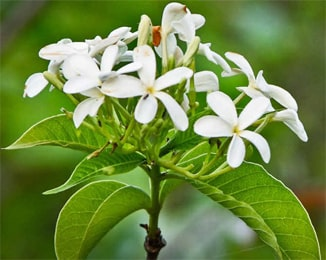

Elettaria cardamomum
Introduction
Cardamom is one of the most valuable and aromatic spices in the world, often called the “Queen of Spices.” It belongs to the ginger family (Zingiberaceae) and is widely used in cooking, traditional medicine, and herbal remedies. Native to India, especially the Western Ghats, cardamom has been used for thousands of years in Ayurveda for its powerful healing properties.
It is known for its sweet, spicy flavor and pleasant fragrance, making it a key ingredient in both sweet and savory dishes as well as medicinal preparations.
Botanical Description
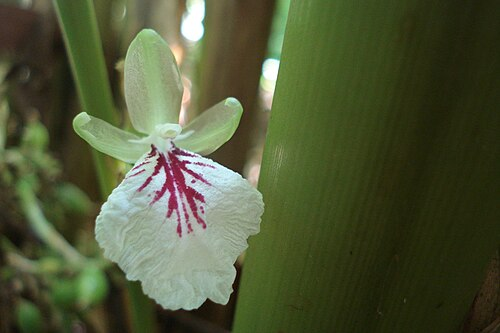
- Scientific Name: Elettaria cardamomum
- Family: Zingiberaceae (Ginger family)
- Plant Type: Perennial herb
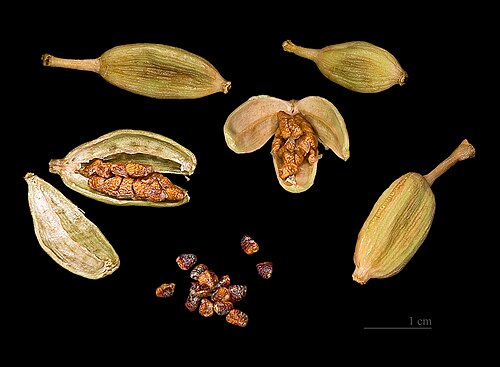
- Part Used: Seeds (inside pods)
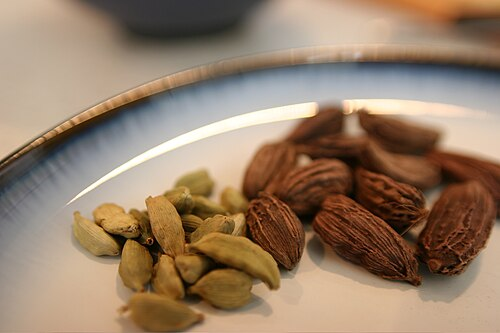
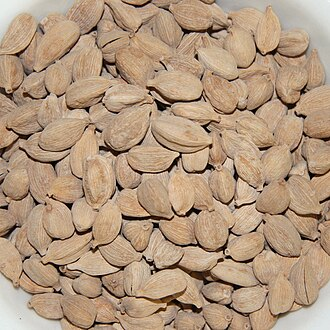
- Appearance: Small green pods containing black seeds
- Taste: Sweet, warm, slightly spicy
Types of Cardamom
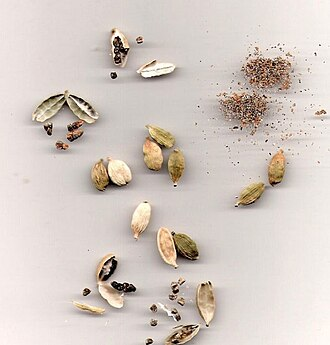
1. Green Cardamom (True Cardamom)
- Most commonly used
- Sweet, aromatic flavor
- Used in desserts, tea, and medicines
2. Black Cardamom
- Larger pods
- Smoky and strong flavor
- Used mainly in savory dishes
Nutritional Value
Cardamom contains several important nutrients and compounds:
- Vitamins: Vitamin C, Vitamin B6
- Minerals: Iron, Magnesium, Potassium, Calcium
- Antioxidants and essential oils
Traditional Uses
1. Digestive Health
Cardamom is widely used to:
- Improve digestion
- Reduce gas and bloating
- Relieve acidity and indigestion
It stimulates digestive enzymes and helps maintain a healthy gut.
2. Oral Health
Traditionally, cardamom seeds are chewed to:
- Freshen breath
- Kill oral bacteria
- Prevent bad odor and infections
3. Respiratory Health
Cardamom is useful in treating:
- Cough and cold
- Asthma
- Bronchitis
It helps clear mucus and improves airflow in the lungs.
4. Detoxification
Cardamom acts as a natural detoxifier:
- Supports kidney function
- Helps eliminate toxins
- Promotes urine flow
5. Heart Health
It may help:
- Regulate blood pressure
- Improve blood circulation
- Support heart function
6. Anti-inflammatory and Pain Relief
Cardamom contains anti-inflammatory compounds that help in:
- Reducing joint pain
- Relieving muscle discomfort
7. Mental Health and Mood
Its aroma is calming and refreshing. It helps:
- Reduce stress
- Improve mood
- Enhance mental clarity
8. Weight Management
Cardamom may support metabolism and help in:
- Fat burning
- Weight management
Uses in Daily Life
- Added to tea (masala chai)
- Used in sweets like kheer and desserts
- Included in spice mixes (garam masala)
- Used in herbal medicines and oils
Ayurvedic Perspective
In Ayurveda, cardamom is considered:
- Taste (Rasa): Sweet and pungent
- Effect (Virya): Cooling
- Dosha Effect: Balances Kapha and Vata
It is mainly used to improve digestion, detoxify the body, and support respiratory health.
Methods of Use
- Powder: Mixed with food or milk
- Tea: Boiled with water or milk
- Chewing seeds: For mouth freshness
- Oil: Used in aromatherapy
Precautions
- Generally safe in normal amounts
- Excess consumption may cause irritation
- People with gallstones should consult a doctor
- Avoid excessive medicinal use without guidance
Conclusion
Cardamom is not only a flavorful spice but also a powerful medicinal herb with a long history in traditional medicine. From improving digestion to supporting heart and respiratory health, it offers a wide range of benefits. Its importance in Ayurveda and daily life makes it an essential natural remedy for overall wellness.
Gallery


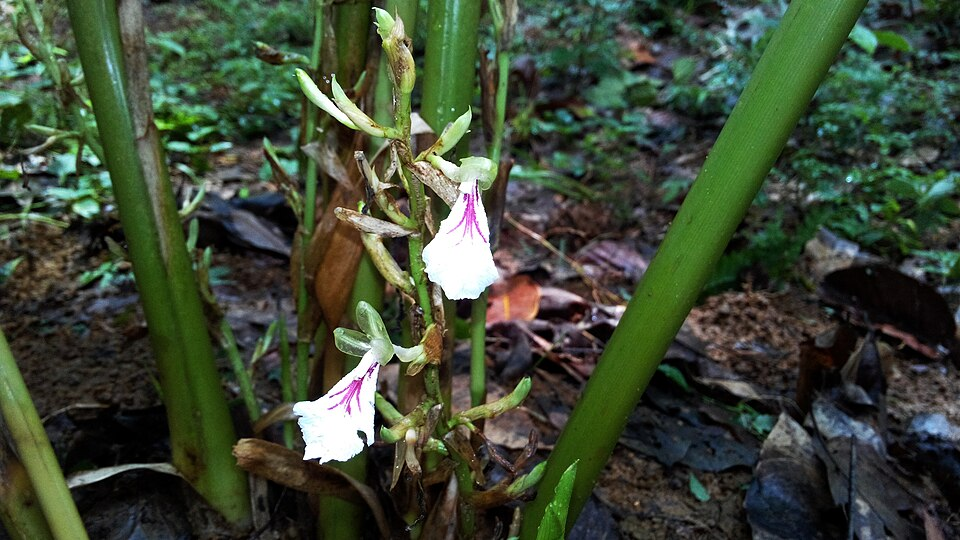
Cardamom, often called the “Queen of Spices,” is a fragrant, warming herb widely used in both culinary and medicinal traditions. Native to India and surrounding regions, cardamom is known for its digestive, carminative, and respiratory-supporting properties.
Key Uses & Benefits of Cardamom:
Digestive Health
- Stimulates appetite, digestion, and relieves bloating, gas, and indigestion.
- Acts as a carminative, helping to relax intestinal muscles and ease cramping.
- Traditionally used to relieve nausea, vomiting, and even motion sickness.
Respiratory Support
- Helps clear congestion, making it useful in coughs, bronchitis, and asthma.
- Acts as an expectorant, aiding in the expulsion of mucus from the respiratory tract.
- Its warming nature makes it helpful for cold-related conditions.
Circulatory & Detox Benefits
- Stimulates blood circulation, which can aid in detoxification and metabolism.
- Its antioxidant properties help combat free radicals, supporting overall cellular health.
Mood & Mind Support
- Used in Ayurveda to uplift mood, reduce mental fatigue, and improve clarity.
- Often blended with other herbs in teas or tonics to relieve stress and enhance mental focus.
How to Use Cardamom:
- Tea or Chai – Crushed pods or seeds steeped with other spices for digestion & respiratory relief.
- Culinary Use – Common in Indian and Middle Eastern cuisine, as well as in desserts and beverages.
- Capsules or Extracts – Available as supplements for digestive and antioxidant support.
- Aromatherapy (Essential Oil) – Inhaled to support lungs and clear the mind.
Precautions:
- Generally safe when used in moderate culinary or herbal doses.
- Large amounts may irritate individuals with gallstones or ulcers—consult a practitioner if unsure.
- Use essential oil internally or on skin only under professional guidance.
Cardamom is a warming, aromatic herb that soothes the digestive tract, opens the lungs, and uplifts the mind—making it a cherished spice for body and spirit.
