


Achillea millefolium
Introduction
Yarrow is a perennial flowering herb that has been used in traditional medicine for centuries across Europe, Asia, and North America. It is easily recognized by its feathery leaves and clusters of small white or pink flowers. In ancient times, it was considered a “soldier’s herb” because it was commonly used to treat wounds and injuries on the battlefield. Its medicinal value comes from its powerful properties such as anti-inflammatory, antiseptic, astringent, antispasmodic, and diaphoretic effects.
Traditional healers valued it as a versatile remedy for both internal and external health problems. From treating digestive issues to healing skin conditions, it has played an important role in natural and herbal medicine systems for thousands of years.
Yarrow is a well-known medicinal herb valued across traditional healing systems for its wound-healing, anti-inflammatory, and digestive-supporting properties. Scientifically identified as Achillea millefolium, this herb has been used since ancient times for treating wounds, infections, and internal imbalances.
The name “Achillea” is derived from Achilles, who, according to legend, used yarrow to treat soldiers’ wounds during battle. This historical association highlights the herb’s powerful healing reputation.
Today, Yarrow is widely used in herbal medicine for its ability to support skin health, digestion, circulation, and immunity, making it a versatile natural remedy.
Botanical Description
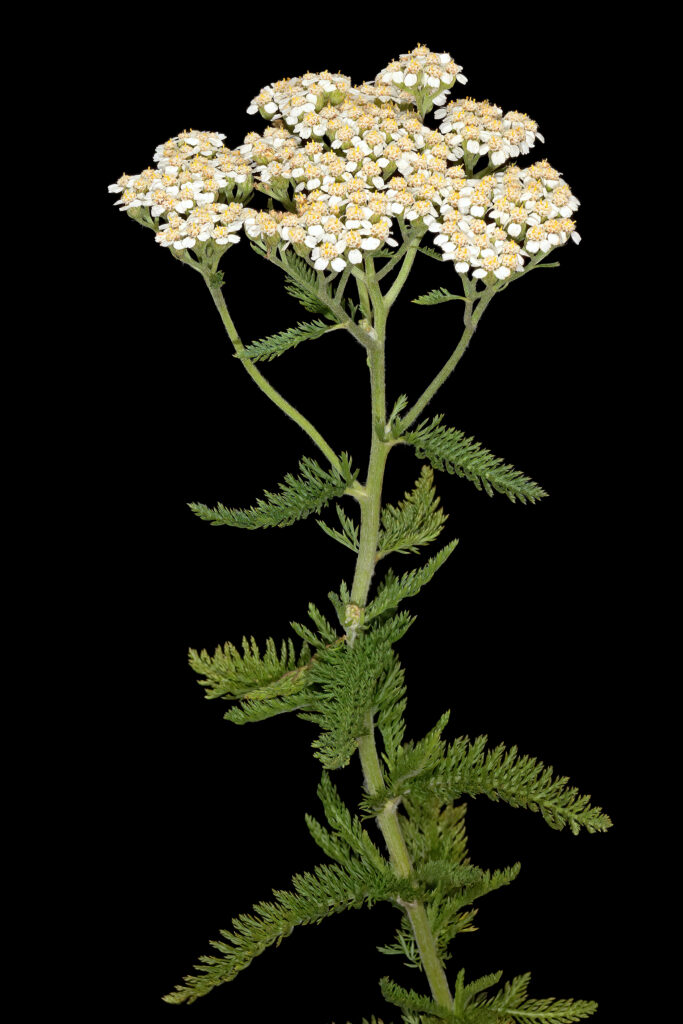
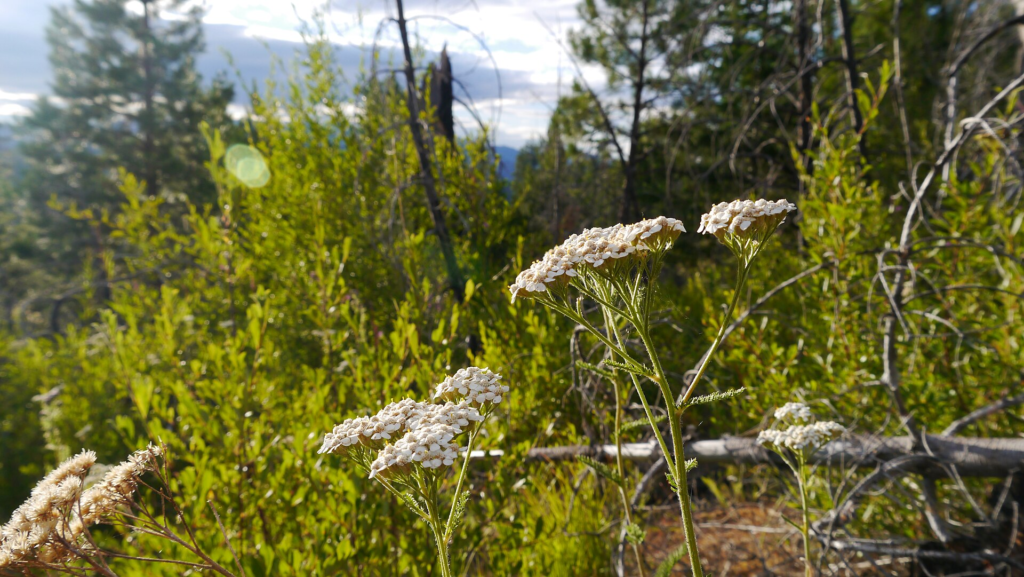
Yarrow, scientifically known as Achillea millefolium, is a hardy, perennial herb belonging to the Asteraceae family. It is widely recognized for its feathery leaves, aromatic nature, and clusters of small flowers, making it both a medicinal and ornamental plant.
- Scientific Name: Achillea millefolium
- Family: Asteraceae
- Common Names: Yarrow, Milfoil
- Plant Type: Perennial herb
- Part Used: Leaves, flowers
🔹 Morphology
- Height: 30–90 cm
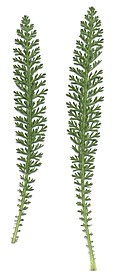
- Leaves: Feathery, finely divided
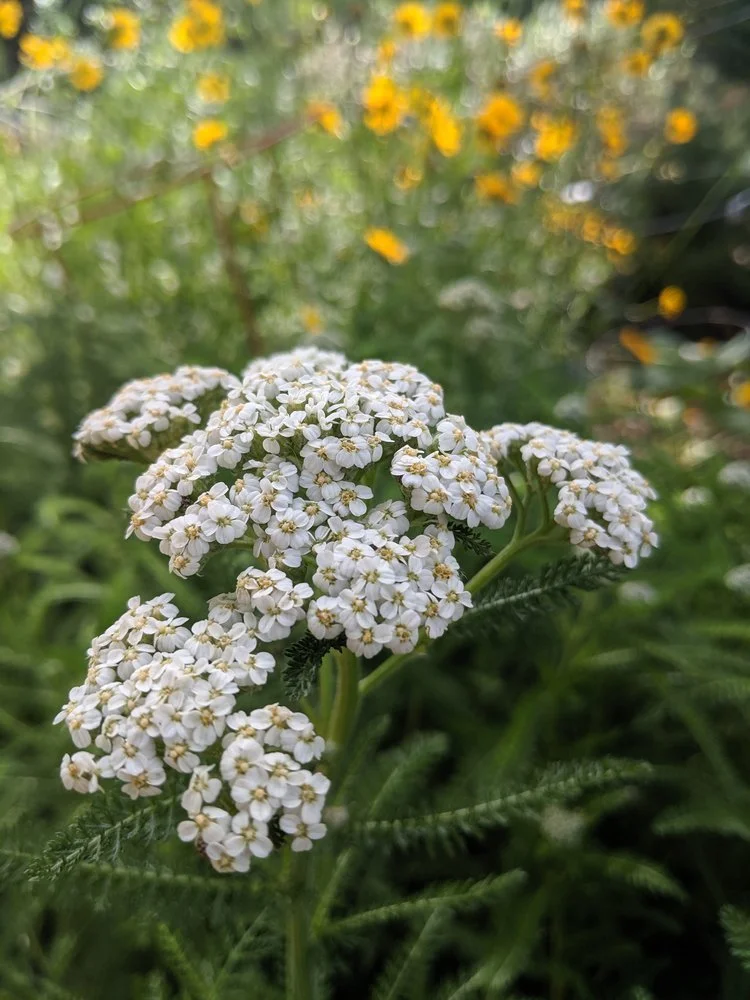
- Flowers: Small white or pink clusters
- Stem: Erect, slightly hairy
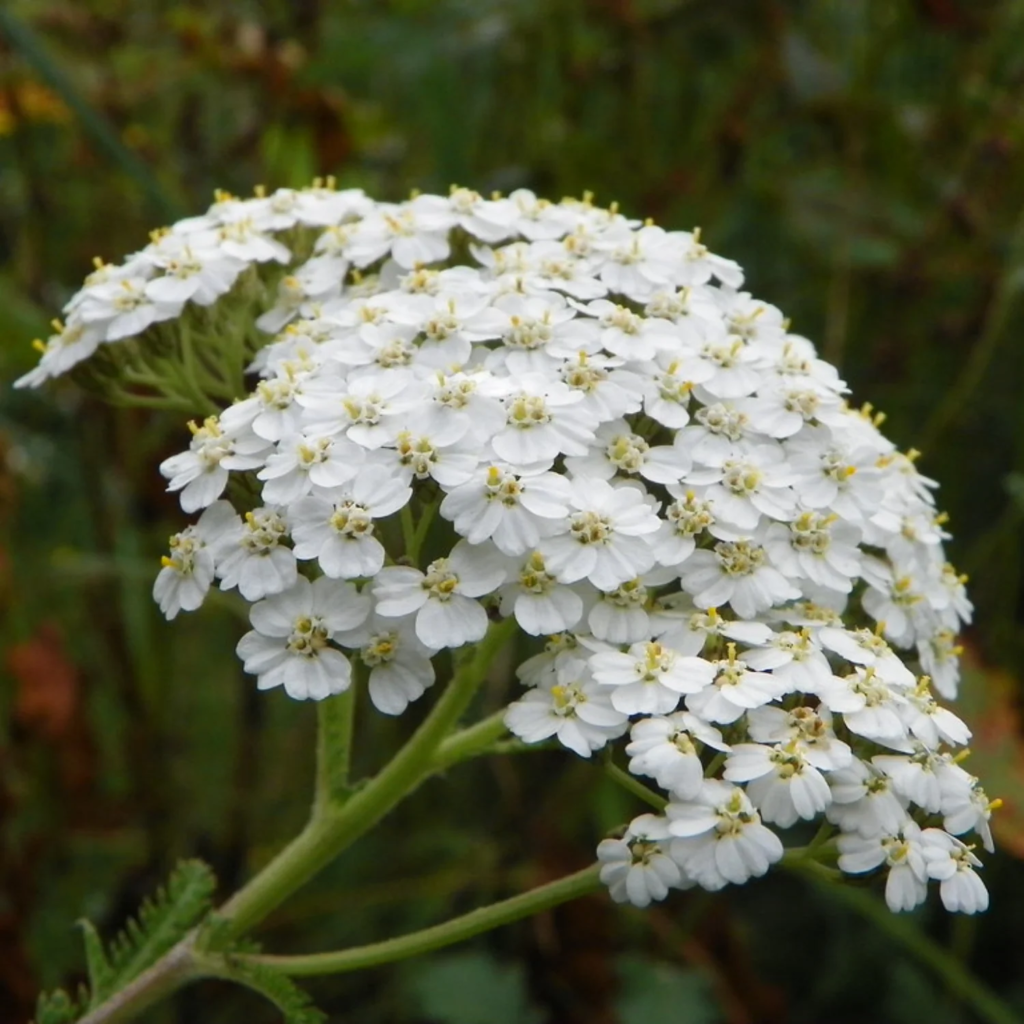
The plant is easily recognizable by its feathery leaves and clustered flowers.
General Habit
Yarrow is a rhizomatous, spreading herb that typically grows between 30 to 90 cm in height. It forms dense patches due to its underground rhizome system and is known for its adaptability to various climates.
🔸 Roots & Rhizome
- Creeping underground rhizomes
- Fibrous root system
- Helps in rapid spreading and regeneration
This feature allows the plant to colonize large areas efficiently.
🔸 Stem
- Erect and slender
- Slightly hairy or woolly
- Branched toward the upper part
🔸 Leaves
- Finely divided, feathery (fern-like appearance)
- Alternate arrangement
- Bright to dark green in color
- Soft, aromatic when crushed
The species name “millefolium” means “thousand leaves,” referring to its highly divided leaf structure.
🔸 Flowers
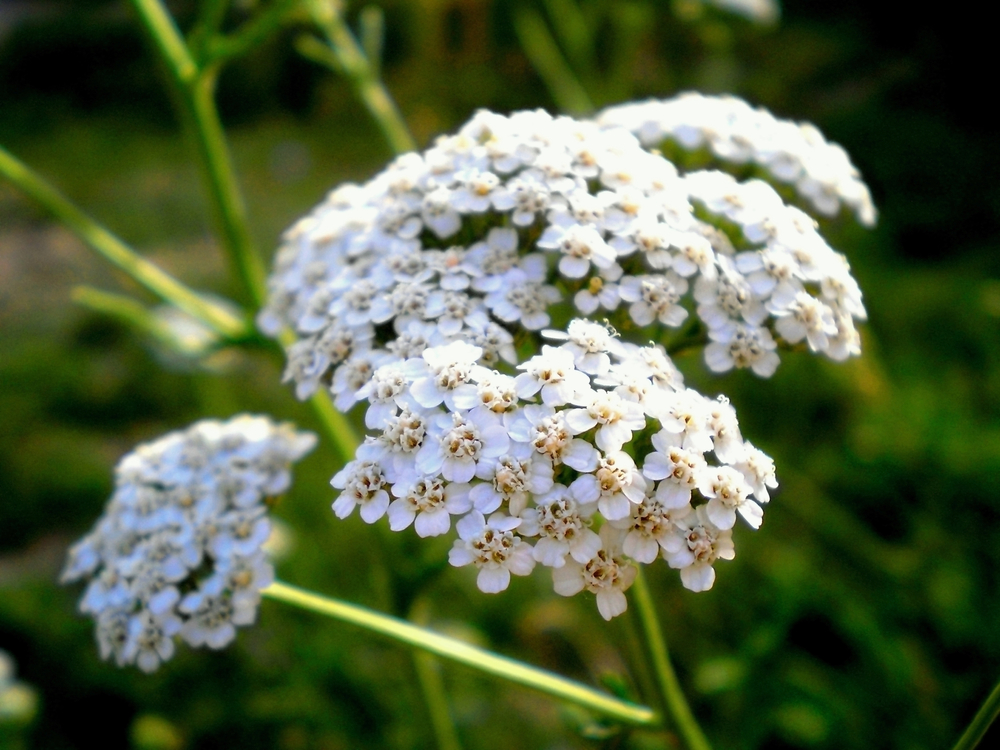
- Small, daisy-like flowers
- Arranged in flat-topped clusters (corymbs)
- Colors: White, pink, or pale purple
- Blooming season: Late spring to early autumn
Flowers are rich in essential oils and medicinal compounds.
🔸 Fruits & Seeds
- Small, dry fruits called achenes
- Contain single seed
- Light and easily dispersed by wind
Habitat & Distribution
Yarrow is native to:
- Europe
- Asia
- North America
It grows in:
- Grasslands
- Meadows
- Roadsides
- Open fields
It thrives in both wild and cultivated environments.
Growth Conditions
- Soil: Well-drained, moderately fertile
- Water: Low to moderate (drought-tolerant)
- Sunlight: Full sun preferred
- Climate: Temperate regions
Yarrow is highly adaptable and can survive in poor soil conditions.
Growth & Lifecycle
- Type: Perennial
- Propagation: Seeds or rhizome division
- Flowering: Spring to autumn
- Lifespan: Long-lived under proper conditions
Special Botanical Features
- Aromatic essential oils
- High regenerative ability
- Attracts pollinators like bees and butterflies
- Resistant to pests and diseases
Identification in Nature
Yarrow can be identified by:
- Feather-like leaves
- Flat clusters of small flowers
- Aromatic smell when crushed
- Erect, slightly hairy stems
Note on Variability
Yarrow shows natural variation in:
- Flower color
- Plant height
- Leaf density
These variations depend on environmental conditions and subspecies.
Summary
Yarrow (Achillea millefolium) is a resilient, spreading perennial herb known for its finely divided leaves and clustered flowers. Its strong adaptability, aromatic nature, and medicinal richness make it an important plant in traditional herbal medicine and natural ecosystems.
Ayurvedic Properties (Detailed)
Yarrow, botanically known as Achillea millefolium, is not a classical Ayurvedic herb but can be accurately understood through Ayurvedic principles due to its bitter, astringent, and healing nature. It is especially useful for skin healing, blood purification, digestion, and inflammation control.
🔹 Rasa (Taste)
- Tikta (Bitter)
- Kashaya (Astringent)
These tastes help:
- Detoxify the body (Ama reduction)
- Purify blood (Rakta Shodhana)
- Promote wound healing and tissue tightening
🔹 Guna (Qualities)
- Laghu (Light)
- Ruksha (Dry)
These qualities support:
- Reduction of excess oiliness (Kapha)
- Improved metabolism
- Drying of wounds and secretions
🔹 Virya (Potency)
- Sheeta (Cooling) (mild)
Cooling effect helps:
- Reduce inflammation
- Calm Pitta-related disorders
- Soothe irritated tissues
🔹 Vipaka (Post-digestive Effect)
- Katu (Pungent Vipaka)
This aids in:
- Metabolic cleansing
- Breaking down toxins
- Supporting digestive efficiency
🔹 Dosha Effect (Doshic Action)
- Balances Pitta and Kapha
- May increase Vata if overused
Particularly useful in:
- Skin inflammation (Pitta)
- Excess mucus and sluggishness (Kapha)
Functional Ayurvedic Actions
Yarrow demonstrates several important therapeutic actions:
🔹 Raktashodhaka (Blood Purifier)
Cleanses blood
Improves skin conditions
🔹 Vrana Ropana (Wound Healing)
Promotes healing of cuts and wounds
Stops bleeding (hemostatic effect)
🔹 Deepana (Digestive Stimulant)
Improves digestive fire (Agni)
Enhances appetite
🔹 Pachana (Ama Digestor)
Helps eliminate toxins
Supports metabolism
🔹 Jwaraghna (Fever-Reducing)
Promotes sweating (Swedana)
Helps reduce fever naturally
Effect on Agni (Digestive Fire)
- Mildly stimulates Agni
- Helps in digestion of light toxins
- Supports gut balance
Suitable for mild digestive weakness with toxin accumulation.
Effect on Dhatus (Body Tissues)
Yarrow acts on several Dhatus:
- Rasa Dhatu (Plasma): Detoxifies and purifies
- Rakta Dhatu (Blood): Improves blood quality
- Twak (Skin): Enhances skin healing
Strongest action is on Rakta and Twak (blood and skin tissues).
Role in Skin & Blood Health
Yarrow is highly effective in:
- Acne
- Wounds
- Minor bleeding
- Skin inflammation
Its astringent property helps tighten tissues and stop bleeding.
Effect on Srotas (Body Channels)
Yarrow supports:
- Raktavaha Srotas (blood channels)
- Swedavaha Srotas (sweat channels)
Helps remove toxins and regulate body temperature.
Dosha-Specific Benefits
🔹 For Pitta
- Reduces heat and inflammation
- Improves skin health
🔹 For Kapha
- Reduces heaviness and mucus
- Improves metabolism
🔹 For Vata
- Use in moderation
- Combine with nourishing herbs if needed
Practical Ayurvedic Insight
- Best used in:
- Herbal teas
- External applications (for wounds)
- Can be combined with:
- Neem (for skin)
- Tulsi (for immunity)
Enhances both internal and external healing.
Ayurvedic Precautions
- Avoid excessive use in:
- High Vata conditions (dryness)
- Use cautiously during pregnancy
- Always use in balanced amounts
Summary
Yarrow (Achillea millefolium) exhibits strong Ayurvedic qualities such as bitter and astringent taste, light and dry nature, and mild cooling potency. It is particularly effective in blood purification, wound healing, and reducing inflammation, making it a valuable herb for skin and internal health.
When used properly, it supports detoxification, enhances healing, and promotes overall balance in the body.
Herbal Remedies
🔹 1. Yarrow Tea
- Dried leaves/flowers in hot water
For digestion and fever
🔹 2. Wound Paste
- Crushed fresh leaves
Apply on cuts
🔹 3. Skin Wash
- Yarrow decoction
For skin cleansing
🔹 4. Herbal Oil
- Infused oil for skin and pain
How to Use
- Tea (infusion)
- Powder
- Oil
- Fresh leaves
Dosage Guidelines
| Form | Dosage |
|---|---|
| Tea | 1–2 cups daily |
| Powder | 1–2 grams |
| External use | As needed |
Side Effects & Precautions
- Avoid during pregnancy
- May cause allergy in sensitive individuals
- Use in moderation
Modern Research
Studies on Achillea millefolium show:
- Anti-inflammatory activity
- Wound healing properties
- Antimicrobial effects
Mechanism of Action
Yarrow works by:
- Promoting tissue repair
- Reducing inflammation
- Fighting microbes
- Improving circulation
Habitat & Distribution
- Europe
- Asia
- North America
Comparison with Other Herbs
| Herb | Benefit | Strength |
|---|---|---|
| Yarrow | Wound healing | Strong |
| Neem | Antimicrobial | Strong |
| Calendula | Skin healing | Moderate |
Detailed Traditional Uses.
1. Wound Healing and Bleeding Control
One of the oldest and most important uses of yarrow is in stopping bleeding and healing wounds. The fresh leaves were crushed and applied directly to cuts, wounds, and bruises. It helps in:
- Quickly stopping bleeding
- Preventing infection
- Promoting faster healing
This is why it was often carried by soldiers during wars.
2. Digestive Health
Yarrow has been traditionally used to support the digestive system. It helps in improving digestion by stimulating digestive juices. It is useful for:
- Indigestion
- Gas and bloating
- Loss of appetite
- Stomach cramps
Yarrow tea is commonly consumed to soothe the stomach.
Yarrow tea is commonly consumed to soothe the stomach.
It is a natural diaphoretic, meaning it helps the body sweat. It was widely used to treat:
- Fever
- Common cold
- Flu
By increasing sweating, it helps reduce body temperature and supports the body’s natural healing process.
4. Women’s Health (Menstrual Support)
It has been used in traditional medicine to support women’s reproductive health. It is believed to:
- Regulate menstrual cycles
- Reduce heavy bleeding
- Relieve menstrual pain and cramps
Its antispasmodic properties help relax muscles and reduce discomfort.
5. Anti-inflammatory and Pain Relief
It has strong anti-inflammatory properties. It has been used to treat:
- Joint pain
- Muscle pain
- Arthritis
It can be applied externally as a poultice or taken as tea to reduce inflammation and pain.
6. Respiratory Conditions
It has been traditionally used for respiratory problems such as:
- Cough
- Bronchitis
- Congestion
It helps in clearing mucus, opening airways, and improving breathing. Steam inhalation and herbal tea are common methods of use.
7. Urinary and Detoxification Support
It acts as a mild diuretic, helping the body eliminate excess fluids and toxins. It is used for:
- Supporting kidney function
- Increasing urine flow
- Detoxifying the body
8. Skin Care and External Applications
It is widely used in natural skincare because of its antibacterial and healing properties. It is helpful in:
- Treating acne and pimples
- Healing rashes and wounds
- Soothing insect bites and burns
It is often used as a wash, oil, or poultice.
9. Circulatory System Support
Traditionally, it was believed to improve blood circulation and strengthen blood vessels. It was used to:
- Support heart health
- Reduce mild high blood pressure
- Improve overall blood flow
Methods of Traditional Use
It was used in various forms in traditional medicine:
- Herbal tea (infusion): For internal health issues
- Poultice: Crushed leaves applied to skin
- Tincture: Concentrated herbal extract
- Steam inhalation: For respiratory relief
- Oil and ointments: For skin conditions
Precautions
- Avoid during pregnancy
- People allergic to plants of the daisy family should use caution
- Excess use may cause skin irritation or sensitivity
- Always consult a healthcare professional before medicinal use
It is a powerful and versatile medicinal herb with a long history of traditional use. From wound healing to digestive support and fever treatment, it has been trusted by many cultures for its natural healing abilities. Although it offers many benefits, it should be used carefully and with proper knowledge.
Yarrow is a powerful and versatile medicinal herb with a long history of traditional use. From wound healing to digestive support and fever treatment, it has been trusted by many cultures for its natural healing abilities. Although it offers many benefits, it should be used carefully and with proper knowledge.
It has a long and rich history of traditional use across many cultures for its powerful healing properties. Known as a wound healer, blood regulator, and digestive aid, it has been considered a “universal medicine” in herbal traditions from Europe, Asia, and North America.
Wound Healing and First Aid
- In ancient times, warriors like the Greek hero Achilles reportedly used yarrow to stop bleeding and heal battlefield wounds.
- Traditional healers applied fresh yarrow leaves directly to cuts, scrapes, and insect bites to control bleeding, reduce inflammation, and prevent infection.
- It was called “Soldier’s Woundwort” for its essential role in emergency herbal first aid.
Regulation of Blood and Menstrual Flow.
- Yarrow has traditionally been used to balance blood circulation—it can both stop excessive bleeding and stimulate stagnant blood flow depending on the need.
- Women used yarrow to ease heavy menstrual bleeding, soothe menstrual cramps, and support uterine health.
- Indigenous North American tribes also used yarrow for these purposes, preparing it as a tea or infusion.
Digestive and Liver Support
- As a bitter herb, yarrow was employed traditionally to stimulate appetite, enhance digestion, and relieve bloating and indigestion.
- Folk medicine included yarrow in formulas for liver cleansing and promoting bile flow to improve digestion of fats.
Fever Management and Immune Strengthening
- Yarrow was a classic ingredient in traditional fever remedies. Herbalists prepared yarrow tea to induce sweating, helping the body break a fever naturally.
- It was often combined with herbs like elderflower and peppermint for colds, flu, and early infections.
Spiritual and Protective Uses
- In Celtic and European traditions, yarrow was believed to offer spiritual protection. It was placed in doorways or carried as an amulet to ward off negativity and harm.
- Yarrow was also used in love charms and divination rituals, reflecting its deep symbolic association with healing and connection.
Conclusion
Yarrow (Achillea millefolium) is a versatile medicinal herb known for its powerful healing, anti-inflammatory, and digestive-supporting properties. From wound care to internal health, it offers a wide range of natural benefits.
When used correctly, Yarrow can be a valuable addition to a holistic wellness routine.
