

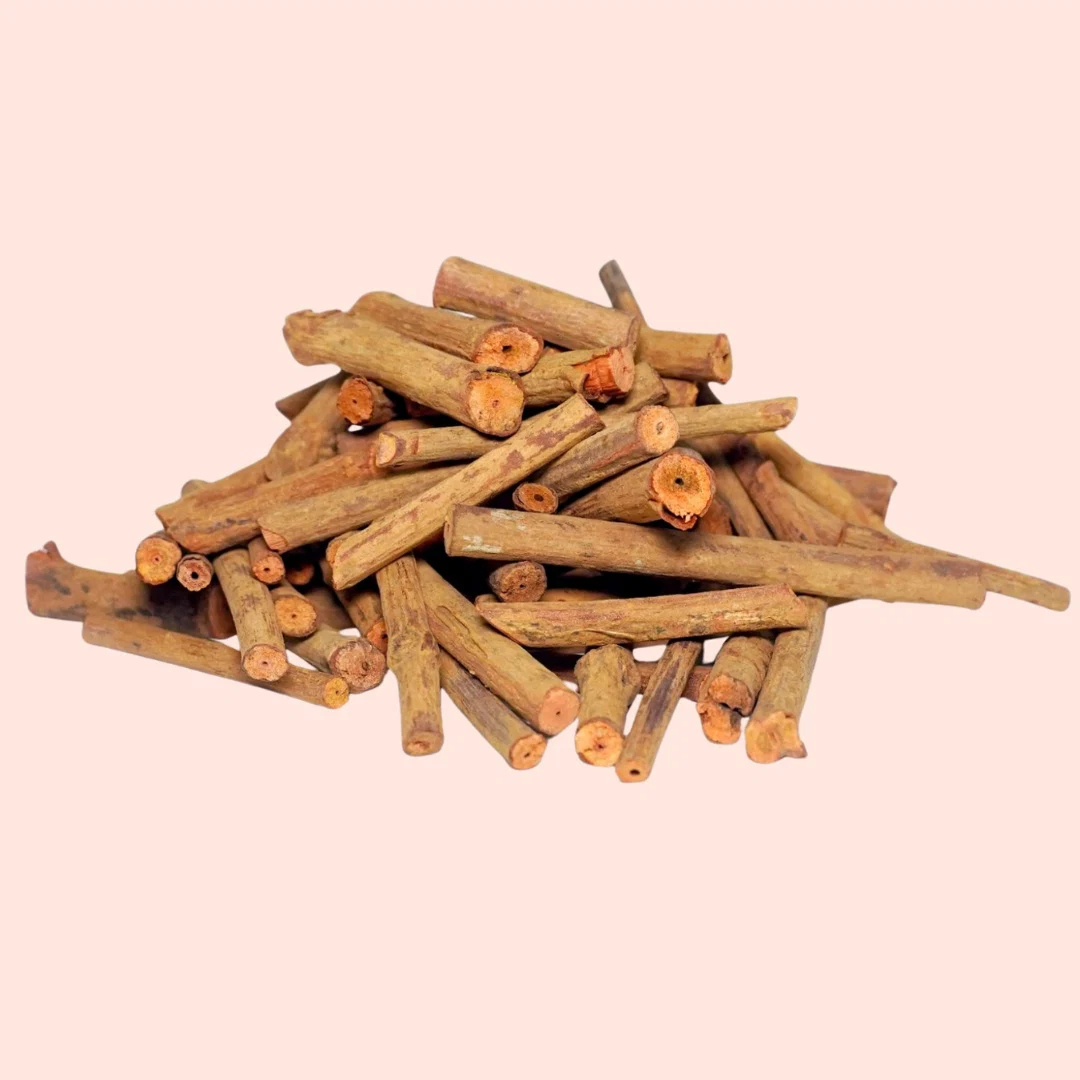
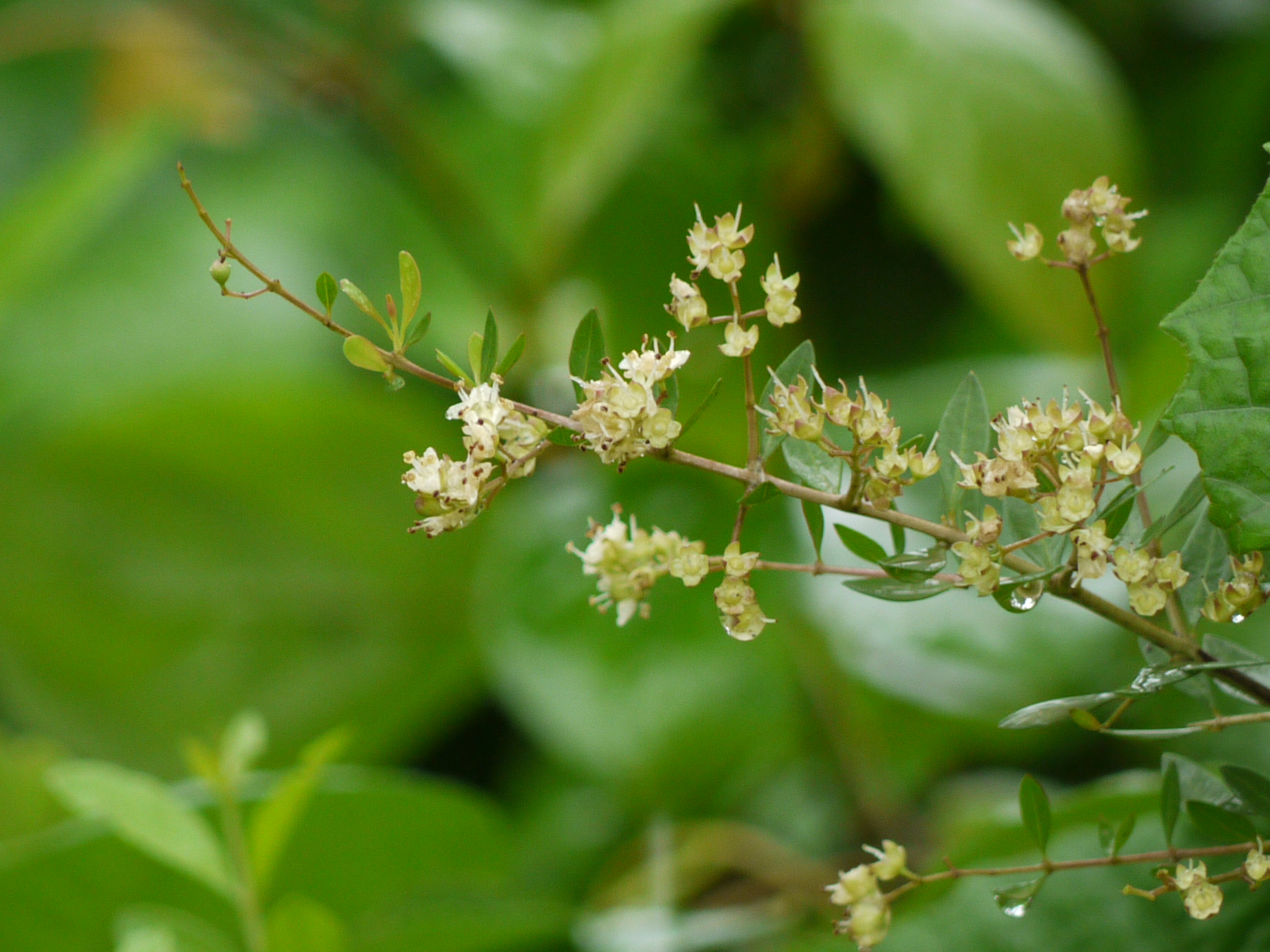
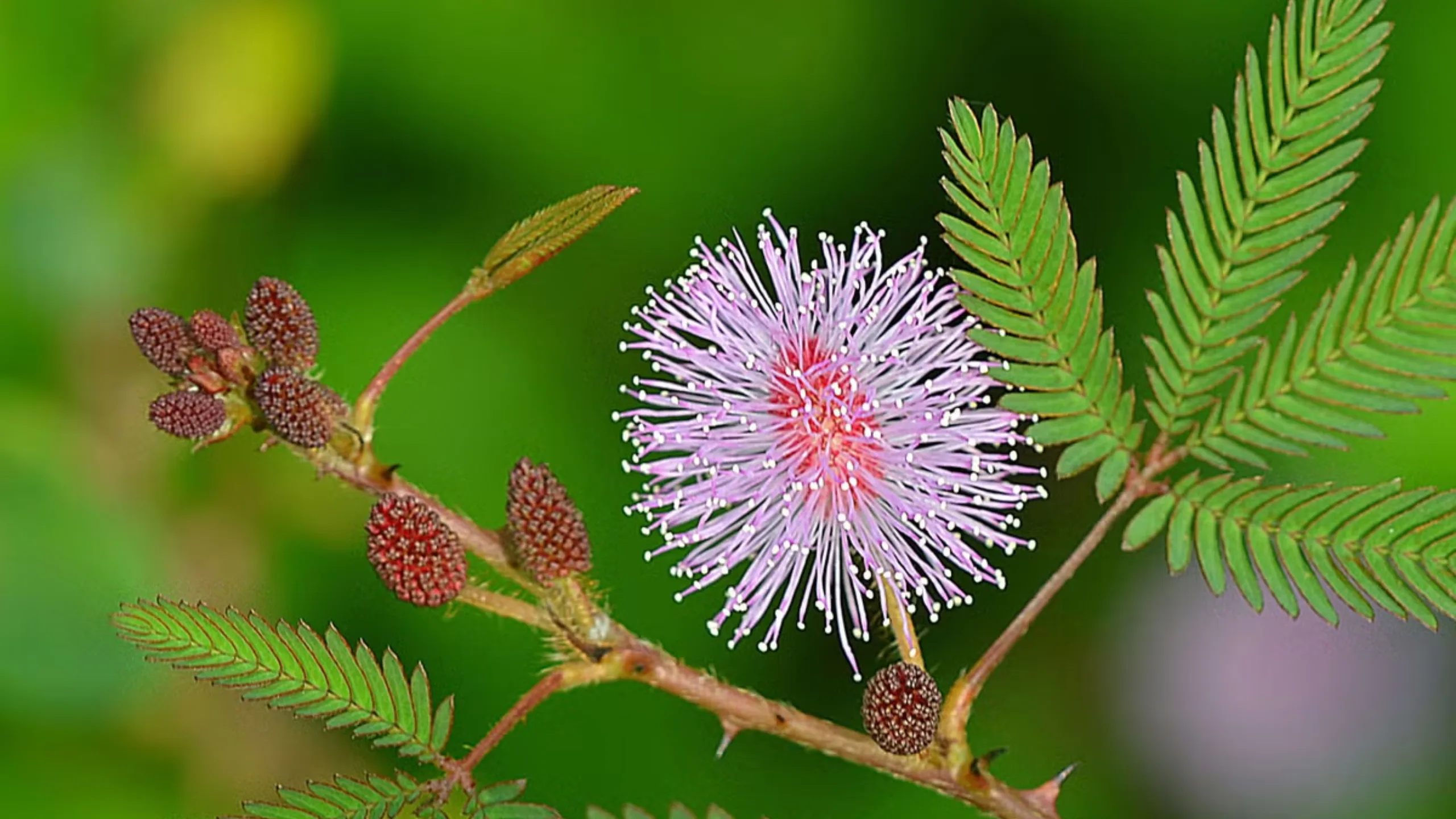

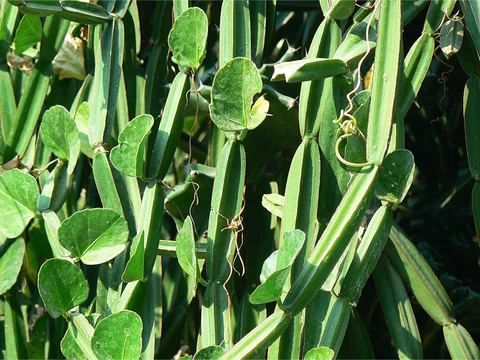
Cissus quadrangularis, Vitaceae
Introduction
Asthisamharaka, scientifically known as Cissus quadrangularis, is a प्रसिद्ध Ayurvedic medicinal plant widely known for its bone-healing properties. It is commonly called Hadjod, meaning “bone joiner,” due to its traditional use in treating fractures.
Asthisamharaka, scientifically known as Cissus quadrangularis, is a highly esteemed herb in Ayurveda, primarily recognized for its remarkable ability to heal and strengthen bones. The name “Asthisamharaka” literally means “that which joins or protects bones,” reflecting its traditional use in treating fractures and bone-related disorders.
This herb, commonly known as Hadjod or Bone Setter, has been used for centuries in Ayurvedic medicine to promote faster healing of broken bones, reduce joint pain, and improve overall skeletal health. Its unique regenerative properties make it especially valuable in conditions involving bone weakness and degeneration.
In addition to its role in bone health, Asthisamharaka is also known for its anti-inflammatory and strengthening effects, helping to restore mobility and physical strength. Its importance in both traditional healing practices and modern herbal medicine highlights its significance as a natural remedy for maintaining strong and healthy bones.
Medicinal Uses
- Fracture: The stem of
asthisamharaka is used to
bandage the part of fracture.The
oil prepared from juice of this
plant and gingerly oil (1:4 Plant
Juice : Gingerly Oil)is externally
applied over fractured part. The
dried root powder can be given
in dose of 1-3 gm twice daily and
this can also be applied externally
after mixing with hot water for
bone fracture.
- Irregular menstruation: 15-20ml
of asthisamharaka stem and leaves
juice along with honey twice
daily for 3 months is beneficial for
irregular menstruation. - Earache: Heating the stem in little
flame, extracting the juice and
using it as ear drops. Instillation of
2-3 drops can be cured earache. - Bone fractures: The dried root
powder of asthisamharaka can
be given in dose of 1-3 gm twice
daily and this can also be applied
externally after mixing with hot
water for bone fracture. - Indigestion: Equal quantity
of asthisamharaka leaves, dry
ginger, black pepper are made
into fine powder and mixed
together. 5gms of this powder
should be given along with warm
water twice daily before food to
treat indigestion. - Joint pains: Asthisamharaka stem
is fried in ghee and administered
in dose of 10-15 gms with milk
for the treatment of fractures and
also osteo arthritis.
Vernacular names
Assamese : Harjara
Bengali : Hadajora
English : Eldt grape, devil’s backbone,
adamant creeper
Gujarati : Hadasankala
Hindi : Hadjod
Kannada : Mangaraballi
Malayalam : Changalam Parande
Marati : Kandvel
Oriya : Hadbhanga
Punjabi : Haddjor
Tamil : Perandai
Telugu : Nalleru
Urdu : Hathjod
Cissus quadrangularis has been used as a medicinal plant since antiquity.[citation needed] Cissus has been used in various Ayurvedic classical medicines to heal broken bones and injured ligaments and tendons. In siddha medicine, it is considered a tonic and analgesic, and is believed to help heal broken bones, thus its name asthisamharaka (that which prevents the destruction of bones). The Assamese people and the Garo tribe of Meghalaya and Bangladesh have used C. quadrangularis for bone fracture.
Conclusion
Asthisamharaka is a unique succulent climber with a distinctive quadrangular stem and powerful medicinal value. Its strong regenerative properties and adaptability to harsh environments make it an important plant in Ayurveda, especially for bone health and healing
Cissus quadrangularis, commonly known as Asthisamharaka or Hadjod, is one of the most valuable herbs in Ayurveda traditionally respected for supporting bone strength, fracture healing, joint wellness, and overall musculoskeletal health naturally. Its name itself reflects its deep traditional association with protecting and restoring bone tissues.
Ayurveda highly appreciates Asthisamharaka for its strengthening, nourishing, healing, and Vata-balancing properties. The herb is especially beneficial in conditions involving bone weakness, fractures, joint stiffness, ligament strain, connective tissue imbalance, and physical weakness. Its warming and restorative qualities help maintain structural stability, flexibility, and healthy movement naturally.
Asthisamharaka is traditionally associated with:
- Bone nourishment and strength
- Fracture recovery support
- Joint flexibility and comfort
- Ligament and tendon wellness
- Tissue repair and regeneration
- Physical recovery and vitality
- Vata balance and musculoskeletal support
Because of its rejuvenating and restorative nature, the herb continues to play an important role in Ayurvedic formulations designed for maintaining healthy bones, muscles, and connective tissues naturally.
Beyond bone support, Asthisamharaka is also traditionally valued for supporting digestion, metabolism, circulation, and overall physical endurance. Its ability to nourish tissues while maintaining mobility and strength makes it one of the most trusted herbs for musculoskeletal wellness in Ayurveda.
Despite being a simple climbing succulent plant, Asthisamharaka holds extraordinary importance in traditional herbal healthcare because of its remarkable association with structural support and natural recovery. When used properly under Ayurvedic guidance, Asthisamharaka may help maintain healthy bones, improved mobility, tissue strength, flexibility, and overall physical wellness naturally.
