

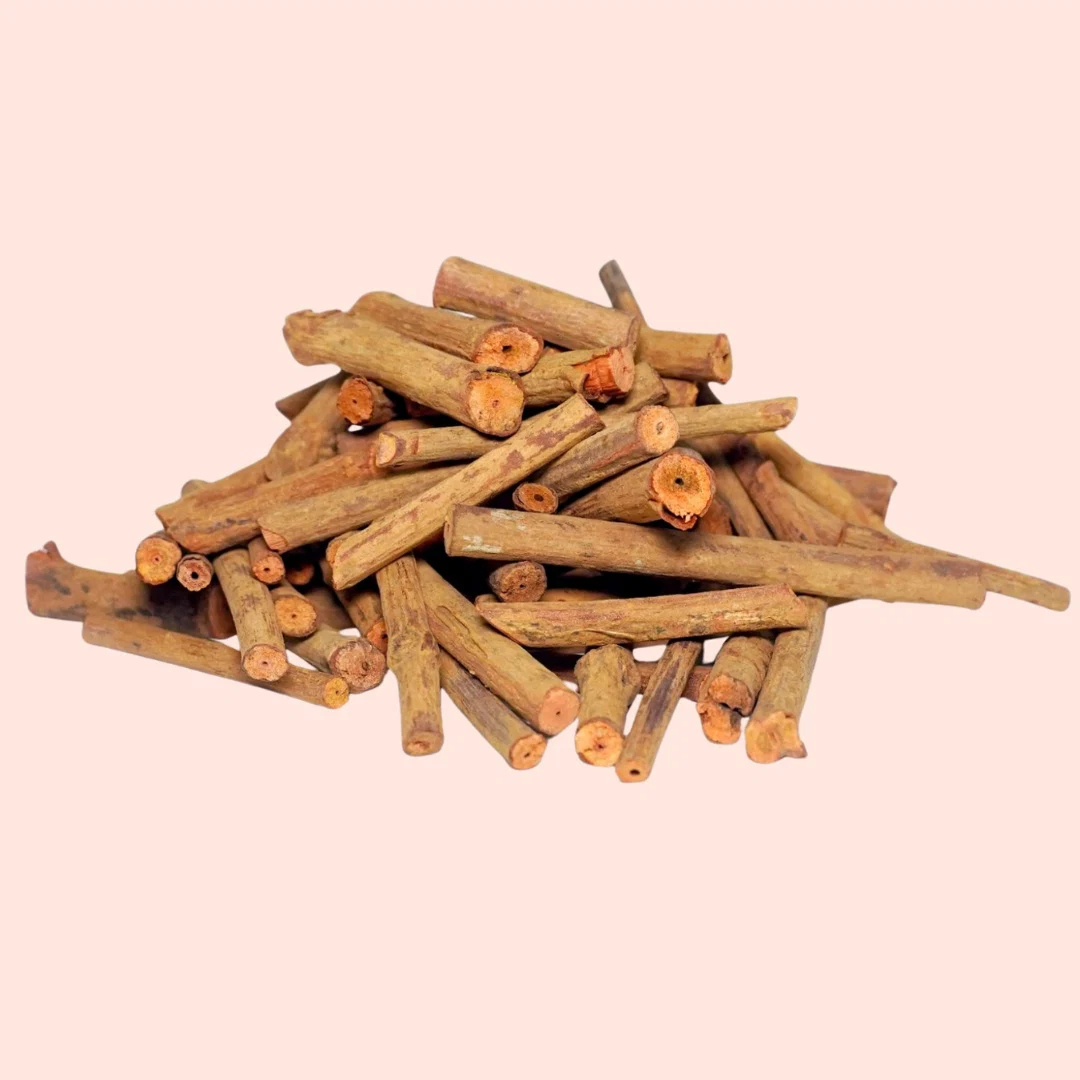
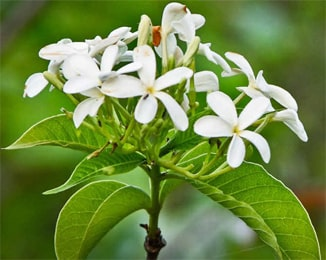

Picrorhiza kurroa,
scrophulariaceae
Introduction
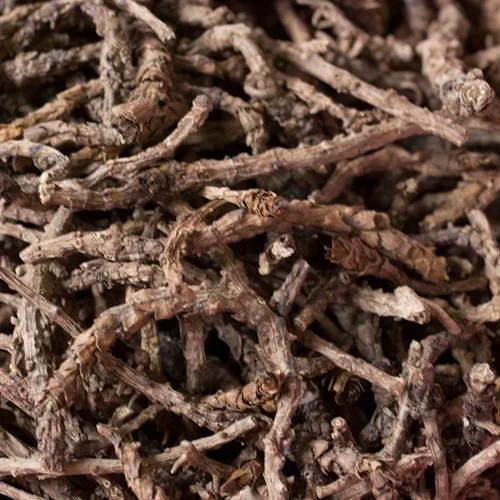
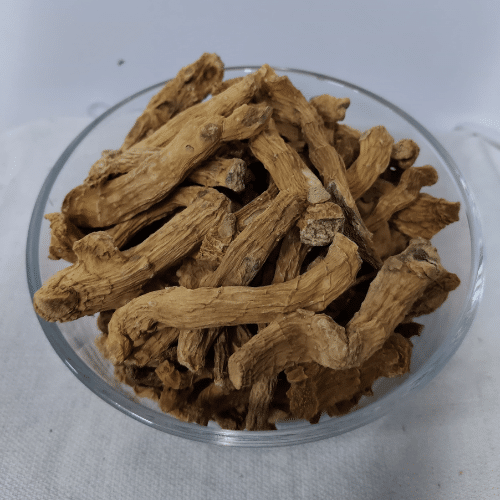
Katuka is a well-known medicinal herb in Ayurveda, highly valued for its powerful liver-protective and detoxifying properties. Native to the Himalayan region, it has been used for centuries to treat liver disorders, improve digestion, and support overall health. The root (rhizome) of the plant is mainly used for medicinal purposes.
Katuka, also known as Kutki, is a highly valued medicinal herb in Ayurveda, especially known for its powerful liver-protective and detoxifying properties. Native to the Himalayan region, it has been used for centuries in traditional medicine to support liver health, improve digestion, and cleanse the body.
The rhizome (root) of the plant contains active compounds such as picrosides and kutkin, which help protect liver cells, reduce inflammation, and promote detoxification. Katuka is particularly beneficial in treating liver disorders, enhancing digestion, and maintaining internal balance.
With its strong therapeutic properties and long history of use, Katuka continues to be an important herb in Ayurvedic medicine for promoting overall health and well-being.
Botanical Description
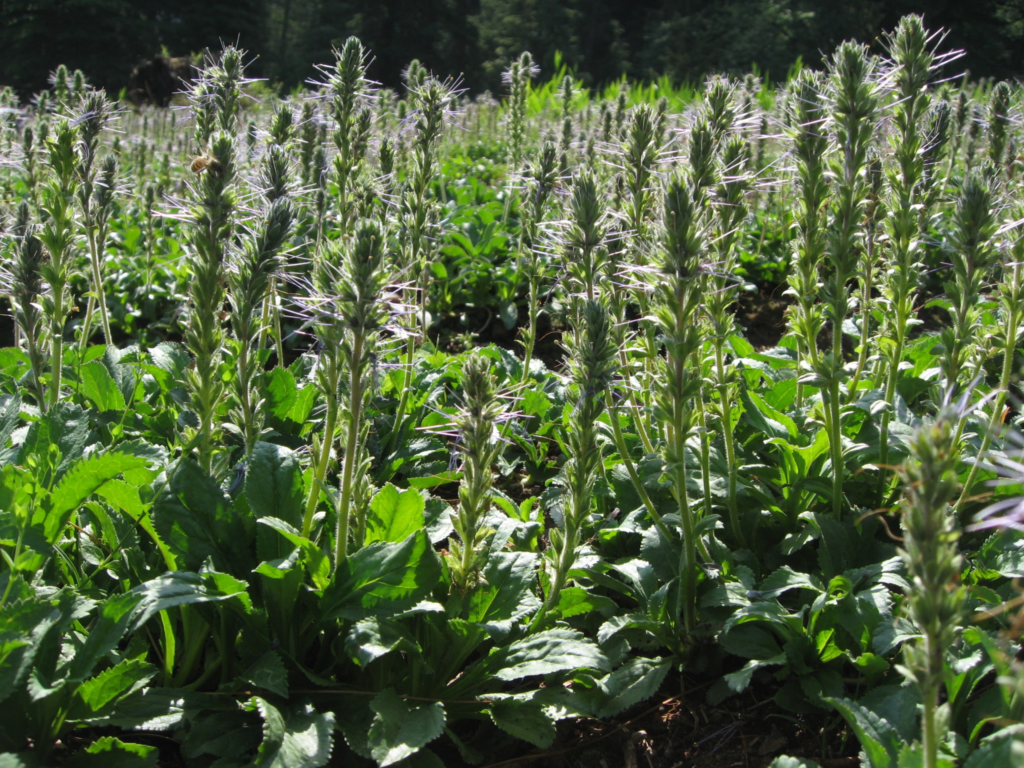
- Scientific Name: Picrorhiza kurroa
- Family: Plantaginaceae
- Plant Type: Perennial herb
- Part Used: Rhizome (root)
- Taste: Bitter
- Nature: Cooling
Common Names
- Sanskrit: Katuka / Katuki
- Hindi: Kutki
- English: Picrorhiza
Active Compounds
- Picroside I & II
- Kutkin
- Apocynin
These compounds provide strong hepatoprotective and anti-inflammatory effects.
Traditional Uses
1. Liver Health
Katuka is widely used to:
- Protect the liver
- Treat liver disorders
- Improve liver function
2. Detoxification
It helps:
- Cleanse the body
- Remove toxins
- Purify blood
3. Digestive Health
Traditionally used to:
- Improve digestion
- Stimulate appetite
- Relieve constipation
4. Fever and Infections
It helps:
- Reduce fever
- Support immune response
5. Skin Health
It may help:
- Improve skin conditions
- Reduce inflammation
Ayurvedic Properties
- Rasa (Taste): Bitter
- Virya (Potency): Cooling
- Effect: Balances Pitta and Kapha
Methods of Use
- Powder (Churna): Taken with water
- Decoction: Boiled in water
- Capsules: Modern supplements
Precautions
- Use in proper dosage
- Avoid excessive use
- Consult a doctor before use
- Not recommended during pregnancy
Side Effects
- Mild digestive upset (in excess)
- Weakness (if overused)

Ayurvedic Pharmacodynamics (Rasa, Guna, Virya, Vipaka)
- Rasa: Tikta (bitter), Kashaya (astringent)
- Guna: Laghu (light), Ruksha (dry)
- Virya: Sheeta (cooling)
- Vipaka: Katu (pungent)
- Prabhava: Yakrit-Uttejak (Hepato-stimulant)
Dosha Impact:
- Pacifies Pitta and Kapha
- May mildly aggravate Vata if used excessively
Dhatu Impact:
- Rasa Dhatu: Enhances fluid purification
- Rakta Dhatu: Purifies blood and enhances hemoglobin formation
Different Names in Various Languages
- Sanskrit: Katuka, Katuki, Tikta
- Hindi: Katuki, Kutki
- English: Picrorhiza, Bitter root
- Gujarati: Kutki
- Punjabi: Kadu
- Tamil: Kadugurohini
- Telugu: Katukurohini
- Malayalam: Katukarogini
- Kannada: Katukarohini
10 Diseases and Conditions Treated by Katuka in Ayurveda
- Kamala (Jaundice): Stimulates liver, enhances bile flow, detoxifies blood.
- Agnimandya (Digestive Weakness): Improves Agni, clears Ama.
- Yakrit Roga (Liver Disorders): Acts as a hepatoprotective and liver rejuvenator.
- Pandu Roga (Anemia): Enhances liver metabolism and blood formation.
- Jwara (Fever): Useful in Pitta-Kapha fevers due to its Sheeta Virya.
- Kushta (Skin Disorders): Detoxifies blood, helps treat eczema, psoriasis.
- Prameha (Diabetes): Regulates metabolism and sugar processing.
- Aruchi (Loss of Appetite): Stimulates hunger and improves digestion.
- Atisara (Diarrhea): Controls loose motions due to its Kashaya and Tikta rasa.
- Pleeha Vriddhi (Splenomegaly): Reduces spleen enlargement and enhances function.
Home Remedies Using Katuka
- For Jaundice: Mix Katuka churna (1-2 gm) with honey, twice daily.
- For Indigestion: Combine Katuka with dry ginger and take before meals.
- For Fever: Katuka decoction with tulsi and coriander.
- For Skin Detox: Mix Katuka with turmeric and neem, take internally.
- For Constipation: Use with warm water at bedtime.
- For Fatty Liver: Take Katuka with aloe vera juice.
- For Appetite Loss: Mix with black salt and lemon juice.
- For Anemia: Combine with Punarnava and Guduchi.
- For Blood Purification: Katuka and manjistha with warm water.
- For Diabetes: Take with Triphala and turmeric.
Conclusion
Katuka is a powerful Ayurvedic herb known for its liver-protective and detoxifying properties. It plays an important role in maintaining digestive health and overall body balance. When used properly, it is a safe and effective natural remedy for supporting long-term wellness.
Katuka is a powerful Ayurvedic herb widely recognized for its liver-protective and detoxifying properties. It plays an important role in supporting liver function, improving digestion, and helping the body eliminate toxins effectively.
With its natural anti-inflammatory and cleansing effects, Katuka contributes to overall health and internal balance. Its long-standing use in traditional medicine highlights its importance as a reliable herbal remedy.
Overall, Katuka stands out as a valuable natural herb that promotes liver health, enhances digestion, and supports long-term wellness when used in proper amounts.
Katuka is a jewel in Ayurvedic pharmacopoeia. With its potent detoxifying, hepatoprotective, and Pitta-pacifying properties, it stands as one of the most effective remedies for Kamala and allied hepatic conditions. Its safe use under guidance can offer excellent results in chronic liver ailments, metabolic dysfunctions, and inflammatory conditions. Ayurveda rightly reveres Katuka as the guardian of the liver and purifier of Rasa and Rakta Dhatus.
