


Papaver somniferum,
Papaveraceae
Introduction
Khaskhasa, commonly known as poppy seeds, is a well-known ingredient in both culinary and traditional medicine. It is valued for its calming, nourishing, and cooling properties. Used for centuries in Ayurveda and traditional systems, Khaskhasa helps promote relaxation, improve sleep, and support overall health.
Khaskhasa, commonly known as poppy seeds, is a widely used ingredient in both cooking and traditional medicine. It is valued for its nourishing, calming, and cooling properties, and has been used for centuries in Ayurveda to support overall health and well-being.
These tiny seeds are rich in essential nutrients such as calcium, magnesium, and healthy fats, which help strengthen the body and promote relaxation. Khaskhasa is especially known for its ability to improve sleep, calm the nervous system, and support digestion.
With its mild taste and therapeutic benefits, Khaskhasa continues to be an important natural ingredient for promoting relaxation, nourishment, and balanced health.
These nutrients contribute to its calming and nourishing effects.
Botanical Description (Detailed)
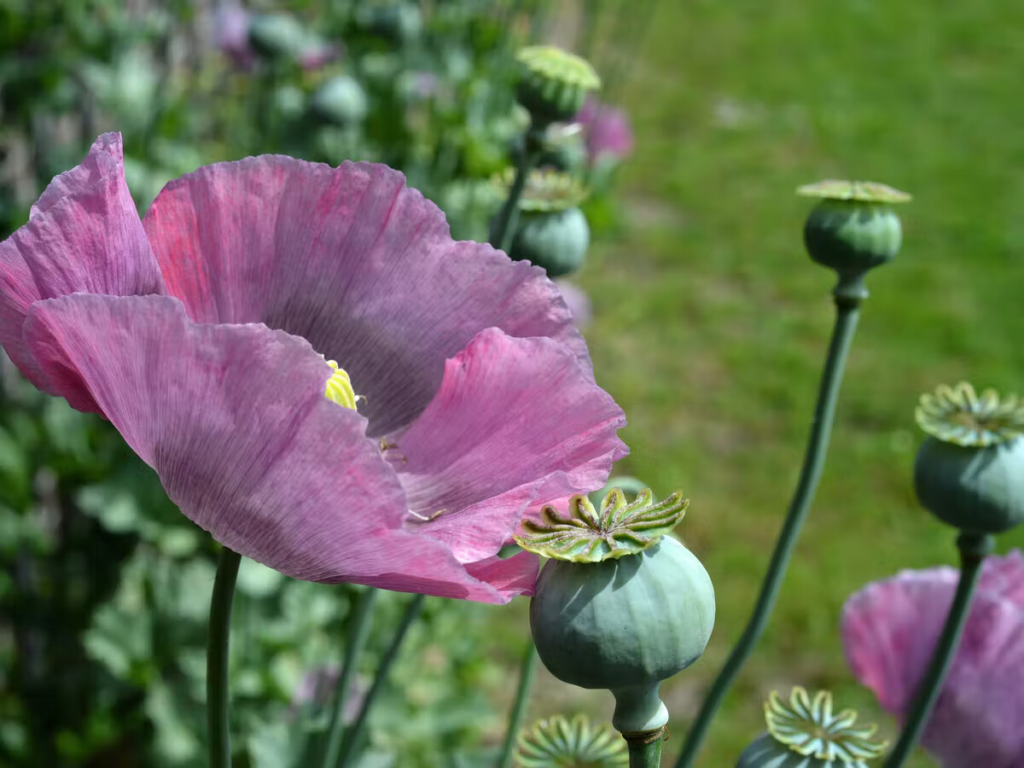
Khaskhasa (poppy seeds) are obtained from the plant Papaver somniferum, an annual herb known for its distinctive flowers and seed capsules. This plant belongs to the Papaveraceae family and has been cultivated for centuries for its seeds, oil, and medicinal value.
🔹 Scientific Classification
- Kingdom: Plantae
- Order: Ranunculales
- Family: Papaveraceae
- Genus: Papaver
- Species: P. somniferum
General Habit
Khaskhasa is a soft, erect, herbaceous annual plant that typically grows to a height of 1 to 1.5 meters. It has a smooth, slightly waxy surface and contains a milky latex within its tissues.
🔸 Stem
- Erect, cylindrical, and smooth (glabrous)
- Pale green with a waxy coating
- Contains milky latex
- Weakly branched or unbranched
🔸 Leaves
- Broad, lobed, and irregularly toothed
- Bluish-green (glaucous) in color
- Sessile (attached directly without stalk)
- Upper leaves clasp the stem
Leaves have a soft texture and are coated with a waxy layer that reduces water loss.
🔸 Flowers
- Large, showy, and delicate
- Colors: White, pink, red, or purple
- Four petals with a silky texture
- Central ovary surrounded by numerous stamens
Flowers are short-lived but highly attractive and important for identification.
🔸 Fruit (Capsule)
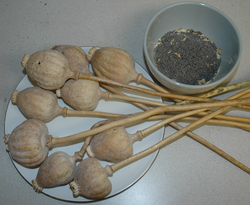
- Rounded or oval-shaped capsule
- Smooth surface with a flat top (stigma disc)
- Contains numerous tiny seeds
- Develops after flowering
🔸 Seeds (Khaskhasa)
- Extremely small and kidney-shaped
- White, grey, or black depending on variety
- Smooth and oily texture
- Mild nutty flavor
These seeds are the primary edible and medicinal part used in Ayurveda and cooking.
Habitat & Distribution
Khaskhasa is cultivated in:
- India (Rajasthan, Madhya Pradesh, Uttar Pradesh)
- Turkey
- Iran
- Central Asia
It grows best in:
- Temperate to subtropical climates
- Well-drained fertile soil
- Moderate sunlight
Growth Conditions
- Soil: Loamy, fertile, well-drained
- Water: Moderate irrigation required
- Sunlight: Full sunlight
- Temperature: Cool to moderate climate
The plant requires careful cultivation conditions for optimal seed production.
Cultivation Cycle
- Sowing Season: Winter (Rabi crop in India)
- Flowering: Spring
- Harvesting: Early summer
- Lifecycle: 4–5 months
Special Botanical Features
- Produces milky latex in all parts
- Capsule structure stores numerous seeds
- High oil content in seeds
- Adaptable to cultivated environments
Identification in Nature
Khaskhasa plant can be identified by:
- Tall, smooth stem
- Large colorful flowers
- Rounded seed capsules
- Tiny oil-rich seeds
Important Note
While the seeds (Khaskhasa) are safe and widely used in food, other parts of the plant contain compounds that require regulated use.
Summary
Khaskhasa (Papaver somniferum) is a distinctive annual herb known for its beautiful flowers and seed-producing capsules. Its tiny seeds, rich in nutrients and calming properties, are widely used in Ayurveda for promoting relaxation and better sleep. The plant’s unique botanical structure and medicinal relevance make it an important species in both traditional medicine and agriculture.
Traditional Uses
1. Sleep Support
Khaskhasa is widely used to:
- Promote better sleep
- Reduce insomnia
- Calm the mind
2. Nervous System Support
It helps:
- Reduce stress and anxiety
- Provide relaxation
3. Digestive Health
Traditionally used to:
- Improve digestion
- Relieve constipation
4. Bone Health
It supports:
- Strong bones
- Calcium intake
5. Skin and Hair Health
It helps:
- Nourish skin
- Improve hair strength
Ayurvedic Properties.
Khaskhasa (poppy seeds), obtained from Papaver somniferum, is highly valued in Ayurveda for its calming, nourishing, and sleep-promoting properties. It is especially useful in conditions related to stress, insomnia, weakness, and nervous system imbalance.
🔹 Rasa (Taste)
- Madhura (Sweet)
- Tikta (Mild Bitter)
The sweet taste nourishes body tissues (Dhatus), while the mild bitterness helps balance internal heat and supports gentle detoxification.
🔹 Guna (Qualities)
- Guru (Heavy)
- Snigdha (Unctuous/Oily)
These qualities provide deep nourishment, grounding, and lubrication, making Khaskhasa ideal for calming dryness and restlessness in the body and mind.
🔹 Virya (Potency)
- Sheeta (Cooling)
The cooling nature helps:
- Reduce body heat (Pitta)
- Calm the nervous system
- Promote relaxation and mental peace
🔹 Vipaka (Post-digestive Effect)
- Madhura (Sweet Vipaka)
This supports:
- Long-term tissue nourishment
- Strength building
- Stability and energy preservation
🔹 Dosha Effect (Doshic Action)
- Balances Vata and Pitta
- May increase Kapha if taken in excess
Particularly useful for:
- Anxiety, insomnia (Vata imbalance)
- Heat, irritability (Pitta imbalance)
Functional Ayurvedic Actions
Khaskhasa is described with several key therapeutic actions:
🔹 Nidrajanana (Sleep Inducing)
Promotes natural sleep
Helps in insomnia and disturbed sleep patterns
🔹 Balya (Strengthening)
Improves physical strength
Supports recovery from weakness
🔹 Brimhana (Nourishing)
Builds body tissues
Enhances overall nourishment
🔹 Medhya (Supports Mind)
Calms the mind
Improves mental clarity and stability
🔹 Vata-Pitta Shamana
Reduces dryness, restlessness, and heat
Helps stabilize the nervous system
Effect on Dhatus (Body Tissues)
Khaskhasa nourishes multiple Dhatus:
- Rasa Dhatu (Plasma): Improves hydration and nourishment
- Mamsa Dhatu (Muscle): Supports strength
- Majja Dhatu (Nervous system): Calms nerves and supports brain health
- Shukra Dhatu (Reproductive tissue): Supports vitality and reproductive strength
Its strongest action is on Majja Dhatu, making it excellent for nervous system health and sleep.
Effect on Agni (Digestive Fire)
- Mildly heavy (Guru), so it may slow digestion if taken in excess
- Best taken with warm milk or light spices for better digestion
Suitable for people with strong or moderate digestion.
Role in Ojas Enhancement
Khaskhasa helps build Ojas (vital essence) by:
- Nourishing tissues
- Supporting deep rest and sleep
- Reducing stress
Good sleep = stronger immunity and vitality.
Dosha-Specific Benefits
🔹 For Vata
- Reduces anxiety and insomnia
- Provides grounding and calmness
🔹 For Pitta
- Reduces heat and irritability
- Promotes cooling and relaxation
🔹 For Kapha
- Should be used in moderation
- Excess may increase heaviness
Methods of Use
- Cooking: Added to sweets and dishes
- Paste: Used in curries
- Milk Preparation: Taken for sleep support
Precautions
- Use in moderate amounts
- Avoid excessive consumption
- Consult a doctor if needed
Side Effects
- Drowsiness (in excess)
- Digestive discomfort (rare)
Description
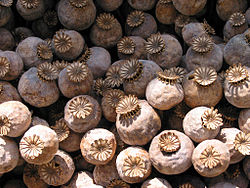
Poppy seeds are less than a millimeter in length, kidney-shaped, and have a pitted surface. It takes about 3,300 poppy seeds to make up a gram, and between 1 and 2 million seeds to make up a pound. The primary flavor compound is 2-pentylfuran.
The seeds are cultivated for the flowers they produce. Annual and biennial poppies are used to cultivate from seed as they are not difficult to propagate, and can be put directly in the ground during winter. The California poppy (Eschscholzia californica), for example, is a striking orange wildflower that grows in the Western and Northwestern United States.
Production and export
The poppy seeds harvest can be a by-product of cultivation of Papaver somniferum for opium, poppy straw, or both opium and poppy straw. However, harvesting for poppy seeds of superior quality is in conflict with harvesting for opium as poppy seeds should be harvested when they are ripe, after the seed pod has dried. Traditionally, opium is harvested while the seed pods are green and the seeds have just begun to grow and their latex is abundant. Poppy straw can be a by-product of cultivation of poppy seeds. Compared to the seed pod and straw, the seeds contain very low levels of opiates. The seeds may be washed to obtain poppy tea but a large amount is needed, around 300–400 g depending on the levels of opiates.
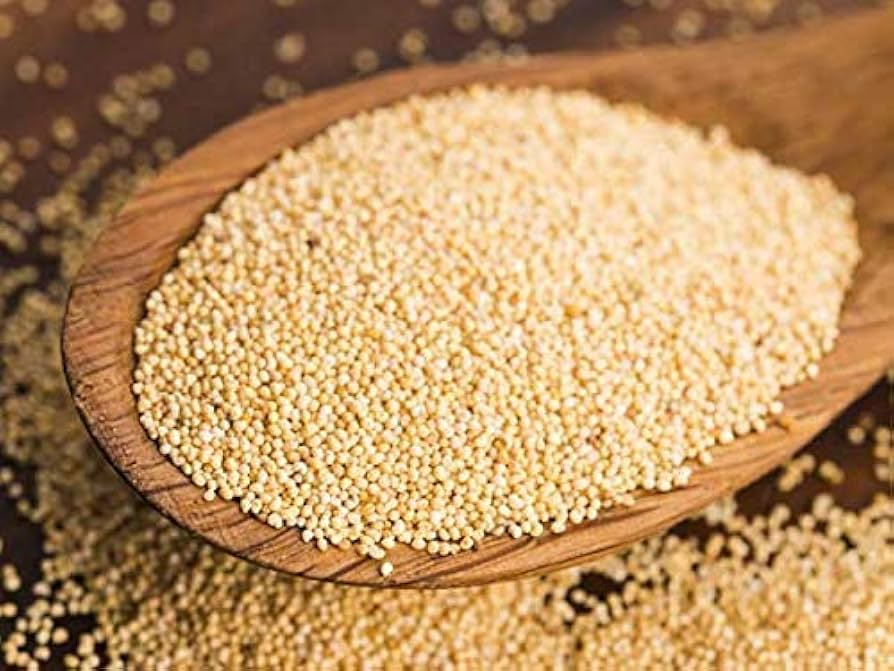
Since poppy seeds are relatively expensive, they are sometimes mixed with the seeds of Amaranthus paniculatus, which closely resemble poppy seeds.
In 2024, Turkey produced 8,441 tonnes and Serbia 1,079 tonnes. The Czech Republic was the leading country exporting poppy seeds in 2024 with 23,600 tonnes (approximately 53 million lbs), followed by Hungary, the Netherlands, and Turkey.
Indian cuisine


In Indian cuisine, particularly Bengali cuisine, white poppy seeds are added for thickness, texture and flavor to recipes. Commonly used in the preparation of korma, ground poppy seeds, along with coconut and other spices, are combined into a paste added during cooking. Poppy seeds are widely used in many regional Indian cuisines. One dish, originating from Khulna, is aloo posto (potato and poppy seeds) which consists of ground poppy seeds cooked together with potatoes and made into a smooth, rich product, which is mainly eaten with rice. There are many variants to this basic dish, replacing or complementing the potatoes with other ingredients, such as onions (penyaj posto), pointed gourd (potol posto), Ridged Luffa (jhinge posto), chicken (murgi posto), and prawns (chingri posto). Chadachadi is another dish from Bengali cuisine and includes long strips of vegetables, sometimes with the stalks of leafy greens added, all lightly seasoned with spices like mustard or poppy seeds and flavored with a phoron. One dish involves grilling patties made from posto, sometimes frying them (postor bora). Another dish involves simply mixing uncooked ground poppy seeds (kancha posto) with mustard oil, chopped green chili peppers, fresh onions and rice. Kacha posto bata (uncooked poppy seeds paste) with mustard oil is a very popular dish in West Bengal as well as Bangladesh. Poppy seeds are widely used in Kashmir as a topping on various breads, especially kulcha.
Poppy seeds, along with tulsi (basil) seeds, are added to beverages such as thandai, sharbat, milkshakes, rose milk, almond milk and khus khus milk.
Vernacular names
Bengali : Aaphim, Postadaanaa,
Postabeej
English : Opium, Poppy Seeds
Gujrati : Khaskhas
Hindi : Apheem, Postadaanaa,
Khaskhas, Khasabija
Kannada : Gasgase, Aapheen, Aphini
Malayalam : Avin, Karappu, Kashkash, Aalan
Marathi : Khaskhas
Oriya : Aapu
Tamil : Kasakash, Posttakkaai, Avinee
Telugu : Gasgashaalu, Nallamandu
Urdu : Apheem
Conclusion
Khaskhasa is a nourishing and calming natural ingredient that supports sleep, digestion, and overall well-being. Its gentle properties make it a valuable addition to both diet and traditional medicine. When used properly, it promotes relaxation and long-term health.
Khaskhasa is a nourishing and calming natural ingredient known for its cooling and soothing effects on the body. It plays an important role in promoting better sleep, supporting digestion, and calming the nervous system. Its rich nutrient content also helps strengthen bones and improve overall health.
With its long history in traditional medicine and daily diet, Khaskhasa remains a valuable and gentle remedy for maintaining balance and relaxation. When used in proper amounts, it is generally safe and beneficial.
Overall, Khaskhasa stands out as a natural source of nourishment and calmness, supporting overall well-being and a healthy lifestyle.
