


Sphaeranthus indicus,
Asteraceae
Introduction
Gorakhmundi (Sphaeranthus indicus) is a highly valued medicinal herb in Ayurveda, renowned for its rejuvenating, detoxifying, and therapeutic properties. Used for centuries in traditional Ayurvedic medicine, this remarkable herb is particularly known for supporting mental wellness, promoting healthy skin, and maintaining optimal liver function. Its unique combination of antioxidant, anti-inflammatory, and hepatoprotective compounds makes it an important natural remedy for enhancing overall health and vitality.
Traditionally, Ayurvedic practitioners have recommended Gorakhmundi to improve memory, concentration, and emotional balance while helping to purify the blood and support the body’s natural detoxification processes. The herb is also widely used in skin-care formulations to promote a clear complexion and healthy, radiant skin. In addition, its liver-supportive properties make it beneficial for maintaining digestive health and metabolic balance.
Found throughout India in moist and marshy regions, Gorakhmundi has earned a respected place in classical Ayurvedic texts and herbal preparations. Today, it continues to be appreciated as a versatile herb that nourishes the mind, protects the liver, and contributes to overall well-being naturally.
Botanical Description of Mundi (Sphaeranthus indicus)
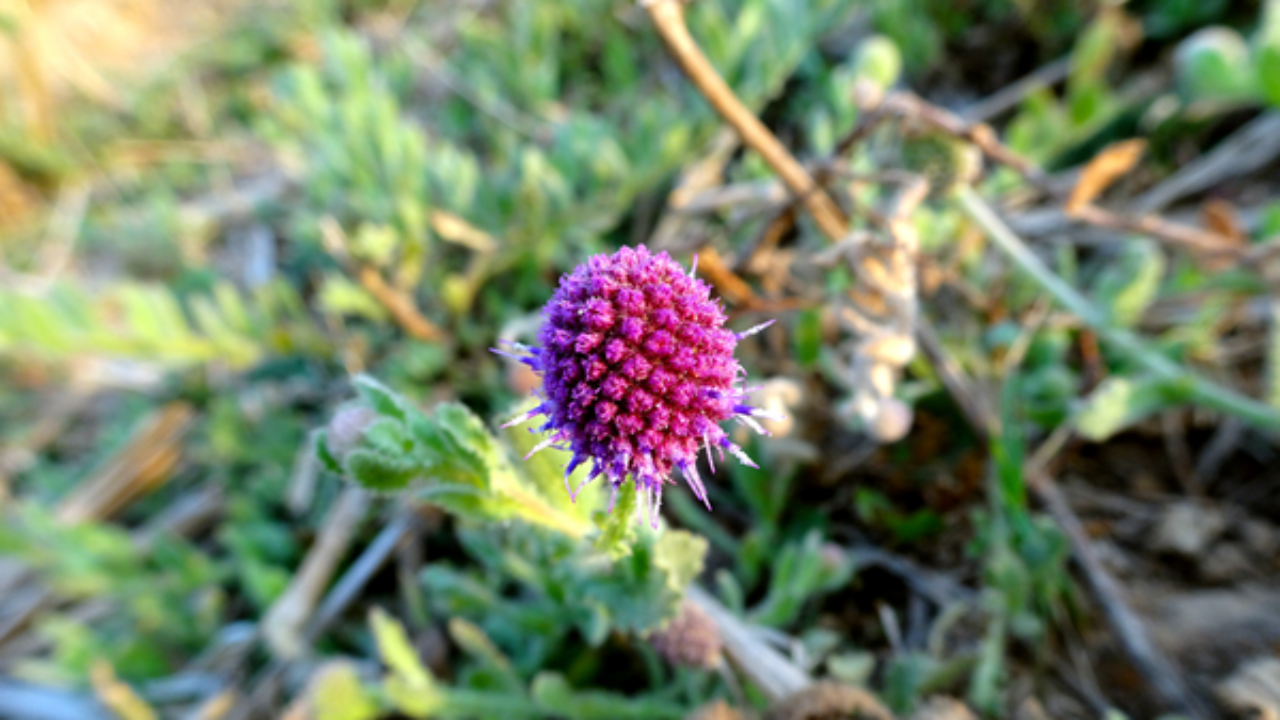
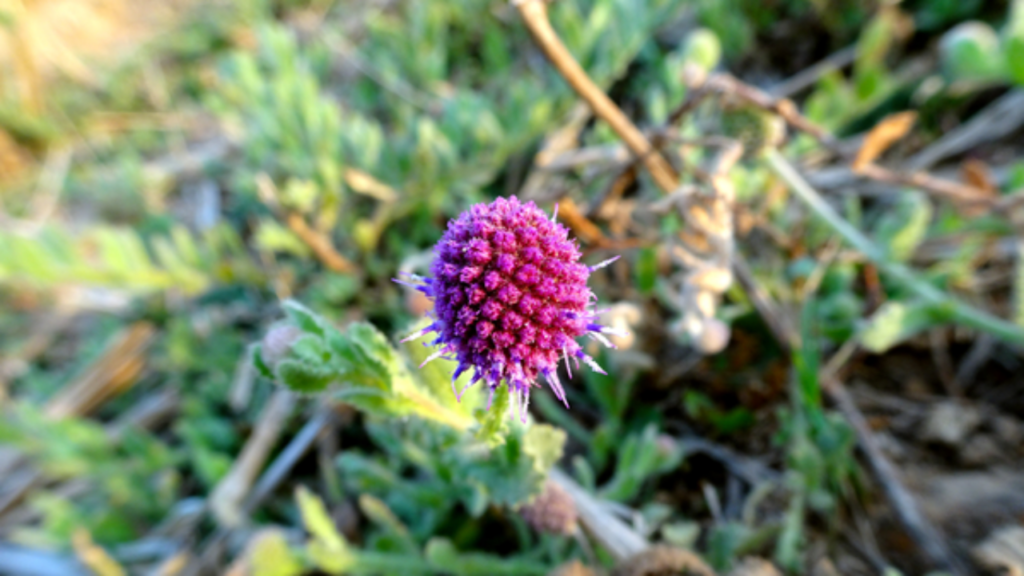
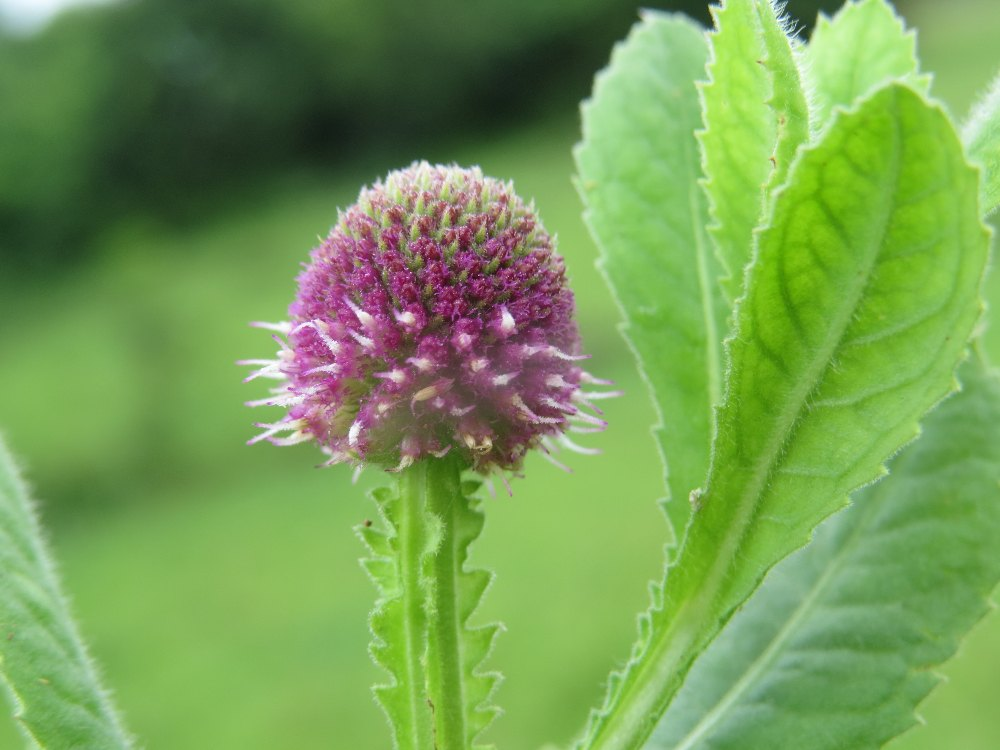
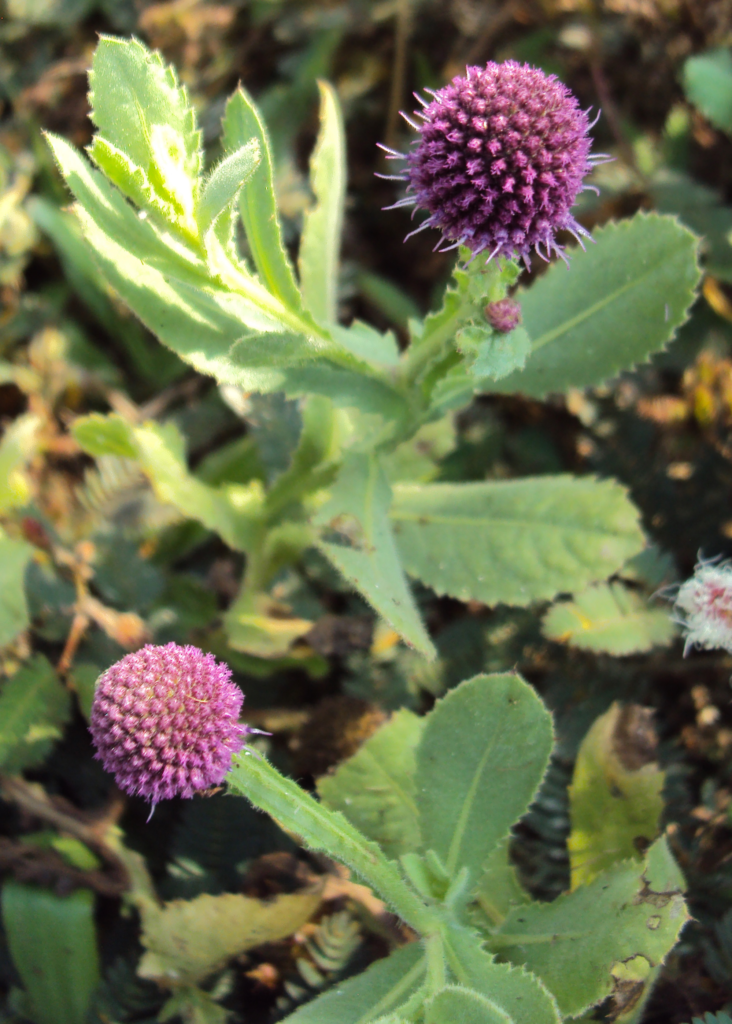
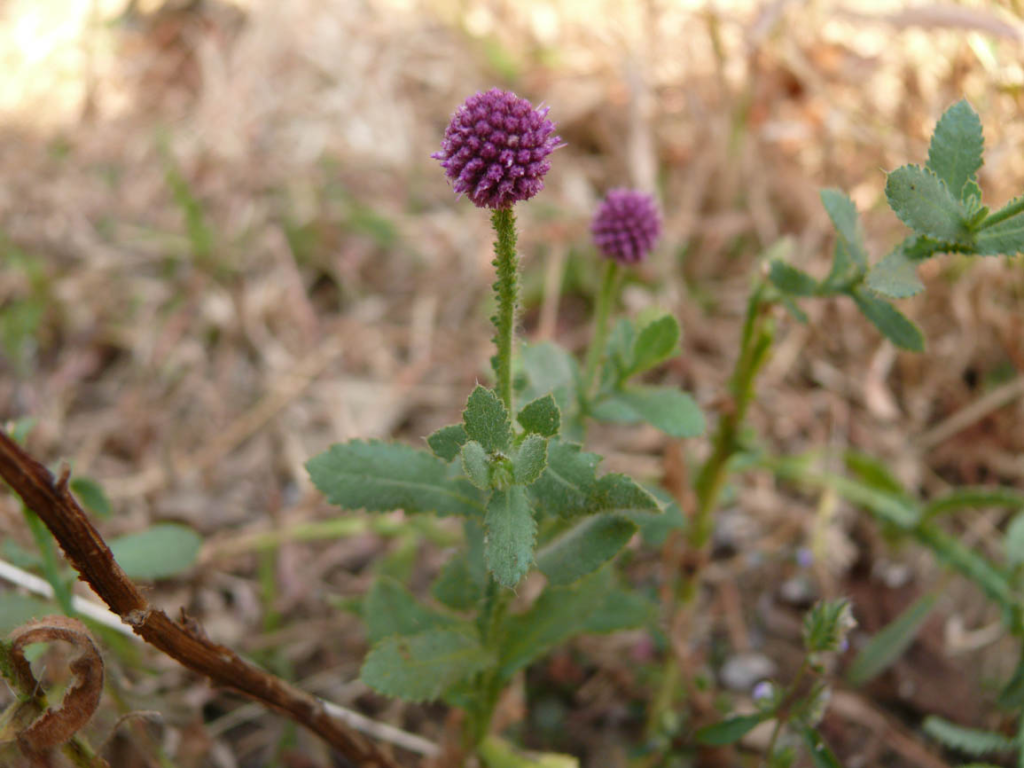
Mundi (Sphaeranthus indicus Linn.), commonly known as Gorakhmundi, is an aromatic annual herb belonging to the Asteraceae family. It is widely distributed throughout India and other tropical regions of Asia, particularly in moist and marshy habitats. The plant is well known for its distinctive spherical purple flower heads and medicinal properties.
To appreciate its medicinal value, it is essential to identify Gorakhmundi within both botanical and Ayurvedic classification.
Habit
Mundi is a small, erect or spreading annual herb that typically grows between 15 and 60 cm in height. The entire plant is aromatic and covered with fine hairs.
Root
The root system consists of slender, fibrous roots that are well-developed and branched. The roots help anchor the plant in moist soils and absorb nutrients efficiently.
Stem
The stem is cylindrical, branched, and slightly winged. It is green to purplish-green in color and may be either erect or decumbent. The stem surface is often hairy and aromatic.
Leaves
The leaves are simple, sessile, and arranged alternately along the stem. They are oblong-obovate to lanceolate in shape, measuring about 2–7 cm long. The leaf margins are toothed or serrated, and both surfaces are covered with fine hairs.
Inflorescence
The flowers are borne in dense, solitary, globose flower heads (capitula) located at the ends of branches. These flower heads are one of the most distinctive features of the plant.
Flowers
The individual flowers are small, tubular, and purple, pinkish-purple, or violet in color. Flowering usually occurs during the rainy and post-rainy seasons, generally from July to November.
Fruits
The fruit is a small, dry, one-seeded achene enclosed within the persistent floral bracts. The seeds are tiny, smooth, and capable of germinating under favorable conditions.
Distribution and Habitat
Mundi is commonly found throughout India, Sri Lanka, Nepal, Bangladesh, and Southeast Asia. It thrives in moist grasslands, rice fields, riverbanks, marshes, and other wet areas, especially during the monsoon season.
Diagnostic Characteristics
- Aromatic annual herb up to 60 cm tall.
- Branched and slightly winged stems.
- Simple, serrated, hairy leaves.
- Distinctive purple spherical flower heads.
- Commonly grows in moist and marshy habitats.
These botanical features make Mundi easy to identify and distinguish from other medicinal plants used in Ayurvedic medicine.
Ayurvedic Properties of Mundi (Sphaeranthus indicus)
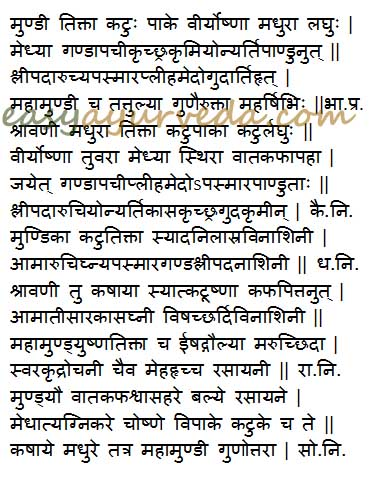
In Ayurveda, Mundi (Gorakhmundi) is highly valued for its ability to balance the doshas, purify the blood, support liver function, and promote mental well-being. Its unique combination of tastes, qualities, potency, and post-digestive effects makes it useful in a wide range of health conditions.
Ayurvedic Classification
| Ayurvedic Attribute | Description |
|---|---|
| Sanskrit Name | Mundi, Sravani |
| Botanical Name | Sphaeranthus indicus Linn. |
| Family | Asteraceae |
| Rasa (Taste) | Tikta (Bitter), Katu (Pungent) |
| Guna (Qualities) | Laghu (Light), Ruksha (Dry) |
| Virya (Potency) | Ushna (Hot) |
| Vipaka (Post-Digestive Effect) | Katu (Pungent) |
| Prabhava (Special Action) | Medhya (Supports intellect and mental clarity), Rasayana (Rejuvenative) |
| Dosha Effect | Pacifies Kapha and Vata; helps regulate aggravated Pitta |
Rasa (Taste)
Tikta (Bitter)
The bitter taste helps cleanse the body, purify the blood, support liver function, and remove accumulated toxins (Ama). It is particularly beneficial for skin health and metabolic balance.
Katu (Pungent)
The pungent taste stimulates digestion, improves circulation, and helps reduce excess Kapha accumulation in the body.
Guna (Qualities)
Laghu (Light)
Its light nature makes it easy to digest and helps improve metabolic activity without burdening the digestive system.
Ruksha (Dry)
The dry quality assists in reducing excessive moisture, mucus, and Kapha-related imbalances.
Virya (Potency)
Ushna (Hot)
Mundi possesses a warming potency that enhances digestion, supports circulation, and promotes the efficient breakdown of toxins.
Vipaka (Post-Digestive Effect)
Katu Vipaka
After digestion, Mundi produces a pungent metabolic effect that supports digestion, promotes detoxification, and helps maintain healthy bodily channels.
Effect on Doshas
Kapha Dosha
Mundi is especially effective in reducing excess Kapha due to its bitter, pungent, light, and drying qualities.
Vata Dosha
When used appropriately, it helps balance certain Vata disorders, particularly those affecting the nervous system.
Pitta Dosha
Although it possesses Ushna Virya (hot potency), its bitter taste helps moderate excessive Pitta when administered properly by an Ayurvedic practitioner.
Historical and Cultural Background
Gorakhmundi’s esteemed status is well-documented in classical Ayurvedic literature like the *Bhavaprakasha Nighantu*, where it is lauded as a *Rasayana* herb. Its name is often linked to the great sage Goraknath, suggesting its use by ancient yogis and ascetics to maintain health, vitality, and mental clarity during their spiritual practices.
Traditionally, the fresh juice of the plant was consumed to purify the blood, strengthen the nerves, and even improve eyesight. It was particularly valued for its action on glandular swellings and its ability to cleanse the lymphatic system, a property that makes it highly relevant in today’s world where detoxification is a key concern.
Therapeutic Benefits and Uses of Gorakhmundi
The rejuvenating and purifying actions of Gorakhmundi translate into a wide array of health benefits.
1. A Premier Rasayana (Rejuvenating Tonic)
As a *Rasayana*, Gorakhmundi helps nourish all the bodily tissues (*dhatus*), promoting vitality, strength, and longevity. It is believed to slow down the aging process by protecting the body from cellular damage and strengthening its innate healing capacity.
2. Powerful Blood Purifier & Skin Healer (*Kushtaghna*)
Among the most valued **Gorakhmundi benefits** is its ability to purify the blood (*Rakta Shodhaka*). It effectively removes deep-seated toxins that lead to chronic skin conditions like acne, boils, psoriasis, and eczema. Regular use helps promote a clear, healthy complexion from within.
3. Enhances Brain Function (*Medhya Rasayana*)
Gorakhmundi is also classified as a *Medhya* herb, meaning it is a tonic for the mind and nervous system. It helps to calm the nerves, reduce anxiety, and improve cognitive functions like memory and concentration, making it an excellent herb for mental clarity.
4. Supports Glandular and Lymphatic Health
This is a specific and unique action of Gorakhmundi. It is highly effective in reducing glandular swellings anywhere in the body, including goiter (enlarged thyroid), lymphadenopathy (swollen lymph nodes), and filariasis. It works by clearing lymphatic congestion and reducing inflammation.
5. Promotes Eye Health (*Chakshushya*)
Traditionally, Gorakhmundi is known to be beneficial for the eyes. Its nerve-toning and purifying properties help to strengthen the optic nerves and improve vision. It helps in reducing inflammation and irritation in conditions like conjunctivitis.
6. Effective against Intestinal Worms (*Krimighna*)
The bitter and pungent qualities of the herb make it a potent anthelmintic. It helps to create an environment in the gut that is inhospitable to intestinal parasites, aiding in their expulsion from the body.
7. Boosts Vitality and Vigor (*Vajikarana*)
As a rejuvenating herb, Gorakhmundi also possesses aphrodisiac properties. By cleansing the channels and nourishing the reproductive tissues (*Shukra Dhatu*), it helps to enhance strength, stamina, and overall vitality.
Dosage and Usage Guidelines
The dosage of Gorakhmundi should be tailored to an individual’s constitution and health needs, preferably under the guidance of a practitioner.
- Fresh Juice (Svarasa): 10-20 ml, once or twice daily.
- Powder (Churna): 1-3 grams, once or twice daily.
- Anupana (Vehicle): Honey is an excellent vehicle for carrying its properties to the deeper tissues. Warm water can also be used.
Vernacular Names
- Sanskrit: Mundi, Sravani
- Hindi: Gorakhmundi
- English: East Indian Globe Thistle
- Bengali: Mundi
- Gujarati: Gorakhmundi
- Marathi: Mundi
- Tamil: Kottakaranthai
- Telugu: Bodataramu
- Kannada: Mundi Hoovu
- Malayalam: Manni
Traditional Ayurvedic Uses
1. Supports Brain Health
Mundi is widely recognized as a Medhya Rasayana, meaning it promotes intellectual capacity and cognitive health. Traditional Ayurvedic practitioners use it to:
- Enhance memory and concentration
- Reduce mental fatigue
- Support nervous system function
- Promote emotional balance
2. Promotes Liver Function
The herb is valued for its hepatoprotective properties and is traditionally used to:
- Support liver detoxification
- Promote healthy bile secretion
- Maintain liver function
- Assist in cleansing accumulated toxins
3. Encourages Healthy Skin
Mundi has long been used in Ayurvedic skincare preparations due to its blood-purifying properties.
Traditional applications include:
- Supporting clear skin
- Managing itching and irritation
- Promoting healthy complexion
- Supporting wound healing
4. Aids Digestive Wellness
Its bitter and pungent qualities stimulate digestion and help maintain gastrointestinal health.
Benefits include:
- Supporting appetite
- Improving digestion
- Reducing bloating
- Promoting metabolic balance
5. Supports Respiratory Health
Ayurvedic practitioners traditionally recommend Mundi for respiratory comfort.
It may help:
- Maintain clear airways
- Reduce excess mucus
- Support lung function
- Promote respiratory wellness
6. Assists in Natural Detoxification
Mundi is considered a powerful detoxifying herb that helps eliminate accumulated Ama (toxins) from the body.
This action supports:
- Metabolic efficiency
- Healthy circulation
- Improved vitality
- General wellness
Phytochemical Constituents
Mundi contains numerous biologically active compounds, including:
- Sesquiterpene lactones
- Eudesmanolides
- Flavonoids
- Alkaloids
- Tannins
- Essential oils
- Glycosides
- Sterols
These compounds contribute to its antioxidant, anti-inflammatory, antimicrobial, and adaptogenic properties.
Modern Research and Scientific Evidence
Modern scientific inquiry is beginning to validate the wide-ranging benefits of Gorakhmundi. Studies on *Sphaeranthus indicus* have demonstrated significant anxiolytic (anti-anxiety) and neuroprotective properties, supporting its traditional use as a *Medhya* herb. Research has also confirmed its potent immunomodulatory effects, showing its ability to regulate the immune system. Furthermore, its anti-inflammatory and analgesic (pain-relieving) properties have been well-documented, providing a scientific basis for its use in treating swellings and inflammatory conditions.
Medicinal Uses
- Skin disease: The leaves of mundi
are dried in shade, powdered
and given in the dose of 3 grams
twice daily internally useful for
skin ailments as blood purifier.
- Body Heat: The powdered
flowers of mundi given in the
dose 1 gram with water twice
daily provides coolness to the
body and also acts as a tonic. - Worm Infestation: Consume
5gms of root powder of mundi
with jaggery twice daily for a
week is useful in expulsion of
intestinal worms. - Menorrhagia: Internal
Administration of 5gms of plant
paste of mundi with butter milk
twice daily beneficial in treating
bleeding piles and menorrhagia. - Joint pains: Internal administration
of 3gms of Mundi powder with
3gms of Dried ginger powder
with warm water twice daily
relieves arthritis (joint pains). - Headache: Internal administration
of 10ml of mundi juice with a
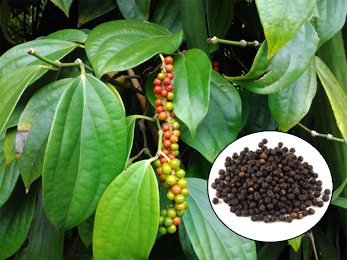
pinch of black pepper twice daily
alleviates hemicrania (a type of
headache) with in a week.
Conclusion
Mundi (Sphaeranthus indicus), popularly known as Gorakhmundi, is a remarkable Ayurvedic herb that has been valued for centuries for its wide-ranging health benefits and rejuvenating properties. Renowned for its ability to balance the doshas, support liver function, promote healthy digestion, enhance mental clarity, and nourish the skin, Mundi exemplifies the holistic healing principles of Ayurveda. Its natural detoxifying and restorative actions help the body maintain internal harmony while strengthening overall vitality and resilience.
The herb’s rich composition of bioactive compounds, including flavonoids, alkaloids, and essential oils, contributes to its antioxidant, anti-inflammatory, and protective effects. These qualities make Mundi a versatile botanical that supports multiple aspects of health, from immune function and respiratory wellness to cognitive performance and emotional balance. Its traditional use as a Rasayana further emphasizes its role in promoting longevity, strength, and overall well-being.
In today’s fast-paced world, where stress, environmental toxins, and lifestyle-related health concerns are increasingly common, Mundi offers a natural and time-tested solution for maintaining wellness. Whether used as a standalone herb or as part of a comprehensive Ayurvedic formulation, it continues to play an important role in holistic healthcare. By integrating Mundi into a balanced lifestyle under the guidance of a qualified practitioner, individuals can benefit from the wisdom of Ayurveda and take meaningful steps toward achieving lasting health, vitality, and inner balance.
