
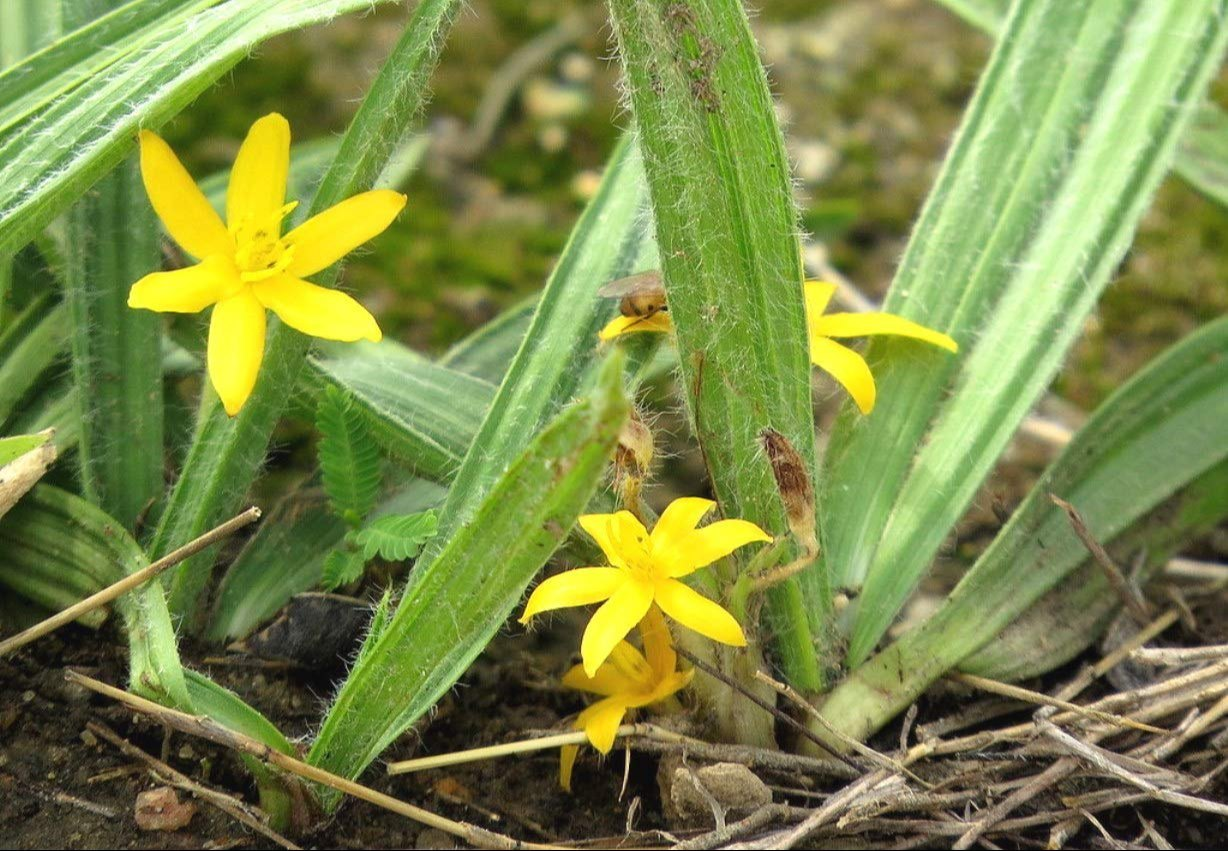
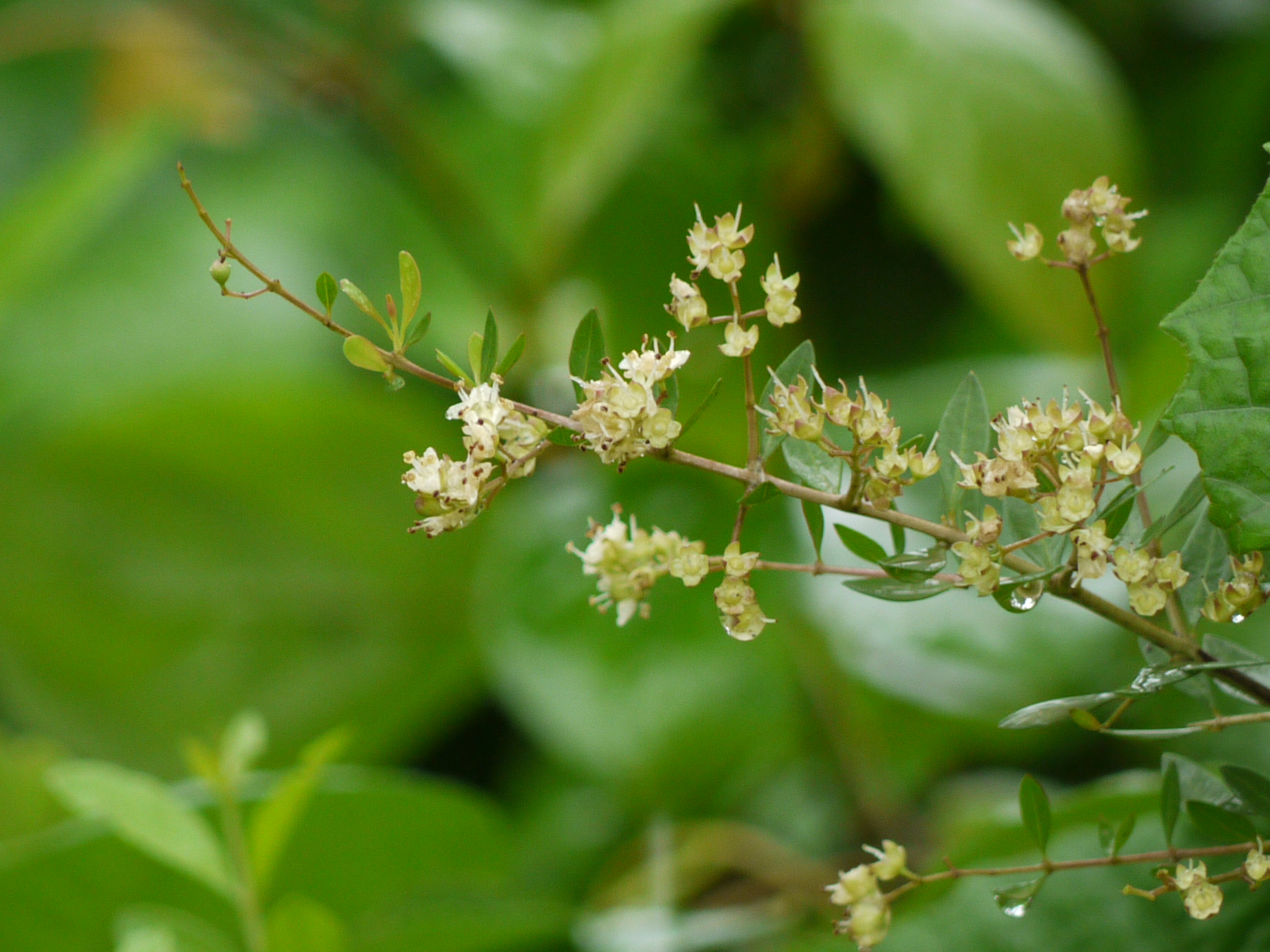

Rubia cordifolia,
Rubiaceae
Introduction
Manjishta is a highly valued herb in Ayurveda, known for its powerful blood-purifying and skin-enhancing properties. It has been used for centuries to improve skin health, detoxify the body, and support overall wellness. The root of the plant is mainly used for medicinal purposes.
Manjishta is a highly valued medicinal herb in Ayurveda, renowned for its powerful blood-purifying and skin-enhancing properties. It has been used for centuries in traditional medicine to detoxify the body, improve circulation, and promote healthy, radiant skin. The root of the plant is primarily used for its therapeutic benefits.
Rich in active compounds such as alizarin and purpurin, Manjishta provides strong antioxidant and anti-inflammatory effects. It helps cleanse the blood, remove toxins, and support the body’s natural detoxification process. This makes it especially beneficial for treating skin conditions like acne, pigmentation, and inflammation.
With its cooling nature and balancing effect on Pitta and Kapha doshas, Manjishta plays an important role in maintaining internal harmony and overall wellness. Its long-standing use and effectiveness make it a key herb in Ayurvedic healing practices.
Botanical Description
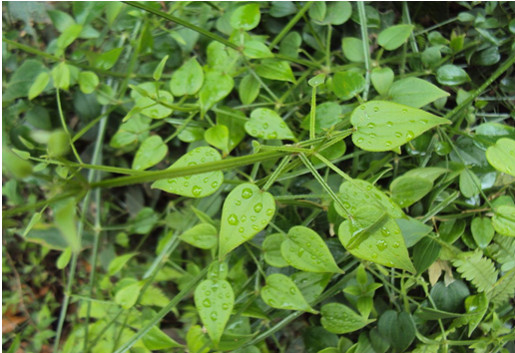
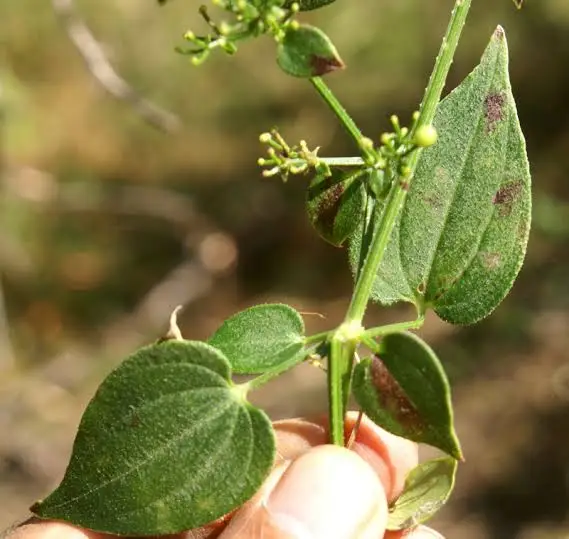
- Scientific Name: Rubia cordifolia
- Family: Rubiaceae
- Plant Type: Climbing herb
- Part Used: Root
- Taste: Bitter, astringent
- Nature: Cooling
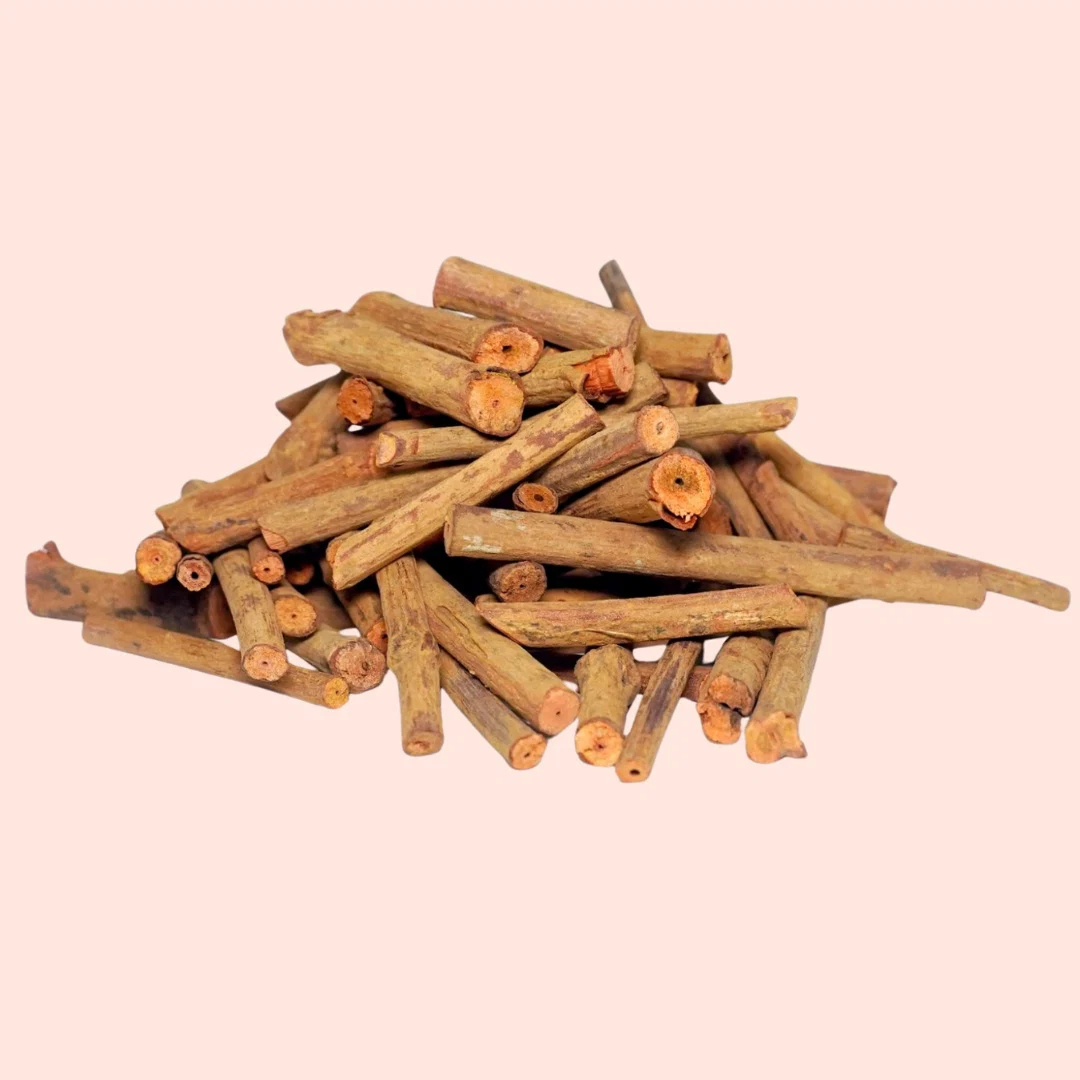
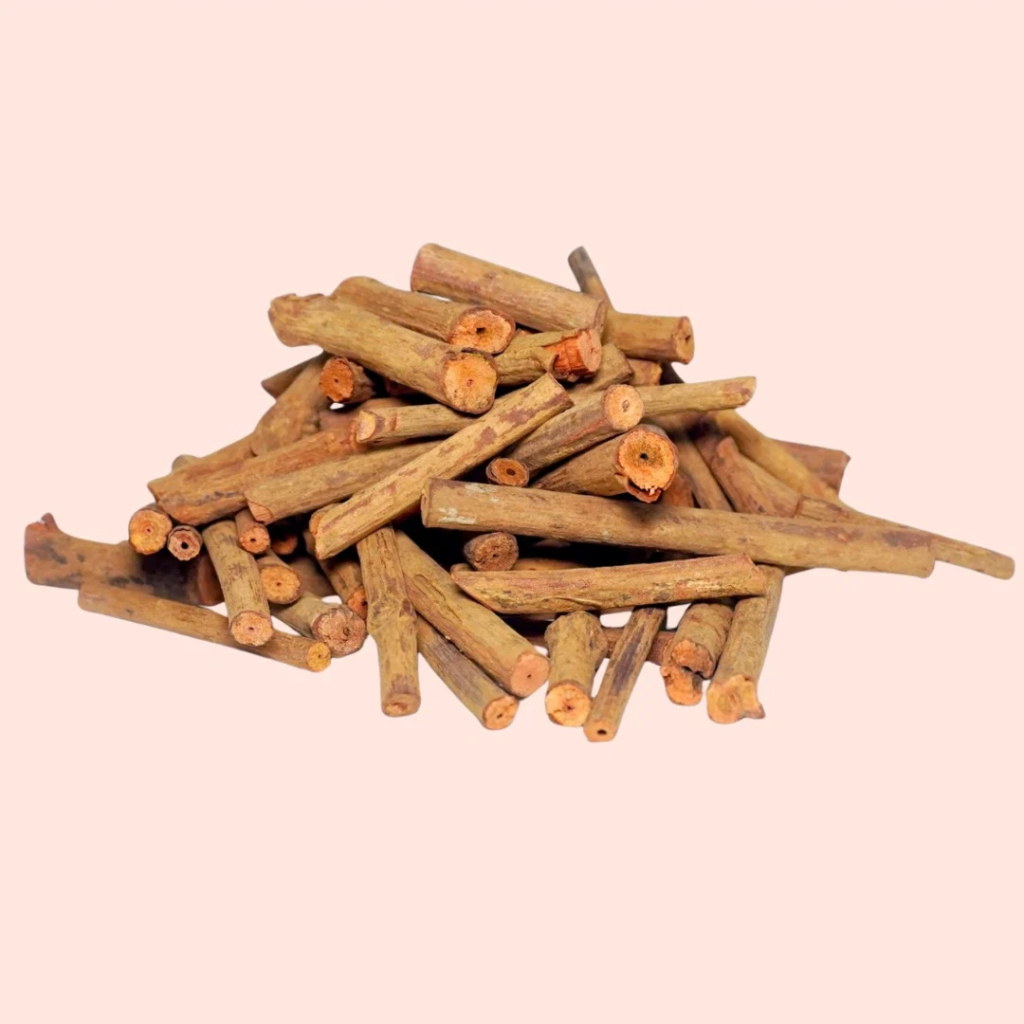
The roots of Manjishta are rich in active compounds and are widely used in Ayurvedic formulations.
Active Compounds
- Alizarin
- Purpurin
- Glycosides
These compounds provide antioxidant, anti-inflammatory, and detoxifying effects.
Ayurvedic Properties
- Rasa (Taste): Tikta (Bitter), Kashaya (Astringent), Madhura (Sweet)
- Guna (Quality): Guru (Heavy), Ruksha (Dry)
- Virya (Potency): Ushna (Hot)
- Vipaka: Katu (Pungent)
- Dosha Effect: Balances Pitta and Kapha
These properties make Manjishta highly effective in detoxifying blood, reducing inflammation, and improving skin health.
Chemical Constituents (Advanced)
Manjishta contains powerful bioactive compounds:
🔹 Key Compounds
- Anthraquinones (alizarin, purpurin)
- Glycosides
- Tannins
- Flavonoids
These compounds contribute to its:
- Antioxidant activity
- Anti-inflammatory effects
- Skin-healing properties
Pharmacological Actions
- Blood purifier (Rakta Shodhak)
- Anti-inflammatory
- Antimicrobial
- Antioxidant
- Skin rejuvenator
- Detoxifier
Health Benefits of Manjishta
🔹 1. Powerful Blood Purifier
Manjishta helps remove toxins from the bloodstream, improving overall health and preventing disease.
🔹 2. Enhances Skin Health
It is widely used for:
- Acne
- Eczema
- Psoriasis
- Pigmentation
Improves skin clarity and glow.
🔹 3. Reduces Inflammation
Helpful in inflammatory conditions affecting skin and joints.
🔹 4. Improves Complexion
Promotes even skin tone and natural radiance.
🔹 5. Supports Liver Function
Helps detoxify liver and improve metabolism.
🔹 6. Helps in Acne Treatment
By purifying blood and reducing bacteria, it helps control acne.
🔹 7. Improves Circulation
Enhances blood flow, which nourishes tissues and skin.
🔹 8. Supports Lymphatic System
Helps remove toxins through lymphatic drainage.
Therapeutic Applications (Advanced)
🔹 Skin Disorders
- Acne vulgaris
- Dermatitis
- Hyperpigmentation
🔹 Blood Disorders
- Toxin accumulation
- Poor circulation
🔹 Chronic Inflammation
- Skin inflammation
- Joint conditions
Methods of Use
- Powder (Churna): Taken with water or milk
- Decoction: Boiled in water
- Paste: Applied on skin
Modern Research
Studies on Rubia cordifolia show:
- Antioxidant effects
- Anti-inflammatory activity
- Skin protection
Mechanism of Action
Manjishta works by:
- Detoxifying blood
- Improving circulation
- Reducing inflammation
- Supporting liver function
Traditional & Cultural Importance
Used in Ayurveda for centuries as a beauty and detox herb.
Advanced Pharmacology of Manjishta
Rubia cordifolia is not just a “blood purifier”—it has multi-system pharmacological actions validated by modern research.
Core Pharmacological Effects
- Hepatoprotective: Protects and detoxifies the liver
- Anti-inflammatory: Reduces chronic inflammation
- Antioxidant: Neutralizes free radicals
- Anti-acne & antimicrobial: Controls skin bacteria
- Lymphatic stimulant: Supports toxin drainage
- Immunomodulatory: Helps regulate immune response
This explains why Manjishta works deeply on skin, blood, liver, and lymphatic system together.
Deep Chemical Composition (Expert Level)
🔹 Primary Bioactive Compounds
- Alizarin → Blood purification & dye compound
- Purpurin → Antioxidant & anti-inflammatory
- Munjistin → Skin healing activity
🔹 Secondary Compounds
- Triterpenoids
- Flavonoids
- Glycosides
- Tannins
These compounds act synergistically to provide detox + anti-inflammatory + skin-repair benefits.
Manjishta in Chronic Skin Disorders
🔹 1. Acne (Yuvana Pidika)
- Reduces bacteria
- Controls oil imbalance
- Clears toxins from blood
🔹 2. Hyperpigmentation
- Helps reduce melanin accumulation
- Improves uneven skin tone
🔹 3. Eczema & Dermatitis
- Reduces itching and inflammation
- Supports healing
🔹 4. Psoriasis (Supportive Use)
- Helps detoxify blood
- Reduces flare-ups
Advanced Ayurvedic Formulations
🔹 Manjisthadi Kwath
- Best for skin diseases
- Detoxifies blood
🔹 Manjishta + Neem
- Strong anti-acne combination
🔹 Manjishta + Turmeric
- Anti-inflammatory + glow
🔹 Manjishta + Sariva
- Deep blood purification
Precautions
- Use in proper dosage
- Avoid excessive use
- Consult a doctor if needed
Side Effects
- Rare when used properly
- Mild digestive discomfort (in excess)
Description of Manjishta (Manjishta)
Manjishta is a highly valued Ayurvedic herb known for its powerful blood-purifying and skin-enhancing properties. It is widely used in traditional medicine to detoxify the body, improve blood circulation, and promote clear, healthy skin.
The root of Manjishta contains active compounds such as alizarin and purpurin, which provide strong antioxidant and anti-inflammatory effects. These properties help remove toxins from the blood, reduce skin inflammation, and support the body’s natural healing process.
Manjishta is especially beneficial for treating skin problems like acne, pigmentation, and blemishes. It also supports liver function and overall detoxification, contributing to better internal balance.
Due to its cooling nature, Manjishta helps balance Pitta and Kapha doshas and promotes overall wellness. With its wide range of benefits and long history of use, Manjishta remains an important natural remedy for maintaining healthy skin and overall well-being.
Uses
Rubia cordifolia was the source of an economically important red pigment in many regions of Asia, Europe and Africa. It was extensively cultivated from antiquity until the mid-nineteenth century. The plant’s roots contain an anthraquinone called purpurin (1,2,4-Trihydroxyanthraquinone) that gives it its red colour when used as a textile dye. It was also used as a colourant, especially for paint, that is referred to as Madder lake. The substance was also derived from other species; Rubia tinctorum, also widely cultivated, and the Asiatic species Rubia argyi (H. Léveillé & Vaniot) H. Hara ex Lauener [synonym = Rubia akane Nakai, based on the Japanese Aka The invention of a synthesized duplicate, an anthracene compound called alizarin, greatly reduced demand for the natural derivative.
The roots of Rubia cordifolia are also the source of a medicine used in Ayurveda; this is commonly known in Ayurvedic Sanskrit as Manjistha (or Manjista or Manjishta) and the commercial product in Hindi as Manjith.
It is known as btsod (Tibetan: Wylie: btsod, THL: tsö) in Traditional Tibetan Medicine where it is used to treat blood disorders; spread heat (Tibetan: Wylie: ‘grams tshad, THL: dram tshe), excess heat in the lungs, kidneys, and intestines; reduce swelling; and is a component of the three reds (Tibetan: Wylie: dmar gsum, THL: mar sum), a subcompound included in many Tibetan preparations in order to remove excess heat in the blood.
Conclusion
Manjishta is a powerful Ayurvedic herb known for its blood-purifying and skin-enhancing properties. It supports detoxification, improves skin health, and promotes overall wellness. When used properly, it is a safe and effective natural remedy.
Manjishta is a powerful Ayurvedic herb widely known for its blood-purifying and skin-enhancing properties. It plays an important role in detoxifying the body, improving circulation, and promoting clear, healthy skin. Its natural anti-inflammatory and antioxidant effects help reduce skin issues and support overall well-being.
With its cooling nature, Manjishta helps balance Pitta and Kapha doshas and maintains internal harmony. Its long history of use in traditional medicine highlights its effectiveness as a natural remedy.
Overall, Manjishta stands out as a valuable herb that supports detoxification, enhances skin health, and contributes to long-term wellness when used properly.
