


Curculigo orchioides, Amaryllidaceae
Introduction
Krishna Musali is a well-known medicinal herb in Ayurveda, valued for its powerful rejuvenating and aphrodisiac properties. It has been used for centuries to improve strength, vitality, and reproductive health. The root (rhizome) of the plant is mainly used for medicinal purposes.
Krishna Musali, also known as Kali Musli, is a highly esteemed herb in Ayurveda, renowned for its potent rejuvenating (Rasayana) and aphrodisiac properties. Native to India and other parts of Asia, it has been traditionally used for centuries to enhance physical strength, improve vitality, and support reproductive health. The rhizome (root) of the plant is the primary part used for its powerful therapeutic benefits.
This herb is rich in bioactive compounds such as saponins, alkaloids, and glycosides, which help boost energy levels, strengthen immunity, and improve overall endurance. Krishna Musali is especially valued for its ability to combat fatigue, enhance stamina, and promote hormonal balance, making it beneficial for both men and women.
In Ayurvedic practice, Krishna Musali is considered a natural tonic that nourishes body tissues, supports longevity, and enhances overall wellness. It is often used in formulations aimed at improving sexual health, increasing strength, and restoring energy in weakened individuals.
With its long history of traditional use and wide range of health benefits, Krishna Musali continues to be an important herbal remedy for promoting vitality, resilience, and a balanced, healthy lifestyle.
Botanical Description
Krishna Musali, commonly known as Talamuli, is botanically identified as Curculigo orchioides. It is a small, perennial, tuberous herb widely distributed in tropical and subtropical regions of India. The plant is especially valued for its underground rhizome, which holds significant medicinal importance in Ayurveda.
- Scientific Name: Curculigo orchioides
- Family: Hypoxidaceae
- Plant Type: Perennial herb
- Part Used: Rhizome (root)
- Taste: Bitter and slightly sweet
- Nature: Warming
General Habit
Krishna Musali is a low-growing herbaceous plant that typically reaches a height of 30–60 cm. It grows close to the ground and is well adapted to forest environments, often found in shaded and moist areas.
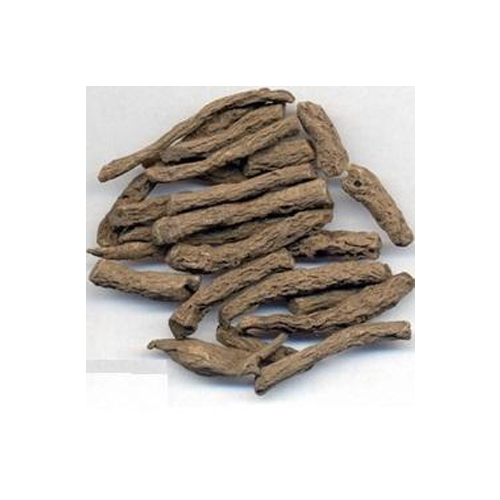
🔸 Rhizome (Primary Medicinal Part)
- Cylindrical, elongated, and slightly curved
- Dark brown to black outer surface
- Yellowish-white interior
- Fleshy, fibrous, and slightly mucilaginous
- Strong medicinal potency
The rhizome is the main part used in Ayurvedic formulations, known for its rejuvenating properties.
🔸 Roots
- Fibrous roots arise from the rhizome
- Help in anchoring the plant in loose soil
- Assist in nutrient absorption
🔸 Leaves
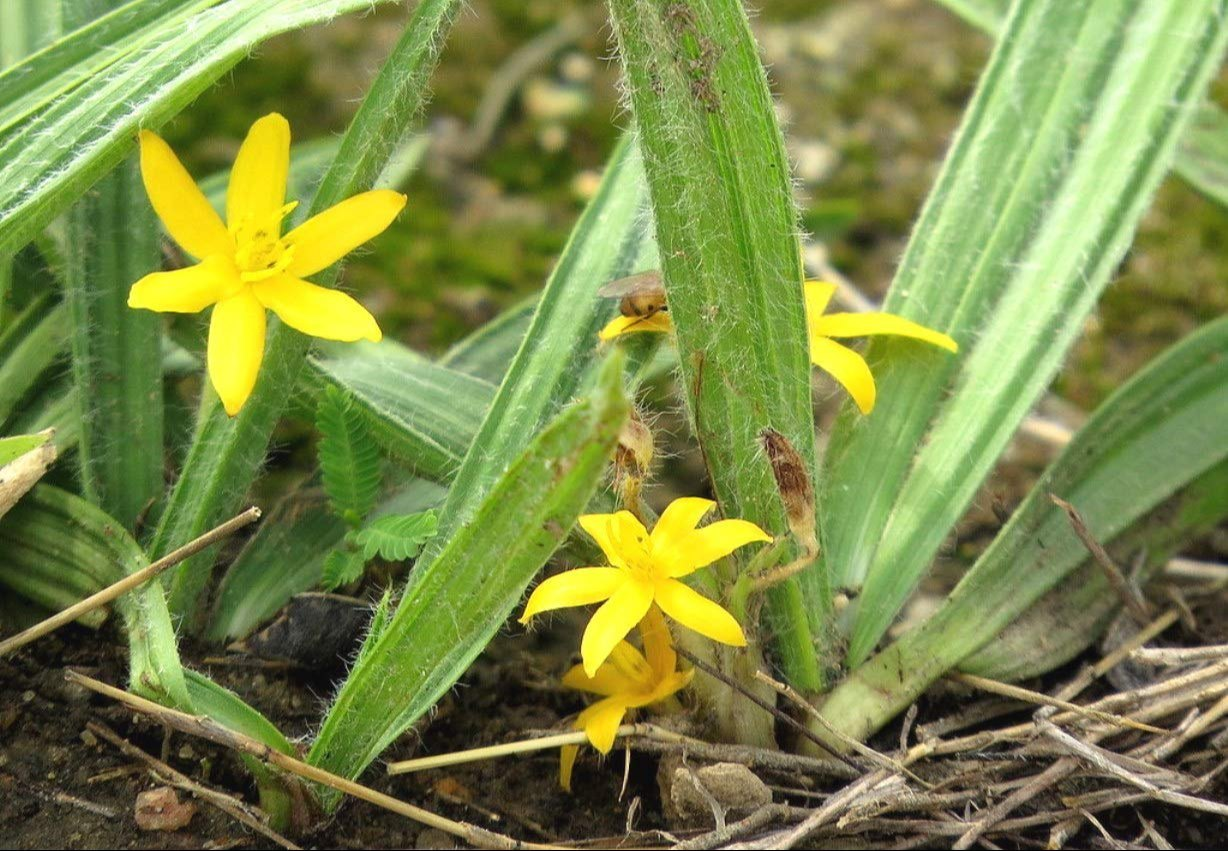
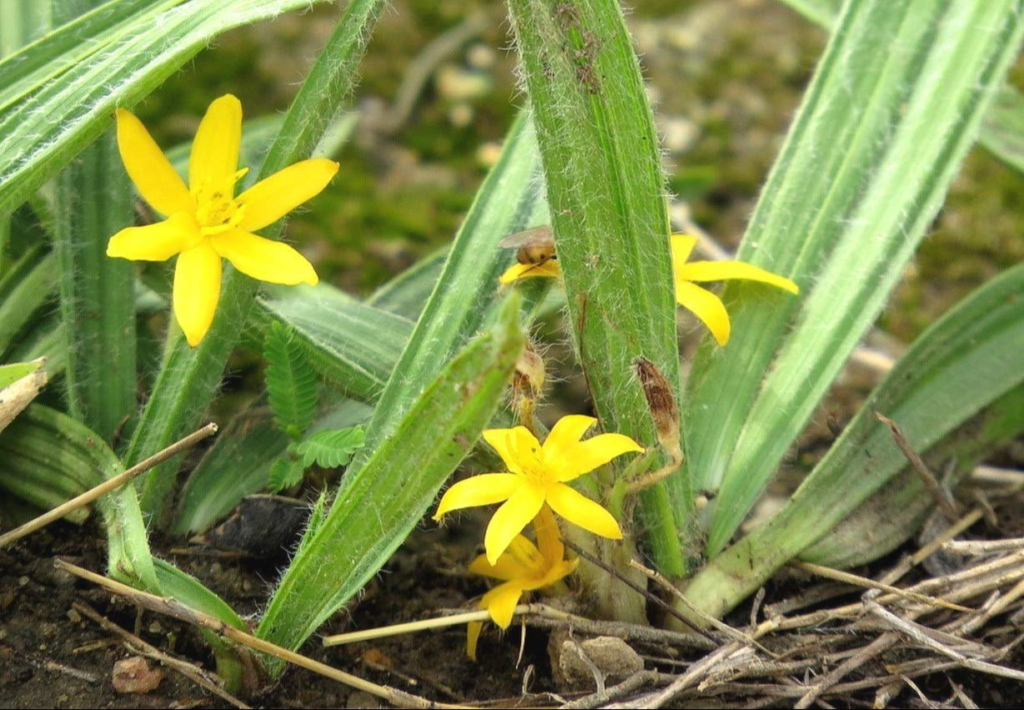
- Long, narrow, and grass-like (linear-lanceolate)
- Bright green with parallel venation
- Smooth or slightly rough surface
- Arranged in a rosette pattern at the base
Leaves resemble grass but are thicker and more robust.
🔸 Flowers
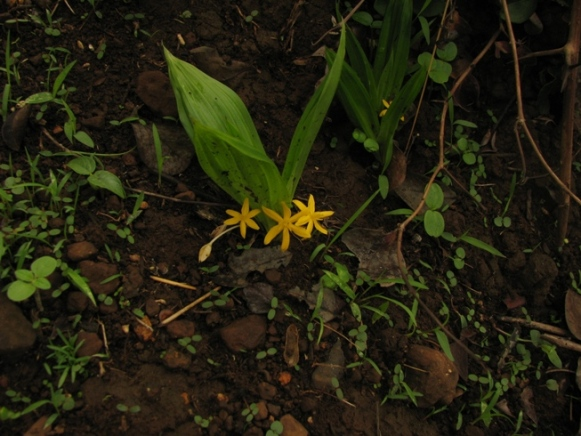
- Small, bright yellow flowers
- Bloom close to the ground (often hidden among leaves)
- Typically appear during rainy season
- Short-lived but recurrent blooming
🔸 Fruits & Seeds
- Small capsule-like fruits
- Contain tiny seeds
- Seeds are less commonly used medicinally
Habitat & Distribution
Krishna Musali is commonly found in:
- India (especially forest regions)
- Nepal
- Sri Lanka
- Southeast Asia
It grows best in:
- Moist, shaded environments
- Forest floors
- Well-drained soil rich in organic matter
Growth Conditions
- Soil: Loamy, fertile, well-drained
- Water: Moderate moisture required
- Sunlight: Partial shade preferred
- Temperature: Warm tropical climate
The plant thrives in humid and shaded conditions, unlike many sun-loving herbs.
Cultivation Cycle
- Propagation: Rhizome division or seeds
- Planting Season: Monsoon
- Growth Period: 8–10 months
- Harvesting: When rhizomes mature and thicken
Special Botanical Features
- Shade-loving herb
- Strong underground rhizome system
- High medicinal compound concentration in roots
- Regenerates easily through rhizomes
Identification in Nature
Krishna Musali can be identified by:
- Grass-like leaves in clusters
- Yellow ground-level flowers
- Dark-colored underground rhizome
Summary
Krishna Musali (Curculigo orchioides) is a compact, perennial herb with a powerful medicinal rhizome. Its ability to grow in shaded, forested environments and its rich phytochemical content make it a valuable plant in Ayurvedic medicine. The underground rhizome, in particular, is prized for its rejuvenating and strength-enhancing properties.
Traditional Uses
1. Reproductive Health
Krishna Musali is widely used to:
- Improve sexual health
- Increase stamina and vitality
- Support fertility
2. Energy and Strength
It helps:
- Boost physical strength
- Reduce weakness and fatigue
3. Aphrodisiac Properties
Traditionally used to:
- Enhance libido
- Improve performance
4. Immune Support
It helps:
- Strengthen immunity
- Improve overall resistance
5. Anti-aging Effects
It supports:
- Rejuvenation
- Longevity
Ayurvedic Formulations
Used in:
- Musali Pak
- Rasayana formulations
- Energy tonics
Ayurvedic Properties
Krishna Musali (Talamuli), scientifically known as Curculigo orchioides, is highly valued in Ayurveda for its rejuvenating (Rasayana), strengthening (Balya), and aphrodisiac (Vrishya) properties. Its unique combination of qualities makes it especially beneficial for enhancing energy, vitality, and reproductive health.
- Rasa (Taste): Madhura (Sweet), Tikta (Bitter)
- Guna (Quality): Guru (Heavy), Snigdha (Unctuous)
- Virya (Potency): Ushna (Hot)
- Vipaka: Madhura (Sweet)
- Dosha Effect: Balances Vata and Kapha
These properties make it ideal for strengthening tissues and enhancing vitality.
🔹 Rasa (Taste)
- Madhura (Sweet)
- Tikta (Bitter)
The sweet taste nourishes body tissues (Dhatus), while the bitter taste helps in mild detoxification and balancing internal systems.
🔹 Guna (Qualities)
- Guru (Heavy)
- Snigdha (Unctuous/Oily)
These qualities provide deep nourishment, promote strength, and help rebuild weakened tissues, especially reproductive tissues (Shukra Dhatu).
🔹 Virya (Potency)
- Ushna (Hot potency)
The heating nature stimulates metabolism, improves circulation, and enhances vitality. It also helps counter coldness and sluggishness associated with Vata and Kapha.
🔹 Vipaka (Post-digestive Effect)
- Madhura (Sweet post-digestive effect)
This supports long-term nourishment, tissue regeneration, and stability in the body.
🔹 Dosha Effect (Doshic Action)
- Balances Vata and Kapha
- May increase Pitta if used excessively
Particularly useful in:
- Weakness (Vata imbalance)
- Low energy and sluggish metabolism (Kapha imbalance)
Functional Ayurvedic Actions
Krishna Musali is described in Ayurveda with several important functional properties:
🔹 Rasayana (Rejuvenative)
- Promotes longevity
- Improves vitality (Ojas)
- Supports overall health
🔹 Vrishya (Aphrodisiac)
- Enhances libido
- Improves reproductive strength
- Supports fertility
🔹 Balya (Strengthening)
- Increases physical strength
- Improves stamina and endurance
🔹 Brimhana (Nourishing)
- Builds body tissues
- Helps in recovery from weakness
🔹 Medhya (Supports Mind)
- Improves mental clarity
- Reduces stress and fatigue
Chemical Constituents (Advanced)
Krishna Musali contains several bioactive compounds:
🔹 Key Compounds
- Saponins → Aphrodisiac and adaptogenic effects
- Alkaloids → Support nervous system
- Flavonoids → Antioxidant activity
🔹 Other Compounds
- Glycosides
- Sterols
- Polysaccharides
These compounds contribute to its energy-boosting and reproductive benefits.
Pharmacological Actions
- Adaptogen: Helps body cope with stress
- Aphrodisiac (Vrishya): Enhances libido and reproductive health
- Energy booster: Improves stamina
- Antioxidant: Protects cells
- Immunomodulator: Supports immunity
- Anti-fatigue: Reduces weakness
Health Benefits of Krishna Musali
🔹 1. Enhances Energy & Stamina
- Improves physical strength
- Reduces fatigue
- Boosts endurance
🔹 2. Supports Male Reproductive Health
- Improves sperm quality
- Enhances libido
- Supports hormonal balance
🔹 3. Supports Female Reproductive Health
- Helps in hormonal balance
- Supports fertility
- Improves overall vitality
🔹 4. Natural Aphrodisiac
Krishna Musali is widely used as a natural sexual tonic.
🔹 5. Strengthens Immune System
- Enhances body resistance
- Protects against infections
🔹 6. Anti-Stress & Adaptogenic
- Helps manage stress
- Improves mental clarity
🔹 7. Improves Bone & Muscle Strength
- Supports tissue nourishment
- Enhances recovery
Therapeutic Applications (Advanced)
🔹 Klaibya (Sexual Weakness)
- Improves reproductive strength
🔹 Dhatukshaya (Tissue Depletion)
- Restores body tissues
🔹 General Weakness
- Improves overall vitality
Methods of Use
- Powder (Churna): Taken with milk
- Capsules: Modern supplement form
- Herbal Formulations: Combined with other herbs
Modern Research
Studies on Curculigo orchioides show:
- Aphrodisiac activity
- Antioxidant effects
- Anti-fatigue properties
Mechanism of Action
Krishna Musali works by:
- Enhancing hormone balance
- Improving blood circulation
- Supporting energy metabolism
- Nourishing tissues
Precautions
- Use in proper dosage
- Avoid excessive use
- Consult a doctor if needed
Side Effects
- Rare when used properly
- Mild digestive discomfort (in excess)
Traditional Importance
Used in Ayurveda as a strength and vitality enhancer.
Comparison with Similar Herbs
| Herb | Benefit | Strength |
|---|---|---|
| Krishna Musali | Energy + reproductive | Strong |
| Ashwagandha | Stress relief | Strong |
| Shatavari | Female health | Moderate |
Vernacular names
- Hindi: Kali Musli, Musli Kand, Syahoo Musali
- Sanskrit: Talamuli, Talamulika, Talapatri, Deerghakandika
- Tamil: Nilappana, Nilappanaikkilanku, Tharaippanai
- Telugu: Nelatatygadda, Nallatadi, Pilli tega, Sukka dumpa
- Malayalam: Nilappana, Nelpana, Tannir Vettang
- Marathi: Kajuri, Safed Musali (sometimes confused)
- Bengali: Talamuli, Dholi Musali
- Oriya: Talamuli, Talamulika, Muha Kand
- English: Yellow Groundstar, Black Musale
Conclusion
Krishna Musali is a powerful Ayurvedic herb known for enhancing strength, vitality, and reproductive health. Its rejuvenating properties make it an important natural remedy for overall wellness. When used properly, it supports long-term health and vitality.
Krishna Musali is a highly valued Ayurvedic herb known for its powerful rejuvenating (Rasayana) and strengthening properties. It plays a significant role in enhancing physical strength, stamina, and overall vitality. Traditionally, it is widely used to support reproductive health, improve libido, and maintain hormonal balance in both men and women.
Its active compounds, including saponins and alkaloids, contribute to improved energy levels, better immune function, and increased endurance. Regular and proper use of Krishna Musali helps reduce fatigue, weakness, and stress, making it beneficial for individuals with low energy or recovering from illness.
In Ayurveda, Krishna Musali is also considered useful for promoting longevity and slowing down the aging process due to its nourishing and restorative effects on body tissues. It supports overall balance by strengthening the body’s natural defense system and improving internal harmony.
However, like all potent herbs, it should be used in the correct dosage and preferably under expert guidance to ensure safety and effectiveness.
Overall, Krishna Musali stands out as a powerful natural tonic that enhances vitality, supports reproductive health, boosts immunity, and promotes long-term wellness, making it an important herb for maintaining a healthy and energetic lifestyle.
Also Read:
