


Dolichos biflorus, Fabaceae
Introduction
Kuluttha, commonly known as Horse Gram, is a highly valued legume in Ayurveda known for its strong medicinal and nutritional properties. It has been used for centuries to support weight management, improve digestion, and help in the treatment of kidney stones. It is especially beneficial due to its warming and detoxifying nature.
Kuluttha, commonly known as Horse Gram, is a highly valued legume in Ayurveda known for its strong medicinal and nutritional properties. It has been used for centuries in traditional medicine to support digestion, promote weight management, and help in the treatment of kidney stones.
Rich in proteins, dietary fiber, and essential minerals, Kuluttha helps improve metabolism, detoxify the body, and strengthen overall health. It is especially beneficial for reducing excess fat, clearing toxins, and supporting urinary and digestive systems.
Due to its warming nature, Kuluttha is particularly effective in balancing Kapha and Vata doshas. With its wide range of health benefits and traditional importance, it continues to be an important natural remedy for promoting strength, balance, and overall well-being.
Botanical Description
Kuluttha, scientifically known as Macrotyloma uniflorum, is a hardy and drought-resistant leguminous plant that has been cultivated in India for centuries. It belongs to the Fabaceae family, which includes many nutritionally rich pulses and medicinal legumes.
- Scientific Name: Macrotyloma uniflorum
- Family: Fabaceae
- Plant Type: Annual legume
- Part Used: Seeds
- Taste: Astringent, slightly bitter
- Nature: Heating
Kuluttha is widely cultivated in India and thrives in dry and semi-arid regions.
Plant Morphology
Kuluttha is a low-growing, twining or trailing herbaceous plant that adapts well to harsh environmental conditions.
🔸 Stem
- Slender, branched, and slightly hairy
- Creeping or climbing in nature
- Can spread across the ground or climb on support
🔸 Leaves
- Trifoliate (three leaflets per leaf)
- Leaflets are oval to elliptical in shape
- Green, slightly rough texture
- Help in efficient photosynthesis even in dry climates
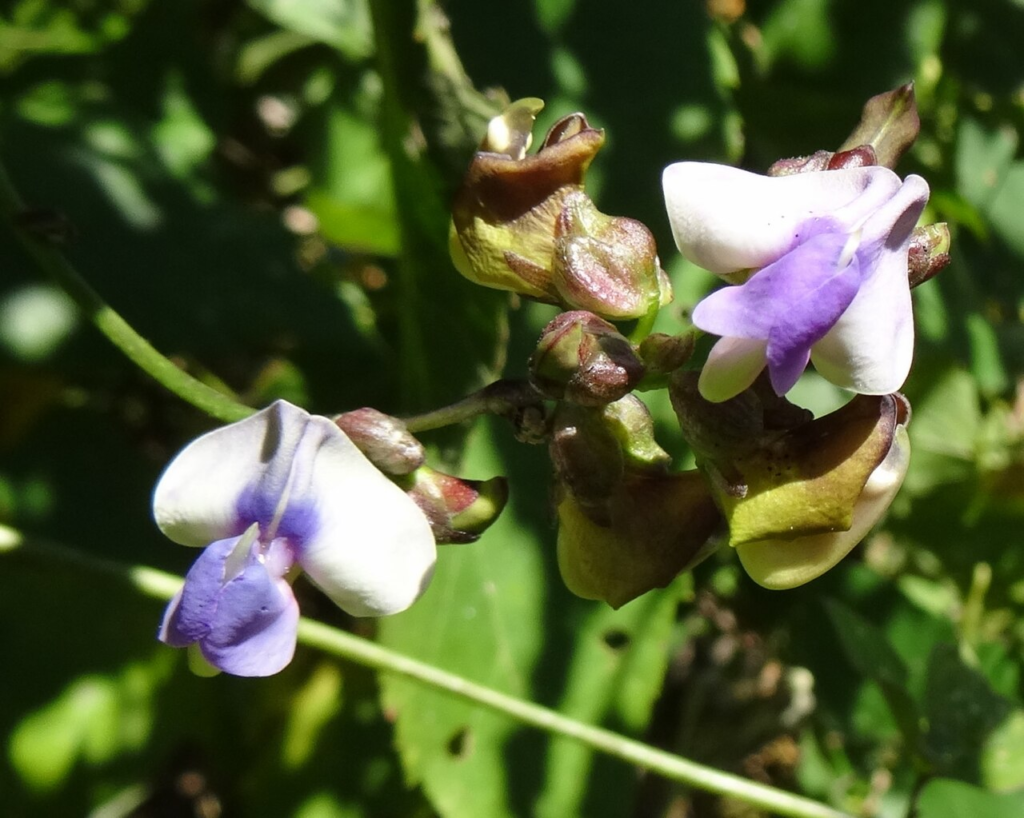
🔸 Flowers
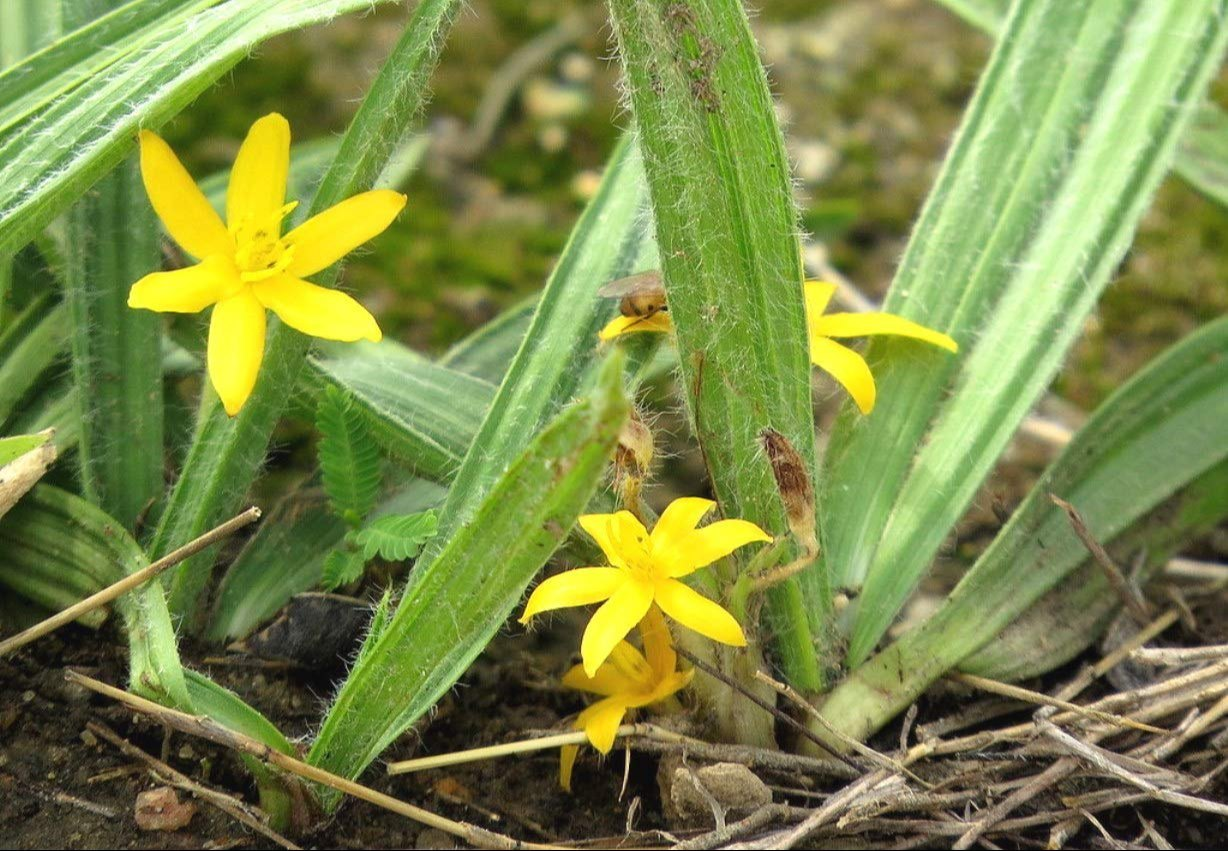
- Small and delicate
- Yellow to pale green in color
- Typically bloom in clusters
- Self-pollinating in most cases
🔸 Fruits (Pods)
- Narrow, elongated pods
- Contain multiple seeds
- Turn brown when mature
- Dry pods split open to release seeds
🔸 Seeds
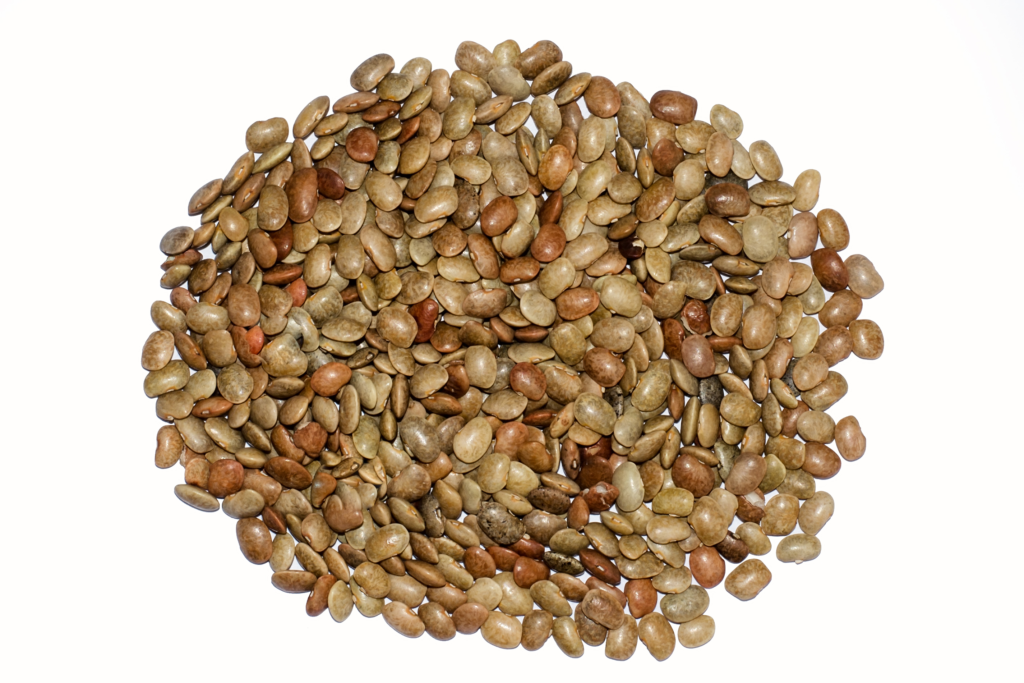
- Small, oval, and hard
- Brown, reddish, or dark-colored
- Smooth and shiny surface
- Highly nutritious and medicinal
These seeds are the main part used in Ayurveda for therapeutic and dietary purposes.
Habitat & Distribution
Kuluttha is widely grown in:
- India (especially South and Central regions)
- Nepal
- Sri Lanka
- Parts of Africa
It thrives in:
- Dry and semi-arid climates
- Poor and rocky soils
- Low rainfall conditions
This makes it one of the most climate-resilient crops.
Growth Conditions
Kuluttha is known for its low maintenance and high adaptability:
- Soil: Sandy, loamy, or poor soil
- Water Requirement: Minimal
- Sunlight: Full sunlight preferred
- Temperature: Warm climates
It can grow where many other crops fail.
Cultivation Cycle
- Sowing Season: Monsoon (June–July)
- Harvesting Time: 3–4 months after sowing
- Yield: Moderate but stable even in tough conditions
Ecological Importance
Kuluttha plays an important role in sustainable agriculture:
- Fixes nitrogen in soil
- Improves soil fertility
- Prevents soil erosion
- Supports low-input farming
It is considered an eco-friendly and sustainable crop.
Special Botanical Features
- Highly drought-tolerant
- Resistant to pests and diseases
- Long storage life of seeds
- Adaptable to harsh climates
Traditional Identification
In traditional farming communities, Kuluttha is identified by:
- Its creeping growth habit
- Small trifoliate leaves
- Hard, dark-colored seeds
Nutritional & Chemical Composition (Detailed)
Kuluttha, scientifically known as Macrotyloma uniflorum, is not just a traditional Ayurvedic remedy but also a nutrient-dense functional food. Its unique composition supports both therapeutic healing and daily nutrition, especially for metabolic and urinary disorders.
🔹 Macronutrients (In-Depth)
Protein (High Quality Plant Protein)
Kuluttha contains 20–25% protein, making it one of the richest plant-based protein sources among pulses.
- Rich in essential amino acids like:
- Lysine
- Leucine
- Valine
- Supports:
- Muscle repair
- Enzyme production
- Hormonal balance
Especially beneficial for vegetarians and weight management diets.
Complex Carbohydrates
- Provides slow-digesting carbohydrates
- Releases energy gradually
- Helps maintain stable blood sugar levels
Ideal for:
- Diabetic individuals
- Long-lasting energy without spikes
Dietary Fiber
Kuluttha is rich in both soluble and insoluble fiber:
- Improves digestion
- Prevents constipation
- Supports gut microbiome
- Helps reduce cholesterol
Fiber also plays a key role in weight loss and detoxification.
Micronutrients (Mineral Profile)
Iron
- Essential for hemoglobin formation
- Prevents anemia
- Improves oxygen transport
Supports energy and vitality.
Calcium
- Strengthens bones and teeth
- Supports muscle contraction
- Helps in nerve function
Phosphorus
- Works with calcium for bone health
- Important for energy metabolism (ATP production)
Additional Trace Minerals
Kuluttha also contains:
- Potassium → regulates blood pressure
- Magnesium → supports muscle and nerve health
- Zinc → boosts immunity and skin health
🔹 Bioactive Compounds (Advanced)
Kuluttha is rich in functional phytochemicals that provide medicinal benefits:
Polyphenols
- Strong antioxidant activity
- Reduce oxidative stress
- Protect against chronic diseases
Flavonoids
- Anti-inflammatory
- Cardioprotective
- Support immune system
Antioxidants
- Neutralize free radicals
- Prevent cellular damage
- Slow aging processes
Advanced Phytochemical Profile
Kuluttha also contains:
- Tannins → Astringent, supports detox
- Saponins → Help reduce cholesterol
- Phytic acid (in moderate levels) → Has antioxidant properties
- Enzyme inhibitors (reduced by soaking/cooking)
Proper preparation improves nutrient absorption.
Functional Nutritional Benefits
The combination of nutrients gives Kuluttha multi-dimensional health effects:
🔹 For Kidney Stones
- Diuretic minerals help flush toxins
- Compounds assist in breaking stone formation
🔹 For Weight Loss
- High fiber → satiety
- Protein → fat metabolism
- Low fat content → supports calorie control
🔹 For Metabolic Health
- Stabilizes blood sugar
- Improves insulin sensitivity
- Reduces fat accumulation
🔹 For Digestive Health
- Enhances gut function
- Supports beneficial bacteria
Nutritional Value (Approx per 100g)
| Nutrient | Amount |
|---|---|
| Protein | 20–25 g |
| Carbohydrates | 55–60 g |
| Fiber | 5–12 g |
| Fat | 0.5–1.5 g |
| Iron | High |
| Calcium | Moderate |
| Energy | ~320 kcal |
Values may vary based on variety and processing.
Bioavailability & Preparation (Important)
Kuluttha’s nutrients become more effective with proper preparation:
🔹 Soaking
- Reduces anti-nutrients
- Improves digestion
🔹 Cooking
- Enhances protein availability
- Softens fiber
🔹 Sprouting
- Increases vitamin content
- Improves absorption
Comparison with Other Pulses
| Pulse | Protein | Fiber | Special Benefit |
|---|---|---|---|
| Kuluttha | High | High | Kidney stones + weight loss |
| Lentils | Moderate | Moderate | General nutrition |
| Chickpeas | High | Moderate | Energy |
| Green gram | Light | Moderate | Easy digestion |
Active Compounds
- Proteins
- Dietary fiber
- Iron and calcium
- Polyphenols
These nutrients contribute to its detoxifying and strengthening effects.
Traditional Uses
1. Kidney Stone Support
Kuluttha is widely used to:
- Help break kidney stones
- Support urinary health
2. Weight Management
It helps:
- Reduce body fat
- Improve metabolism
3. Digestive Health
Traditionally used to:
- Improve digestion
- Relieve constipation
4. Respiratory Health
It helps:
- Reduce cough and cold
- Clear congestion
5. Joint Health
It may help:
- Reduce joint pain
- Support mobility
Ayurvedic Properties
- Rasa (Taste): Katu (Pungent), Kashaya (Astringent)
- Guna (Quality): Laghu (Light), Ruksha (Dry)
- Virya (Potency): Ushna (Hot)
- Vipaka: Katu (Pungent)
- Dosha Effect: Reduces Kapha, may increase Pitta and Vata if overused
These properties make Kuluttha ideal for breaking down stones, reducing fat, and improving metabolism.
Methods of Use
- Cooked Food: Used in soups and dishes
- Decoction: Boiled in water
- Powder: Taken with warm water
Precautions
- Avoid excessive use
- Not suitable for people with high Pitta
- Use in moderation
Side Effects
- Heat in the body (in excess)
- Digestive discomfort (rare)
Description of Kuluttha (Kuluttha)
Kuluttha, commonly known as Horse Gram, is a highly nutritious legume widely used in Ayurveda for its powerful health benefits. It is known for its strong detoxifying, digestive, and fat-reducing properties, making it an important part of traditional diets and natural healing practices.
Rich in protein, dietary fiber, iron, and antioxidants, Kuluttha helps improve metabolism, support digestion, and promote overall body strength. It is especially valued for its role in managing kidney stones, reducing excess body fat, and cleansing the body of toxins.
Due to its warming nature, Kuluttha is particularly effective in balancing Kapha and Vata doshas. It also supports respiratory health and helps improve energy levels.
With its wide range of nutritional and medicinal benefits, Kuluttha remains a valuable natural food for promoting overall health, balance, and long-term wellness.
Vernacular names
English : Horsegram, Cowpea
Hindi : Kulathi
Telugu : Ulavalu
Kannada : Huruli
Bengali : Kurtikalai,
Malayalam : Muthiva,
Muthera : Marathi: Kulith
Gujarati : Kalathi, Kulit;
Tamil : Kollu
Unani : Kulth

Conclusion
Kuluttha is a powerful Ayurvedic legume known for its detoxifying, weight management, and kidney-supporting properties. When used properly, it contributes to overall health, strength, and balance.
Kuluttha is a highly beneficial Ayurvedic legume known for its strong detoxifying, digestive, and weight management properties. It plays an important role in supporting kidney health, improving metabolism, and helping the body eliminate toxins effectively.
With its rich nutritional value and warming nature, Kuluttha supports overall strength, promotes fat reduction, and helps maintain internal balance. It is especially useful for managing Kapha-related conditions when consumed in proper amounts.
Overall, Kuluttha stands out as a powerful natural food that contributes to better health, improved digestion, and long-term wellness when included as part of a balanced diet.
