


Crocus sativus, Iridaceae
Introduction
Kumkuma, commonly known as saffron, is one of the most precious and valuable herbs in Ayurveda. It is derived from the dried stigmas of the saffron flower and is widely used for its medicinal, cosmetic, and culinary benefits. Kumkuma is especially known for enhancing complexion, improving mood, and promoting overall vitality.
Kumkuma, commonly known as saffron, is one of the most precious and highly revered herbs in Ayurveda, celebrated for its exceptional medicinal, cosmetic, and nutritional properties. It is obtained from the delicate stigmas of the saffron flower, and due to the labor-intensive harvesting process, it is considered one of the most expensive natural substances in the world.
In Ayurvedic tradition, Kumkuma is regarded as a powerful Rasayana (rejuvenating herb) that nourishes body tissues, enhances vitality, and promotes overall well-being. It contains potent bioactive compounds such as crocin, safranal, and picrocrocin, which provide strong antioxidant, anti-inflammatory, and mood-enhancing effects. These compounds help protect the body from cellular damage, improve mental clarity, and support emotional balance.
Kumkuma is especially valued for its ability to enhance skin complexion, promote a natural glow, and support healthy digestion. It is also known to uplift mood, reduce stress, and contribute to mental relaxation, making it beneficial in maintaining both physical and psychological health.
With its long history of use in traditional medicine, beauty care, and cultural practices, Kumkuma continues to be an important natural remedy for promoting beauty, vitality, and a balanced, healthy lifestyle.
Botanical Description
Kumkuma belongs to the Iridaceae family and is cultivated mainly in specific regions with suitable climate conditions.
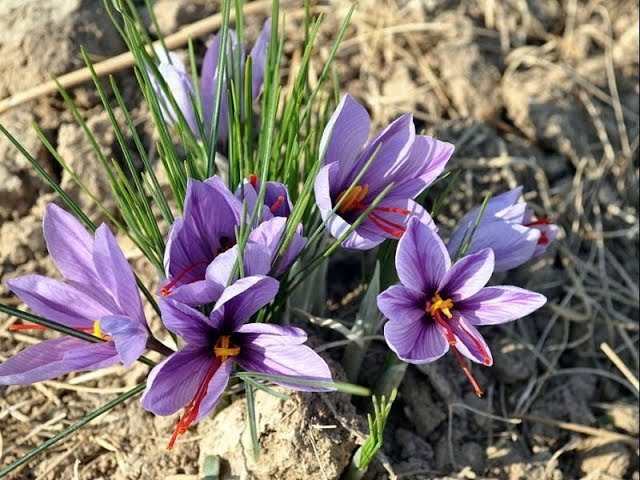
- Scientific Name: Crocus sativus
- Family: Iridaceae
- Common Names: Saffron, Kesar, Kumkuma
- Plant Type: Perennial flowering plant
- Height: 10–30 cm
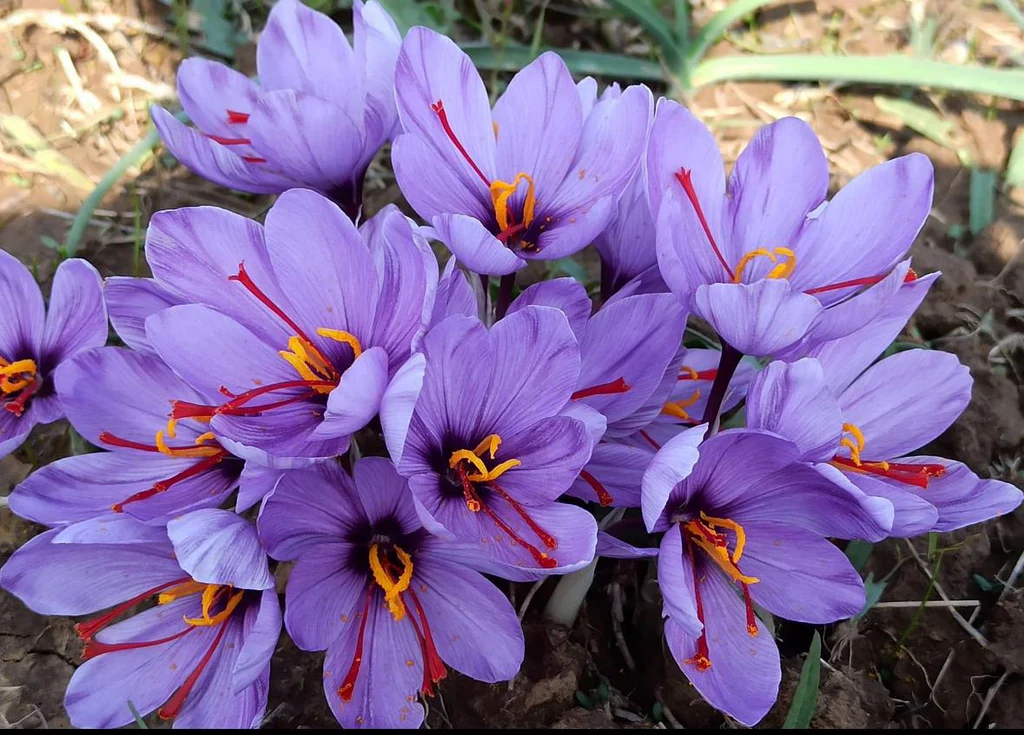
- Flowers: Purple with red stigmas
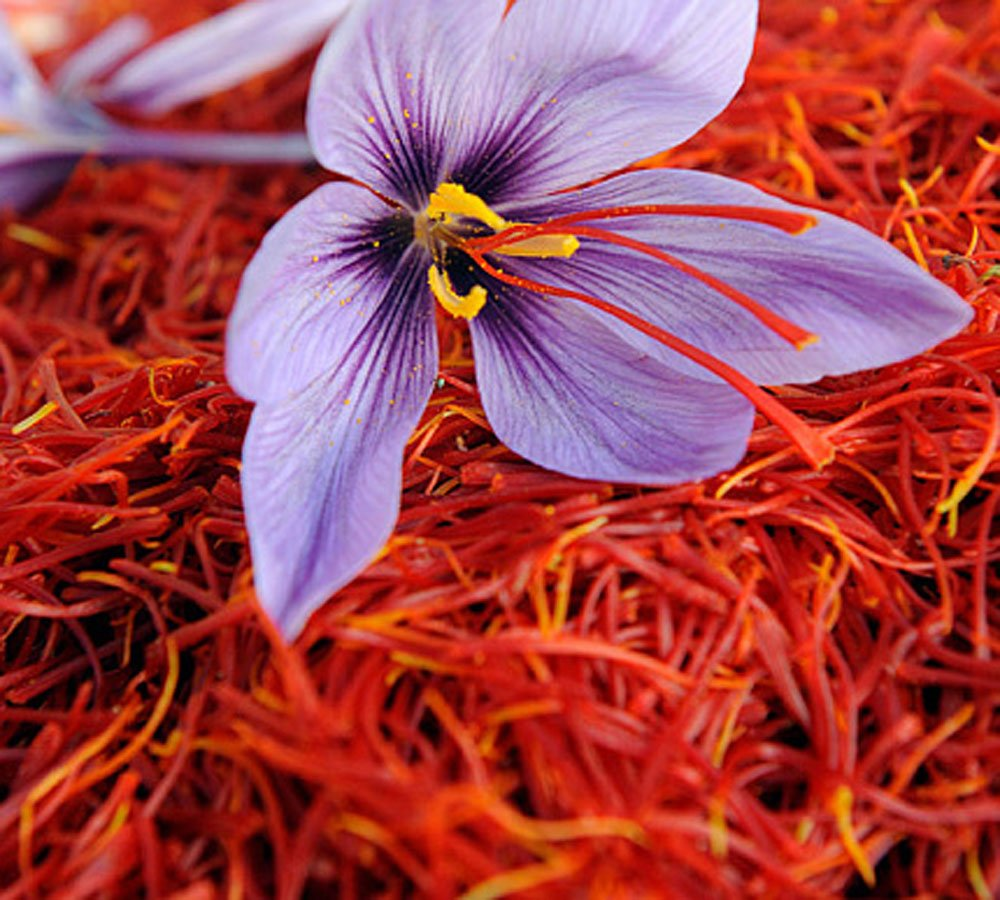
- Part Used: Stigmas (threads)
The stigmas are carefully hand-harvested and dried, making saffron one of the most expensive spices in the world.
Ayurvedic Properties
According to Ayurveda, Kumkuma possesses the following characteristics:
- Rasa (Taste): Tikta (Bitter), Madhura (Sweet)
- Guna (Quality): Laghu (Light), Snigdha (Unctuous)
- Virya (Potency): Ushna (Hot)
- Vipaka: Madhura (Sweet)
- Dosha Effect: Balances Vata and Kapha, may increase Pitta if overused
These properties make Kumkuma particularly effective in enhancing skin health and improving circulation.
Chemical Constituents
Kumkuma contains several bioactive compounds:
- Crocin – responsible for color and antioxidant effects
- Safranal – provides aroma and therapeutic benefits
- Picrocrocin – contributes to taste
- Flavonoids and carotenoids
These compounds contribute to its skin-enhancing and mood-boosting properties.
Active Compounds
- Crocin
- Safranal
- Picrocrocin
These compounds provide antioxidant, mood-enhancing, and skin-beneficial effects.
Health Benefits of Kumkuma
🔹 1. Enhances Skin Glow
Kumkuma is widely known for improving complexion. It helps:
- Brighten skin tone
- Reduce pigmentation
- Promote natural radiance
🔹 2. Anti-Aging Properties
Its antioxidant properties help fight free radicals, reducing signs of aging such as wrinkles and fine lines.
🔹 3. Improves Blood Circulation
Kumkuma enhances blood flow, which nourishes the skin and improves overall vitality.
🔹 4. Supports Mental Wellness
Saffron is known for its calming and mood-enhancing effects. It may help reduce stress and promote relaxation.
🔹 5. Boosts Immunity
Its antioxidant and antimicrobial properties help strengthen the immune system.
🔹 6. Improves Digestion
Kumkuma stimulates digestion and helps in reducing digestive discomfort.
🔹 7. Supports Respiratory Health
It may help in relieving mild respiratory issues and improving breathing.
🔹 8. Beneficial for Women’s Health
Traditionally used to support menstrual health and overall reproductive wellness.
Uses in Skincare
🔹 Face Glow Pack
- Mix saffron with milk or honey
- Apply on face
- Enhances glow and softness
🔹 Anti-Pigmentation Treatment
- Combine saffron with sandalwood
- Apply regularly
- Helps reduce dark spots
🔹 Anti-Aging Mask
- Mix saffron with aloe vera
- Apply weekly
- Improves skin elasticity
Uses in Ayurveda
Kumkuma is used in various forms:
- Milk infusion – for internal health
- Herbal paste – for skin application
- Powder – in formulations
- Oil infusion – for massage
Traditional Uses
1. Skin Health
Kumkuma is widely used to:
- Improve complexion
- Enhance skin glow
- Reduce blemishes
2. Mental Health
It helps:
- Improve mood
- Reduce stress and anxiety
3. Reproductive Health
Traditionally used to:
- Support reproductive wellness
- Improve vitality
4. Digestive Health
It helps:
- Improve digestion
- Reduce stomach discomfort
5. Antioxidant Support
Kumkuma helps:
- Protect cells from damage
- Promote overall health
How to Use Kumkuma
For Skin Glow
- Soak saffron strands in milk
- Apply on face
- Leave for 15–20 minutes
For Wellness
- Add a few strands to warm milk
- Consume regularly
For Mental Relaxation
- Use saffron-infused tea
- Helps reduce stress
Methods of Use
- Milk Preparation: Added to warm milk
- Face Packs: Used for skin care
- Cooking: Used as a spice
Precautions
- Use in small quantities
- Avoid excessive intake
- Consult a doctor during pregnancy
Side Effects & Precautions
- Excess use may cause heat in the body
- Avoid high doses
- Pregnant women should consult a doctor
- Use pure saffron only
Modern Research
Studies on Crocus sativus show:
- Strong antioxidant activity
- Mood-enhancing effects
- Skin-protective properties
These findings support its traditional Ayurvedic uses.
Cultural and Traditional Significance
Kumkuma holds a special place in Indian culture:
- Used in religious rituals
- Symbol of purity and prosperity
- Applied as tilak
Culinary Uses
- Used in sweets and desserts
- Added to milk and beverages
- Enhances flavor and color
Kumkuma and women
When a girl or a married woman visits a house, it is a sign of respect (in case of an elderly lady) or blessings (in case of a girl) to offer kumkuma to them when they leave. However, normally it is not offered to widows (it is actually orthodoxy and superstition). If kumkuma is given to widow, there will be no harm as ‘bidhaba’ or ‘sadhaba’ depends only on consideration; it’s neither law of nature nor God.
Men, women, girls, and boys also apply a dot of red turmeric powder on their forehead when visiting a temple or during a pooja. Kumkuma at temples is found in heaps. People dip their thumb or ring finger into the powder and apply it on the forehead or between the eyebrows.
In most of India, married women apply red kumkuma to the parting of their hair above their forehead every day as a symbol of marriage. This is called vermilion, or in Hindi, sindoor. In India, many unmarried girls wear a bindi every day.
Advanced Pharmacology of Kumkuma (Saffron)
Crocus sativus is not just a beauty ingredient—it has clinically studied bioactive effects:
Core Pharmacological Actions
- Antioxidant: Neutralizes free radicals, protects skin cells
- Anti-inflammatory: Reduces redness, irritation, and swelling
- Melanin-regulating: Helps control hyperpigmentation
- Neuroprotective: Supports brain and mood health
- Circulatory stimulant: Improves blood flow to skin and organs
This is why saffron works both externally (skin glow) and internally (wellness).
Deep Chemical Composition (Advanced)
Kumkuma contains highly specialized compounds:
🔹 Primary Actives
- Crocin → Brightening & antioxidant
- Safranal → Mood-enhancing & neuroprotective
- Picrocrocin → Appetite & digestion support
🔹 Secondary Compounds
- Carotenoids
- Flavonoids
- Volatile oils
Detailed Description of Kumkuma (Kumkuma)
Kumkuma, commonly known as saffron, is one of the most valuable and powerful herbs used in Ayurveda for its wide range of health, beauty, and therapeutic benefits. It is obtained from the delicate red stigmas of the saffron flower and is prized for its rich color, aroma, and medicinal properties.
Kumkuma contains important bioactive compounds such as crocin, safranal, and picrocrocin, which provide strong antioxidant, anti-inflammatory, and mood-enhancing effects. These compounds help protect the body from oxidative stress, support brain function, and promote emotional balance.
In traditional use, Kumkuma is especially known for enhancing skin health by improving complexion, reducing blemishes, and giving a natural glow. It also supports mental well-being by reducing stress, uplifting mood, and improving clarity. Additionally, it aids digestion, supports reproductive health, and contributes to overall vitality.
Due to its warming nature, Kumkuma helps balance Vata and Kapha doshas and promotes internal harmony. It is commonly used in milk, herbal preparations, and skincare remedies.
With its long history of use and multiple benefits, Kumkuma remains a luxurious and highly effective natural remedy for enhancing beauty, improving mental health, and supporting overall well-being.
Vernacular names
Assamese : Kumkum
Bengali : Jafran
English : Saffron
Gujrati : Keshar, Kesar
Hindi : Keshar, Keshara
Kannada : Kunkuma, Kesari
Malayalam : Kunkuma Puvu
Marathi : Keshar
Punjabi : Kesar, Keshar
Tamil : Kungumapuvu
Telugu : Kunkuma Puvvu
Urdu : Zafran
Conclusion
Kumkuma, known as saffron, is one of the most treasured and potent herbs in Ayurveda, valued for its wide-ranging benefits for both physical and mental well-being. Its powerful antioxidant compounds, such as crocin and safranal, help protect the body from oxidative stress, support cellular health, and promote overall vitality.
Traditionally, Kumkuma has been used to enhance skin complexion, improve mood, and support reproductive and digestive health. Its natural ability to uplift the mind and reduce stress makes it especially beneficial in today’s fast-paced lifestyle. It also nourishes body tissues and contributes to long-term wellness when used consistently in small, proper amounts.
In addition to its medicinal value, Kumkuma holds cultural and spiritual significance, symbolizing purity, prosperity, and positivity. Its warming nature helps balance Vata and Kapha doshas, while supporting internal harmony and strength.
However, due to its potency, Kumkuma should always be used in moderation and with proper guidance, especially during pregnancy or in high doses.
Overall, Kumkuma stands out as a luxurious and powerful natural remedy that enhances beauty, supports mental clarity, boosts vitality, and promotes a balanced and healthy lifestyle.
