

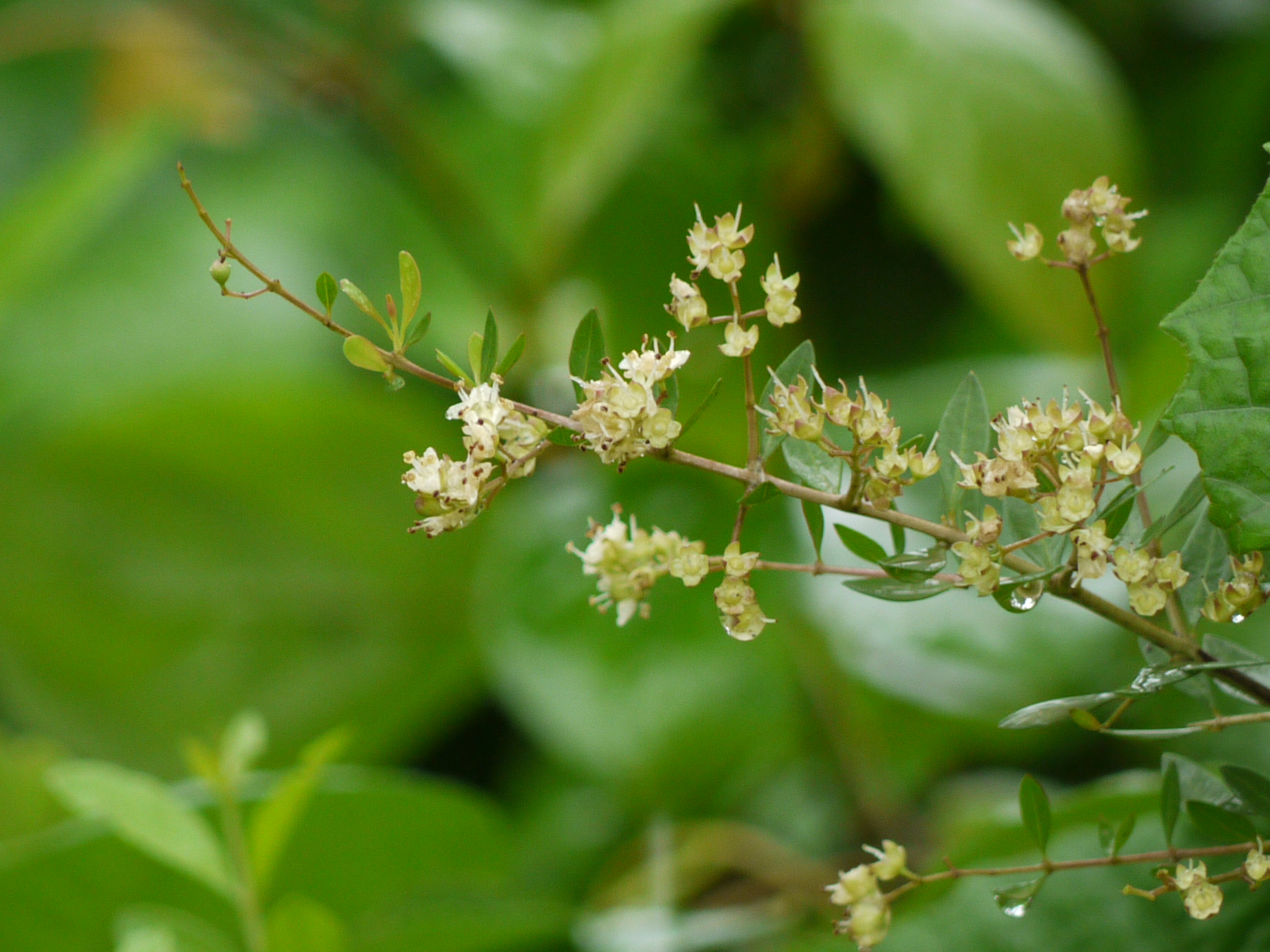

Alpinia galanga,
Zingiberaceae
Introduction
Kulanjana, commonly known as Greater Galangal, is a well-known medicinal herb in Ayurveda and traditional medicine. It is valued for its warming, digestive, and respiratory benefits. Native to South and Southeast Asia, Kulanjana has been used for centuries to improve digestion, relieve respiratory issues, and enhance overall vitality. The rhizome (root) is the main part used for medicinal purposes.
Kulanjana, commonly known as Greater Galangal, is a valuable medicinal herb in Ayurveda known for its warming and therapeutic properties. It has been used for centuries in traditional medicine to support digestion, relieve respiratory problems, and enhance overall vitality. The rhizome (root) of the plant is mainly used for its medicinal benefits.
This herb contains active compounds such as galangin and essential oils, which help improve digestion, reduce inflammation, and fight infections. Kulanjana is especially effective in relieving cough, cold, and digestive discomfort, making it a useful remedy in daily health care.
With its strong healing properties and long history of use, Kulanjana continues to be an important herb in Ayurvedic medicine for promoting health, balance, and well-being.
Botanical Description
- Scientific Name: Alpinia galanga
- Family: Zingiberaceae
- Common Names: Kulanjan, Greater Galangal, Thai Ginger
- Plant Type: Perennial herb
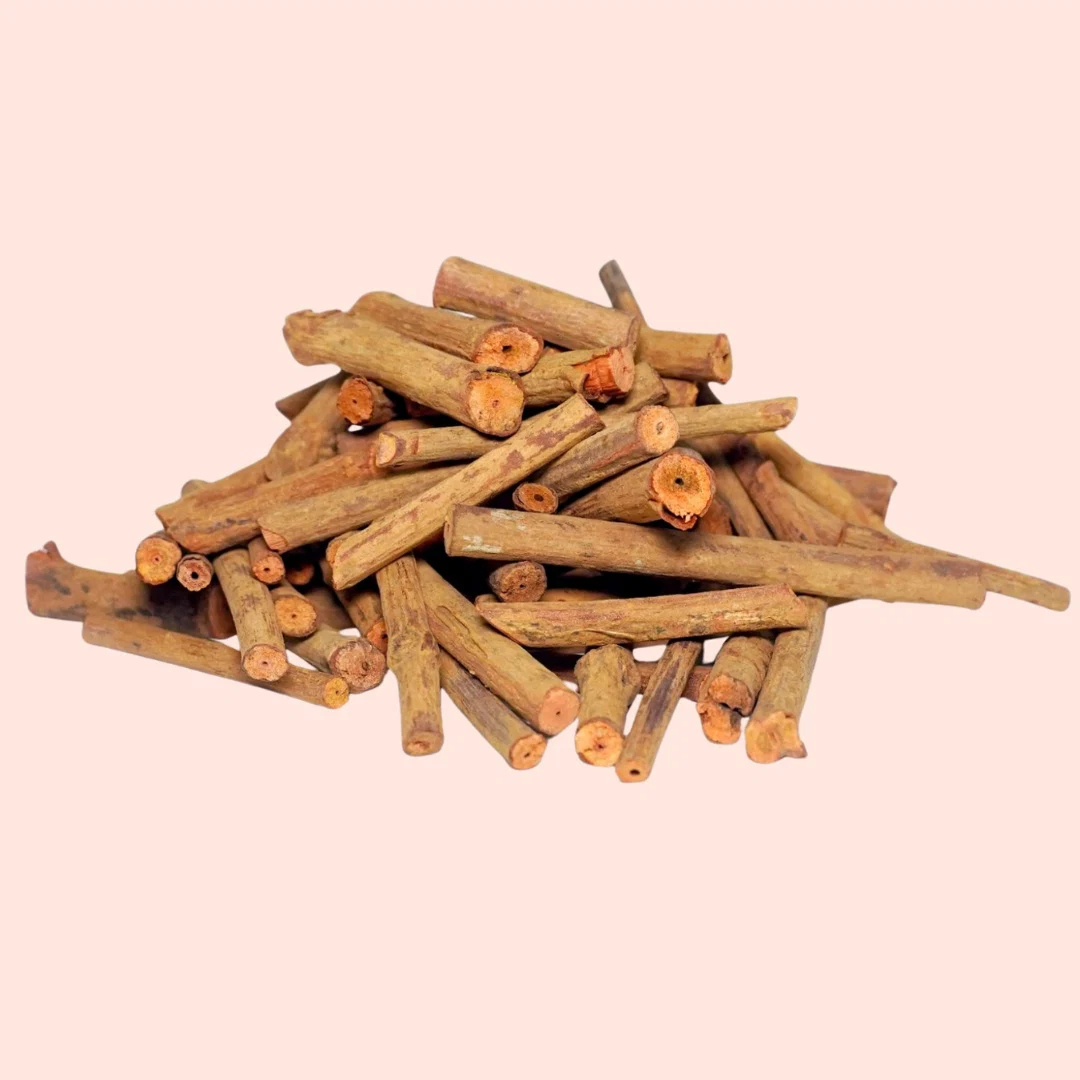
- Part Used: Rhizome (underground stem)
🔹 Morphology
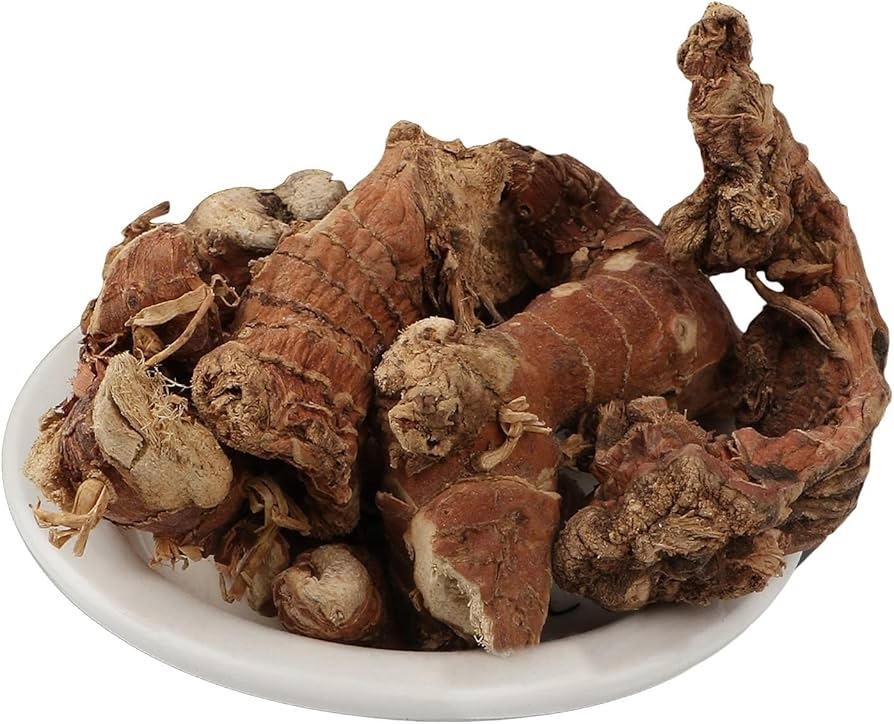
- Rhizome: Thick, aromatic, reddish-brown externally
- Leaves: Long, lance-shaped, green
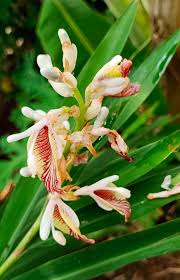
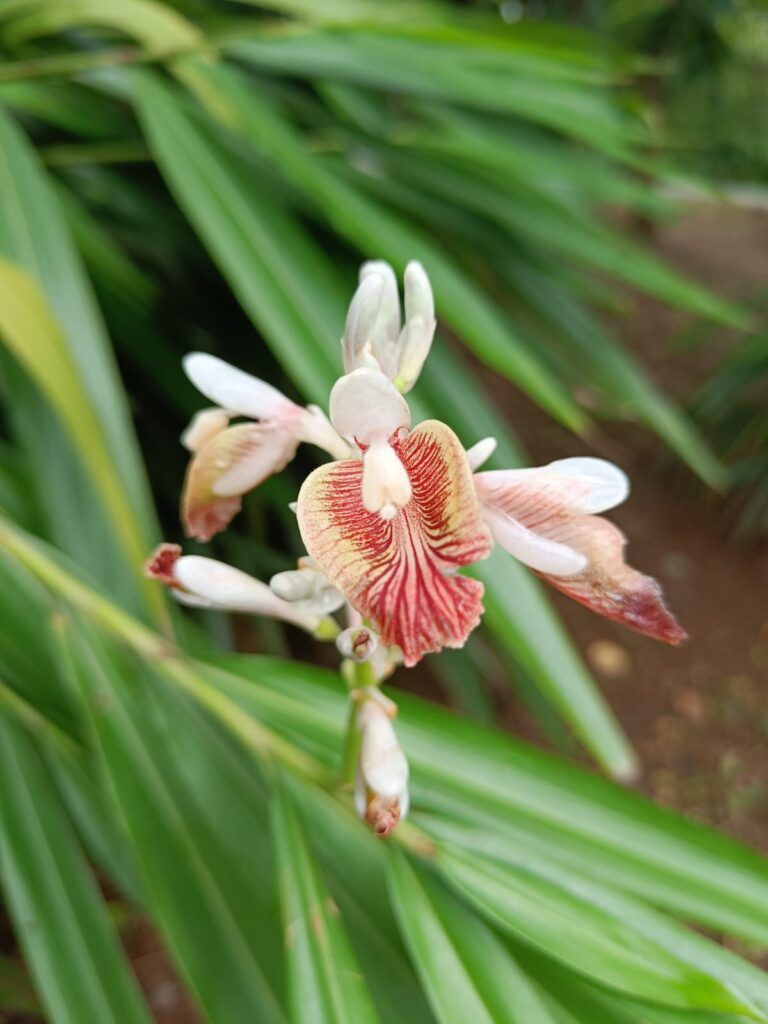
- Flowers: White with red streaks
- Height: Up to 2 meters
Kulanjana thrives in tropical climates and is widely cultivated in India and Southeast Asia.
Ayurvedic Properties
- Rasa (Taste): Katu (Pungent), Tikta (Bitter)
- Guna (Quality): Laghu (Light), Tikshna (Sharp)
- Virya (Potency): Ushna (Hot)
- Vipaka: Katu (Pungent)
- Dosha Effect: Reduces Kapha & Vata, may increase Pitta if overused
These properties make it highly effective in clearing mucus, stimulating digestion, and improving circulation.
Chemical Constituents (Advanced)
Kulanjana contains several active compounds:
🔹 Primary Compounds
- Galangin – antioxidant and anti-inflammatory
- Alpinin – digestive stimulant
- Essential oils (cineole, eugenol-like compounds)
🔹 Secondary Compounds
- Flavonoids
- Phenolic compounds
- Terpenoids
These compounds contribute to its respiratory, digestive, and antimicrobial benefits.
Pharmacological Actions
- Expectorant: Helps remove mucus
- Carminative: Reduces gas and bloating
- Anti-inflammatory: Reduces swelling
- Antimicrobial: Fights infections
- Digestive stimulant (Deepana): Improves appetite
- Analgesic: Relieves mild pain
Health Benefits of Kulanjana
🔹 1. Effective Remedy for Cough & Cold
Kulanjana is highly beneficial in respiratory conditions:
- Clears mucus from lungs
- Relieves throat irritation
- Reduces cough frequency
🔹 2. Improves Digestion
- Stimulates digestive fire (Agni)
- Reduces bloating and gas
- Enhances appetite
🔹 3. Relieves Respiratory Congestion
- Opens airways
- Helps in sinus relief
🔹 4. Anti-inflammatory Benefits
- Useful in joint pain and swelling
- Reduces internal inflammation
🔹 5. Boosts Immunity
- Antioxidant properties strengthen immune defense
🔹 6. Supports Metabolism
- Enhances metabolic activity
- Helps in toxin removal
Therapeutic Applications (Advanced)
🔹 Respiratory Disorders
- Chronic cough
- Bronchitis
- Asthma (supportive use)
🔹 Digestive Disorders
- Indigestion
- Flatulence
- Loss of appetite
🔹 Inflammatory Conditions
- Joint pain
- Muscle stiffness
Ayurvedic Formulations
Kulanjana is used in:
- Herbal decoctions for cough
- Digestive powders
- Respiratory formulations
Practical Home Remedies
🔹 1. Cough Remedy
- Kulanjana powder + honey
Take twice daily
🔹 2. Digestive Tonic
- Kulanjana + ginger + warm water
Before meals
🔹 3. Herbal Tea
- Boil with tulsi and black pepper
For cold and congestion
🔹 4. Anti-inflammatory Paste
- Apply externally on joints
Internal Use
- Powder (Churna)
- Decoction (Kwath)
- Herbal infusions
Dosage Guidelines
| Form | Dosage |
|---|---|
| Powder | 250–500 mg |
| Decoction | 20–30 ml |
| Fresh rhizome | Small amount |
Side Effects & Precautions
- May cause heat if overused
- Avoid in high Pitta conditions
- Use cautiously in ulcers
- Pregnant women should consult a doctor
Modern Research
Studies on Alpinia galanga show:
- Anti-inflammatory activity
- Antioxidant effects
- Antimicrobial properties
- Digestive benefits
Mechanism of Action
Kulanjana works by:
- Stimulating digestive enzymes
- Breaking down mucus
- Enhancing circulation
- Reducing inflammation
Culinary Uses
- Used in Asian cuisines
- Adds flavor and aroma
- Used in soups and curries
General Habit
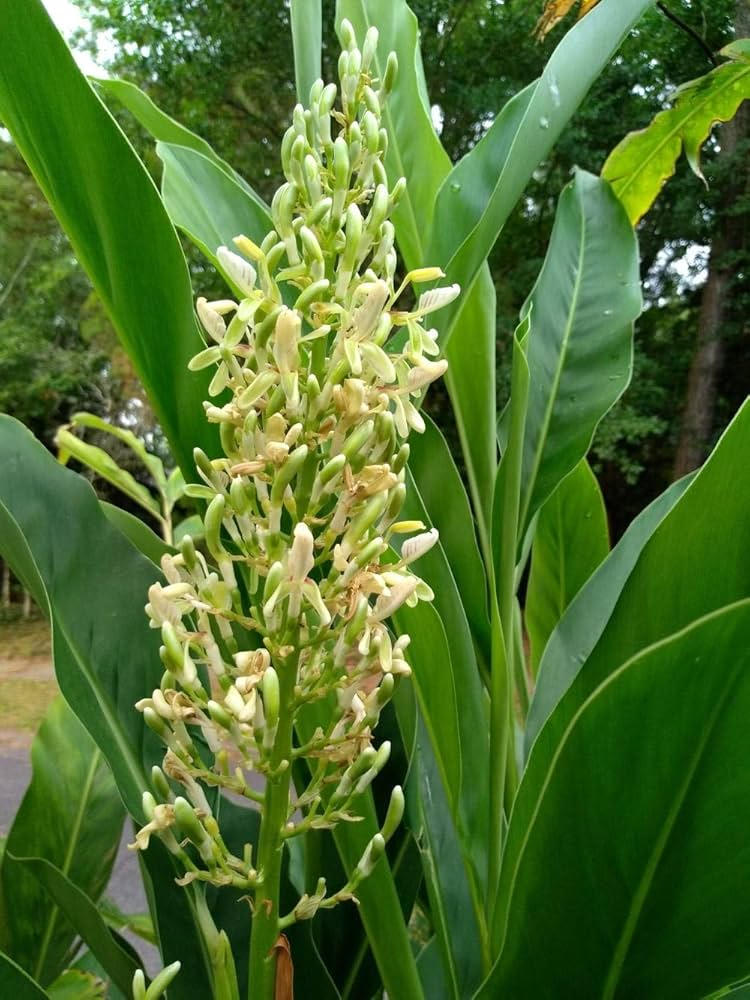
Kulanjana is a tall, erect, rhizomatous herb that grows in dense clumps. It thrives in tropical climates and is widely cultivated in India and Southeast Asia. The plant can reach heights of 1.5 to 2 meters, giving it a strong and bushy appearance.
🔸 Rhizome (Most Important Part)
- Thick, fleshy, and aromatic underground stem
- Reddish-brown outer surface with pale interior
- Fibrous texture with a strong, spicy fragrance
- Slightly pungent and bitter taste
This rhizome is the primary medicinal part used in Ayurveda.
🔸 Stem (Pseudostem)
- Not a true woody stem
- Formed by tightly packed leaf sheaths
- Upright, smooth, and green
- Provides structural support to the plant
🔸 Leaves
- Long, narrow, lance-shaped (linear-lanceolate)
- Bright green and smooth surface
- Arranged alternately along the stem
- Length: 20–40 cm
Leaves are similar in appearance to ginger but larger and more robust.
🔸 Flowers
- White with red or pink streaks
- Fragrant and visually attractive
- Arranged in terminal clusters (racemes)
- Bloom during warm seasons
🔸Fruits & Seeds
- Small, round capsules
- Orange to reddish in color when mature
- Contain multiple small seeds
- Seeds are less commonly used medicinally
Habitat & Distribution
Kulanjana is widely found in:
- India (especially South India)
- Indonesia
- Thailand
- Malaysia
It grows best in:
- Tropical and subtropical climates
- Humid environments
- Well-drained, fertile soil
Growth Conditions
- Soil: Loamy, well-drained soil
- Water: Moderate moisture required
- Sunlight: Partial to full sunlight
- Temperature: Warm, humid conditions
The plant does not tolerate frost and prefers consistent warmth.
Cultivation Cycle
- Propagation: Through rhizome division
- Planting Season: Early monsoon
- Harvesting: 8–10 months after planting
- Yield: High rhizome production under good conditions
Special Botanical Features
- Strong aromatic rhizome
- High essential oil content
- Resistant to many pests
- Fast-growing under favorable conditions
Similarity with Related Plants
Kulanjana is often compared with:
- Ginger → softer, milder aroma
- Turmeric → more earthy and less pungent
- Galangal → stronger, sharper flavor
However, Kulanjana has a distinct, sharper medicinal potency.
Summary
Kulanjana (Alpinia galanga) is a tall, aromatic, rhizomatous herb with a powerful medicinal rhizome. Its unique botanical features—such as its pungent aroma, robust growth, and therapeutic compounds—make it an important plant in both Ayurveda and traditional medicine systems.
Methods of Use
- Powder (Churna): Taken with warm water
- Decoction: Boiled in water
- Spice: Used in cooking
Precautions
- Use in moderate amounts
- Avoid excessive use
- Consult a doctor if needed
Side Effects
- Mild irritation (in excess)
- Digestive discomfort (rare)
Vernacular names
English : Greater galangal
Hindi : Kulanjan
Kannada : Dhumarasmi
Bengali : Kulingjan, Barakulanjan
Gujarati : Kulinjan
Malayalam : Arattha, Kolinji, Pararatta
Tamil : Pera-rattai
Kannada : Dhoomraasmi
Telugu : Pedda-dhumpa, Dumpa
rastramu
Marathi : Kulinjan
Description
The plant grows from rhizomes in clumps of stiff stalks up to 2 metres (6 ft 7 in) in height with abundant long leaves that bear red fruit. It is an evergreen perennial. This plant’s rhizome is the “galangal” used most often in cookery. It is valued for its use in food and traditional medicine. The rhizome has a pungent smell and strong taste reminiscent of citrus, black pepper and pine needles. Red and white cultivars are often used differently, with red cultivars being primarily medicinal, and white cultivars primarily as a spice. The red fruit is used in traditional Chinese medicine and has a flavor similar to cardamom.
Kulanjana, commonly known as Greater Galangal, is a powerful Ayurvedic herb valued for its warming, digestive, and respiratory benefits. It is widely used in traditional medicine to improve digestion, relieve cough and cold, and support overall health. The rhizome (root) of the plant is the main part used for its medicinal properties.
Kulanjana contains active compounds such as galangin and essential oils, which help stimulate digestion, reduce inflammation, and fight harmful microbes. It is especially effective in relieving bloating, enhancing appetite, and clearing respiratory congestion.
Due to its warming nature, Kulanjana is particularly useful in balancing Vata and Kapha doshas. It also helps boost energy levels and supports the body’s natural defense system.
With its wide range of benefits and long history of use, Kulanjana remains an important herbal remedy for promoting digestion, respiratory health, and overall well-being.
Conclusion
Kulanjana is a powerful Ayurvedic herb known for its digestive, respiratory, and anti-inflammatory benefits. Its warming nature makes it especially useful for balancing Vata and Kapha. When used properly, it supports overall health and vitality.
Kulanjana is a powerful and versatile Ayurvedic herb known for its warming, digestive, and respiratory benefits. It plays an important role in improving digestion, relieving cough and congestion, and supporting overall vitality. Its natural compounds also help reduce inflammation and protect the body from infections.
With its long history in traditional medicine, Kulanjana remains a reliable natural remedy for maintaining health and balance. When used in proper amounts, it is generally safe and effective.
Overall, Kulanjana stands out as a valuable herbal solution that promotes digestion, supports respiratory health, and enhances overall well-being.
