

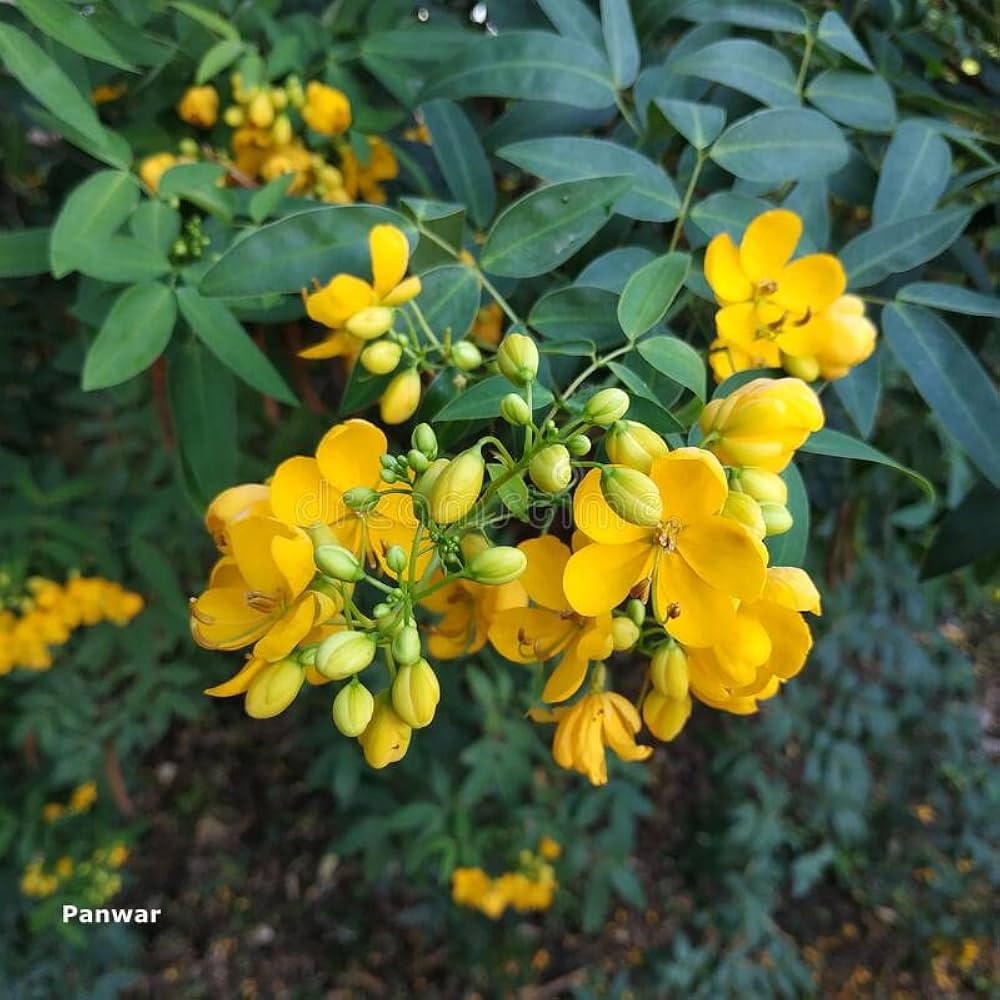
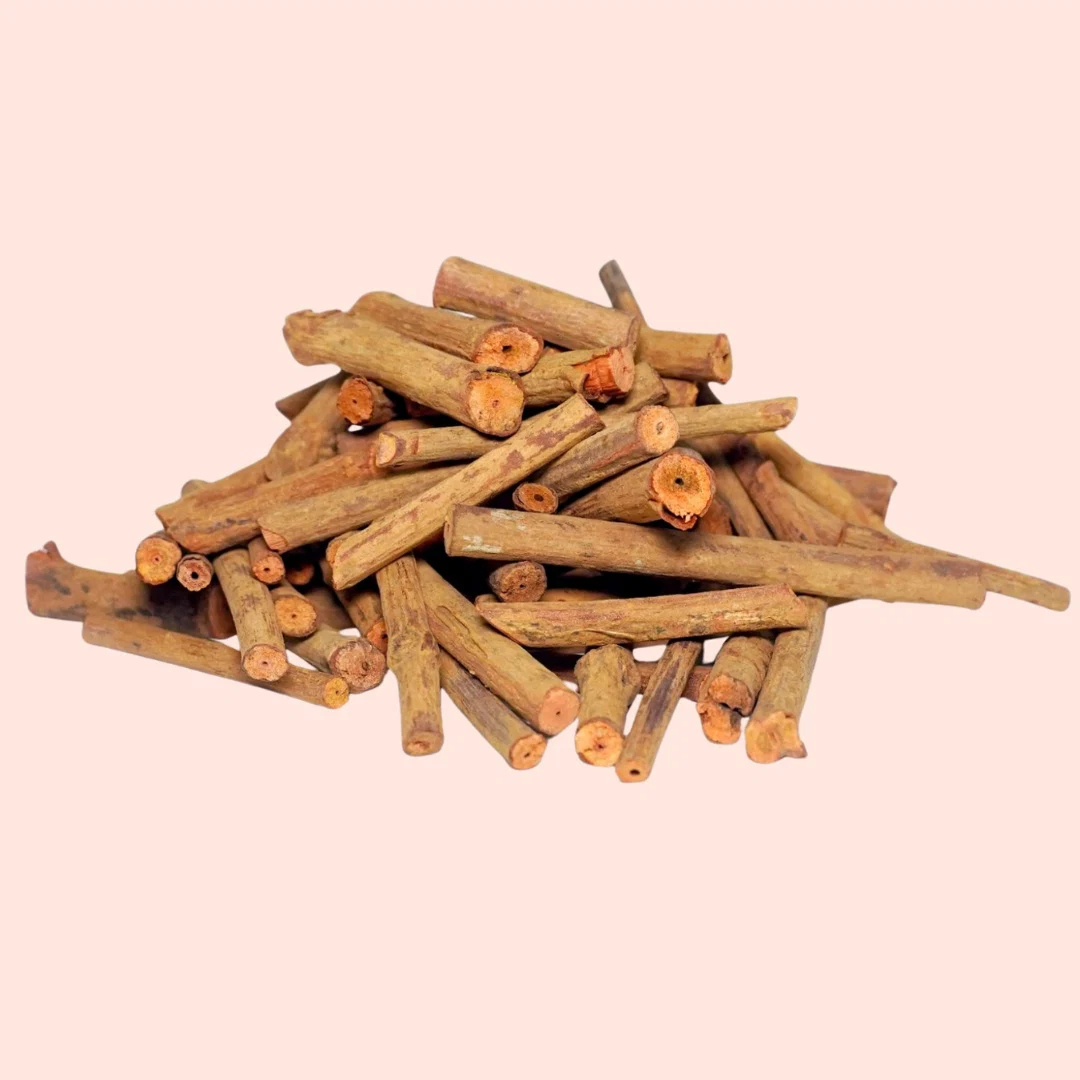
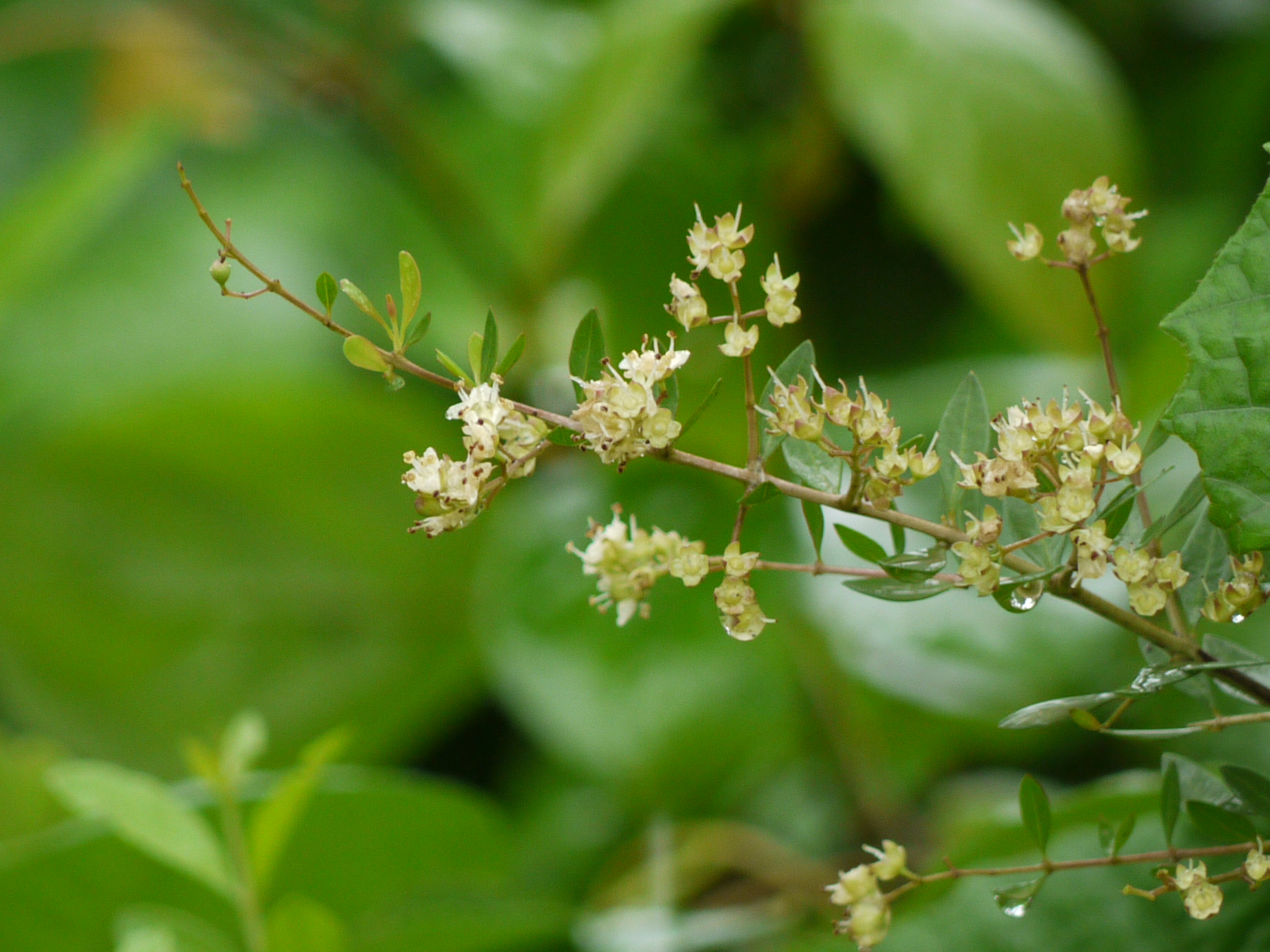

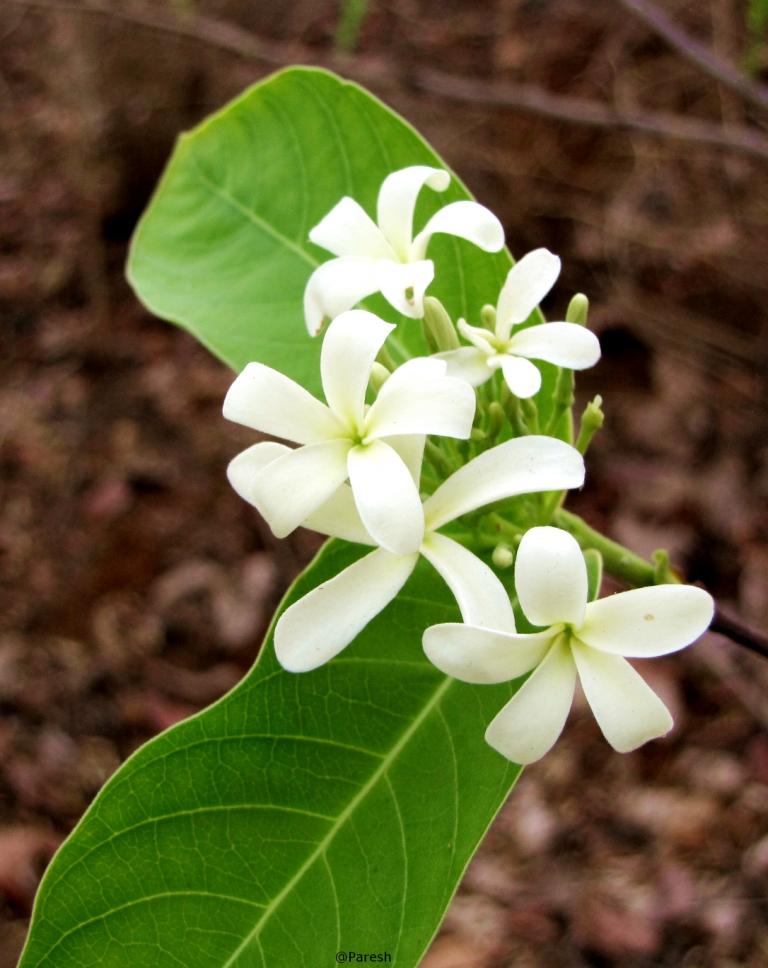
Holarrhena antidysenterica,
Apocynaceae
Introduction
Kutaja is a well-known medicinal herb in Ayurveda, highly valued for its effectiveness in treating digestive disorders, especially diarrhea and dysentery. Native to India, it has been used for centuries in traditional medicine to support gut health and restore balance in the digestive system. The bark and seeds of the plant are mainly used for medicinal purposes.
In Ayurvedic medicine, Kutaja is considered a potent herb for restoring balance in the digestive system. It contains important bioactive compounds such as conessine and other alkaloids, which provide strong anti-diarrheal, antimicrobial, and anti-inflammatory effects. These compounds help control excessive bowel movements, eliminate harmful pathogens, and soothe irritation in the intestines.
Kutaja is especially valued for strengthening the intestinal lining and improving overall gut function. It not only helps in managing acute digestive issues but also supports long-term digestive health by promoting proper absorption and maintaining internal balance.
With its cooling nature and bitter-astringent taste, Kutaja helps balance Pitta and Kapha doshas, making it particularly effective in conditions associated with heat, inflammation, and excess mucus in the body.
Due to its strong therapeutic properties and long-standing use in traditional medicine, Kutaja remains an important herbal remedy for maintaining digestive wellness, improving gut strength, and supporting overall health.
Botanical Description
Kutaja belongs to the Apocynaceae family and is a small deciduous tree widely found in India.
- Scientific Name: Holarrhena pubescens
- Family: Apocynaceae
- Common Names: Kutaja, Kurchi, Indrajav
- Plant Type: Small tree
- Height: 4–10 meters
- Leaves: Broad, oval-shaped
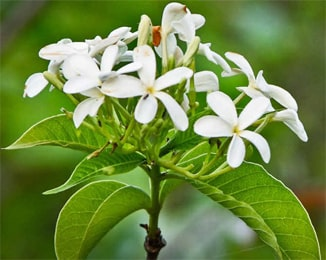
- Flowers: White, fragrant
- Fruits: Long cylindrical pods
- Parts Used: Bark and seeds (most commonly)
The bark and seeds are the most therapeutically active parts and are widely used in Ayurvedic medicine.
Chemical Constituents
Kutaja contains several potent bioactive compounds:
- Alkaloids (Conessine – main active compound)
- Holarrhenine
- Steroids
- Tannins
- Resin
Conessine is especially known for its anti-amoebic and antimicrobial properties, making Kutaja highly effective against intestinal infections.
Pharmacological Actions
Kutaja exhibits multiple therapeutic actions:
- Antidiarrheal (Grahi): Controls loose motions
- Antimicrobial: Fights bacteria and parasites
- Anti-inflammatory: Reduces intestinal inflammation
- Digestive stimulant: Improves gut function
- Astringent: Tightens intestinal tissues
- Anti-amoebic: Effective in amoebic dysentery
Health Benefits of Kutaja
🔹 1. Effective Remedy for Diarrhea
Kutaja is one of the best Ayurvedic remedies for diarrhea. It helps:
- Reduce frequency of stools
- Improve stool consistency
- Restore intestinal balance
🔹 2. Treats Dysentery
Kutaja is highly effective in both acute and chronic dysentery. It helps control infection and reduces mucus and blood in stools.
🔹 3. Supports Gut Health
It improves digestion and strengthens intestinal function, making it useful in:
- Irritable bowel conditions
- Weak digestion
- Chronic digestive issues
🔹 4. Anti-amoebic Action
Kutaja is known for its effectiveness against amoebic infections, a common cause of severe diarrhea.
🔹 5. Reduces Inflammation in Intestines
Its cooling and anti-inflammatory properties help soothe the intestinal lining.
🔹 6. Helps in IBS (Irritable Bowel Syndrome)
Kutaja is often used in Ayurveda to manage IBS symptoms, especially those involving loose stools.
🔹 7. Improves Appetite
By improving digestion, it helps restore appetite in individuals suffering from digestive disorders.
🔹 8. Blood Purification
Kutaja helps remove toxins from the body, contributing to better overall health.
Therapeutic Applications (Detailed)
🔹 Atisara (Diarrhea)
Kutaja is considered a primary herb for treating Atisara in Ayurveda.
🔹 Pravahika (Dysentery)
Helps reduce frequent bowel movements and inflammation.
🔹 Grahani (Malabsorption Syndrome)
Strengthens digestion and absorption.
🔹 Krimi (Intestinal Worms)
Its antimicrobial action helps eliminate parasites.
Active Compounds
- Conessine
- Alkaloids
- Tannins
These compounds provide strong anti-diarrheal and antimicrobial effects.
Traditional Uses
1. Digestive Health
Kutaja is widely used to:
- Treat diarrhea and dysentery
- Improve gut health
- Reduce intestinal infections
2. Anti-diarrheal Action
It helps:
- Control loose motions
- Strengthen intestines
3. Antimicrobial Properties
Kutaja helps:
- Fight harmful bacteria
- Prevent infections
4. Anti-inflammatory Effects
It helps:
- Reduce inflammation in the gut
- Soothe intestinal irritation
5. Blood Purification
Traditionally used to:
- Cleanse the blood
- Improve overall health
Ayurvedic Properties
Kutaja is highly valued in Ayurveda due to its unique properties:
- Rasa (Taste): Tikta (Bitter), Kashaya (Astringent)
- Guna (Quality): Laghu (Light), Ruksha (Dry)
- Virya (Potency): Sheeta (Cooling)
- Vipaka: Katu (Pungent)
- Dosha Effect: Balances Pitta and Kapha
These properties make Kutaja particularly effective in treating Pitta-related digestive disorders and conditions involving excess heat and inflammation.
Chemical Constituents
Kutaja contains several potent bioactive compounds:
- Alkaloids (Conessine – main active compound)
- Holarrhenine
- Steroids
- Tannins
- Resin
Conessine is especially known for its anti-amoebic and antimicrobial properties, making Kutaja highly effective against intestinal infections.
Methods of Use
- Powder (Churna): Taken with water
- Decoction: Bark boiled in water
- Tablets: Ayurvedic formulations
Uses in Ayurveda
Kutaja is used in multiple forms:
- Kutajarishta – Fermented preparation for digestive disorders
- Kutaja Churna – Powder form
- Kutaja Ghana Vati – Tablet form
- Decoction (Kwath) – For acute conditions
How to Use Kutaja
For Diarrhea
- Take Kutaja powder with water
- Helps control loose motions
For Dysentery
- Use Kutajarishta as prescribed
- Reduces infection and inflammation
For IBS
- Regular use under supervision
- Improves gut function
Precautions
- Use in proper dosage
- Avoid excessive use
- Consult a doctor if needed
Dosage Guidelines
- Powder: 3–6 grams daily
- Decoction: 30–50 ml
- Kutajarishta: 15–30 ml after meals
Always consult an Ayurvedic doctor for proper dosage.
Side Effects
- Rare when used properly
- Mild constipation (in excess)
Modern Research
Scientific studies on Holarrhena pubescens confirm:
- Anti-diarrheal properties
- Anti-amoebic activity
- Antimicrobial effects
- Anti-inflammatory benefits
Conessine has been studied for its effectiveness against intestinal pathogens.
Advanced Pharmacology of Kutaja
Holarrhena pubescens is not just a traditional remedy—it has well-studied pharmacological actions:
Core Actions
- Anti-secretory: Reduces excess fluid secretion in intestines
- Antimotility: Slows excessive bowel movement
- Anti-amoebic: Targets parasites like Entamoeba histolytica
- Gut mucosal protector: Repairs intestinal lining
- Microbiome modulator: Helps restore healthy gut flora
This explains why Kutaja works in both infectious and non-infectious diarrhea.
Deep Chemical Profile (Advanced)
Kutaja’s medicinal strength comes from a complex alkaloid system:
🔹 Major Alkaloids
- Conessine – anti-amoebic, antimicrobial
- Holarrhenine
- Kurchicine
- Conimine
🔹 Supporting Compounds
- Tannins → Astringent action
- Sterols → Anti-inflammatory
- Flavonoids → Antioxidant
Mechanism of Action (How Kutaja Works)
Kutaja works through multiple pathways:
🔹 1. Intestinal Fluid Control
- Reduces secretion in intestines
- Prevents watery stools
🔹 2. Infection Control
- Kills harmful bacteria and parasites
- Reduces toxin production
🔹 3. Tissue Repair
- Strengthens intestinal mucosa
- Promotes healing
🔹 4. Digestive Regulation
- Restores normal gut movement
- Improves nutrient absorption
Classical Ayurvedic References (Deeper Insight)
Kutaja is mentioned in classical texts like:
- Charaka Samhita – for Atisara (diarrhea)
- Sushruta Samhita – for intestinal disorders
🔹 Ayurvedic Concept
- Acts as “Deepana + Pachana + Grahi”
- Deepana → improves digestive fire
- Pachana → digests toxins (Ama)
- Grahi → absorbs excess fluid
Advanced Formulations & Combinations
Kutaja becomes more powerful when combined with other herbs:
🔹 Kutaja + Bilva
- Best for chronic diarrhea
🔹 Kutaja + Musta
- Reduces inflammation and fever
🔹 Kutaja + Ativisha
- Useful in pediatric diarrhea
🔹 Kutaja + Pomegranate (Dadima)
- Improves gut strength and recovery
Practical Clinical Uses
🔹 Acute Diarrhea Protocol
- Kutaja decoction + light diet
- Rapid symptom control
🔹 Post-Infection Recovery
- Kutaja with buttermilk
- Restores gut flora
🔹 Traveler’s Diarrhea
- Preventive use in small doses
- Protects against infections
Classical Ayurvedic Formulations
Kutaja is a key ingredient in:
- Kutajarishta
- Kutaja Ghana Vati
- Various anti-diarrheal formulations
Cultivation & Availability
- Grows in forests and dry regions
- Found across India
- Easily available in Ayurvedic stores
Comparison with Other Digestive Herbs
| Herb | Main Use | Difference |
|---|---|---|
| Kutaja | Diarrhea, dysentery | Strong antidiarrheal |
| Isabgol | Constipation | Opposite action |
| Bael | Digestive support | Mild compared to Kutaja |
Description of Kutaja (Kutaja)
Kutaja, commonly known as Kurchi, is a powerful Ayurvedic medicinal plant widely used for its effectiveness in treating digestive disorders. It is especially known for managing conditions like diarrhea, dysentery, and intestinal infections. The bark and seeds of the plant are primarily used for their therapeutic benefits.
Kutaja contains active compounds such as conessine and other alkaloids, which provide strong anti-diarrheal, antimicrobial, and anti-inflammatory effects. These properties help control loose motions, eliminate harmful bacteria, and soothe inflammation in the intestines.
Due to its cooling nature and astringent taste, Kutaja helps balance Pitta and Kapha doshas, making it particularly beneficial for conditions caused by heat and excess mucus. It also strengthens the digestive system and supports better absorption of nutrients.
With its long history in Ayurvedic medicine and proven effectiveness, Kutaja remains a valuable natural remedy for maintaining digestive health and overall well-being.
Vernacular names
Assamese : Dudhkuri
Bengali : Kurchi
English : Ester tree, Conessi bark
Gujrati : Kuda, Kadachhal, Kudo
Hindi : Kurchi, Kuraiya
Kannada : Kodasige, Halagattigida,
Halagatti Mara
Kashmiri : Kogad
Malayalam : Kutakappala
Marathi : Pandhra Kuda
Oriya : Kurei, Keruan
Punjabi : Kurasukk, Kura
Tamil : Kudasapalai
Telugu : Kodisapala, Palakodisa
Urdu : Kurch
Conclusion
Kutaja is a powerful Ayurvedic herb known for its effectiveness in treating digestive disorders and maintaining gut health. Its natural properties help control infections and improve digestion. When used properly, it supports overall digestive wellness.
Kutaja is a highly effective and time-tested Ayurvedic herb known for its strong action on the digestive system, particularly in managing conditions like diarrhea, dysentery, and intestinal infections. Its potent compounds, such as conessine and other alkaloids, help control excessive bowel movements, eliminate harmful microbes, and reduce inflammation in the intestines.
Beyond treating acute digestive issues, Kutaja also plays an important role in strengthening the gut and restoring proper digestive function. It supports better nutrient absorption, helps maintain intestinal balance, and contributes to long-term digestive health. Its cooling and astringent properties make it especially useful in calming aggravated Pitta and Kapha conditions.
When used appropriately and in the correct dosage, Kutaja is generally safe and provides reliable results. However, like all medicinal herbs, it should be used with proper guidance to avoid overuse.
Overall, Kutaja stands out as a powerful natural remedy for digestive wellness, offering both immediate relief and long-term support for a healthy and balanced gastrointestinal system.
