

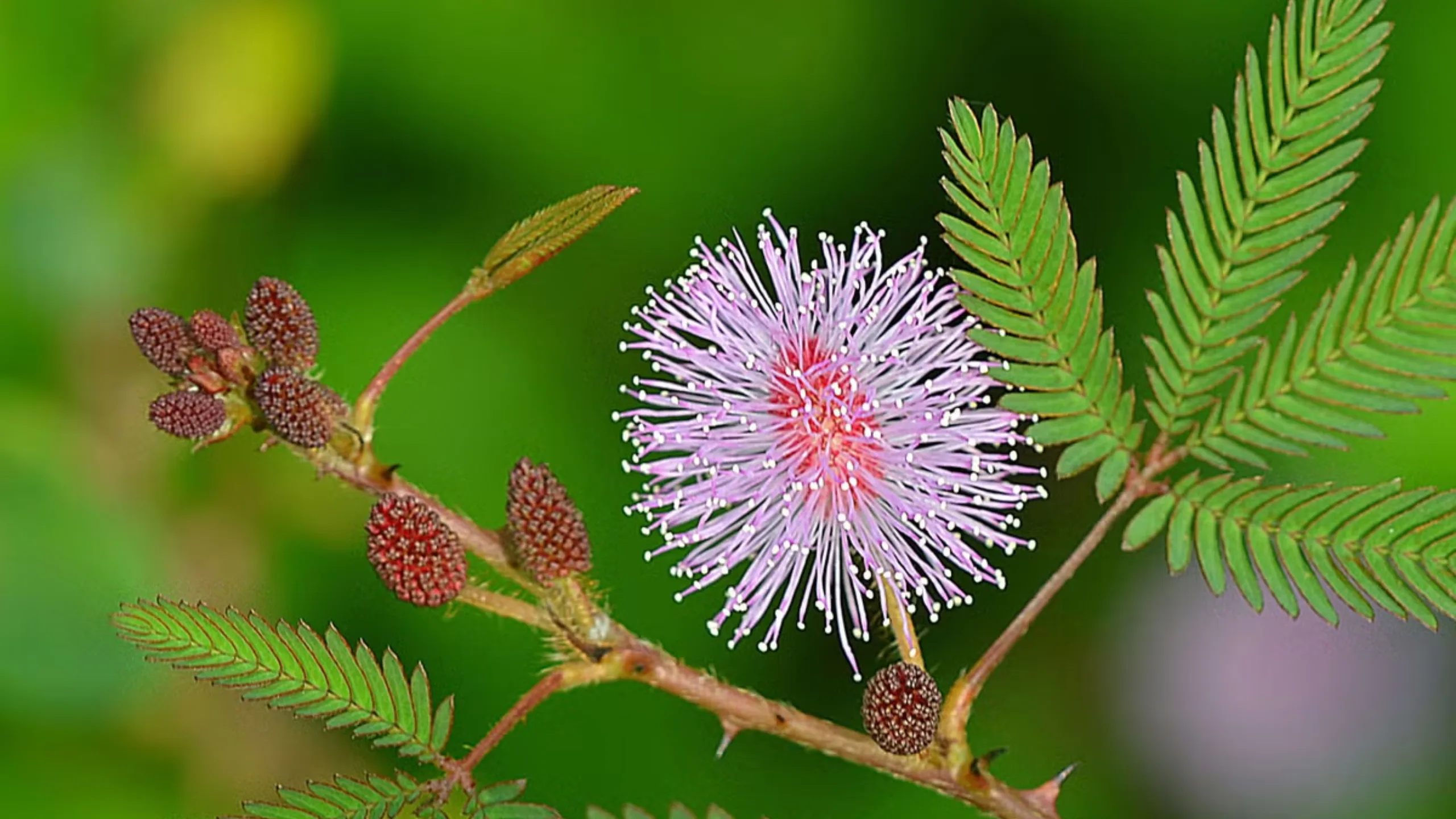

Mimosa pudica,
Mimosaceae
Introduction
Lajjalu, commonly known as the “Touch-Me-Not” plant, is a well-known medicinal herb in Ayurveda valued for its healing and protective properties. It is famous for its unique ability to fold its leaves when touched. Traditionally, Lajjalu has been used to treat wounds, piles, and various skin and urinary disorders.
Lajjalu, commonly known as the “Touch-Me-Not” plant, is a unique and highly valued medicinal herb in Ayurveda, famous for its sensitive leaves that fold when touched. It has been used for centuries in traditional medicine for its strong healing, astringent, and protective properties.
This plant contains active compounds such as mimosine, tannins, and flavonoids, which help in wound healing, reducing inflammation, and controlling infections. Lajjalu is especially beneficial in treating skin conditions, piles, and minor injuries, making it an important natural remedy in daily healthcare.
With its cooling nature and therapeutic benefits, Lajjalu plays a significant role in balancing Pitta and Kapha doshas. Its long history of use and effectiveness make it a valuable herb for promoting healing and overall well-being.
Botanical Description
Lajjalu belongs to the Fabaceae family and grows widely in tropical and subtropical regions, especially in India.
- Scientific Name: Mimosa pudica
- Family: Fabaceae
- Common Names: Sensitive Plant, Touch-Me-Not, Lajwanti
- Plant Type: Creeping herb
- Height: 15–50 cm
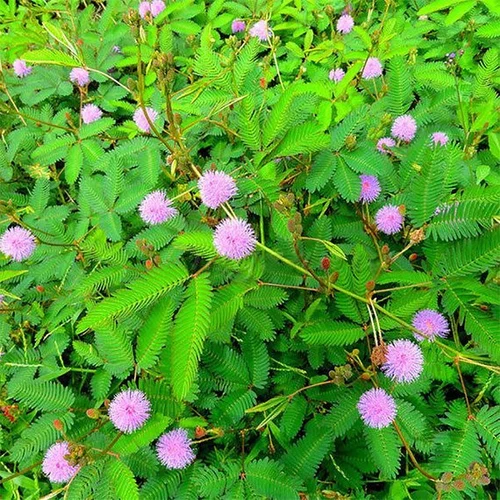
- Leaves: Small, compound, sensitive to touch
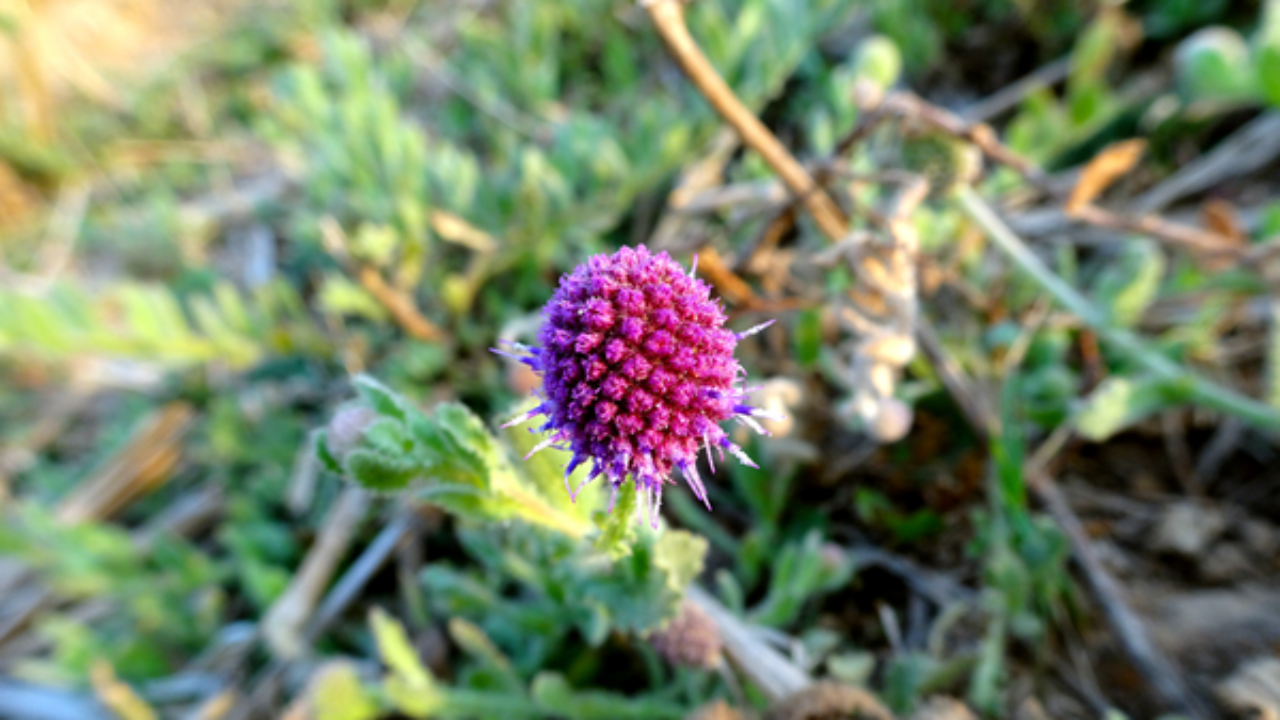
- Flowers: Pink, ball-shaped
- Fruits: Small pods containing seeds
The entire plant—leaves, roots, and seeds—is used for medicinal purposes.
Ayurvedic Properties
In Ayurveda, Lajjalu is classified based on its taste, potency, and effects:
- Rasa (Taste): Kashaya (Astringent), Tikta (Bitter)
- Guna (Quality): Laghu (Light), Ruksha (Dry)
- Virya (Potency): Sheeta (Cooling)
- Vipaka: Katu (Pungent)
- Dosha Effect: Balances Pitta and Kapha
Its strong astringent property makes it especially effective in controlling bleeding and healing wounds.
Chemical Constituents
Lajjalu contains several bioactive compounds that contribute to its medicinal value:
- Alkaloids
- Flavonoids
- Tannins
- Glycosides
- Mimosine (active compound)
These constituents provide antioxidant, antimicrobial, and healing properties.
Active Compounds
- Mimosine
- Tannins
- Flavonoids
These compounds provide astringent, antimicrobial, and healing effects.
Traditional Uses
In Indian culture, Lajjalu is often associated with modesty and sensitivity. Its folding leaves symbolize protection and responsiveness to the environment.
It has been used in folk medicine for centuries and continues to be valued in rural healthcare practices.
1. Wound Healing
Lajjalu is widely used to:
- Heal cuts and wounds
- Stop bleeding
- Promote tissue repair
2. Piles and Hemorrhoids
It helps:
- Reduce swelling
- Control bleeding
3. Skin Health
Traditionally used to:
- Treat skin infections
- Reduce inflammation
4. Urinary Disorders
It helps:
- Support urinary health
- Reduce irritation
5. Anti-inflammatory Effects
It helps:
- Reduce swelling and pain
Health Benefits of Lajjalu
🔹 1. Powerful Wound Healing Herb
Lajjalu is widely known for its ability to heal wounds quickly. Its astringent and antimicrobial properties help prevent infection and promote tissue repair.
🔹 2. Supports Skin Health
It is highly effective in treating various skin conditions such as:
- Acne
- Eczema
- Rashes
- Minor cuts and burns
Its cooling nature helps soothe irritated skin.
🔹 3. Effective in Piles (Hemorrhoids)
Lajjalu is traditionally used in Ayurveda to treat piles. It helps reduce swelling, control bleeding, and promote healing of affected tissues.
🔹 4. Helps in Urinary Disorders
The plant has diuretic properties that help in improving urinary flow and treating infections.
🔹 5. Anti-inflammatory Action
Lajjalu reduces inflammation in the body, making it useful in conditions like joint pain and swelling.
🔹 6. Supports Digestive Health
It helps improve digestion and may be beneficial in treating diarrhea and intestinal issues due to its astringent nature.
🔹 7. Beneficial for Women’s Health
In traditional medicine, Lajjalu is used to manage:
- Excess menstrual bleeding
- Leucorrhea
Its astringent properties help regulate bodily functions.
🔹 8. Antimicrobial Properties
Lajjalu helps fight bacteria and infections, making it useful in both internal and external treatments.
🔹 9. Nervous System Support
Some traditional uses suggest that Lajjalu may help calm the mind and support the nervous system.
Uses in Ayurveda
Lajjalu is used in various forms:
- Churna (Powder): For internal use
- Lepa (Paste): Applied on wounds and skin
- Kwath (Decoction): Used for internal disorders
- Fresh Juice: Used in traditional remedies
It is often included in Ayurvedic formulations for piles and skin diseases.
Modern Research
Studies on Mimosa pudica have shown:
- Antimicrobial activity
- Anti-inflammatory properties
- Wound healing potential
These findings support its traditional Ayurvedic uses and highlight its importance in herbal medicine.
Ecological Importance
Lajjalu is not only a medicinal plant but also plays a role in nature:
- Helps in soil conservation
- Acts as a ground cover plant
- Protects soil from erosion
Its unique sensitivity mechanism also makes it an interesting subject for scientific study.
How to Use Lajjalu
For Wound Healing
- Crush fresh leaves to make a paste
- Apply directly to wounds
- Helps in faster healing
For Skin Problems
- Prepare paste using leaves or powder
- Apply on affected area
- Leave for 20–30 minutes and wash
For Piles
- Use powder or decoction as advised by an Ayurvedic practitioner
For Urinary Issues
- Drink decoction made from the plant under guidance
Methods of Use
- Paste: Applied on wounds
- Decoction: Taken internally
- Powder: Used in herbal formulations
Precautions
- Use in proper dosage
- Avoid excessive use
- Consult a doctor if needed
Side Effects
- Rare when used properly
- Mild irritation (in excess)
Pharmacological Actions
Mimosa pudica exhibits multiple pharmacological properties that make it highly valuable in herbal medicine:
- Astringent (Stambhana): Helps control bleeding and discharge
- Anti-inflammatory: Reduces swelling and tissue irritation
- Antimicrobial: Fights bacterial and fungal infections
- Analgesic: Provides mild pain relief
- Diuretic: Supports urinary health
- Antioxidant: Protects cells from oxidative damage
These actions explain why Lajjalu is used in a wide variety of disorders in Ayurveda.
Detailed Chemical Composition
Beyond basic compounds, Lajjalu contains:
- Mimosine: A unique amino acid with biological activity
- Triterpenoids: Help in wound healing
- Steroids: Support anti-inflammatory response
- Phenolic compounds: Provide antioxidant effects
These compounds work together to enhance its healing and protective nature.
Therapeutic Applications (Deep Dive)
1. Piles (Arsha) Treatment
Lajjalu is one of the most effective herbs for piles due to its:
- Bleeding control properties
- Tissue healing ability
- Anti-inflammatory effects
It helps shrink hemorrhoids and reduces pain.
2. Gynecological Disorders
Traditionally used in:
- Leucorrhea (white discharge)
- Menorrhagia (heavy bleeding)
Its astringent nature helps regulate excessive discharge and strengthens reproductive tissues.
3. Gastrointestinal Disorders
Lajjalu is useful in:
- Diarrhea
- Dysentery
- Intestinal inflammation
It tightens intestinal tissues and reduces fluid loss.
4. Urinary Tract Health
Its diuretic and antimicrobial properties help in:
- Urinary infections
- Burning urination
It flushes toxins and soothes irritation.
5. Nervous System Effects
Some traditional practices suggest Lajjalu may help:
- Calm anxiety
- Support mild insomnia
- Improve mental relaxation
Though more research is needed, it shows promising effects.
Classical Ayurvedic Formulations
Lajjalu is used in several traditional preparations:
- Lajjalu Churna – For internal use
- Lajjalu Kwath – Decoction for piles and urinary issues
- Herbal Lepa – External application for wounds
It is often combined with herbs like:
- Triphala
- Neem
- Haridra (Turmeric)
Description of Lajjalu (Lajjalu)
Lajjalu, commonly known as the Touch-Me-Not plant, is a unique medicinal herb widely used in Ayurveda for its strong healing and protective properties. It is well known for its sensitive leaves that fold when touched, making it easily recognizable.
This herb contains important compounds such as mimosine, tannins, and flavonoids, which provide astringent, anti-inflammatory, and antimicrobial effects. Lajjalu is especially effective in healing wounds, stopping bleeding, and treating skin problems. It is also commonly used for managing piles and supporting urinary health.
Due to its cooling nature, Lajjalu helps balance Pitta and Kapha doshas and supports the body’s natural healing process. With its wide range of medicinal benefits and traditional importance, Lajjalu remains a valuable natural remedy for promoting health, protection, and overall well-being.
Vernacular names
Assamese : Lajubilata, Adamalati
Bengali : Lajaka, Lajjavanti
English : Touch-me-not
Gujrati : Risamani, Lajavanti, Lajamani
Hindi : Chhuimui, Lajauni
Kannada : Muttidasenui, Machikegida,
Lajjavati
Malayalam : Thotta Vati
Marathi : Lajalu
Oriya : Lajakuri
Punjabi : Lajan
Tamil : Thottavadi, Tottalchurungi
Telugu : Mudugudamara
Urdu : Chhuimui
Conclusion
Lajjalu is a unique and valuable Ayurvedic herb known for its healing, astringent, and protective properties. It is especially effective for wounds, skin conditions, and piles. When used properly, it supports overall health and natural healing.
Lajjalu is a unique and powerful Ayurvedic herb known for its healing, astringent, and protective properties. It is especially effective in treating wounds, skin conditions, and piles, helping to reduce inflammation and promote faster recovery.
With its natural antimicrobial and soothing effects, Lajjalu supports overall health and aids in maintaining internal balance. Its cooling nature makes it particularly beneficial for calming Pitta and Kapha-related conditions.
Overall, Lajjalu stands out as a valuable natural remedy that promotes healing, protects the body, and contributes to long-term health and well-being when used properly.
