


Syzygium Aromaticum, Myrtaceae
Introduction
Lavanga, commonly known as clove, is a highly valued spice and medicinal herb in Ayurveda. It is widely known for its strong aromatic, antimicrobial, and pain-relieving properties. Used for centuries in traditional medicine, Lavanga is especially beneficial for dental health, digestion, and respiratory conditions.
Lavanga, commonly known as clove, is a widely used spice and medicinal herb in Ayurveda, valued for its strong aromatic and healing properties. It has been used for centuries in traditional medicine to support dental health, improve digestion, and relieve respiratory issues.
The dried flower buds of Lavanga contain active compounds such as eugenol, which provide powerful antiseptic, anti-inflammatory, and pain-relieving effects. It is especially effective in relieving toothache, reducing infections, and soothing cough and cold symptoms.
With its warming nature and wide range of benefits, Lavanga continues to be an important natural remedy for promoting oral health, digestion, and overall well-being.
Botanical Description
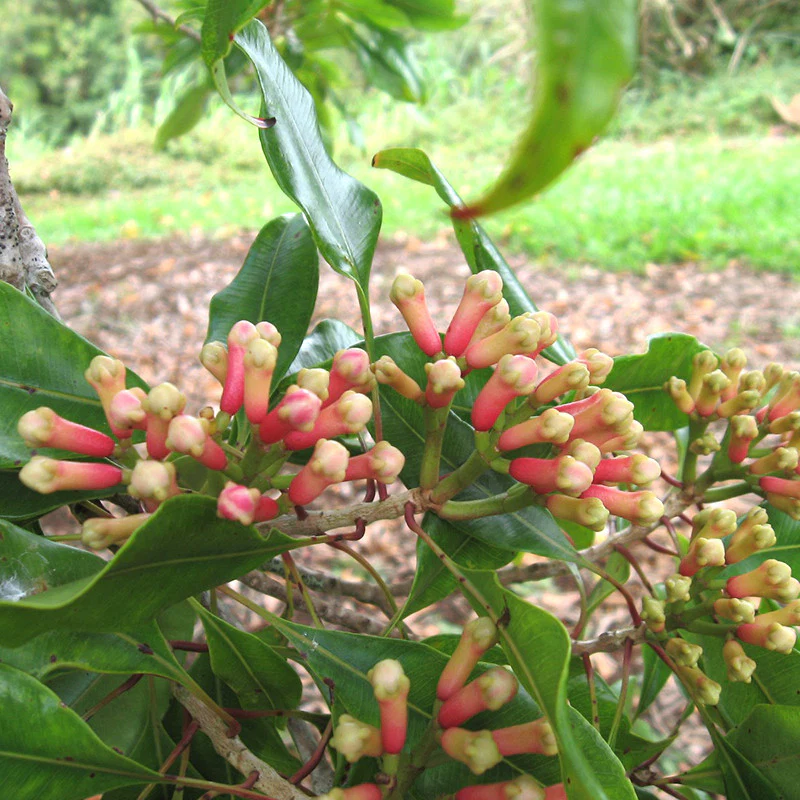
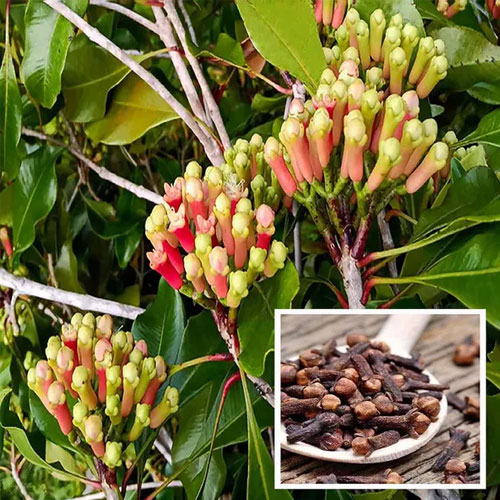
Lavanga belongs to the Myrtaceae family and is obtained from the dried flower buds of the clove tree.
- Scientific Name: Syzygium aromaticum
- Family: Myrtaceae
- Common Names: Clove, Lavang
- Plant Type: Evergreen tree
- Height: Up to 8–12 meters
- Part Used: Dried flower buds
- Taste: Strong, pungent, and aromatic
Clove trees are mainly grown in tropical regions such as India, Indonesia, and Sri Lanka.
Health Benefits of Lavanga
🔹 1. Improves Digestion
Lavanga stimulates digestive enzymes, helping in better digestion and reducing problems like bloating, gas, and indigestion.
🔹 2. Relieves Toothache
Clove is widely used in dental care due to its analgesic properties. Applying clove oil can help relieve tooth pain and gum inflammation.
🔹 3. Boosts Immunity
Its antimicrobial properties help the body fight infections and strengthen the immune system.
🔹 4. Supports Respiratory Health
Lavanga helps in relieving cough, cold, and throat irritation. It is commonly used in herbal remedies for respiratory conditions.
🔹 5. Anti-inflammatory Properties
Clove helps reduce inflammation in the body and can be beneficial in conditions like arthritis.
🔹 6. Freshens Breath
Due to its strong aroma and antibacterial action, clove is effective in reducing bad breath and maintaining oral hygiene.
🔹 7. Regulates Blood Sugar
Some studies suggest that clove may help regulate blood sugar levels and improve insulin function.
🔹 8. Supports Liver Health
Clove has antioxidant properties that help protect the liver from damage caused by toxins.
Common Names
- Sanskrit: Lavanga
- Hindi: Laung
- English: Clove
Active Compounds
- Eugenol (main compound)
- Essential oils
- Flavonoids
These compounds provide strong antiseptic, analgesic, and anti-inflammatory effects.
Traditional Uses
1. Dental Health
Lavanga is widely used to:
- Relieve toothache
- Reduce gum pain
- Fight oral infections
2. Digestive Health
It helps:
- Improve digestion
- Reduce gas and bloating
3. Respiratory Health
Traditionally used to:
- Relieve cough and cold
- Clear congestion
4. Antimicrobial Properties
Lavanga helps:
- Fight bacteria and fungi
- Prevent infections
5. Pain Relief
It helps:
- Reduce pain and inflammation
- Provide quick relief
Chemical Constituents
Clove contains several active compounds responsible for its medicinal effects:
- Eugenol (main active compound)
- Flavonoids
- Tannins
- Essential oils
Eugenol is known for its powerful antiseptic and pain-relieving properties.
Ayurvedic Properties
According to Ayurveda, Lavanga possesses the following characteristics:
- Rasa (Taste): Katu (Pungent), Tikta (Bitter)
- Guna (Quality): Laghu (Light), Tikshna (Sharp)
- Virya (Potency): Ushna (Hot)
- Vipaka: Katu (Pungent)
- Dosha Effect: Balances Kapha and Vata, may increase Pitta if overused
These properties make Lavanga particularly useful in treating digestive disorders and respiratory issues.
How to Use Lavanga
For Toothache
- Take 1–2 drops of clove oil
- Apply on the affected tooth using cotton
For Digestion
- Chew 1–2 cloves after meals
- Helps reduce gas and bloating
For Cough and Cold
- Boil cloves in water
- Drink the decoction for relief
For Bad Breath
- Chew a clove daily
- Keeps mouth fresh and clean
Methods of Use
- Chewing: For toothache relief
- Oil: Applied for pain
- Tea/Decoction: For digestion and cough
- Spice: Used in cooking
Precautions
- Use in moderate amounts
- Avoid excessive use
- Use diluted oil only
Side Effects & Precautions
- Excess consumption may cause acidity
- Clove oil should not be used in large quantities
- May cause irritation in sensitive individuals
- Pregnant women should consult a doctor before use
- Mouth irritation (in excess)
- Sensitivity to strong oil
Modern Research
Scientific studies on Syzygium aromaticum have confirmed its:
- Antibacterial properties
- Anti-inflammatory effects
- Antioxidant activity
Eugenol, the main compound in clove, is widely used in dental care products due to its effectiveness in pain relief and infection control.
Culinary Uses
Apart from medicinal benefits, Lavanga is widely used in cooking:
- Used in spice blends like garam masala
- Added to rice dishes and curries
- Used in teas and herbal drinks
It enhances both flavor and nutritional value.
Description of Lavanga (Lavanga)
Lavanga, commonly known as clove, is a highly valued spice and medicinal herb in Ayurveda, known for its strong aroma and powerful healing properties. It is obtained from the dried flower buds of the clove tree and has been used for centuries in traditional medicine as well as in cooking.
Lavanga contains active compounds such as eugenol, which provide strong antiseptic, anti-inflammatory, and pain-relieving effects. It is especially effective in relieving toothache, improving oral health, and fighting infections. It also supports digestion by reducing gas and enhancing appetite, and helps relieve respiratory issues like cough and cold.
Due to its warming nature, Lavanga helps balance Vata and Kapha doshas and promotes overall body strength. With its wide range of medicinal benefits and everyday uses, Lavanga remains an important natural remedy for maintaining health, hygiene, and overall well-being.
Vernacular names
Assamese : Lavang, Lan, Long
Bengali : Lavang
English : Clove
Gujrati : Lavang, Laving
Hindi : Lavanga, Laung
Kannada : Lavanga
Kashmiri : Rung
Malayalam : Karampu, Karayarnpoovu,
Grampu
Marathi : Lavang
Oriya : Labanga
Punjabi : Laung, Long
Tamil : Kirambu, Lavangam
Telugu : Lavangalu
Urdu : Qarnful, Laung
Uses
Wikibooks Cookbook has a recipe/module on


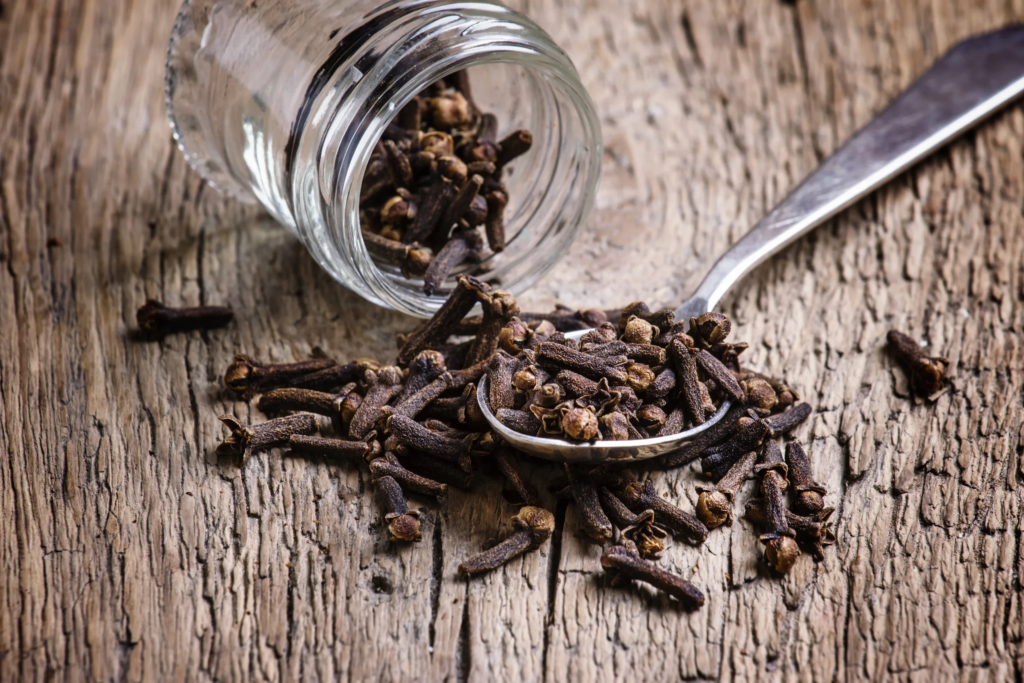
Cloves are used in the cuisine of Asian, African, Mediterranean, and the Near and Middle East countries, lending flavor to meats (such as baked ham), curries, and marinades, as well as fruit (such as apples, pears, and rhubarb). Cloves may be used to give aromatic and flavor qualities to hot beverages, often combined with other ingredients such as lemon and sugar. They are a common element in spice blends (as part of the Malay rempah empat beradik –”four sibling spices”– besides cinnamon, cardamom and star anise for example, including pumpkin pie spice and speculaas spices.
In Mexican cuisine, cloves are best known as clavos de olor, and often accompany cumin and cinnamon. They are also used in Peruvian cuisine, in a wide variety of dishes such as carapulcra and arroz con leche.
A major component of clove’s taste is imparted by the chemical eugenol, and the quantity of the spice required is typically small. It pairs well with cinnamon, allspice, vanilla, red wine, basil, onion, citrus peel, star anise, and peppercorns.Uses
Conclusion
Lavanga is a powerful Ayurvedic herb known for its strong antimicrobial and pain-relieving properties. It is especially useful for dental care, digestion, and respiratory health. When used properly, it supports overall well-being and natural healing.
Lavanga is a powerful and versatile Ayurvedic herb known for its strong antimicrobial, anti-inflammatory, and pain-relieving properties. It is especially effective in supporting dental health, improving digestion, and relieving respiratory issues such as cough and cold.
With its warming nature and rich medicinal value, Lavanga helps balance Vata and Kapha doshas while promoting overall health and vitality. Its long history of use in both traditional medicine and daily life highlights its importance as a reliable natural remedy.
Overall, Lavanga stands out as a valuable herb that supports oral care, aids digestion, and contributes to long-term well-being when used in proper amounts.

1 thought on “Lavanga : Natural Remedy for Toothache and Cough.”