

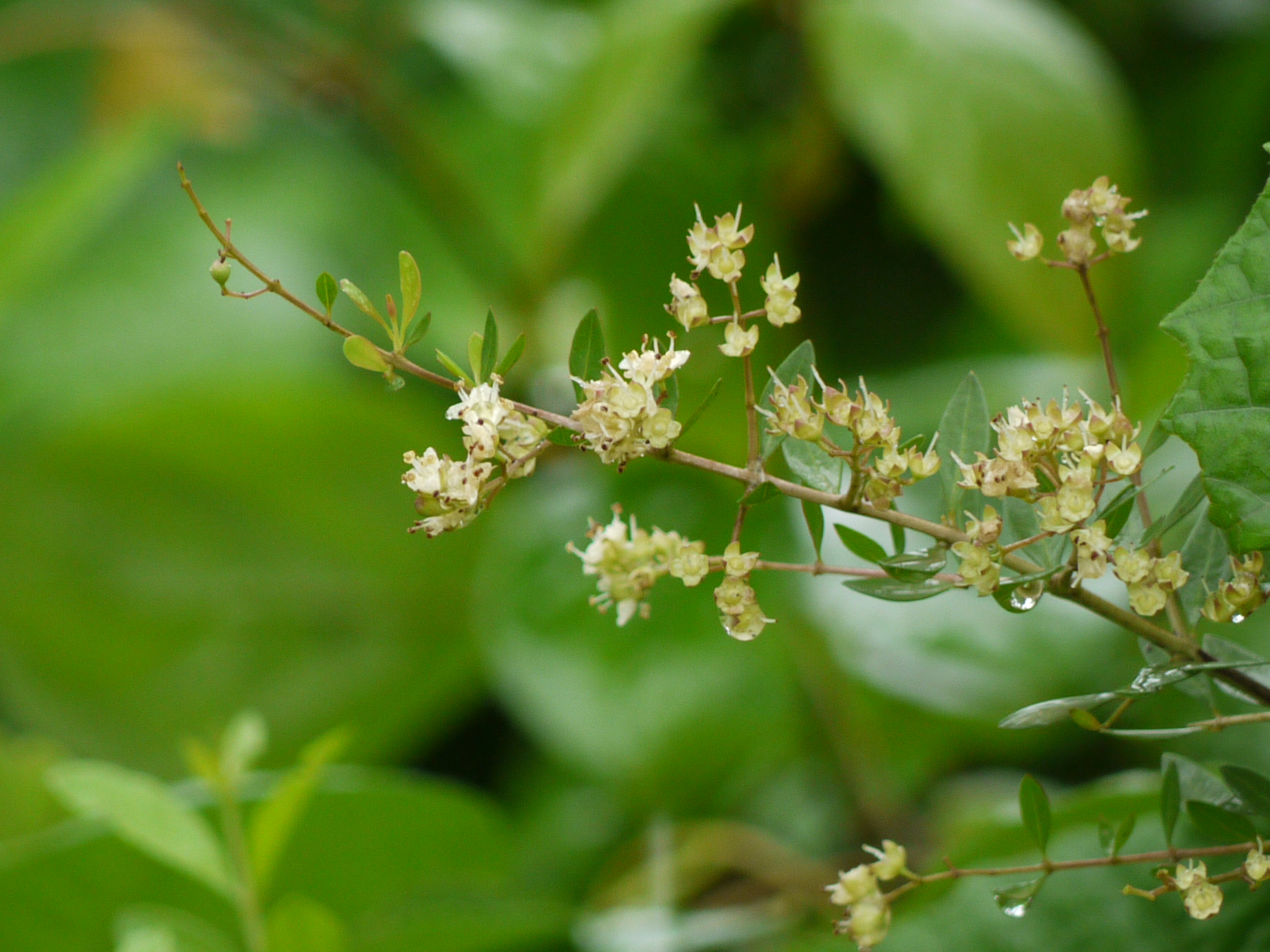

Lawsonia inermis,
Lythraceae
Introduction
Madayanti, commonly known as Henna, is a well-known medicinal and cosmetic herb in Ayurveda. It is widely used for its cooling, healing, and beautifying properties. Traditionally, Madayanti has been used for hair care, skin care, and treating various inflammatory conditions.
Madayanti, commonly known as Henna, is a widely used medicinal and cosmetic herb in Ayurveda, valued for its cooling, healing, and beautifying properties. It has been used for centuries in traditional practices for hair care, skin care, and natural body cooling.
The leaves of Madayanti contain active compounds such as lawsone, tannins, and flavonoids, which provide antimicrobial, anti-inflammatory, and natural coloring effects. It is especially popular for strengthening hair, promoting hair growth, and improving scalp health, as well as for soothing skin conditions and reducing irritation.
With its natural cooling nature, Madayanti helps balance Pitta and Kapha doshas and supports overall skin and hair wellness. Its long history of safe use makes it an important natural remedy for beauty and health.
Botanical Description
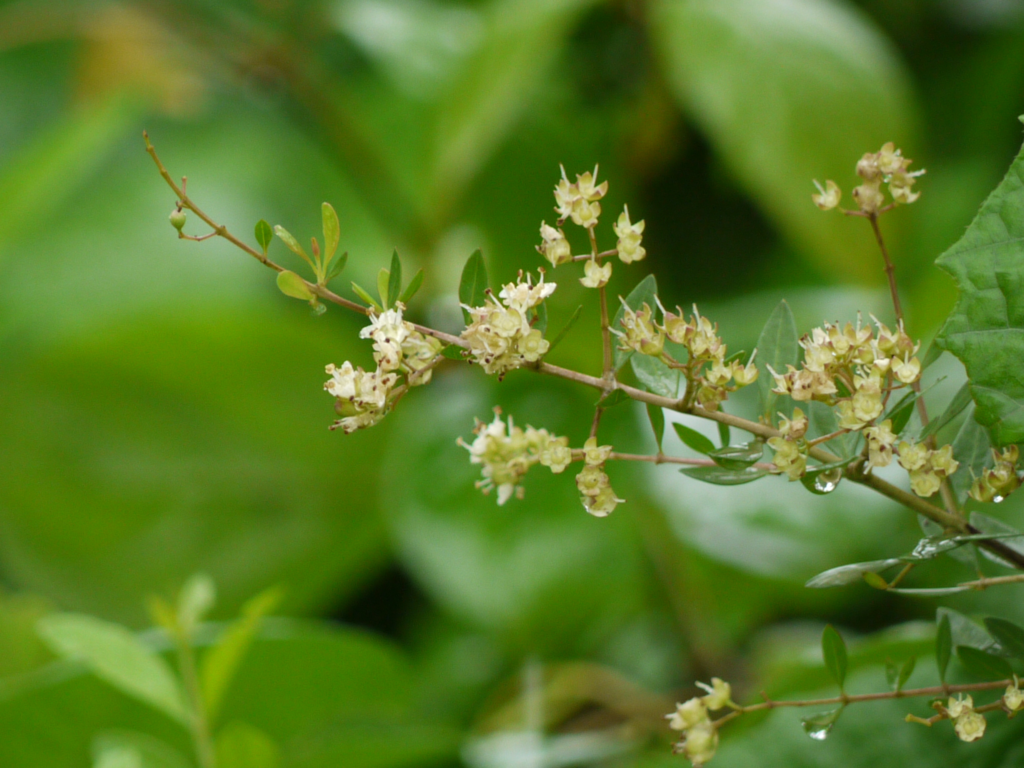
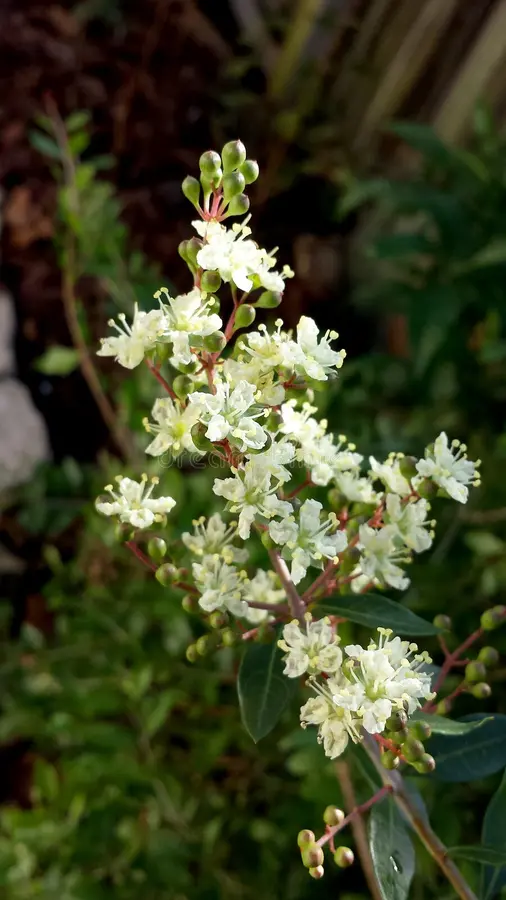
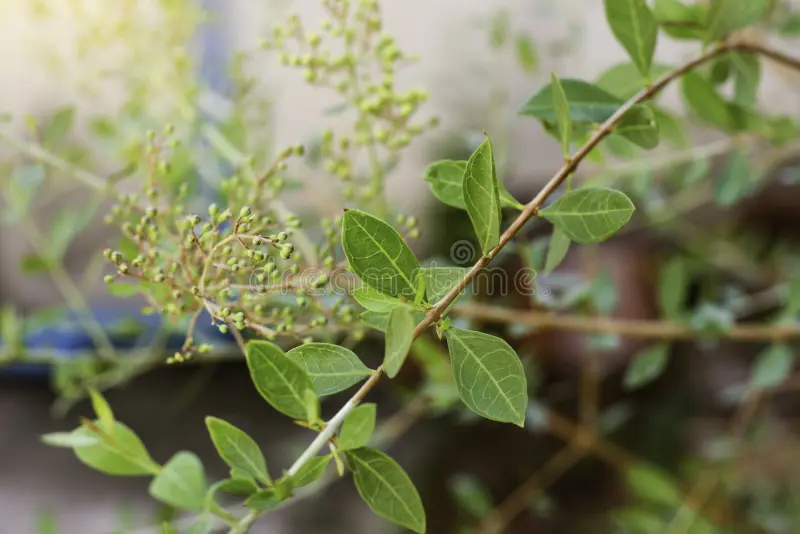
Madayanti belongs to the Lythraceae family and is a flowering shrub that thrives in hot and dry climates. It is commonly cultivated in India, especially in Rajasthan, Gujarat, and Madhya Pradesh.
- Scientific Name: Lawsonia inermis
- Family: Lythraceae
- Common Names: Henna, Mehndi
- Plant Type: Perennial shrub
- Height: 2–6 meters
- Leaves: Small, smooth, and green
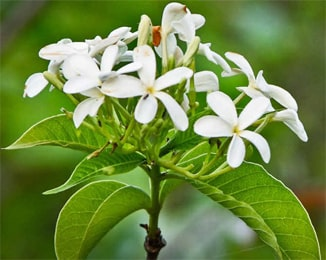
- Flowers: Fragrant, small, and white or pink
- Parts Used: Leaves (mainly), bark, and seeds
The leaves are dried and ground into a fine powder, which is then used for medicinal applications, hair care, and body decoration.
Ayurvedic Properties
In Ayurveda, every herb is classified based on its taste, potency, and effect on the body. Madayanti has the following properties:
- Rasa (Taste): Kashaya (Astringent), Tikta (Bitter)
- Guna (Quality): Laghu (Light), Ruksha (Dry)
- Virya (Potency): Sheeta (Cooling)
- Vipaka (Post-digestive effect): Katu (Pungent)
- Dosha Effect: Pacifies Pitta and Kapha
Due to these properties, Madayanti is highly effective in managing conditions caused by excess heat, inflammation, and toxins in the body.
Health Benefits of Madayanti
🔹 1. Natural Cooling Agent
One of the most important benefits of Madayanti is its cooling effect. When applied to the scalp or skin, it helps reduce body heat and provides relief from burning sensations. This makes it particularly useful during hot weather and in conditions like heat rashes.
🔹 2. Promotes Hair Growth
Madayanti is widely used as a natural remedy for improving hair health. It strengthens hair follicles, nourishes the scalp, and promotes healthy hair growth. Regular use can make hair thicker, stronger, and shinier.
🔹 3. Prevents Hair Fall
Hair fall is often caused by weak roots, scalp infections, or excessive heat in the body. Madayanti helps address these issues by cooling the scalp and improving blood circulation, thereby reducing hair fall.
🔹 4. Treats Dandruff and Scalp Infections
Thanks to its antifungal and antibacterial properties, Madayanti is highly effective in treating dandruff, itching, and scalp irritation. It helps maintain a clean and healthy scalp environment.
🔹 5. Natural Hair Conditioner
Unlike chemical conditioners, henna naturally conditions the hair without causing damage. It smoothens the hair shaft, reduces frizz, and enhances shine.
🔹 6. Skin Care Benefits
Madayanti is also beneficial for skin health. It helps in:
- Treating acne and pimples
- Soothing rashes and irritation
- Healing minor cuts and wounds
- Reducing inflammation
Its cooling and antimicrobial properties make it ideal for sensitive and inflamed skin.
🔹 7. Natural Dye for Hair and Skin
Henna is widely used as a natural dye for coloring hair and creating traditional body art (Mehndi). It provides a reddish-brown color and is free from harmful chemicals like ammonia.
🔹 8. Supports Wound Healing
Madayanti paste can be applied to minor wounds and burns to promote faster healing and prevent infection.
🔹 9. Helps in Managing Headaches
Applying henna paste on the scalp or forehead can provide relief from headaches caused by heat and stress.
Common Names
- Sanskrit: Madayanti
- Hindi: Mehndi
- English: Henna
Active Compounds
- Lawsone
- Tannins
- Flavonoids
These compounds provide coloring, antimicrobial, and anti-inflammatory effects.
Traditional Uses
1. Hair Care
Madayanti is widely used to:
- Strengthen hair
- Promote hair growth
- Add natural color
2. Skin Care
It helps:
- Treat skin infections
- Soothe irritation
- Improve skin health
3. Cooling Effect
Traditionally used to:
- Reduce body heat
- Calm burning sensations
4. Wound Healing
It helps:
- Heal wounds
- Reduce inflammation
5. Nail and Hand Care
Used for:
- Strengthening nails
- Decorative purposes
Methods of Use
Although Madayanti is generally safe, some precautions should be followed:
- May cause dryness if used excessively
- Some individuals may experience allergic reactions
- Always perform a patch test before use
- Avoid using chemically processed henna
- Pregnant or sensitive individuals should consult a doctor
- Paste: Applied to hair and skin
- Powder: Mixed with water or oils
- Decoction: Used for medicinal purposes
Precautions
- Use natural, pure form
- Avoid chemical mixtures
- Test for allergies before use
Side Effects
- Rare when used properly
- Skin irritation (in sensitive individuals)
Modern Research
Modern scientific studies have shown that Lawsonia inermis possesses several beneficial properties, including:
- Antimicrobial activity
- Anti-inflammatory effects
- Antioxidant properties
These findings support its traditional use in Ayurveda for treating skin conditions, infections, and inflammation.
How to Use Madayanti
For Hair Care
- Take henna powder and mix it with water, tea decoction, or curd
- Make a smooth paste
- Apply evenly to scalp and hair
- Leave for 1–2 hours
- Wash with mild shampoo
For better results, you can add amla or bhringraj powder.
For Dandruff Treatment
- Mix henna with neem powder and water
- Apply to scalp
- Leave for 30–60 minutes
- Wash thoroughly
For Skin Care
- Prepare a paste using henna powder and rose water
- Apply to affected area
- Leave until dry and rinse with water
For Cooling Effect
Applying henna paste on palms and soles helps reduce body heat and provides a cooling sensation.
Description of Madayanti:-
Madayanti, commonly known as Henna, is a widely used Ayurvedic herb valued for its natural cooling, healing, and beautifying properties. It is obtained from the leaves of the plant and has been used for centuries in traditional medicine and cosmetic applications.
Madayanti contains active compounds such as lawsone, tannins, and flavonoids, which provide antimicrobial, anti-inflammatory, and natural coloring effects. It is especially known for strengthening hair, promoting hair growth, and improving scalp health. It also helps soothe skin irritation, treat minor infections, and provide a cooling effect to the body.
Due to its cooling nature, Madayanti helps balance Pitta and Kapha doshas and supports overall skin and hair wellness. With its wide range of benefits and long history of safe use, Madayanti remains an important natural remedy for beauty, care, and overall well-being.
Conclusion
Madayanti is a valuable Ayurvedic herb known for its cooling, healing, and beautifying properties. It plays an important role in hair care, skin care, and overall wellness. When used properly, it is safe and highly beneficial.
Madayanti is a versatile and valuable Ayurvedic herb known for its cooling, healing, and beautifying properties. It plays an important role in maintaining healthy hair and skin, helping to strengthen hair, soothe scalp conditions, and reduce skin irritation.
With its natural antimicrobial and anti-inflammatory effects, Madayanti supports overall wellness while promoting natural beauty. Its cooling nature makes it especially beneficial for balancing Pitta and Kapha doshas.
Overall, Madayanti stands out as a safe and effective natural remedy that enhances beauty, supports skin and hair health, and contributes to long-term well-being when used properly.
Properties :
Guna: laghu, ruksha;
Rasa: tikta. kashaya;
Vipaka: katu;
Virya: sheeta;
Karma :
Kushtaghna, bhuta graham vinashana
astringent, antihaemorrhagic, antispasmodic, oxytocic, antifertility, antifungal, antibacterial
Indication :
Raktatisara, kusta,kasa,pandu, jwara, kandu, galaroga, hridroga, mutra krichra
Ulcers, wounds, fever, skin disease, cough,
Part used :
Whole part
Dosage :
Leaf juice 10-15 ml
Powder 2-4 g
Decoction 50-100 ml
Uses :
It is an analgesic, reduces oedema, and is astringent. anti-inflammatory and antidermatosis.
It improves complexion and hair growth and reduces burning sensation.
External application of the paste is useful for burning of hands and feet, headache, joint pains, inflammation, ulcer and skin diseases. Decoction is used for gargling in stomatitis and pharyngitis
(as an astringent). A combination of henna and lndigofera tinctoria is used for dying the hair black. Flowers are used as refrigerant and in insomnia.
Seeds – Extract of seeds stimulates the spleen and liver and hence used in dysentery..
The juice of the leaves is given orally in jaundice.
Flowers – Since the flowers are useful in heart conditions, its hot infusion is used in heart diseases.
Leaves – The juice or decoction of the leaves is used in diseases of the blood. The leaf juice is’
Since it is a diuretic, leaf juice + sugar are used in dysuria and pyuria. It reduces burning in the urine and soothes the urinary tract. The decoction of the leaves is used in dermatoses and syphilis. Hot infusion of the flowers is given in fever.
Formulations : Madayantyadi churna
IUCN STATUS : Least Concern.
Vernacular names
Bengali : Mehadi
English : Henna
Gujrati : Mendi
Hindi : Mehandi
Kannada : Goranta, Korate, Madarangi
Malayalam : Mailanelu
Marathi : Mendi
Tamil : Marudum
Telugu : Gorinta
Urdu : Mehendi, Hin
