


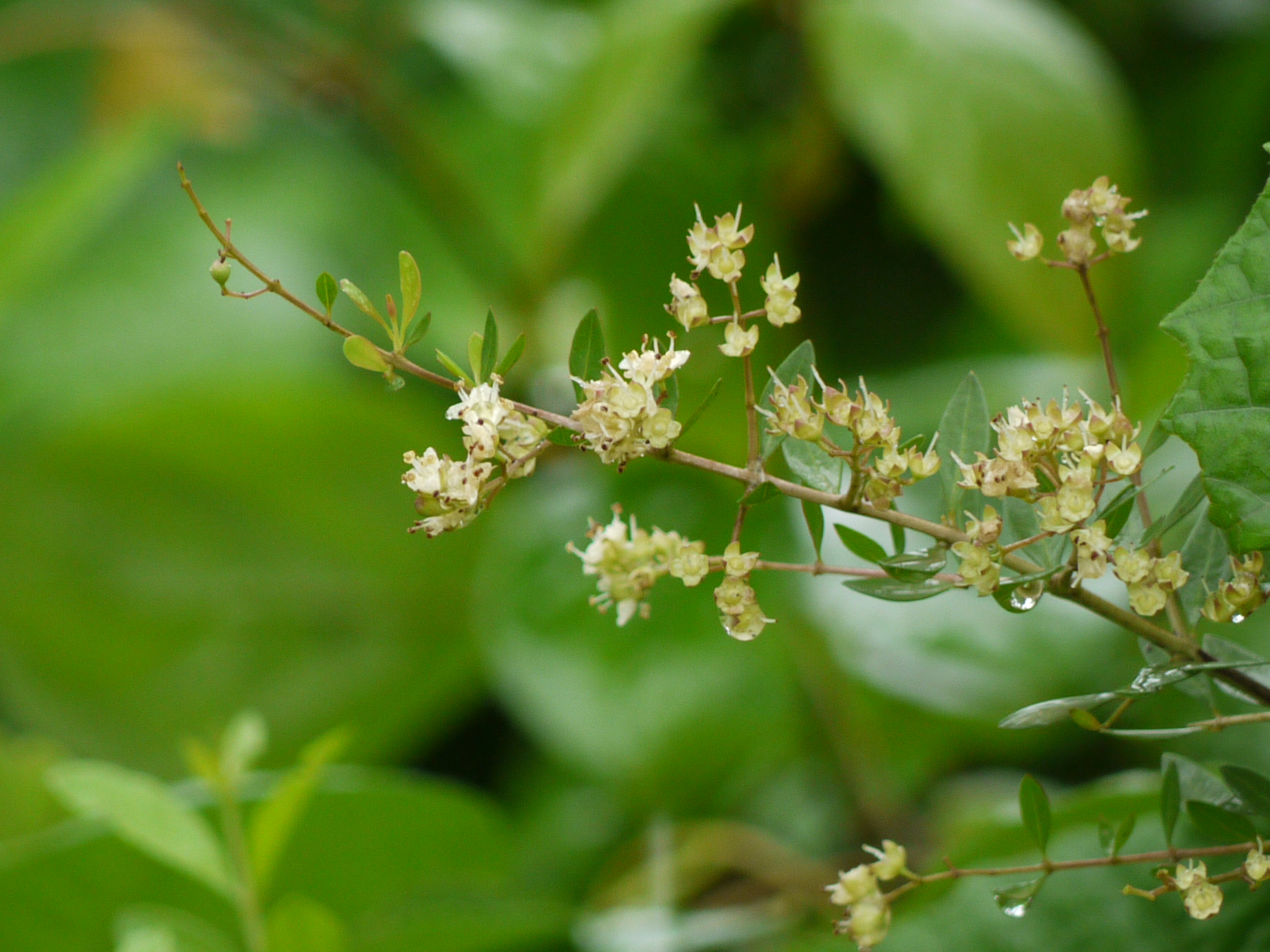


Salix alba
Introduction
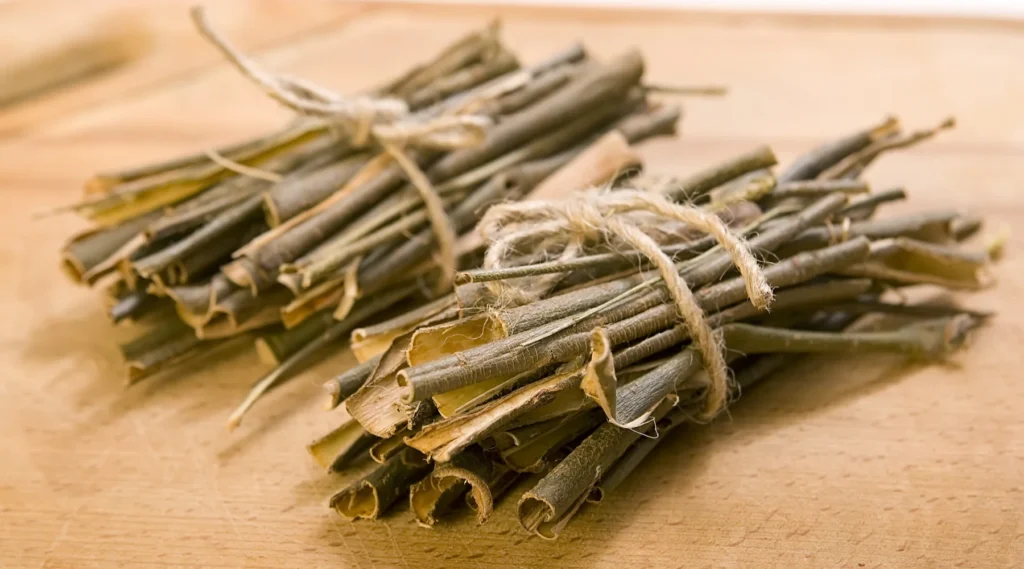
White Willow is a well-known medicinal plant famous for its natural pain-relieving properties. It has been used for thousands of years in traditional medicine, especially in Europe and Asia. The bark of the White Willow tree is the main part used, and it contains a compound called salicin, which is similar to aspirin.
White Willow is a traditional medicinal tree well known for its natural pain-relieving and anti-inflammatory properties. It has been used for thousands of years in herbal medicine, especially in Europe and Asia, for treating pain, fever, and inflammatory conditions. The bark of the White Willow tree is the most important part used for medicinal purposes.
This plant contains a natural compound called salicin, which is similar to aspirin and is responsible for its ability to reduce pain and inflammation. Because of this, White Willow is often considered a natural alternative to modern pain relievers.
With its long history of use and proven effectiveness, White Willow remains an important herb in both traditional and modern natural medicine, especially for managing pain and supporting overall health.
Because of its effectiveness in reducing pain and inflammation, White Willow is often referred to as a natural alternative to aspirin.
Botanical Description
- Scientific Name: Salix alba
- Family: Salicaceae
- Plant Type: Deciduous tree
- Part Used: Bark
- Taste: Bitter
- Nature: Cooling
Common Names
- English: White Willow
- Other Names: Willow Bark
Active Compounds
- Salicin (main active compound)
- Flavonoids
- Tannins
These compounds give White Willow its anti-inflammatory and analgesic (pain-relieving) properties.
Traditional Uses
1. Pain Relief
White Willow is widely used to:
- Relieve headaches
- Reduce back pain
- Ease muscle pain
2. Anti-inflammatory Uses
It helps in:
- Reducing inflammation
- Treating arthritis and joint pain
3. Fever Reduction
Traditionally used to:
- Lower fever
- Treat cold and flu symptoms
4. Heart Health
It may help:
- Improve blood circulation
- Reduce risk of blood clots
5. Menstrual Pain Relief
Used for:
- Reducing menstrual cramps
6. Wound Healing
Applied externally, it may:
- Help heal minor wounds
- Reduce swelling
Ayurvedic Perspective
White Willow is not a classical Ayurvedic herb but is used in herbal practices.
- Taste (Rasa): Bitter
- Nature (Virya): Cooling
- Effect: Helps reduce Pitta and inflammation
Methods of Use
- Decoction (Tea): Bark boiled in water
- Powder: Taken in small amounts
- Capsules/Tablets: Available as supplements
Precautions
- Avoid in children (risk similar to aspirin)
- Not suitable for people allergic to aspirin
- Avoid during pregnancy and breastfeeding
- May interact with blood-thinning medicines
Side Effects
- Stomach irritation
- Nausea (in some cases)
- Allergic reactions
Conclusion
White Willow is a powerful natural remedy known for its pain-relieving and anti-inflammatory effects. Its long history of use makes it an important herb in traditional medicine. However, due to its similarity to aspirin, it should be used carefully and under proper guidance.
White Willow is a valuable medicinal plant known for its natural pain-relieving and anti-inflammatory properties. Its bark, rich in salicin, has been widely used to manage conditions such as headaches, joint pain, and fever, making it a natural alternative to modern painkillers.
With its long history in traditional medicine, White Willow continues to play an important role in supporting overall health, especially in reducing pain and inflammation. However, due to its similarity to aspirin, it should be used with caution and proper guidance to avoid side effects.
Overall, White Willow stands out as an effective and reliable herbal remedy, combining traditional wisdom with modern health benefits.

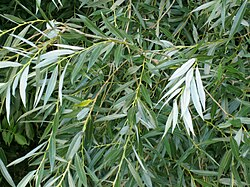
White Willow bark is a time-honored herbal remedy known as the natural source of salicin—the compound that inspired the creation of aspirin. It’s widely used to relieve pain, reduce inflammation, and lower fever, all while being gentle on the stomach compared to synthetic options.
Key Uses & Benefits of White Willow Bark:
Natural Pain Relief
- Eases headaches, muscle pain, joint pain, and backaches.
- Especially helpful for chronic pain like arthritis and rheumatism.
- Acts more slowly than aspirin but with longer-lasting effects.
Anti-inflammatory Effects
- Reduces swelling and inflammation in joints and tissues.
- Helpful for osteoarthritis, tendonitis, and bursitis.
Fever Reduction
- Traditionally used to lower fevers in colds and flu.
- Supports the body’s natural detox and immune response.
Supports Calm & Focus
- May have mild nervous system benefits, helping to reduce irritability or tension related to pain.
How to Use White Willow:
- Tea or Decoction – Made from dried bark; slow-acting but effective.
- Capsules or Extracts – For more precise dosing and convenience.
- Topical Creams – Used in some pain-relieving salves for sore muscles and joints.
Precautions:
- Avoid if allergic to aspirin or salicylates.
- Not recommended for children, pregnant women, or those with bleeding disorders.
- Can interact with blood thinners, NSAIDs, or other medications—consult your doctor if unsure.
- Unlike aspirin, it’s gentler on the stomach, but overuse can still irritate the digestive tract.
White Willow is a trusted natural remedy for pain, inflammation, and fever—offering aspirin-like benefits, straight from the tree.
