

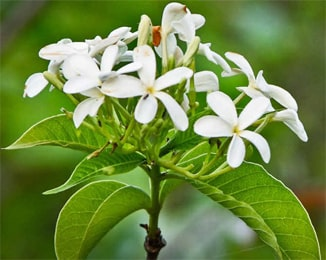

Chionanthus virginicus
Introduction
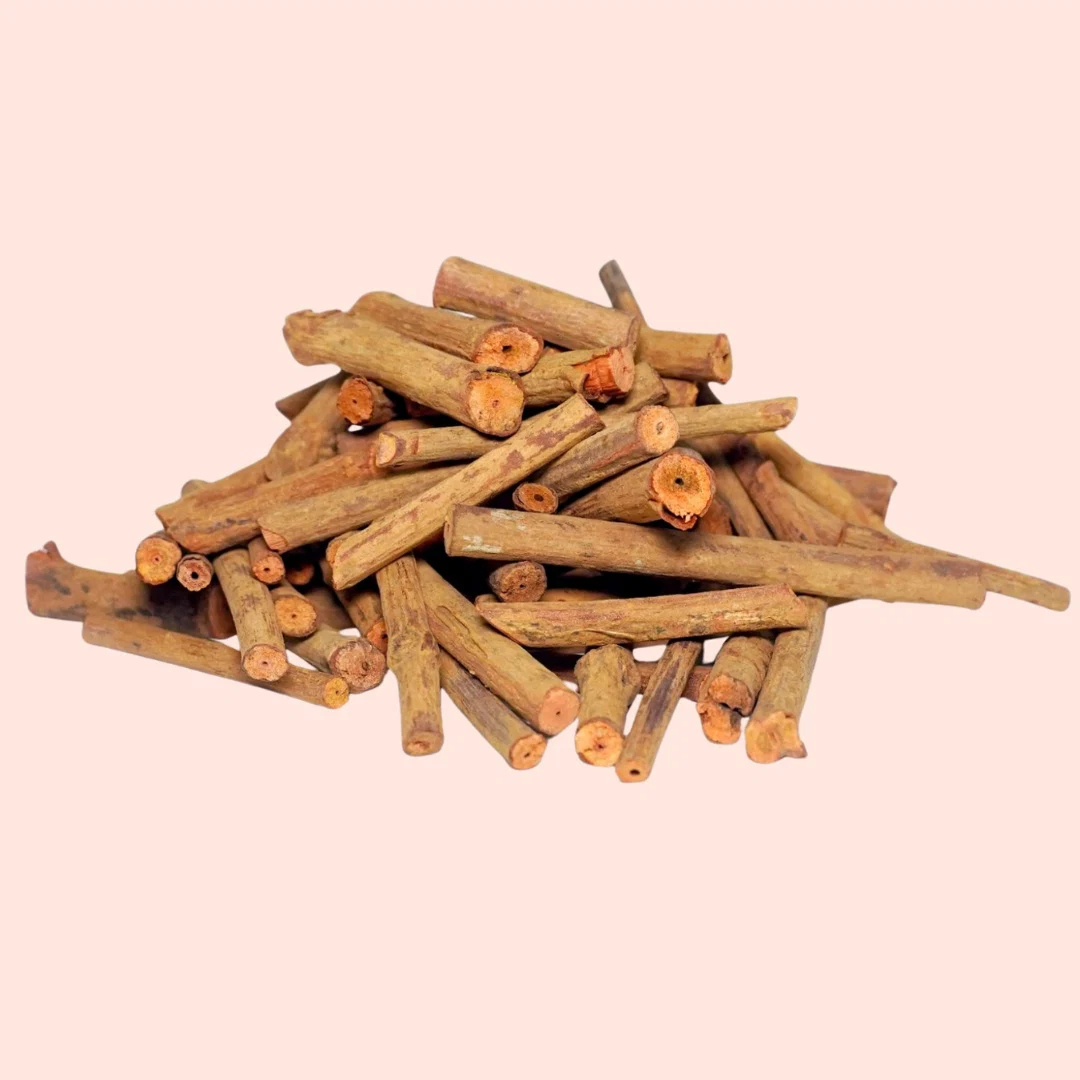
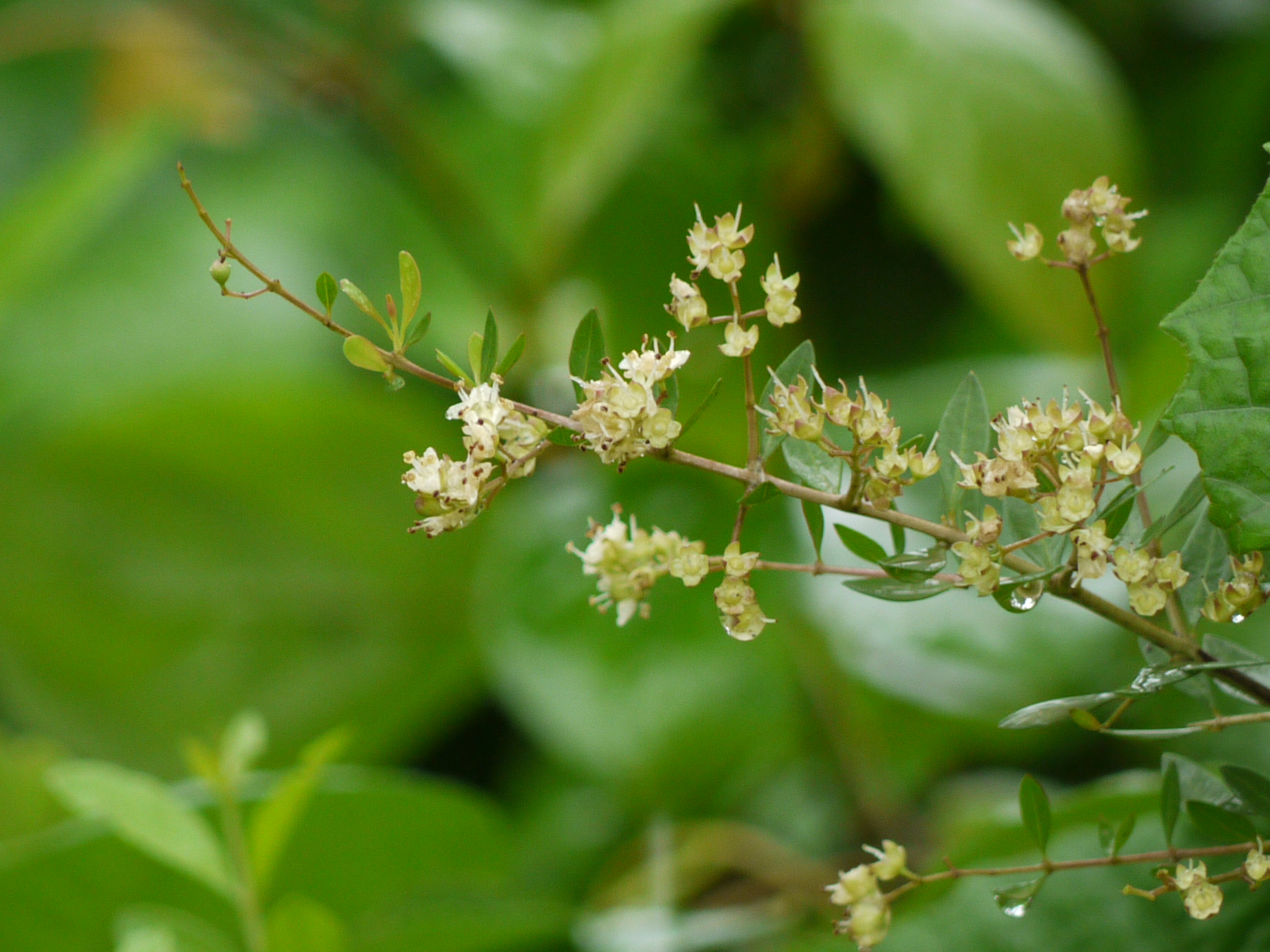
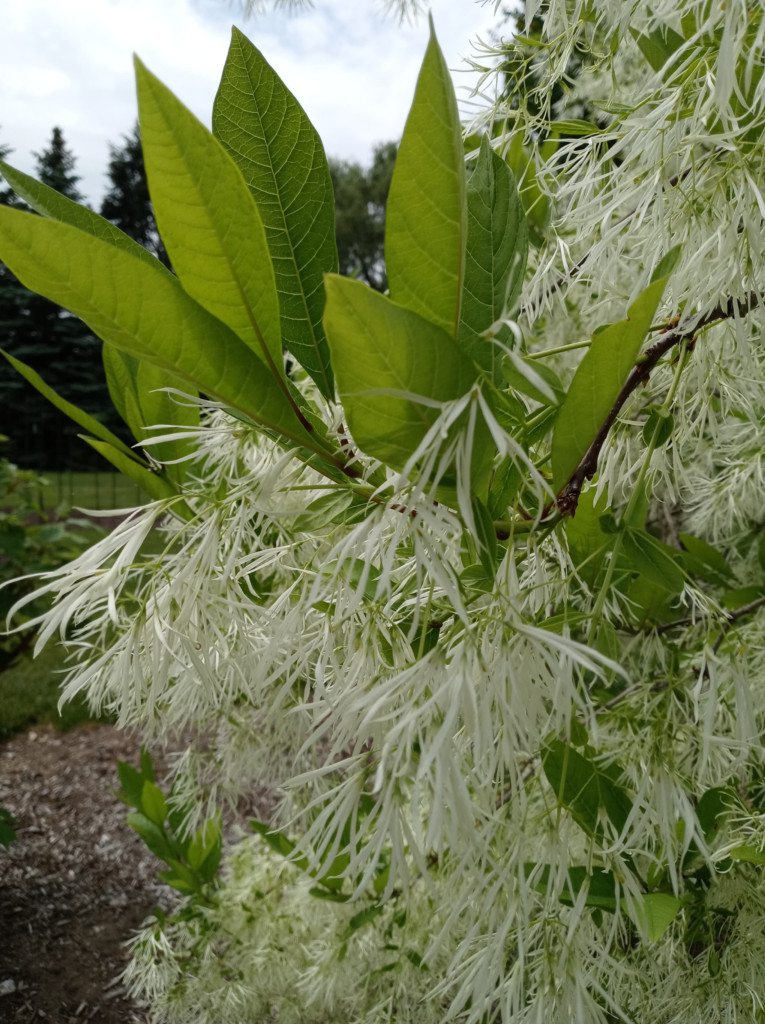
Fringe Tree is a medicinal plant native to North America, known for its delicate, fringe-like white flowers. It has been traditionally used in herbal medicine, especially by Native American communities, for supporting liver health and treating digestive disorders. The bark and root of the plant are mainly used for medicinal purposes.
Fringe Tree is particularly valued for its ability to stimulate bile flow and improve liver and gallbladder function.
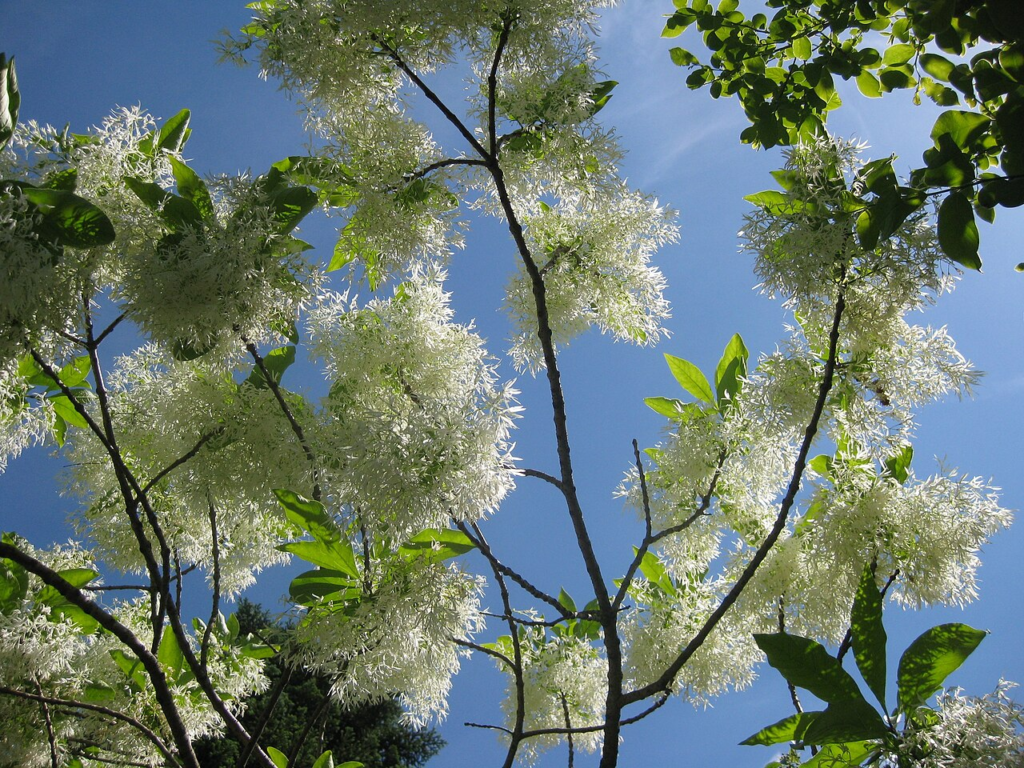
Fringe Tree is a small flowering tree native to North America, known for its beautiful, delicate white flowers that resemble fringes. It has been used for centuries in traditional herbal medicine, especially by Native American communities, for its therapeutic properties. The root bark of the plant is mainly used for medicinal purposes.
Traditionally, Fringe Tree is valued for its ability to support liver and gallbladder health. It helps stimulate bile production, which is important for proper digestion and detoxification. Due to its bitter nature, it is also known to improve appetite and digestive function.
With its natural healing properties, Fringe Tree continues to be used in herbal practices for maintaining liver health, aiding digestion, and promoting overall well-being.
Botanical Description
- Scientific Name: Chionanthus virginicus
- Family: Oleaceae (Olive family)
- Plant Type: Small tree or shrub
- Parts Used: Root bark, stem bark
- Taste: Bitter
- Nature: Cooling
Common Names
- English: Fringe Tree
- Other Names: Old Man’s Beard, Snowflower
Active Compounds
- Lignans
- Flavonoids
- Saponins
These compounds contribute to its liver-protective and anti-inflammatory properties.
Traditional Uses
1. Liver Health
Fringe Tree is mainly used to:
- Support liver function
- Detoxify the liver
- Improve bile secretion
It is often used in liver-related disorders.
2. Gallbladder Support
Traditionally used for:
- Gallbladder problems
- Stimulating bile flow
- Supporting fat digestion
3. Digestive Health
It helps in:
- Relieving indigestion
- Reducing bloating
- Improving appetite
4. Jaundice Treatment
Fringe Tree has been traditionally used for:
- Managing jaundice
- Supporting liver recovery
5. Anti-inflammatory Uses
It helps reduce inflammation and may be used for:
- Mild pain
- Internal inflammation
6. Detoxification
Fringe Tree supports the body in:
- Eliminating toxins
- Cleansing the digestive system
Methods of Use
- Decoction: Bark boiled in water
- Tincture: Concentrated herbal extract
- Powder: Used in herbal preparations
Precautions
- Use only under professional guidance
- Avoid during pregnancy
- Excess use may cause digestive discomfort
Side Effects
- Nausea (rare)
- Mild stomach upset
Conclusion
Fringe Tree is a valuable traditional herb known for its strong effects on liver and gallbladder health. Its ability to support digestion and detoxification makes it an important remedy in herbal medicine. However, due to its potency, it should be used carefully and with proper guidance.
Fringe Tree is a valuable traditional medicinal plant known for its beneficial effects on liver and gallbladder health. It has been widely used to support bile production, improve digestion, and assist in the natural detoxification of the body. Its role in managing conditions like indigestion and jaundice highlights its importance in herbal medicine.
Although it offers significant health benefits, Fringe Tree should be used with care and proper guidance due to its strong medicinal properties. When used correctly, it can be an effective natural remedy for maintaining digestive balance and overall wellness.
Overall, Fringe Tree remains an important herb in traditional healing systems, valued for its ability to support internal health and promote long-term well-being.
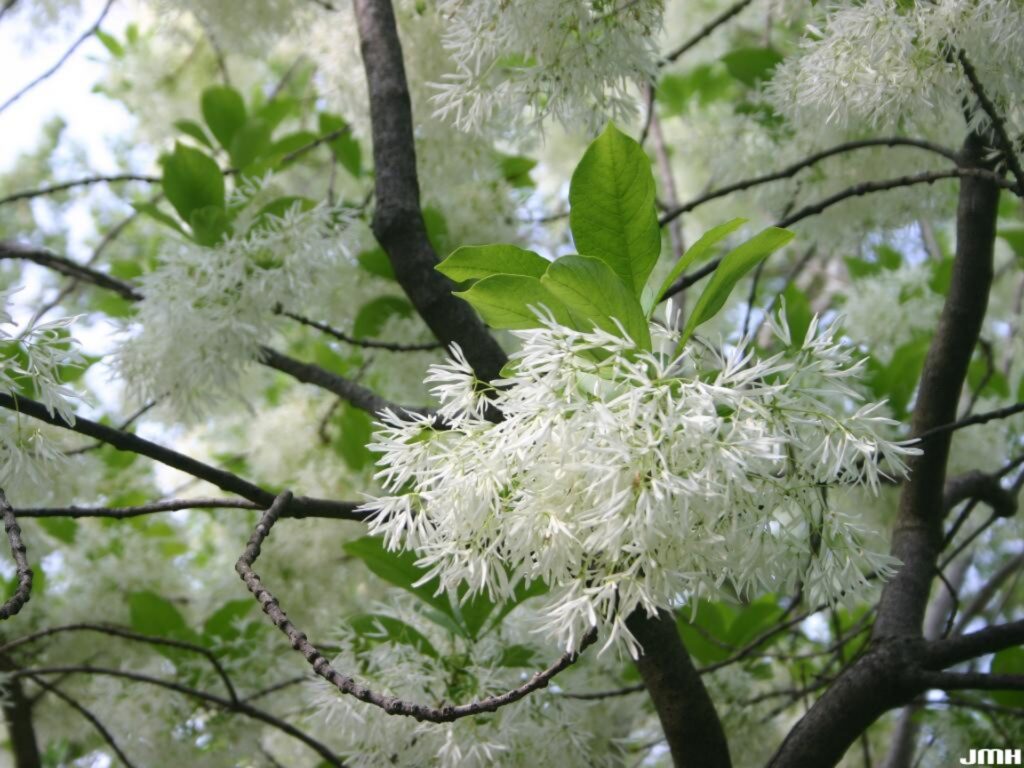
Fringe Tree, also known as Old Man’s Beard, is a beautiful flowering tree native to North America. Traditionally used in herbal medicine, the bark and roots of the Fringe Tree have been valued for their liver-supporting, detoxifying, and anti-inflammatory properties.
Key Uses & Benefits of Fringe Tree:
Liver & Gallbladder Health
- Known for its hepatoprotective (liver-protecting) properties.
- Used to stimulate bile production, which aids in digestion and detoxification.
- Often used in traditional remedies for jaundice, liver congestion, or gallbladder issues.
Detoxifying & Cleansing
- Supports the body’s natural detoxification processes by enhancing liver function.
- Used to purify blood and remove toxins from the body.
Anti-inflammatory
- Helps reduce inflammation in the body, especially in conditions like arthritis or swelling.
- May be used to ease pain and discomfort caused by inflammation.
Digestive Support
- Encourages healthy digestion by supporting the liver and bile flow.
- May help with indigestion or sluggish digestion.
How to Use Fringe Tree:
- Tincture or Extract (root or bark) – Common form for liver health and detox.
- Tea – Made from the bark or leaves, although less common due to the bitter taste.
- Capsules or Tablets – For consistent detox and liver support.
Precautions:
- Not recommended for long-term use or high doses without professional supervision.
- Avoid during pregnancy or breastfeeding due to insufficient safety data.
- Can interact with certain medications, especially those affecting liver function—consult with a healthcare provider before use.
Fringe Tree is a valuable ally for liver health and detoxification, offering gentle support for cleansing and inflammation relief. 🌿🌳💧
