


Cynara scolymus
Introduction
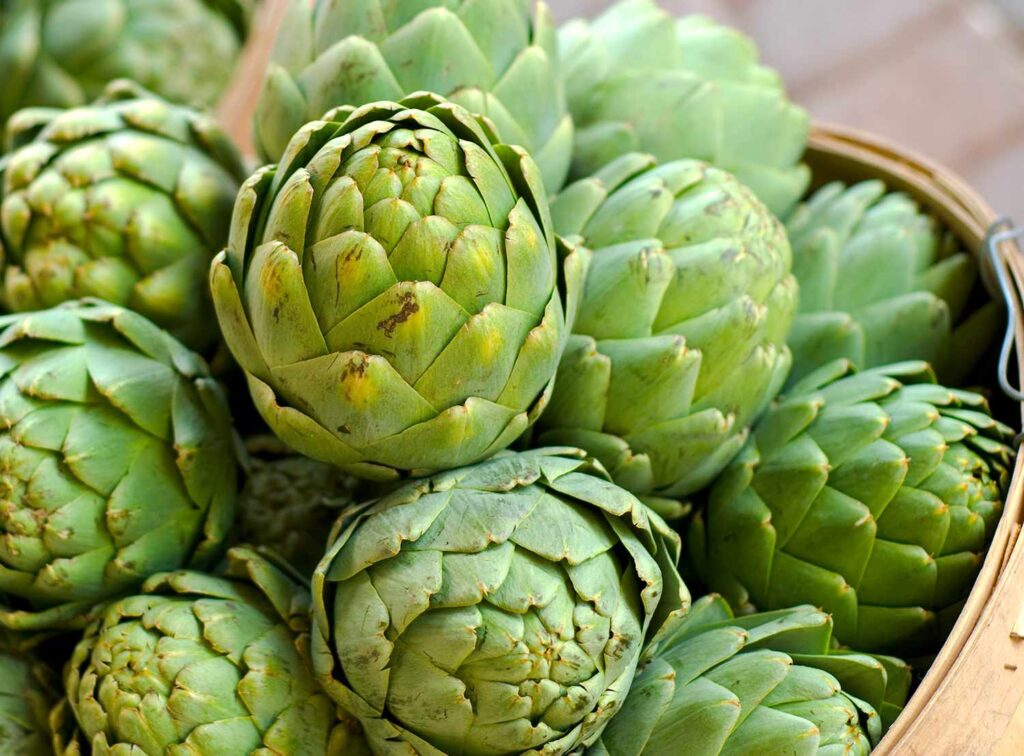
Artichoke is a nutritious and medicinal plant widely known for its edible flower buds and health benefits. It has been used since ancient times in Mediterranean regions, especially in traditional European medicine, for supporting liver health and digestion. Artichoke is rich in antioxidants and beneficial compounds that promote overall wellness.
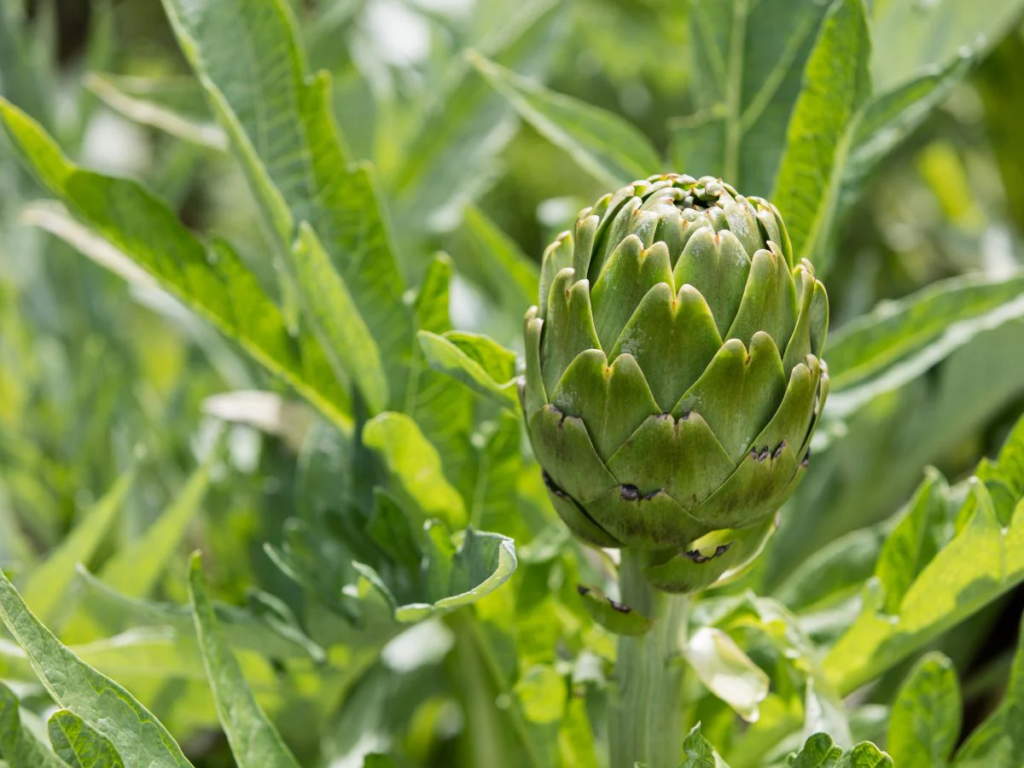
Artichoke is a nutrient-rich medicinal plant known for its edible flower buds and wide range of health benefits. It has been cultivated and used since ancient times, especially in Mediterranean regions, where it was valued both as a food and a natural remedy. The plant belongs to the daisy family and is recognized for its slightly bitter taste and unique structure.
Traditionally, artichoke has been used to support liver function, improve digestion, and promote detoxification. It contains important compounds such as antioxidants and cynarin, which help stimulate bile production and enhance digestive processes. Due to its high fiber content and essential nutrients, artichoke also contributes to heart health and overall wellness.
Today, artichoke continues to be an important part of both traditional and modern herbal medicine, appreciated for its natural ability to support the liver, improve digestion, and maintain overall health.
Botanical Description
- Scientific Name: Cynara scolymus
- Family: Asteraceae
- Plant Type: Perennial herb
- Part Used: Leaves and flower buds
- Taste: Slightly bitter
- Nature: Cooling
Common Names
- English: Artichoke
- Hindi: Hathi Chak / Artichoke (commonly used as is)
- Other: Globe Artichoke
Nutritional Value
Artichoke is rich in:
- Fiber
- Vitamin C, Vitamin K
- Folate
- Magnesium, Potassium
- Antioxidants (like cynarin)
Traditional Uses
1. Liver Health
Artichoke is best known for:
- Supporting liver function
- Detoxifying the liver
- Promoting bile production
It helps in improving overall liver health.
2. Digestive Support
It is used to:
- Improve digestion
- Reduce bloating and gas
- Stimulate appetite
Its bitter compounds enhance digestive juices.
3. Cholesterol Management
Artichoke may help:
- Lower bad cholesterol (LDL)
- Improve heart health
4. Detoxification
It helps cleanse the body by:
- Supporting liver detox
- Removing toxins
5. Blood Sugar Control
Artichoke may assist in:
- Regulating blood sugar levels
- Supporting diabetic health
6. Antioxidant Properties
Rich in antioxidants, it helps:
- Protect cells from damage
- Reduce oxidative stress
7. Skin Health
By detoxifying the body, it may:
- Improve skin clarity
- Support healthy skin
Ayurvedic Perspective
Artichoke is not a classical Ayurvedic herb but is used in modern herbal practice.
- Taste (Rasa): Bitter
- Nature (Virya): Cooling
- Effect: Supports liver and digestion
Methods of Use
- Cooked Vegetable: Used in salads and dishes
- Herbal Tea: Made from leaves
- Extract/Capsules: Used as supplements
Precautions
- Avoid if allergic to plants in the daisy family
- May cause mild digestive discomfort in some people
- Consult a doctor if you have gallbladder issues
Side Effects
- Gas or bloating (rare)
- Allergic reactions (rare)
Conclusion
Artichoke is a highly nutritious and medicinal plant valued for its ability to support liver health, improve digestion, and provide antioxidant protection. Its traditional and modern uses make it an important herb for maintaining overall health and well-being.
Artichoke is a highly beneficial plant valued for both its nutritional and medicinal properties. It is especially known for supporting liver health, improving digestion, and promoting natural detoxification. Its rich content of antioxidants, fiber, and essential nutrients makes it an excellent addition to a healthy diet.
In traditional and modern herbal practices, artichoke continues to play an important role in maintaining overall wellness, particularly in supporting the digestive and cardiovascular systems. When used properly, it is generally safe and effective.
Overall, artichoke stands out as a natural remedy that combines health benefits with nutritional value, making it a valuable herb for promoting long-term health and well-being.
Artichoke is not just a delicious vegetable but also a powerful medicinal plant with a long history of use in traditional medicine. Its leaves contain compounds that support digestive health, liver function, and cholesterol balance. Artichoke has gained recognition for its ability to support the body’s natural detox processes.
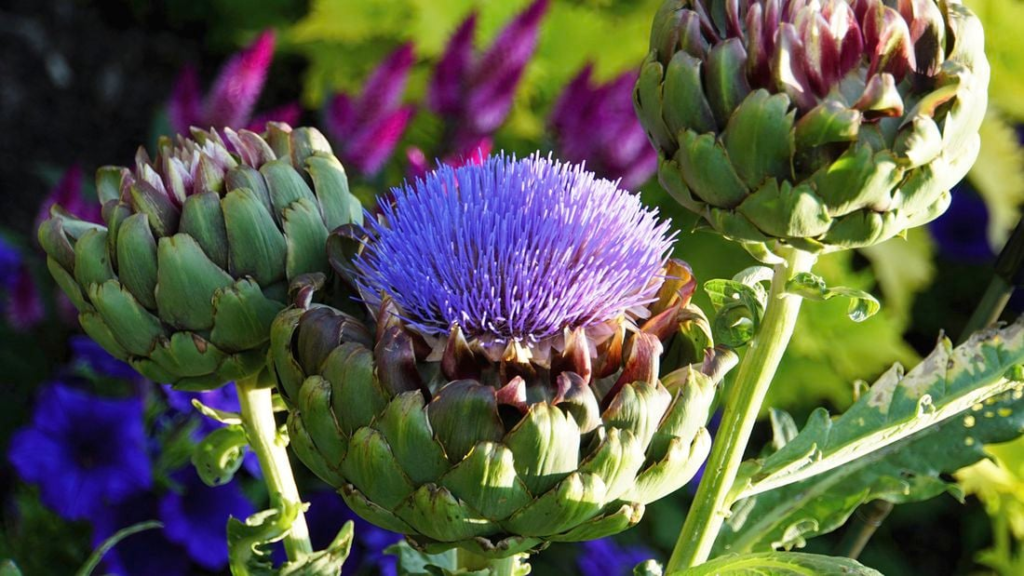
Key Uses & Benefits of Artichoke:
Digestive Aid & Bile Stimulation
- Stimulates bile production, which helps in the digestion of fats and overall gut health.
- Reduces bloating, indigestion, and gas by supporting the liver and gallbladder.
- Helps alleviate nausea, heartburn, and irritable bowel syndrome (IBS).
Liver Detox & Support
- Artichoke has hepatoprotective properties, helping to repair liver tissue and promote detoxification.
- Helps the liver process and eliminate toxins, improving overall liver function.
- May assist in the treatment of liver diseases like fatty liver disease or cirrhosis.
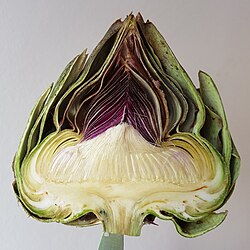
Cholesterol & Heart Health
- Lowers cholesterol levels, especially LDL (bad cholesterol).
- Supports cardiovascular health by helping regulate cholesterol levels and improving blood circulation.
- Antioxidant properties help reduce oxidative stress that can damage blood vessels and tissues.
Antioxidant Protection
- Contains cynarin and silymarin, powerful antioxidants that protect cells and fight oxidative damage.
- Supports the body’s immune system by reducing inflammation and cellular damage.
How to Use Artichoke:
- Tea – Made from dried artichoke leaves for digestive and liver support.
- Extract or Capsules – Available for targeted liver and cholesterol support.
- Culinary Use – Fresh artichoke hearts can be eaten in salads or as part of meals.
- Tincture – Concentrated form for digestive aid and detoxification.
Precautions:
- Generally safe for most people, but avoid if you have allergies to daisies, ragweed, or other plants in the Asteraceae family.
- Consult a healthcare provider before using if you have gallbladder issues or are taking medications for cholesterol or liver disease.
- Pregnant and breastfeeding women should consult a doctor before using artichoke as an herbal remedy.
Agricultural output


Cultivation of the globe artichoke is concentrated in the Americas and the countries bordering the Mediterranean basin. The main European producers are Italy, Spain, and France and the main American producers are Argentina, Peru and the United States. In the United States, California provides nearly 100% of the U.S. crop, with about 80% of that being grown in Monterey County; there, Castroville proclaims itself to be “The Artichoke Center of the World” and holds the annual Castroville Artichoke Festival. More recently, artichokes have been grown in South Africa in a small town called Parys, located along the Vaal River.
