

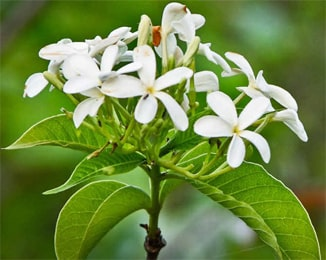


Cynara scolymus
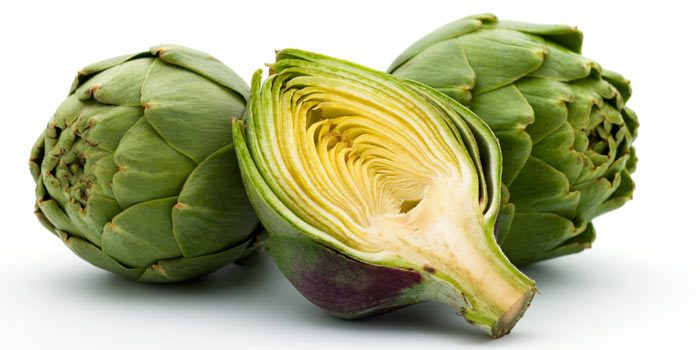
Introduction
Artichoke, scientifically known as Cynara scolymus, is a nutrient-rich vegetable valued for its digestive and liver-supporting properties. Though widely used in Western diets, it is increasingly recognized in natural and herbal medicine for its health benefits.
Artichoke, scientifically known as Cynara scolymus, is a highly nutritious vegetable and medicinal plant valued for its remarkable health benefits. It is widely used in culinary traditions around the world and is also recognized in herbal medicine for its therapeutic properties.
Rich in dietary fiber, vitamins, and powerful antioxidants, artichoke plays an important role in supporting digestion, liver health, and overall well-being. Its edible flower bud is especially prized for both its unique taste and health-promoting qualities.
In modern natural medicine, artichoke is commonly used to improve digestive function, regulate cholesterol levels, and protect the liver. Its growing popularity highlights its importance as a natural remedy for maintaining a healthy and balanced lifestyle.
Botanical Description
Artichoke is a perennial plant belonging to the thistle family.
- Scientific Name: Cynara scolymus
- Family: Asteraceae
- Common Name: Globe Artichoke
Key Features
- Height: 1–2 meters
- Leaves: Large, silvery-green, deeply lobed
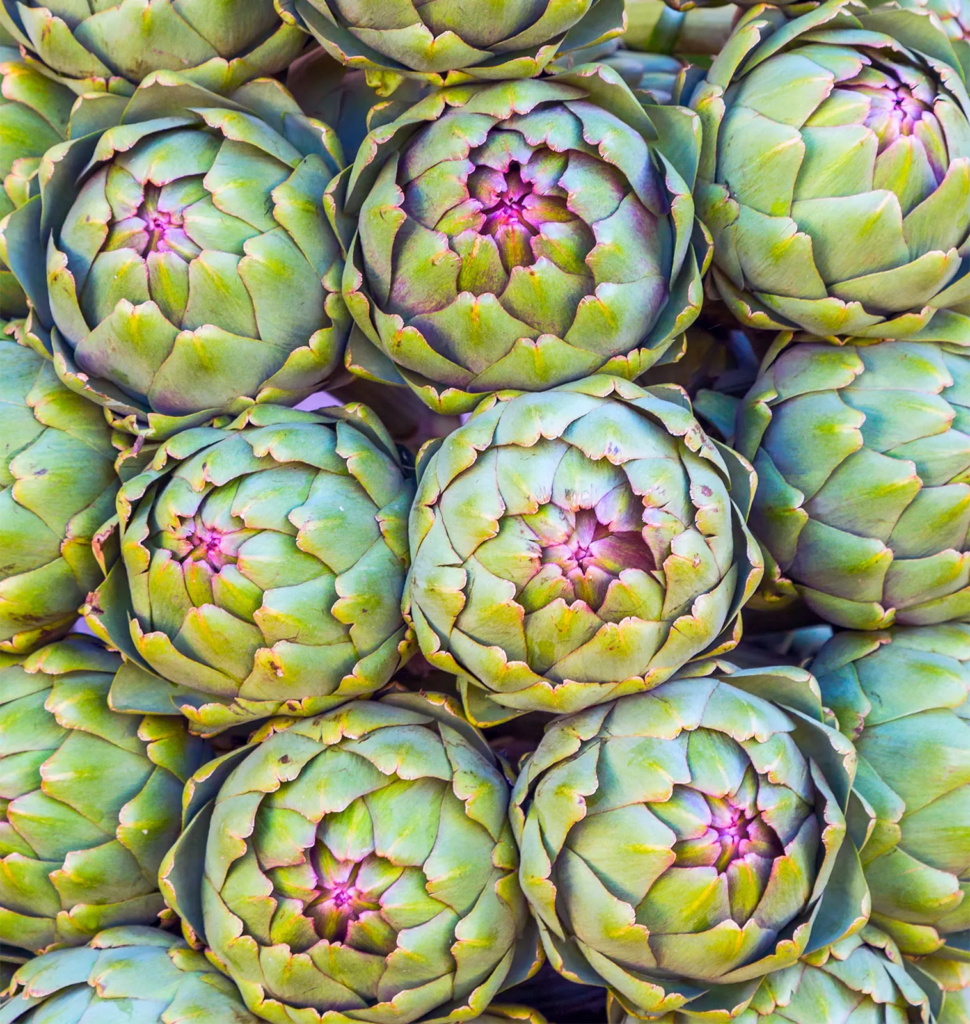
- Flower Bud: Edible part, large and round
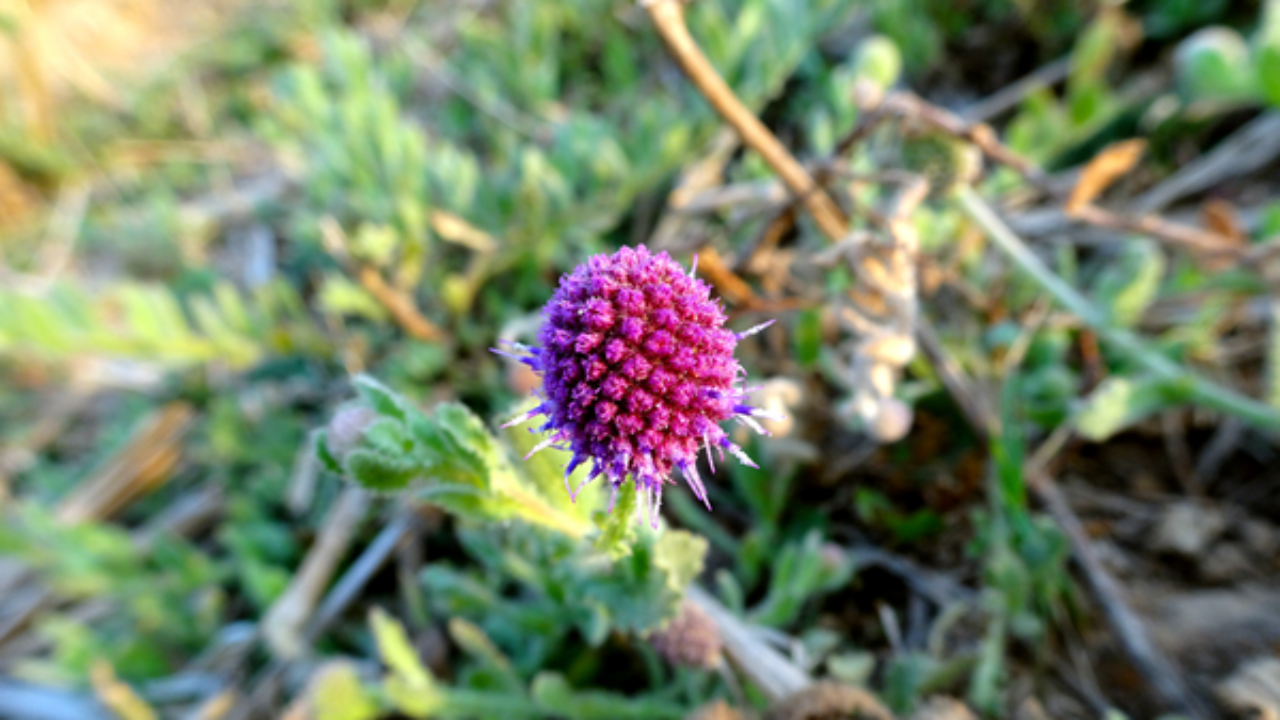
- Flowers: Purple, thistle-like when mature
Nutritional Value
Artichoke is rich in:
- Fiber
- Vitamin C
- Vitamin K
- Folate
- Antioxidants
Health Benefits
1. Supports Liver Health
Artichoke helps detoxify the liver and improves its function.
2. Improves Digestion
Stimulates bile production, aiding digestion and reducing bloating.
3. Helps Lower Cholesterol
Supports reduction of bad cholesterol (LDL).
4. Rich in Antioxidants
Protects the body from oxidative stress.
5. Supports Heart Health
Helps maintain healthy blood pressure and circulation.
6. Aids in Weight Management
Low in calories and high in fiber, promoting satiety.
Traditional and Modern Uses
- Used as a vegetable in cooking
- Consumed as herbal tea or extract
- Used in supplements for liver health
Active Compounds
Artichoke contains:
- Cynarin (supports liver function)
- Flavonoids
- Polyphenols
How to Use Artichoke
1. Cooked Vegetable
Steamed or boiled and eaten.
2. Artichoke Tea
Made from leaves.
3. Extract or Capsules
Used for medicinal purposes.
Precautions
- Avoid in bile duct obstruction
- May cause allergies in some individuals
- Consult a doctor if on medication
Conclusion
Artichoke is a highly nutritious and medicinal plant known for its digestive and liver-supporting properties. Its rich antioxidant content and health benefits make it a valuable addition to a healthy diet and natural medicine practices.
Artichoke (Cynara scolymus) is a highly beneficial plant that combines excellent nutritional value with powerful medicinal properties. Its rich content of fiber, vitamins, and antioxidants makes it an important addition to a healthy diet and natural healthcare practices.
Known especially for its ability to support liver function and improve digestion, artichoke plays a significant role in maintaining overall metabolic health. Its active compounds, such as cynarin and flavonoids, help detoxify the body, regulate cholesterol levels, and protect against oxidative stress.
In addition to its internal health benefits, regular consumption of artichoke contributes to heart health, weight management, and improved immunity. Its versatility as both a food and a medicinal herb makes it a valuable component of modern wellness.
However, like all natural remedies, artichoke should be consumed in moderation, and individuals with specific health conditions should seek medical advice before use.
Incorporating artichoke into a balanced lifestyle—along with proper nutrition and healthy habits—can greatly enhance overall well-being. Its growing recognition in both traditional and modern medicine highlights its importance as a natural solution for long-term health and vitality.
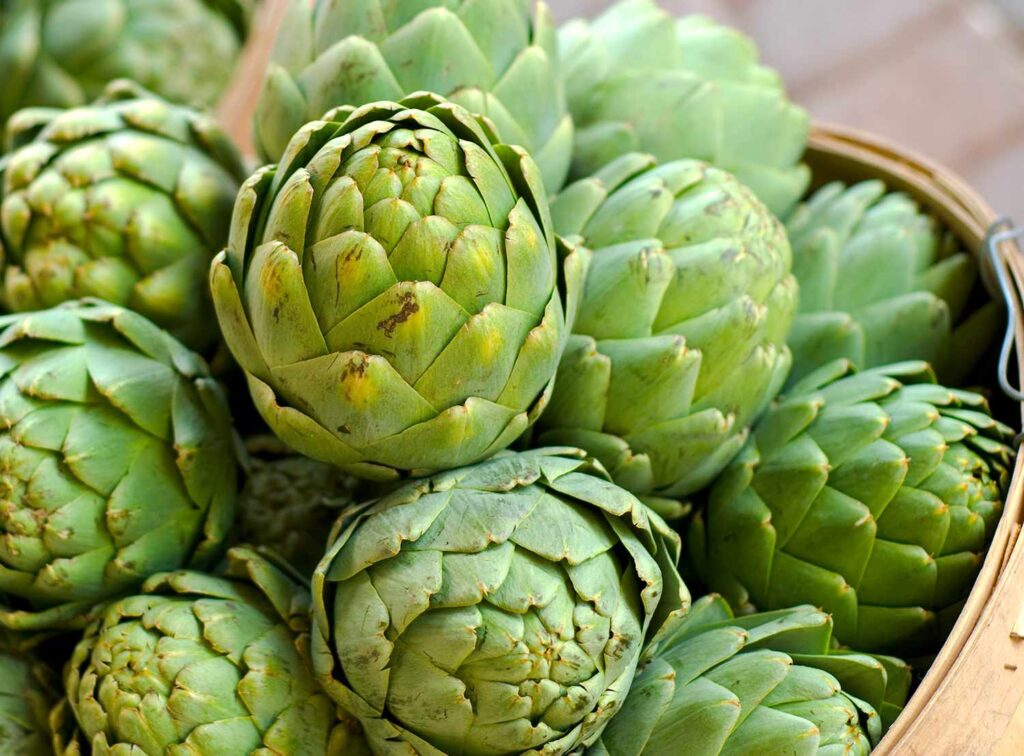
Key Uses & Benefits of Artichoke:
Digestive Aid & Bile Stimulation
- Stimulates bile production, which helps in the digestion of fats and overall gut health.
- Reduces bloating, indigestion, and gas by supporting the liver and gallbladder.
- Helps alleviate nausea, heartburn, and irritable bowel syndrome (IBS).
Liver Detox & Support
- Artichoke has hepatoprotective properties, helping to repair liver tissue and promote detoxification.
- Helps the liver process and eliminate toxins, improving overall liver function.
- May assist in the treatment of liver diseases like fatty liver disease or cirrhosis.
Cholesterol & Heart Health
- Lowers cholesterol levels, especially LDL (bad cholesterol).
- Supports cardiovascular health by helping regulate cholesterol levels and improving blood circulation.
- Antioxidant properties help reduce oxidative stress that can damage blood vessels and tissues.
Antioxidant Protection
- Contains cynarin and silymarin, powerful antioxidants that protect cells and fight oxidative damage.
- Supports the body’s immune system by reducing inflammation and cellular damage.
How to Use Artichoke:
- Tea – Made from dried artichoke leaves for digestive and liver support.
- Extract or Capsules – Available for targeted liver and cholesterol support.
- Culinary Use – Fresh artichoke hearts can be eaten in salads or as part of meals.
- Tincture – Concentrated form for digestive aid and detoxification.
Precautions:
- Generally safe for most people, but avoid if you have allergies to daisies, ragweed, or other plants in the Asteraceae family.
- Consult a healthcare provider before using if you have gallbladder issues or are taking medications for cholesterol or liver disease.
- Pregnant and breastfeeding women should consult a doctor before using artichoke as an herbal remedy.
Artichoke is a nutrient-rich herb that aids digestion, promotes liver health, and supports heart wellness—offering both culinary and medicinal benefits.
