

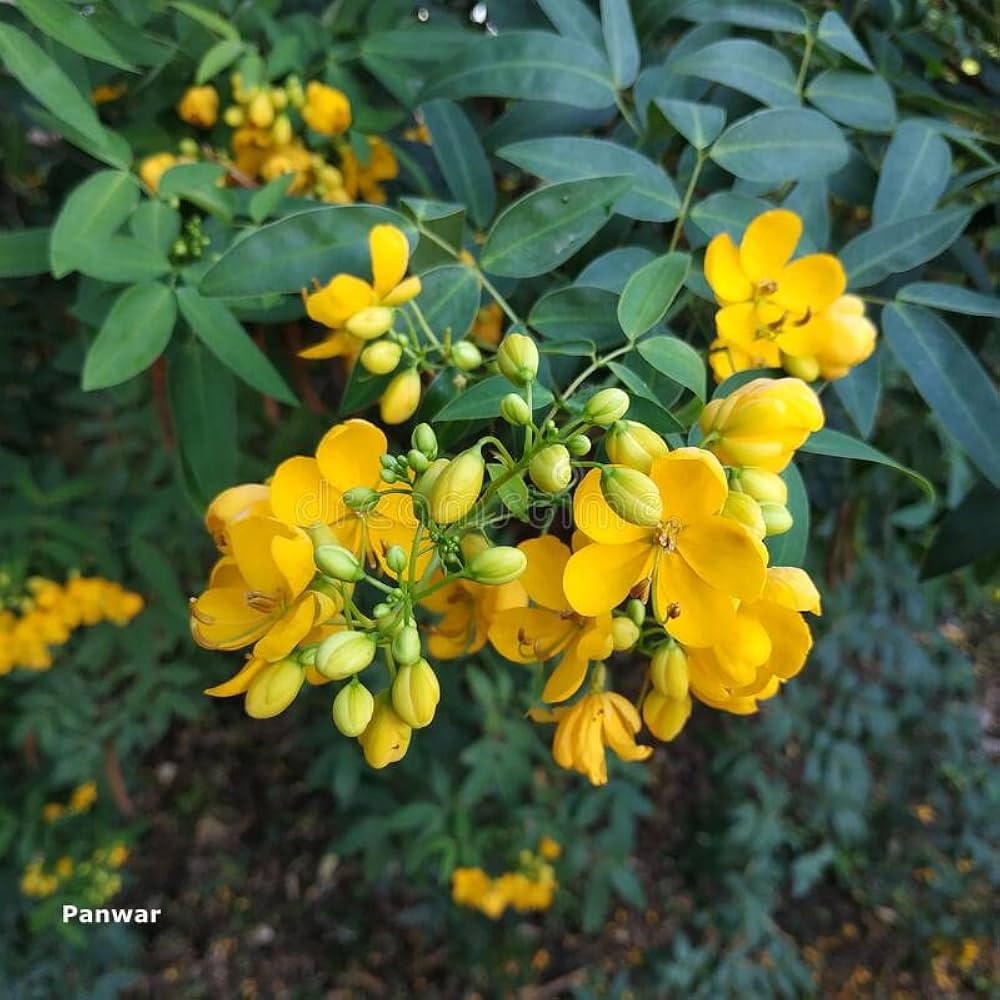
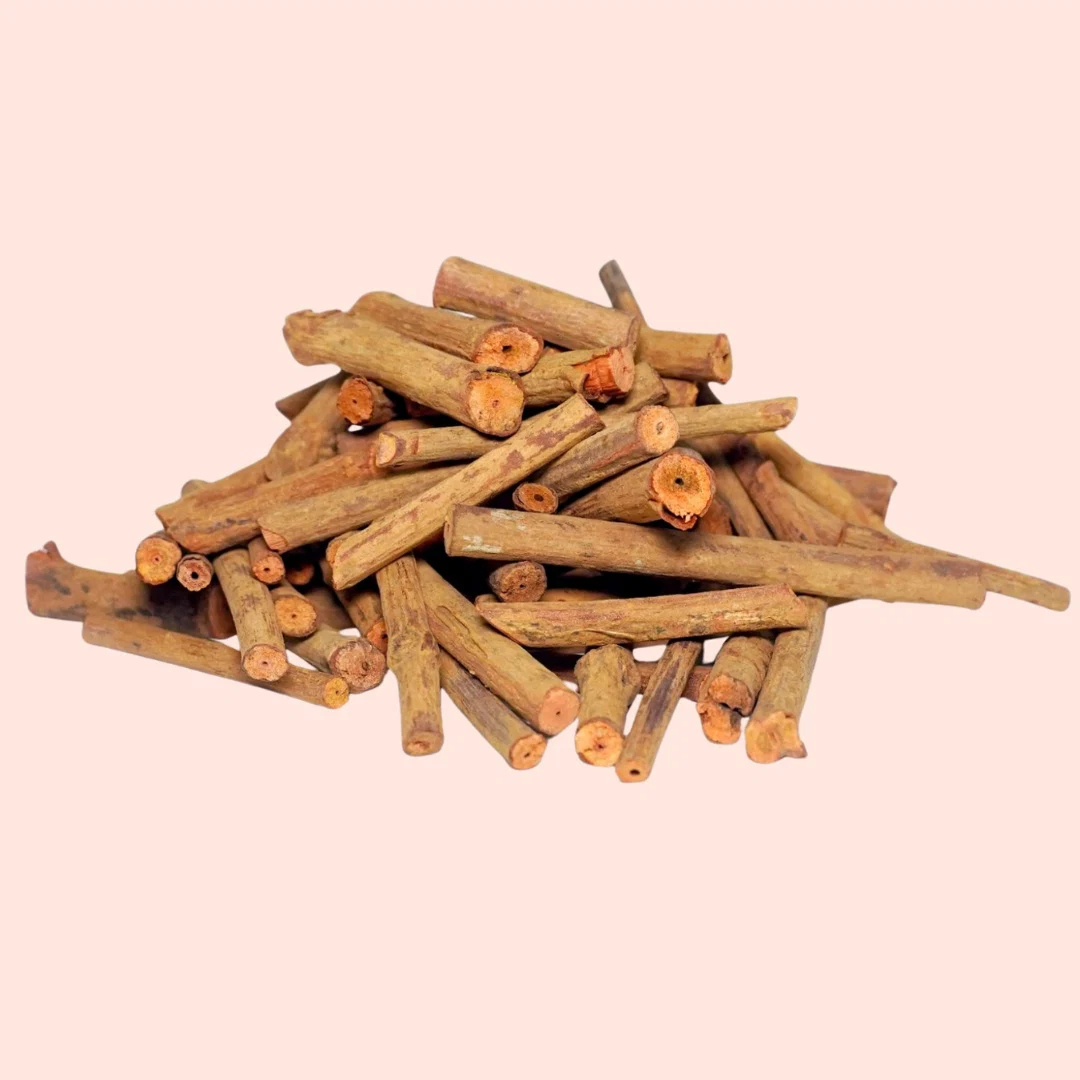
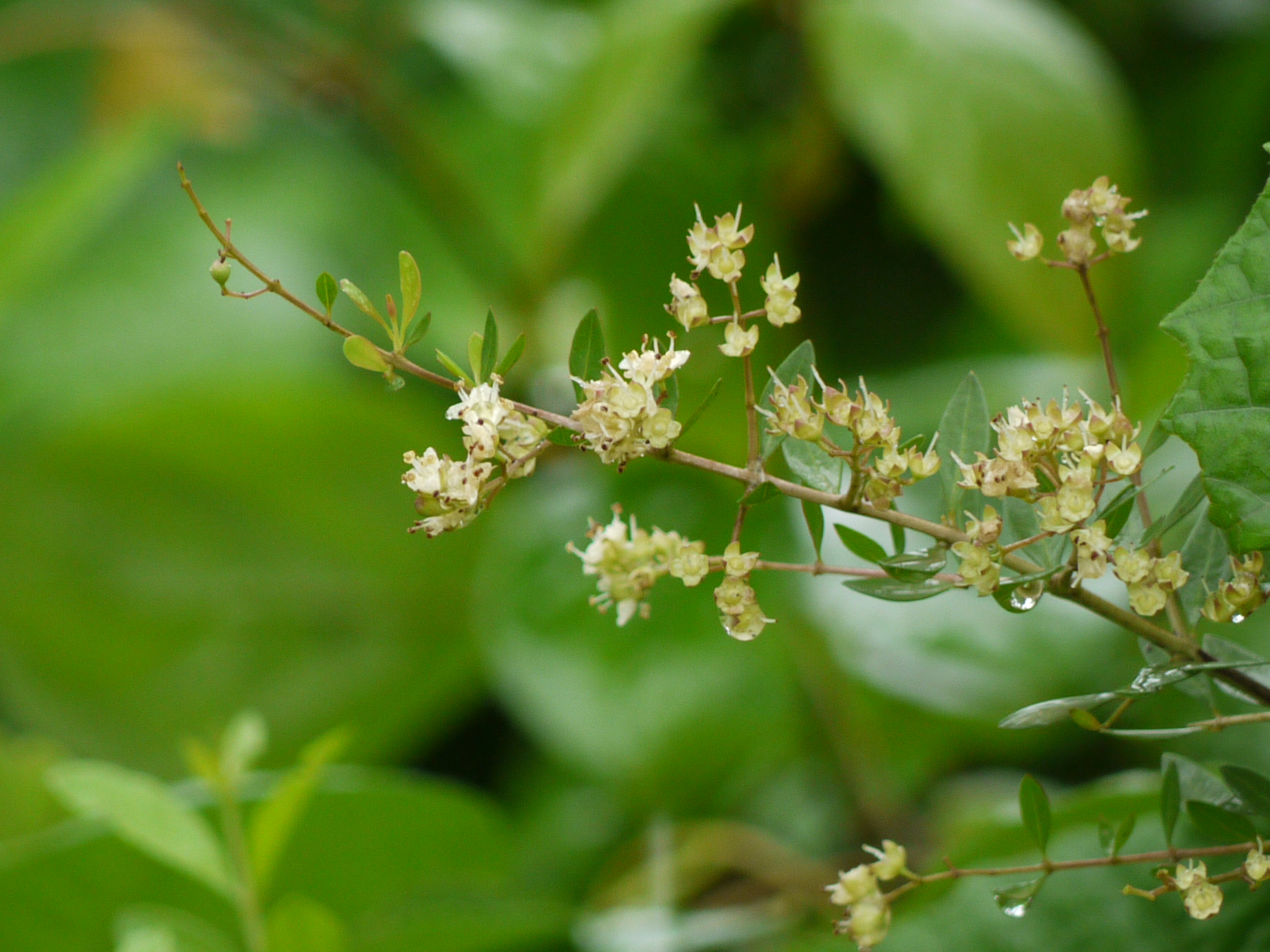
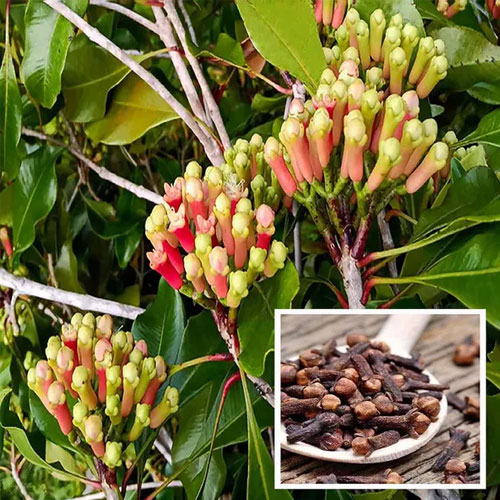
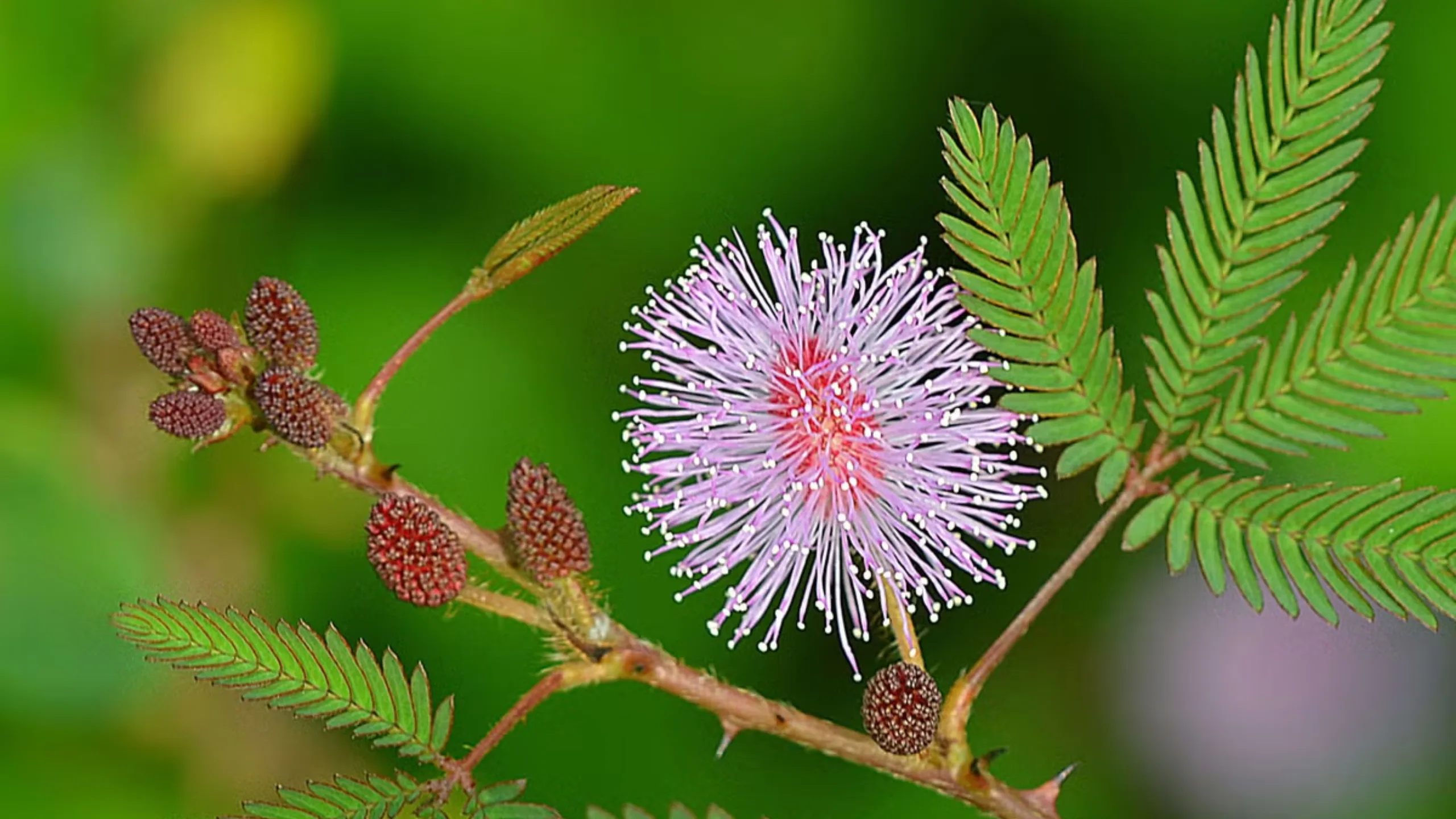

Sesbania grandiflora, Fabaceae
Introduction
Agastya, scientifically known as Sesbania grandiflora, is an important medicinal plant in Ayurveda, valued for its wide range of therapeutic benefits. Commonly known as Agathi or Vegetable Hummingbird tree, it is used in traditional medicine for improving digestion, respiratory health, and overall vitality.
Agastya, scientifically known as Sesbania grandiflora, is a valuable medicinal plant in Ayurveda, widely recognized for its nutritional and therapeutic properties. Commonly known as Agathi, it is used both as a food and as a medicine in traditional healing systems.
In Ayurveda, Agastya is appreciated for its ability to improve digestion, support respiratory health, and detoxify the body. Its leaves, flowers, and bark are all used for medicinal purposes, making it a versatile herb in natural healthcare.
Rich in vitamins, minerals, and antioxidants, Agastya helps strengthen immunity and promotes overall well-being. Its regular use in diet and medicine contributes to better digestion, improved vitality, and balanced bodily functions.
Botanical Description
Agastya is a small, fast-growing tree commonly found in tropical regions.
- Scientific Name: Sesbania grandiflora
- Family: Fabaceae
- Common Names: Agathi, Hummingbird Tree
Key Features
- Height: 3–10 meters
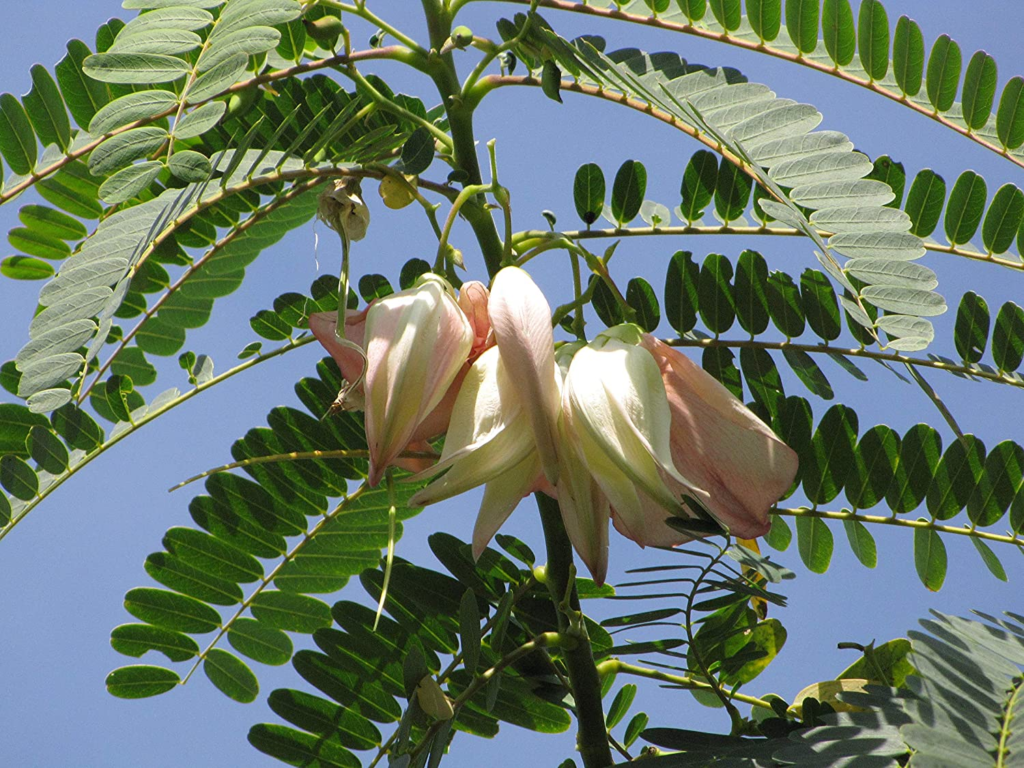
- Leaves: Pinnate with many small leaflets
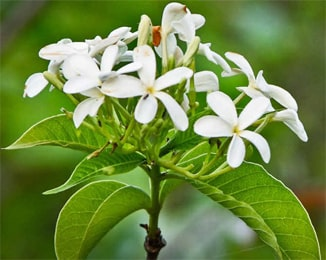
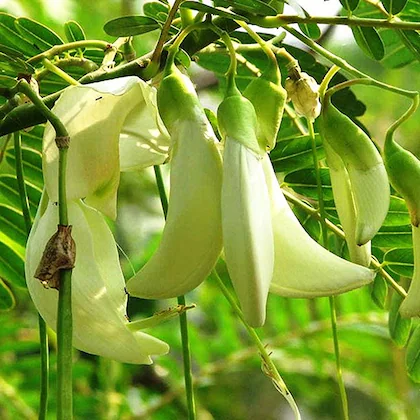
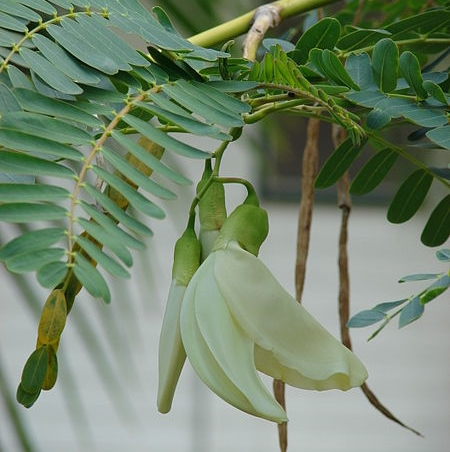
- Flowers: Large, white or red, curved in shape
- Fruits: Long, slender pods containing seeds
Ayurvedic Properties
- Rasa (Taste): Bitter, Astringent
- Guna (Qualities): Light, Dry
- Virya (Potency): Heating
- Vipaka: Pungent
- Dosha Effect: Balances Kapha and Vata
Health Benefits
1. Improves Digestion
Agastya helps stimulate digestion and relieve indigestion.
2. Supports Respiratory Health
Useful in managing cough, cold, and respiratory issues.
3. Promotes Eye Health
Traditionally used to improve vision and eye strength.
4. Anti-inflammatory Properties
Helps reduce inflammation and swelling.
5. Supports Skin Health
Useful in treating skin conditions and wounds.
6. Detoxifies the Body
Helps remove toxins and purify the system.
Traditional Uses in Ayurveda
- Leaves used in digestive and respiratory disorders
- Flowers consumed as a vegetable for health benefits
- Used in herbal formulations for detoxification
- Applied externally for wounds
Modern Scientific Insights
Agastya contains vitamins, flavonoids, and antioxidants that provide anti-inflammatory, antimicrobial, and immune-supporting effects.
How to Use Agastya
1. Leaf Juice
Consumed in small amounts for medicinal use.
2. Flowers as Food
Cooked and eaten as a vegetable.
3. Decoction
Used for therapeutic purposes.
Precautions
- Use in moderation
- Avoid excessive intake
- Consult a doctor for long-term use
Conclusion
Agastya is a versatile Ayurvedic plant known for its digestive, respiratory, and detoxifying benefits. Its use in both food and medicine makes it a valuable herb for maintaining overall health and well-being.
Agastya (Sesbania grandiflora) is a highly beneficial and versatile plant in Ayurveda, valued for both its nutritional and medicinal properties. Its use as a natural remedy for improving digestion, supporting respiratory health, and detoxifying the body highlights its importance in traditional healing practices.
Rich in vitamins, antioxidants, and bioactive compounds, Agastya contributes to strengthening immunity, reducing inflammation, and promoting overall well-being. Its leaves, flowers, and other parts are widely used in various Ayurvedic formulations as well as in daily diet, making it a unique herb that bridges food and medicine.
In addition to its internal benefits, Agastya also supports skin health and aids in wound healing due to its antimicrobial and healing properties. Its ability to maintain internal balance and enhance vitality makes it a valuable herb for holistic health.
However, like all medicinal plants, Agastya should be consumed in appropriate amounts and preferably under expert guidance, especially for long-term use.
Incorporating Agastya into a balanced lifestyle—along with proper nutrition and healthy habits—can significantly improve overall health and vitality. Its long-standing importance in Ayurveda, combined with modern scientific support, makes it an effective and reliable natural remedy for comprehensive wellness.
Medicinal Uses
- Worm infestation: Intake of agastya leaves juice 10-20ml in
empty stomach, early morning for
2weeks can expel the intestinal
worms.
- Headache: 2 -3 drops of agastya
leaves juice is used as nasal drops
in the morning to cure sinusitis
and headache. - Fever: The paste of agastya leaves
can be externally applied over the
body to subside the fever. - Night Blindness: Administration of 3gms of agastya flowers paste processed in ghee recommended for night blindness.
- Colic: 5 grams of agastya bark powder is boiled in 100ml of water till it reduced to 25ml. Oral administration of this decoctio added with salt and hing relieve abdominal colic.
- Arthritis: Root and bark paste of agastya is applied externally to relieve pain and inflammation associated with arthritis and gout.
Vernacular names
English : West Indian pea, white dragon
tree, August flower, Flamingo
Bill,
Hindi : Agastha, Agasti, chogache,
gaach-munga, agathiya,
sadabasna,
Kannada : Agase, agache, kempagase,
chogache, agasi, chogachi,
Tamil : Agati
Malayalam : akatti, aagatti, atti, argatti,
akatti, athi, agatti
Telugu : Avisa, Avishi
Oriya : agastee
Gujarati : Agathiyo,ayathio,agath-thi-nar
Bengali : Bak, Bagphal, Bak, basnapul,
vak, agashi, basna, vasna,
