

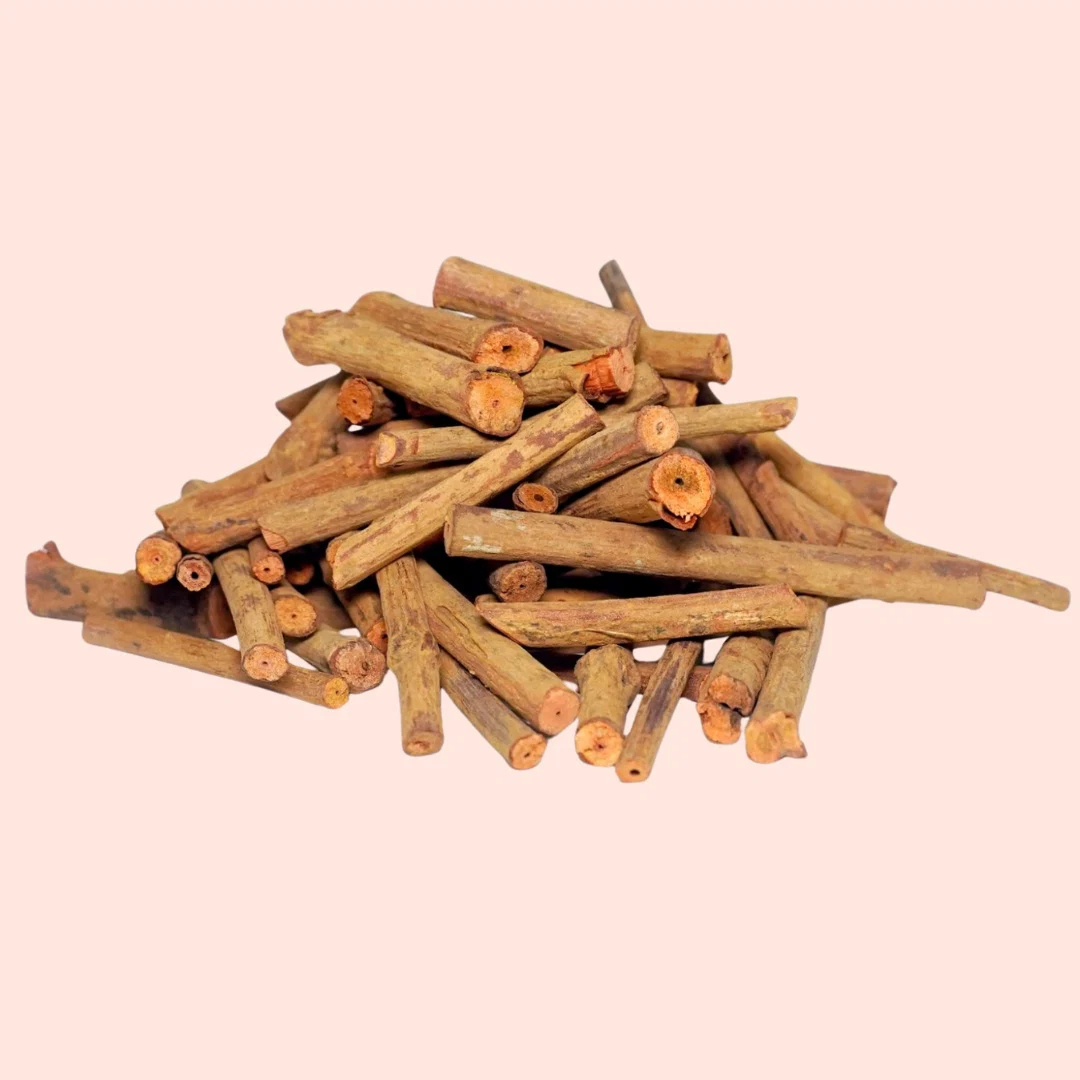
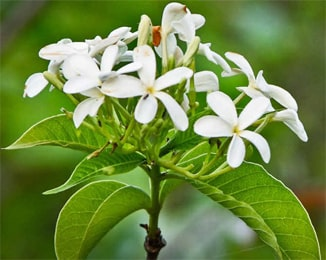

Emblica officinalis, Euphorbiaceae
Introduction
Amalaki, scientifically known as Phyllanthus emblica, is one of the most important and revered herbs in Ayurveda, widely known for its powerful rejuvenating and healing properties. Commonly called Amla or Indian Gooseberry, it is considered a potent Rasayana that promotes longevity, immunity, and overall vitality.
In Ayurvedic medicine, Amalaki holds a unique position because it helps balance all three doshas—Vata, Pitta, and Kapha—making it suitable for a wide range of health conditions. It is especially valued for improving digestion, enhancing immunity, and supporting healthy skin and hair.
Rich in Vitamin C and antioxidants, Amalaki plays a vital role in protecting the body from oxidative stress and boosting natural defense mechanisms. Its regular use contributes to better health, increased energy, and overall well-being.
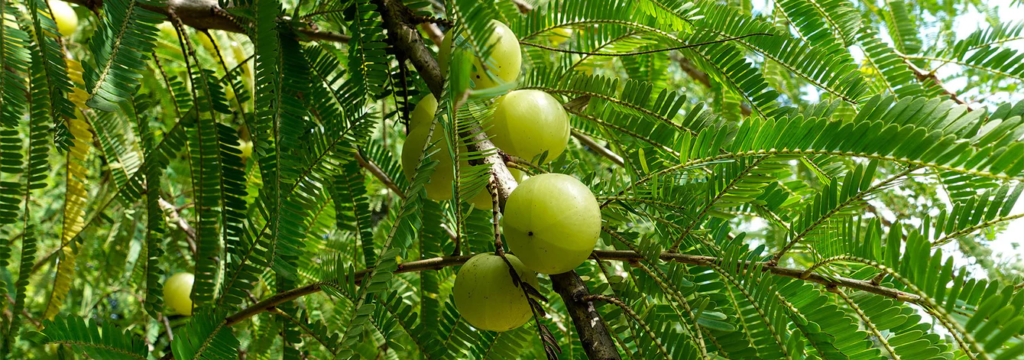
Botanical Name: Emblica officinalis Gaertn.
Family: Euphorbiaceae
Identification No.: SDACH/HG/023
Introduction:
Names in different Indian languages :
English : Emblic,Indian gooseberry.
Hindi : Amla,amlika,amalak
Kannada : Nellka
Malayalam : Nelli
Sanskrit : Amalaki,dhatri
Tamil : Nelli
Telugu : Usirikaya,amalakamu
Unani : Aamalaa, Amlaj
Synonyms :
“आमलकी धात्रीफलं शिवं तिष्यफलं अमृतफलं।
धात्री त्वचिष्ठा वयस्था श्रीफलं वृष्यं तथा॥
(Bhavaprakasha Nighantu, Haritakyadi Varga)
Aaamalaka, Dhaatri, Kaayasthaa, Amoghaa, Amritaphala, Amla, Aaamalaa, Dhaatriphala, Vayasyaa, Vrshya, Shiva, Hattha,Phyllanthus emblica Linn
Classification according to Charaka, Susrutha & Vagbhata :
Charaka : Jvaraghna, Kãsaghna, Virecanopaga, Kusthaghna, Vayahsthapana
Susrutha : Amalakyãdi, Parüsakãdi, Triphala
Vagbhata : Parüsakãdi
Varieties & adulterants – (CV – controversy, AD – adulterants) :
1. Krishna (NA5)
2. Amrit (NA6)
3. Neelam (NA7)
4. Kanchan
5. Amalaki – Flacourtia jangomos [CV]
6. Pracinamalakam – F. catapharacta (different from amalaki) [CV]
Morphology :
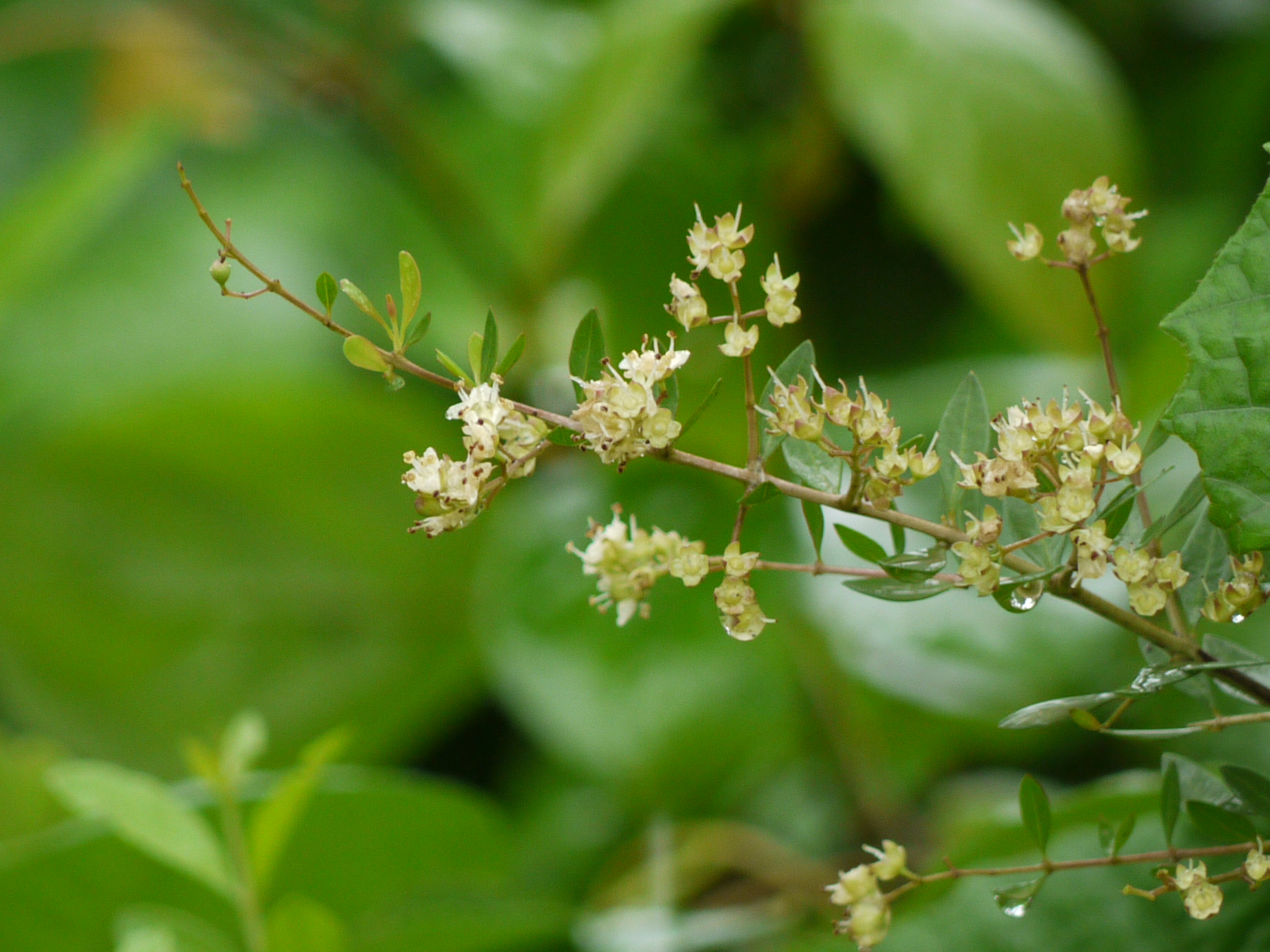
It is a large deciduous tree with greenish-grey or red bark, peeling off in scales.
Leaves – compound, subsessile, pinnate, distichously close-set, oblong, obtuse.
Flowers – Unisexual, densely fascicled along the branchlets, greenish yellowish; males numerous on slender pedicles females sub sessile,
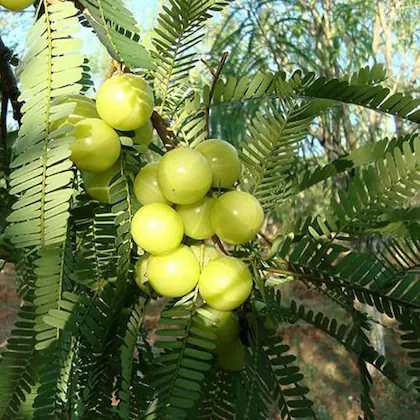
Fruit – berry, fleshy, depressed globose succulent, yellow or pink when ripe, obscurely 6-lobed, vertical furrows enclosing 6 trigonous seeds in 2 seeded 3 crustaceous cocci.
(flowers in April.-May )
Distribution & Habitat :
wild/cultivated throughout tropical India.
Chemical constituents :
Good source of vitamin C and minerals.
Root– gallagic acid, lupeol, oleanolic aldehyde
Bark- leucodelPhinklm, procyanidin, tannin etc.
Fruit- Vit. C, phyllemblin linolic acid, indole acetic acid and ayxubsm rigaloylglucose terchebin, corilagin, ellagic acid, phyllemblic acid & salts.
Properties :
Rasa – Amla pradhana, Pañca rasa (except Lavana)
Guna – guru
Virya- sita
Vipãka -Madhura
Karma : Tridosa hara, Vayahsthãpana, Rasãyana, Caksusya, Virya.
laxative, diuretic, antianaemic, anabolic, antiemetic, bechic, astringent, antihaemorrhagic, antidiarrhoeal,diuretic, antidiabetic, carminative, antioxidant.
Indication :
Prameha, Rakta pitta, krimi, kasa, Netra roga, Kustha, Arsas, Soma roga, Pradara, Mutrakrcchra, süla.
Ulcerative stomatitis, diabetes, gonorrhoea, jaundice, diarrhoea, myalgia, dysentry, peptic ulcer, erysipelas, inflamation, anaemia, emaciation, greyness of hair.
Part used :
Fruit pulp/Fruit.
Dosage :
Fresh juice 25-50 ml; Powder 6-8 g.
Amayika Prayoga (Therapeutic Uses)
External uses :
Paste is applied locally in burning, headache due to pitta, retention of urine. Juice is used in eye disorders. Fruits are kept overnight in water and eyes are washed with this water in the morning. Hair wash by amala is done in baldness and grey hair. Toothache is relieved by chewing fruit skin. Leaf juice is used as eye drops in eye disorders.
Internal uses :
Nervous system Strengthens bone marrow and any weakness of sense organs.
Digestive system : It acts in loss of taste & appetite, anorexia, constipation, liver disorders, peptic diseases ascites and piles through its properties of digestion, laxation and rasayan. Its juice is given in haematemesis and epitasis. A paste of chandan + arnlaki is best in pittaj vomiting. Leaf juice useful in haemorrhagic dysentery.
Circulatory system : Useful in heart diseases. haemorrhagic diseases. Loha bhasma + amalaki , leaves best in anaemia
Respiratory system : Used in diseases like cough, asthma, tuberculosis etc. being a rejuvenating agent. Amlaki is a good brain tonic.
Reproductive system : It is useful in spermatorrhoea, menorrhagia, uterine debility.
Urinary system : Fresh amla juice is used in dysuria and prameha.
Skin : In skin diseases and erysipelas, ii is given internally for longer period.
Temperature : Useful in chronic fever, thirst, burning sensation etc.
Satmikaran : Rasayan, rejuvenator.
Important Yogas or Formulations :
Cyavanaprãsa; Dhatriloha; Amalaki Rasãyana; Phalãsava; Amalakyadi churna, Kanakãrista
IUCN Status
– Least Concern (Widely cultivated, not endangered)
Research Updates (Past 5 Years)
1. Antioxidant & Anti-diabetic (2021): Confirmed hypoglycemic effects in animal models.
2. Hepatoprotective (2022): Amla extract reduced liver fibrosis in rats.
3. Neuroprotective (2023): Improved memory in Alzheimer’s-induced mice.
Conclusion
Amalaki (Phyllanthus emblica), commonly known as Amla, is one of the most powerful and versatile herbs in Ayurveda, celebrated for its exceptional rejuvenating and healing properties. As a potent Rasayana, it plays a crucial role in promoting longevity, strengthening immunity, and enhancing overall vitality.
Its unique ability to balance all three doshas—Vata, Pitta, and Kapha—makes it highly beneficial for maintaining internal harmony and preventing various health disorders. Traditionally, Amalaki has been widely used to improve digestion, support heart health, enhance skin and hair quality, and manage conditions related to oxidative stress.
Rich in Vitamin C, antioxidants, and bioactive compounds, Amalaki helps protect the body from free radical damage, supports immune function, and promotes healthy aging. Its regular use contributes to better digestion, improved metabolism, and increased resistance against infections.
However, like all natural remedies, Amalaki should be consumed in appropriate amounts, especially for individuals with sensitive digestion or specific medical conditions.
Incorporating Amalaki into a balanced lifestyle—along with a nutritious diet, proper hydration, and healthy habits—can significantly improve overall health and well-being. Its deep-rooted importance in Ayurveda, combined with strong modern scientific support, makes it an invaluable natural remedy for holistic wellness and long-term health.
