


Psidium guajava,Myrtaceae
Introduction
Psidium guajava, commonly known as Guava and scientifically referred to as Psidium guajava, is a widely cultivated fruit plant valued for its rich nutritional content and medicinal properties. In Ayurveda, it is appreciated for its digestive, antimicrobial, and immune-boosting benefits.
Psidium guajava, commonly known as Guava and scientifically referred to as Psidium guajava, is a widely cultivated fruit plant valued for its rich nutritional content and medicinal properties. It is one of the most popular tropical fruits and holds an important place in both Ayurveda and modern nutrition.
In Ayurveda, guava is appreciated for its ability to improve digestion, strengthen immunity, and support overall health. Different parts of the plant, including its fruit, leaves, and bark, are used for therapeutic purposes, especially in treating digestive disorders and infections.
Rich in vitamins, antioxidants, and dietary fiber, guava is considered a natural health booster. Its cooling and astringent properties make it beneficial for balancing Pitta and Kapha doshas, while its regular consumption contributes to better digestion, skin health, and overall vitality.
Botanical Description
Guava is a small tropical tree or shrub commonly found in India and other warm regions.
- Scientific Name: Psidium guajava
- Family: Myrtaceae
- Common Names: Guava, Amrood
Key Features
- Height: 3–10 meters
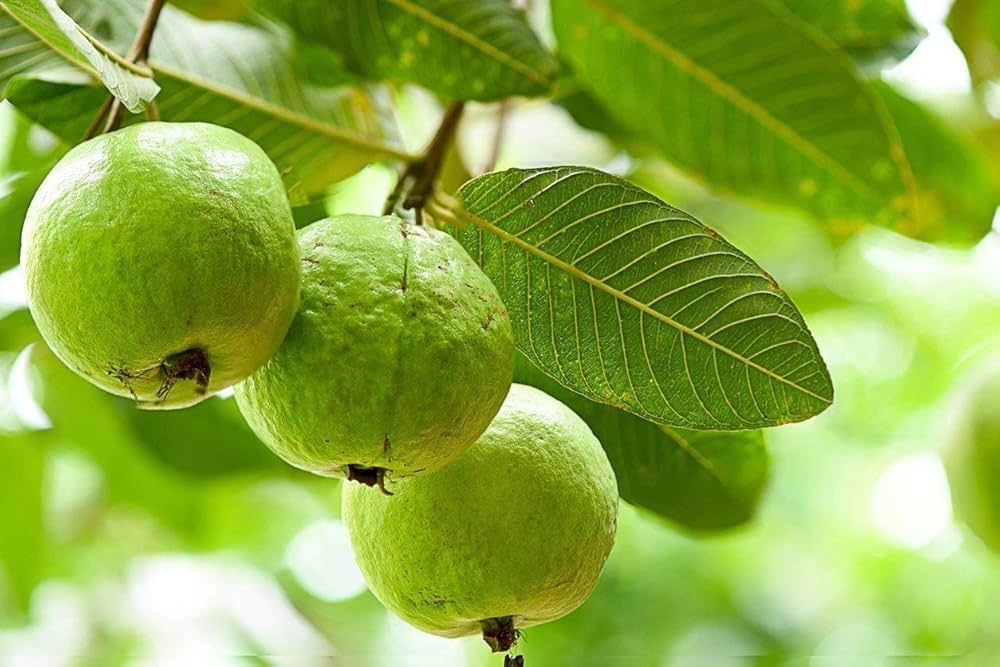
- Leaves: Opposite, oval, and aromatic
- Bark: Smooth, thin, and peeling
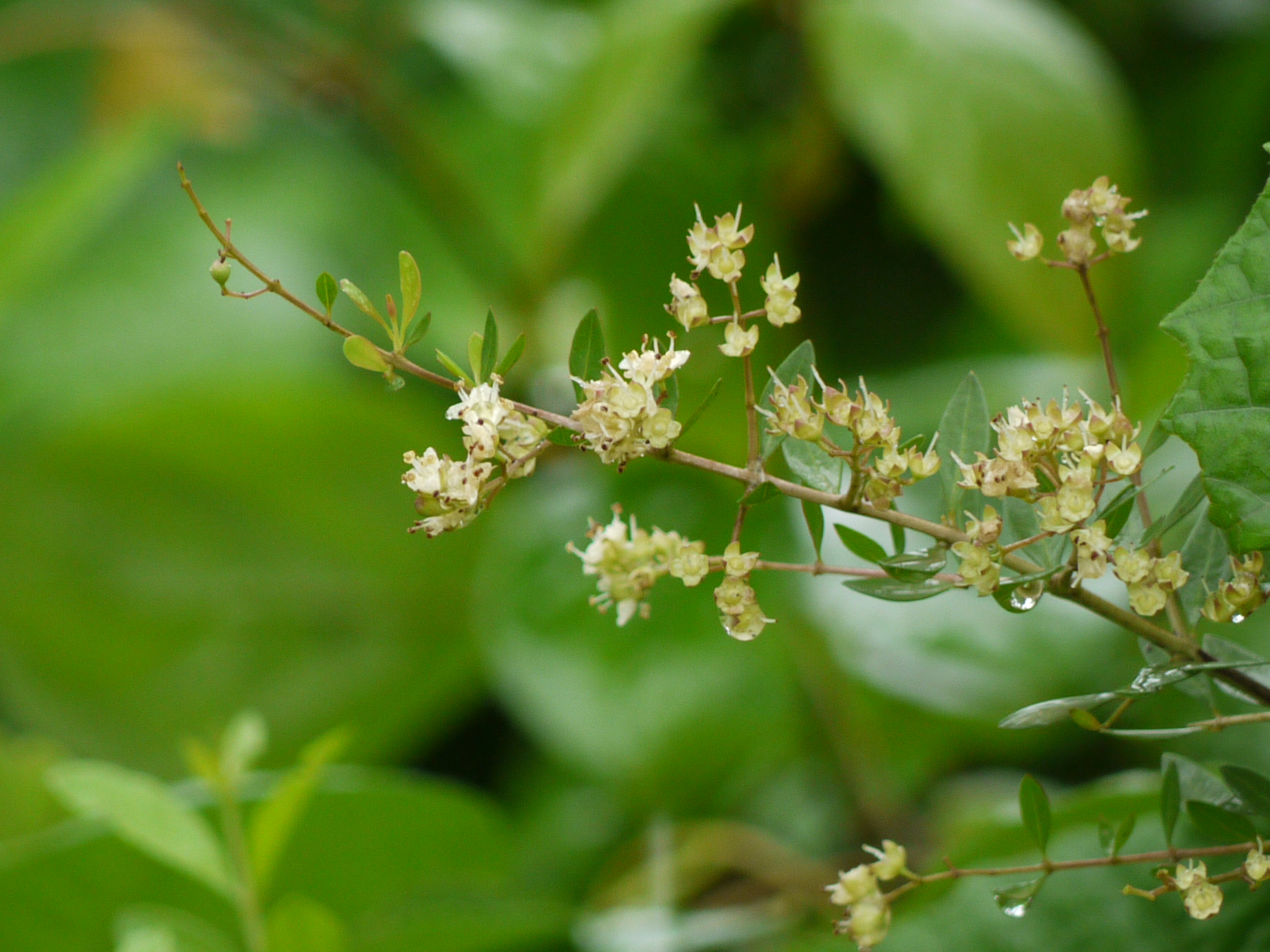
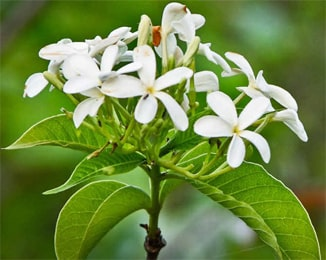
- Flowers: White, fragrant, with numerous stamens
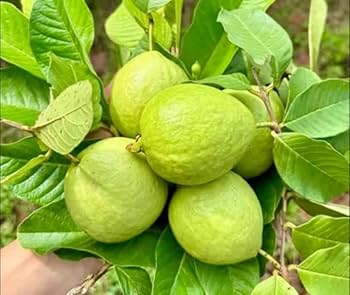
- Fruits: Round or oval, green to yellow when ripe, with sweet pulp
Ayurvedic Properties
- Rasa (Taste): Astringent, Sweet
- Guna (Qualities): Light, Dry
- Virya (Potency): Cooling
- Vipaka: Pungent
- Dosha Effect: Balances Pitta and Kapha
Health Benefits
1. Improves Digestion
Guava helps in treating diarrhea, indigestion, and stomach disorders.
2. Boosts Immunity
Rich in Vitamin C, it strengthens the immune system.
3. Supports Heart Health
Helps in reducing cholesterol and maintaining blood pressure.
4. Beneficial for Diabetes
Helps regulate blood sugar levels.
5. Improves Skin Health
Antioxidants help maintain healthy and glowing skin.
6. Antimicrobial Properties
Helps fight infections and promotes overall health.
Traditional Uses in Ayurveda
- Leaves used in diarrhea and dysentery
- Fruit consumed for digestion and strength
- Decoction of leaves used for oral health
- Used in wound healing
Modern Scientific Insights
Guava contains Vitamin C, flavonoids, and antioxidants that provide antimicrobial, anti-inflammatory, and immune-boosting benefits.
How to Use Psidium guajava
1. Fresh Fruit
Consumed directly for nutrition.
2. Leaf Decoction
Used for digestive and oral health.
3. Juice
Taken for immunity and hydration.
Precautions
- Avoid excessive consumption
- Use cautiously in severe digestive issues
- Maintain hygiene when consuming raw fruit
Conclusion
Psidium guajava is a highly nutritious and medicinal plant with wide-ranging health benefits. Its role in digestion, immunity, and overall wellness makes it an essential part of both Ayurveda and daily diet.
Psidium guajava (Psidium guajava), commonly known as guava, is a highly nutritious and medicinally valuable plant that holds an important place in both Ayurveda and modern health science. Its rich content of vitamins, antioxidants, and dietary fiber makes it an excellent natural remedy for promoting overall health and well-being.
Traditionally, guava has been widely used for improving digestion, managing conditions like diarrhea and indigestion, and strengthening the immune system. Its leaves, fruit, and bark all possess therapeutic properties that contribute to its effectiveness in treating various health issues.
In addition to its digestive and immune benefits, guava also supports heart health, helps regulate blood sugar levels, and promotes healthy skin. Its antimicrobial and anti-inflammatory properties further enhance its role in maintaining internal balance and protecting the body from infections.
However, like all natural remedies, guava should be consumed in moderation, especially for individuals with sensitive digestion or specific health conditions.
Incorporating guava into a balanced diet—along with healthy lifestyle habits—can significantly improve overall vitality and long-term wellness. Its traditional significance combined with modern scientific validation makes Psidium guajava a powerful and reliable natural resource for holistic health.
Medicinal Use
- Diarrhoea: The leaves decoction
of guava (one fistful of leaves
boiled in 100 ml of water till it
reduced to 25 ml) can be given
twice daily in Diarrhoea. - Toothache: The leaves guava can be chewed and this paste canbe kept in contact with the teethfor some time. The antiplaqueproperties of guava leaves areeffective in preventing andtreating oral problems.
- Vomiting: The bark or roots powder of guava 5gm with honey should be given in case of choleraand vomiting etc.
- Mouth Ulcers: Guava leaves decoction can be used externally for rectal prolapse in children, and used as gargling for chronic ulcers and mouth ulcers.
- Constipation: Guava fruit is nutritious as well as a good Laxative. This fruit is good for Diabetes also.
- Leucorrhoea: Decoction of guava leaves is used as a vaginal and uterine wash, especially in leucorrhoea.
Vernacular Names
Bengali : Goaachhi, peyara
Gujarati : Jamrud, Jamrukh, Peru
English : Trade name: Common Guava
Hindi : Amrood
Kannada : Gova, Jamaphala, Perala, Sibi,
Sebehabbu
Malayalam : Pera, Koyya
Marathi : Jamba, Tupkel
Oriya : Bodojamo, Jamo, Julabojamo,
Pijuli
Tamil : Koyya, Segappugoyya,
Sengoyya, Vellaikoyya
Telugu : Jama
Widely cultivated in tropical and subtropical regions around the world, guava fruits can range in size from as small as an apricot to as large as a grapefruit. Various cultivars have white, pink, or red flesh; a few varieties feature red (instead of green or yellow) skin.
When cultivated from seed, guavas are notable for their extremely slow growth rate for several months, before a very rapid acceleration in growth rate takes over. From seed, common guavas may bloom and set fruit in as few as two years or as many as eight. Cuttings, grafting, and air layering are more commonly used as a propagation method in commercial groves. Highly adaptable, guavas can be easily grown as container plants in temperate regions, though their ability to bloom and set fruit is somewhat less predictable.
