


Zingiber officinale, Zingiberaceae
Introduction
Ardraka, scientifically known as Zingiber officinale, is one of the most widely used herbs in Ayurveda and daily life. Commonly known as fresh ginger, it is valued for its powerful digestive, anti-inflammatory, and healing properties. It has been used for centuries as both a spice and a medicine.
Zingiber officinale, commonly known as Ardraka (Fresh Ginger), is one of the most widely used and highly valued medicinal herbs in Ayurveda. Revered for thousands of years, Ardraka is traditionally known for supporting digestion, immunity, respiratory health, metabolism, and overall wellness naturally. Its pungent taste, warming nature, and powerful digestive properties have earned it a prominent place in Ayurvedic medicine as well as daily culinary practices.
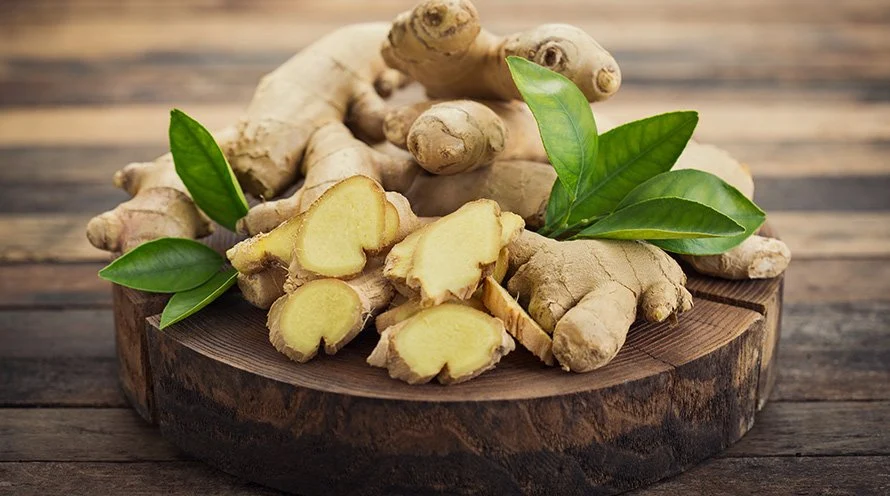
The term Ardraka specifically refers to the fresh rhizome of ginger, while the dried form is known as Shunthi. Ayurveda recognizes both forms for their therapeutic value, although Ardraka is particularly appreciated for its ability to stimulate digestion, improve appetite, support circulation, and maintain respiratory comfort.
Ardraka belongs to the Zingiberaceae family and is cultivated throughout tropical and subtropical regions worldwide. The underground rhizome is the primary medicinal part used in Ayurvedic formulations and traditional remedies.
Ayurveda traditionally uses Ardraka to support:
- Healthy digestion
- Appetite stimulation
- Immune system wellness
- Respiratory health
- Metabolic balance
- Nausea management
- Circulation support
- Vata and Kapha balance
Because of its versatile therapeutic properties, Ardraka is often referred to as a universal household remedy and remains one of the most trusted herbs in traditional healthcare.
Scientific Classification of Ardraka
| Category | Details |
|---|---|
| Scientific Name | Zingiber officinale |
| Family | Zingiberaceae |
| Common Names | Ginger, Fresh Ginger, Ardraka |
| Plant Type | Perennial medicinal herb |
Vernacular Names of Ardraka
| Language | Name |
|---|---|
| Sanskrit | Ardraka |
| Hindi | Adrak |
| English | Ginger |
| Bengali | Ada |
| Gujarati | Adu |
| Tamil | Inji |
| Telugu | Allam |
| Malayalam | Inchi |
| Kannada | Shunti |
| Marathi | Ale |
| Urdu | Adrak |
Botanical Description of Ardraka
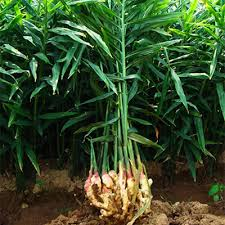
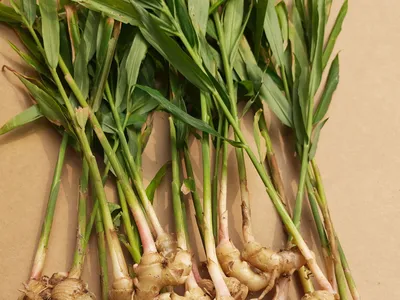
Ardraka is a perennial herb grown primarily for its medicinal rhizomes.
Root System (Rhizome)
The plant possesses:
- Thick underground rhizomes
- Aromatic medicinal tissues
- Branched growth pattern
The rhizome is the primary medicinal part.
Stem
The stems are:
- Erect and leafy
- Green in color
- Emerging directly from the rhizome
Leaves
The leaves are:
- Long and narrow
- Lance-shaped
- Bright green
Flowers
The plant produces:
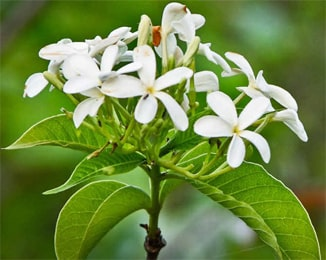
- Small yellow-green flowers
- Cone-like flower spikes
- Seasonal blooms
Habitat and Distribution
Ardraka is cultivated extensively in:
- India
- China
- Southeast Asia
- Africa
- Tropical regions worldwide
It grows best in:
- Warm climates
- Moist conditions
- Fertile, well-drained soil
Ayurvedic Properties of Ardraka
Ayurveda highly values Ardraka for its digestive, warming, and balancing effects.
Rasa (Taste)
Ardraka possesses:
- Katu (Pungent)
Benefits:
- Stimulates appetite
- Supports digestion
- Helps metabolism
Guna (Qualities)
The herb contains:
- Laghu (Light)
- Snigdha (Slightly unctuous)
Ayurvedic Effects:
- Supports digestion
- Promotes circulation
- Helps nutrient absorption
Virya (Potency)
Ardraka has:
- Ushna Virya (Hot potency)
Benefits:
- Enhances digestive fire
- Supports circulation
- Helps reduce coldness
Vipaka (Post-Digestive Effect)
Ardraka possesses:
- Madhura Vipaka
This supports:
- Tissue nourishment
- Balanced digestion
- Long-term wellness
Dosha Effect
Ardraka primarily helps balance:
- Vata Dosha
- Kapha Dosha
Excessive use may aggravate Pitta in sensitive individuals.
Health Benefits of Ardraka
1. Supports Healthy Digestion
Ardraka is renowned in Ayurveda for promoting digestive health naturally.
Traditionally Helpful For:
- Indigestion
- Bloating
- Gas
- Poor appetite
- Sluggish digestion
It helps stimulate digestive fire (Agni) and improve nutrient assimilation.
2. Boosts Immunity
Ardraka is traditionally used to support natural immune defenses.
Benefits Include:
- Supporting immune response
- Promoting overall resilience
- Helping maintain wellness during seasonal changes
3. Supports Respiratory Health
Ardraka is highly valued in traditional remedies for respiratory comfort.
Traditionally Helpful In:
- Cough
- Cold
- Throat discomfort
- Excess mucus
Its warming properties help maintain respiratory wellness naturally.
4. Helps Reduce Nausea
Fresh ginger has traditionally been used to support digestive comfort and reduce nausea.
Common Traditional Uses:
- Motion discomfort
- Digestive uneasiness
- Morning discomfort
5. Supports Circulation
Its warming nature promotes healthy circulation throughout the body.
Benefits:
- Supports blood flow
- Helps maintain warmth
- Promotes metabolic activity
6. Supports Joint Comfort
Ardraka is traditionally associated with supporting flexibility and comfort in the joints.
7. Helps Maintain Metabolic Balance
Ayurveda values Ardraka for its ability to support metabolism and healthy energy production naturally.
Traditional Ayurvedic Uses of Ardraka
Ardraka is traditionally used for:
- Weak digestion
- Poor appetite
- Cold and cough
- Nausea
- Respiratory discomfort
- Metabolic imbalance
- Kapha accumulation
Effect on Agni (Digestive Fire)
Ardraka is one of Ayurveda’s most important herbs for supporting Agni.
It traditionally helps:
- Stimulate digestion
- Improve appetite
- Reduce Ama (toxins)
- Support nutrient absorption
Effect on Dhatus (Body Tissues)
Ardraka traditionally supports:
Rasa Dhatu
Supports nourishment and fluid balance.
Rakta Dhatu
Supports circulation and tissue vitality.
Mamsa Dhatu
Helps maintain muscular strength and nourishment.
Growing Conditions of Ardraka
Climate
- Tropical and subtropical climates
Soil
- Fertile, moist, well-drained soil
Sunlight
- Partial sunlight preferred
Special Botanical Features
Ardraka is easily recognized by:
- Aromatic underground rhizomes
- Long narrow leaves
- Distinct spicy aroma
- Warm pungent taste
Precautions
Although traditionally beneficial, excessive use of Ardraka may:
- Increase body heat
- Aggravate Pitta
- Cause digestive irritation in sensitive individuals
Use cautiously in:
- Active gastric irritation
- Excess heat conditions
Professional Ayurvedic guidance is recommended before medicinal use.
Medicinal Uses
- Loss of appetite: Eating slices of
ginger sprinkling with salt before
meals. It Stimulates digestion,
add relish and purifies tongue
and throat.
- Diarrhea: A basin is formed
around the umbilicus by the
paste of black gram and amalaki
( Indian gooseberry) . The naval is
filled with fresh ginger juice and
retained for 15 to 20min once
daily till the diarrhea subsides. - Earache: Prepare the oil with
equal quantity of rocksalt, ginger
juice, honey and mustard oil. Put
2 drops in the ear is very effective
to cure earache. - Vomiting: Mix 1 teaspoonful each
of ginger juice and lemon juice
and consume it several times a
day as per the condition. - Cholera: Mix 2 teaspoonful
of grated fresh ginger with
1teaspoonful of honey and
consume this mixture 4 times
a day to improve digestion in
cholera. - Urticaria: Take 10ml fresh ginger
juice with old jaggery twice daily
before food till the reduction of
swelling and itching.
Blood Sugar Regulation and Cardiovascular Support
Blood Sugar
Ginger’s effects on blood glucose are less extensively studied than those of cinnamon, but the evidence that exists is consistent and encouraging. A randomised controlled trial published in the Iranian Journal of Pharmaceutical Research found that 2 grams of ginger powder daily for 12 weeks significantly reduced fasting blood glucose, HbA1c (the three-month blood sugar average), insulin resistance, and triglycerides in people with type 2 diabetes, compared to a placebo group.
The proposed mechanisms include gingerols inhibiting enzymes responsible for carbohydrate breakdown (alpha-glucosidase and alpha-amylase) and improving insulin sensitivity through GLUT4 receptor upregulation. Both mechanisms reduce the post-meal blood glucose spike that drives long-term diabetes complications. Combining ginger with cinnamon, which works through similar but partially distinct mechanisms, produces an additive blood sugar-moderating effect that traditional chai preparations with both spices deliver daily.
Ulamart’s guide on cinnamon benefits for blood sugar explores how cinnamon and ginger work together in traditional Indian spice combinations for metabolic health.
Cardiovascular Health
Ginger has documented antiplatelet activity, meaning it reduces the tendency of blood platelets to clump together and form clots. This effect is similar to but weaker than aspirin’s antiplatelet action. For people at elevated cardiovascular risk who are not on antiplatelet medication, regular ginger consumption contributes to a modest reduction in thrombotic risk. Ginger also reduces LDL cholesterol and triglycerides in several clinical studies, likely through its effect on lipid metabolism enzymes.
Ginger Health Benefits: Evidence Summary
| Benefit | Evidence Level | Key Mechanism |
| Nausea reduction | Strong (multiple RCTs) | 5-HT3 receptor blockade |
| Digestive acceleration | Strong | Gastric emptying stimulation |
| Anti-inflammatory | Strong (arthritis RCTs) | COX-2 and 5-LOX inhibition |
| Antiviral (RSV, influenza) | Preliminary (cell studies) | Mucosal receptor blocking |
| Blood sugar reduction | Moderate (several RCTs) | Alpha-glucosidase inhibition |
| Cholesterol reduction | Moderate | Lipid metabolism modulation |
Ginger in Ayurveda: What Classical Texts Say
In Ayurvedic pharmacology, ginger occupies a position of rare comprehensiveness. It appears in more formulations across more conditions than almost any other single ingredient, reflecting a traditional understanding of its multi-system action that modern research is now confirming.
Vishwabheshaja: The Universal Medicine
Ginger is called vishwabheshaja in Sanskrit Ayurvedic texts, meaning universal medicine. This title was not hyperbole. The Charaka Samhita lists ginger as beneficial across the following conditions: ama (metabolic toxins from incomplete digestion), vataja disorders (conditions of vata excess including joint pain, constipation, cold extremities, and nervous system disorders), kapha disorders (respiratory congestion, sluggish digestion, water retention), and cardiac conditions.
Ardraka and Shunti: Two Medicines in One Root
Ayurveda specifically distinguishes between fresh ginger (ardraka) and dried ginger (shunti) as having distinct medicinal properties, not merely different intensities of the same properties. Fresh ginger is considered appropriate for conditions requiring mucosal clearing and digestive stimulation. Dried ginger’s more concentrated shogaol content makes it more suitable for chronic conditions requiring deeper anti-inflammatory action, conditions of systemic cold and dampness, and formulations where stability over time is required.
Trikatu, one of the most fundamental Ayurvedic formulations, combines dried ginger (shunti), black pepper (maricha), and long pepper (pippali) in equal proportions. This combination is used to kindle digestive fire, improve the bioavailability of other medicines taken alongside it (through piperine’s absorption-enhancing effect), and treat respiratory congestion. Trikatu reflects a sophisticated understanding of pharmacokinetics, using piperine’s enzyme-inhibiting property to keep other medicinal compounds in the bloodstream longer.
How to Use Ginger Daily for Maximum Benefit
Fresh Ginger Preparations
- Adrak chai (ginger tea): 2 to 3 slices of fresh ginger simmered in 300 ml water for 5 minutes, strained and served with a small amount of honey. This is the simplest, most effective daily ginger delivery for digestive and immune support
- Ginger-lemon-honey morning water: Juice of half a lemon, 1 teaspoon freshly grated ginger, 1 teaspoon raw honey in 200 ml warm water. Anti-nausea, digestive stimulant, and immune support in a single morning preparation
- Fresh ginger in cooking: Add freshly grated ginger to tadkas, marinades, chutneys, and curry bases. The gingerols remain active in cooking at normal temperatures
- Ginger in rice preparations: A thumb-sized piece of fresh ginger pressure-cooked with millet or rice imparts flavour and digestive benefits to the entire preparation
Dried Ginger (Sukku) Preparations
- Sukku kaapi (dry ginger coffee): Dry ginger powder with a pinch of black pepper in hot water, sweetened with jaggery if desired. Traditional South Indian cold and flu remedy with strong shogaol content
- Trikatu blend: Equal parts dry ginger powder, black pepper powder, and long pepper or alternatively just dry ginger and black pepper. Quarter teaspoon in warm water before meals as a digestive fire preparation
- Sukku in rasam: The classic sukku milagu rasam of Tamil Nadu combines dry ginger and black pepper in a thin tamarind-tomato soup that delivers shogaol and piperine in the most bioavailable traditional preparation imaginable
- In spice blends: Dry ginger powder is a component of traditional garam masala and sambar powder, delivering its benefits through the daily seasoning of cooked food
Ulamart’s homemade sambar powder contains dry ginger alongside turmeric, coriander, and other traditional spices in a traditional South Indian blend.
Ginger with Other Spices: Synergies That Matter
Ginger works best when combined with specific companion spices that amplify or complement its actions.
- Ginger and turmeric: Anti-inflammatory synergy. Ginger’s COX and LOX inhibition works alongside turmeric’s NF-kB pathway inhibition to address inflammation from multiple directions simultaneously. Traditional golden milk with both is a well-founded therapeutic combination
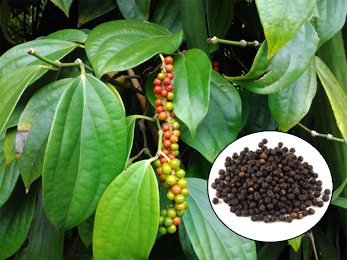
- Ginger and black pepper: Bioavailability synergy. Piperine from black pepper delays the metabolism of gingerols in the liver, extending their time in the bloodstream. Adding a pinch of black pepper to ginger tea meaningfully increases ginger’s effective dose
- Ginger and honey: Antimicrobial synergy. Honey’s broad-spectrum antimicrobial compounds combine with ginger’s antibacterial volatile oils and antiviral gingerols. The traditional ginger-honey preparation for sore throat and respiratory infections addresses pathogens through complementary mechanisms
For a complete view of how turmeric works alongside ginger, see Ulamart’s guide to turmeric health benefits, which covers the NF-kB pathway in depth. Organic neem honey from Ulamart is ideal for the ginger-honey combination, adding the antimicrobial properties of neem to the synergy.
Conclusion
Zingiber officinale, commonly known as Ardraka or Fresh Ginger, is one of Ayurveda’s most versatile and trusted medicinal herbs. Traditionally valued for supporting digestion, immunity, respiratory health, metabolism, and circulation, Ardraka continues to play a vital role in natural healthcare and daily wellness practices.
Its warming, digestive-stimulating, and immune-supportive properties make it especially beneficial for maintaining healthy digestion, appetite, respiratory comfort, and overall vitality naturally. For centuries, Ardraka has remained a cornerstone of Ayurvedic medicine and household remedies, helping people maintain balance, resilience, and wellness through the power of nature.
