

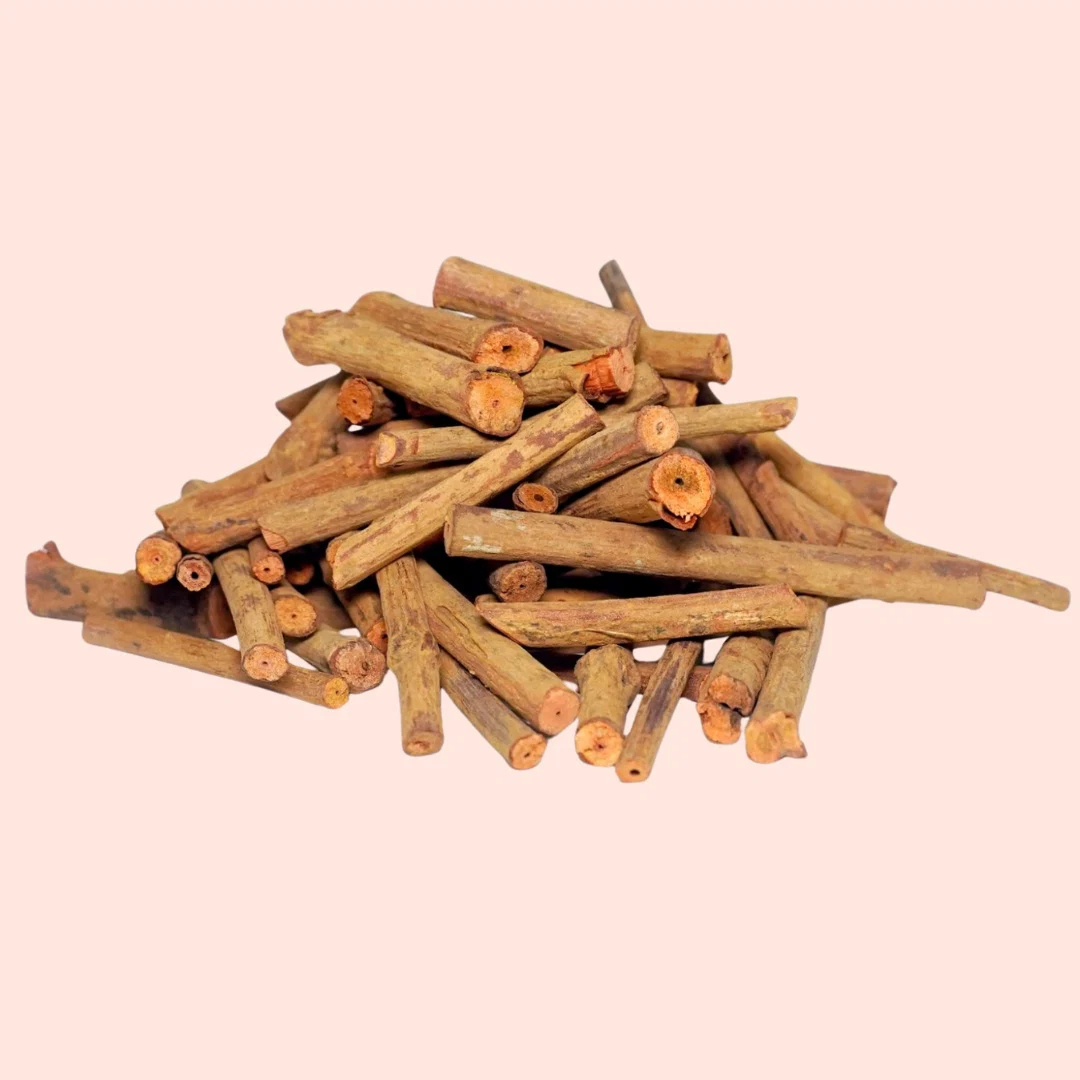
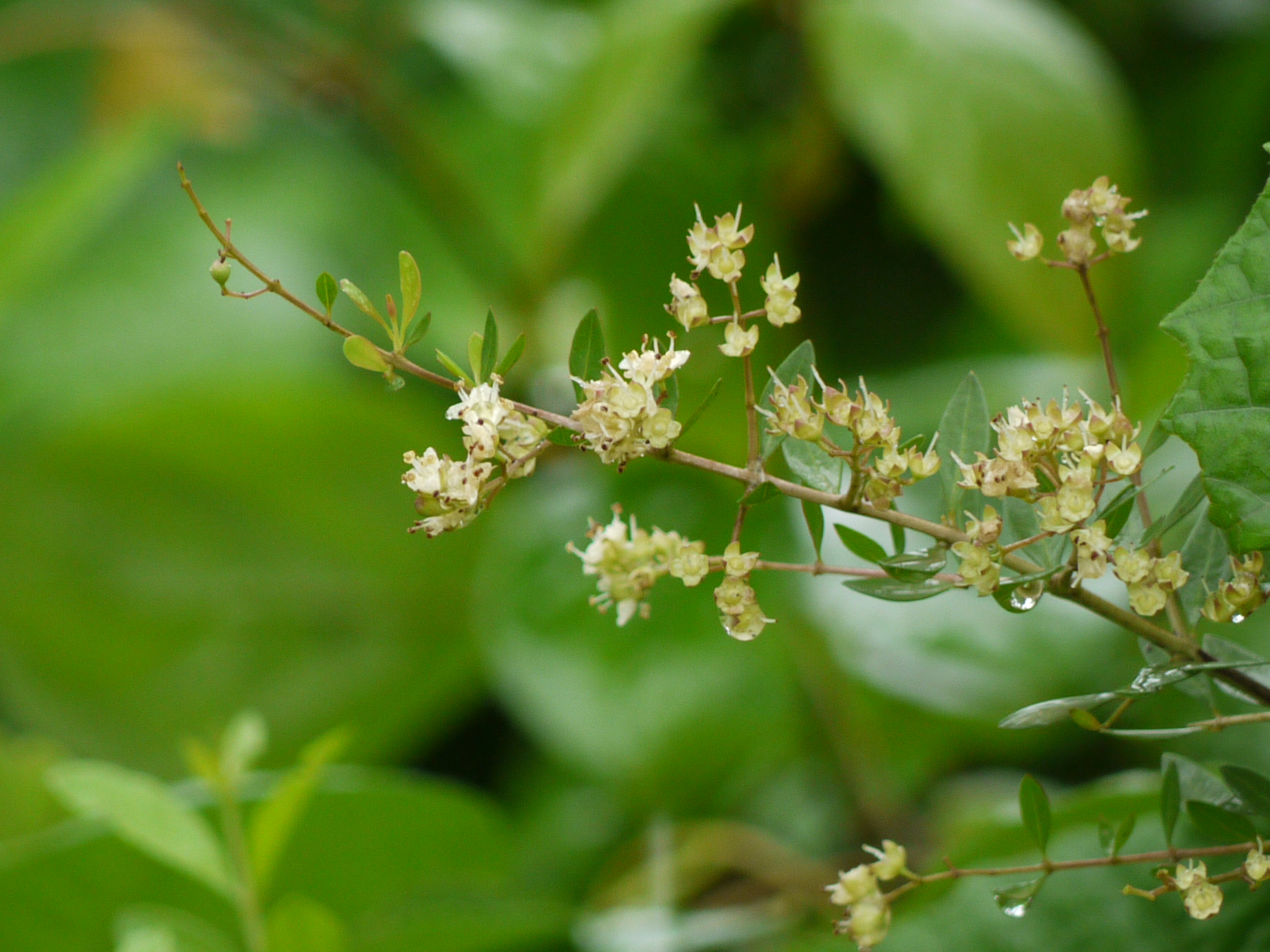

Withania somnifera, Solanaceae
Introduction
Ashwagandha, scientifically known as Withania somnifera, is one of the most powerful and widely respected herbs in Ayurveda, traditionally valued for promoting strength, vitality, mental wellness, and overall rejuvenation naturally. Commonly referred to as the “Indian Ginseng” or “Winter Cherry,” Ashwagandha has been used for thousands of years in classical Ayurvedic medicine as a renowned Rasayana herb that supports physical endurance, emotional balance, healthy aging, and nervous system wellness.
The name “Ashwagandha” is derived from Sanskrit, where “Ashwa” means horse and “Gandha” means smell, symbolizing the herb’s traditional association with strength, stamina, and vitality. Ayurveda highly appreciates Ashwagandha for its adaptogenic, nourishing, calming, strengthening, and rejuvenating properties, making it one of the most important herbs for maintaining balance in both body and mind.
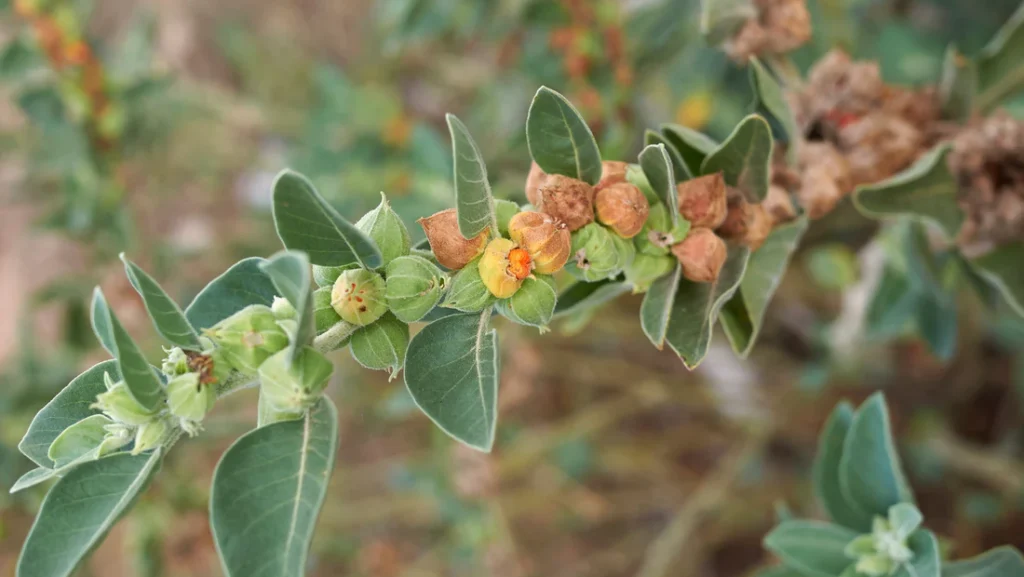
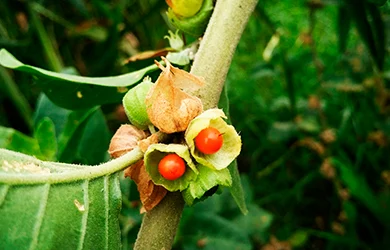
Ashwagandha belongs to the Solanaceae family and grows as a small shrub with velvety leaves, greenish-yellow flowers, and orange-red berries. The roots of the plant are primarily used in Ayurvedic formulations and herbal preparations because of their remarkable therapeutic value.
Traditionally, Ashwagandha is widely used to support:
- Stress management
- Energy and stamina
- Healthy sleep
- Mental clarity and focus
- Immunity and vitality
- Muscle strength and recovery
- Nervous system balance
- Healthy aging and rejuvenation
Its warming and grounding nature helps calm aggravated Vata Dosha while supporting overall physical and emotional resilience naturally.
In today’s fast-paced lifestyle, Ashwagandha has gained worldwide popularity as a natural adaptogenic herb traditionally used to help the body cope with stress, fatigue, weakness, nervous exhaustion, and low energy levels. It is commonly included in Ayurvedic wellness formulations designed for promoting vitality, endurance, relaxation, and holistic health naturally.
Because of its broad range of traditional health-supportive properties, Ashwagandha continues to remain one of Ayurveda’s most trusted and scientifically studied medicinal herbs for supporting long-term wellness, strength, balance, and rejuvenation naturally.
Scientific Classification of Ashwagandha
| Category | Details |
|---|---|
| Scientific Name | Withania somnifera |
| Family | Solanaceae |
| Common Names | Ashwagandha, Indian Ginseng, Winter Cherry |
| Plant Type | Small perennial medicinal shrub |
Vernacular Names of Ashwagandha
| Language | Name |
|---|---|
| Sanskrit | Ashwagandha |
| Hindi | Ashwagandha |
| English | Indian Ginseng |
| Bengali | Ashwagandha |
| Gujarati | Asoda |
| Tamil | Amukkara |
| Telugu | Pennerugadda |
| Malayalam | Amukkuram |
| Kannada | Ashwagandhi |
| Marathi | Askandha |
| Urdu | Asgandh |
Clinical Summary
A popular Ayurvedic herb, ashwagandha is often used in formulations prescribed for stress, strain, fatigue, pain, skin diseases, diabetes, gastrointestinal disease, rheumatoid arthritis, and epilepsy. It is also used as a general tonic to improve energy levels, health, and longevity, and topically as an analgesic. Active constituents include alkaloids, steroidal lactones, saponins, and withanolides.
Preclinical studies showed neuroprotective and anti-inflammatory properties that may protect against cartilage damage in osteoarthritis, and improvements in hyperglycemia, hyperinsulinemia, and insulin sensitivity in a murine model of type 2 diabetes. Additional studies found cytotoxic, immunomodulating, chemopreventive and radiosensitizing effects, and enhancement in chromosomal stability.
Limited clinical data suggest ashwagandha promotes growth, hemoglobin level, and red blood cell count in children, improves sexual health, male infertility, and relieves mild to moderate climacteric symptoms in perimenopausal women. It may also help relieve constipation, lower fatigue, anxiety and stress with a systematic review/dose-response meta-analysis citing the need for high-quality evidence. Improvements were also seen in both non-restorative sleep in healthy adults and sleep quality in patients with insomnia. In patients with schizophrenia, adjunctive use improved symptoms and stress, and affected markers of metabolic syndrome. Preliminary findings indicate improvements in measures of cognitive function in patients with bipolar disorder and balance in patients with progressive degenerative cerebral ataxias. Ashwagandha formulations may also benefit patients with osteoarthritis, rheumatoid arthritis, exerting analgesic, anti-inflammatory, and chondro-protective effects in those with knee joint pain.
Ashwagandha exerted anticancer effects against several cancer cell lines, but was ineffective against drug-resistant cancer stem cells. It prevented chemo-induced neutropenia in a murine model, and the compound Withaferin A enhanced oxaliplatin effects in human pancreatic cancer cells. A small trial of breast cancer patients reported reduced chemo-induced fatigue and improved quality of life. Confirmatory research is needed.
Ashwagandha may increase testosterone levels and therefore, patients with hormone-sensitive prostate cancer should consult their physicians before taking it.
Purported Uses and Benefits
- Anxiety
- Stress
- Fatigue
- Rheumatoid arthritis
- Diabetes
Adverse Reactions
Commonly reported effects: Mild to moderate and transient drowsiness, upper GI discomfort, loose stools.
Less common effects reported: Giddiness, drowsiness, hallucinogenic, vertigo, nasal congestion (rhinitis), cough, cold, decreased appetite, nausea, constipation, dry mouth, hyperactivity, nocturnal cramps, blurring of vision, hyperacidity, skin rash and weight gain.
Case reports
- Nausea, headache, and gastritis: Reported in a clinical study, but symptoms were managed by standard therapies.
- Thyrotoxicosis: Associated with ingestion of ashwagandha supplements for chronic fatigue, hypothyroidism and insomnia. Symptoms resolved in all cases after cessation of supplement use.
- Burning, itching, and discoloration of skin/mucous membrane: In a 28-year-old man after taking ashwagandha for decreased libido. Symptoms abated with conventional treatment.
- Ventricular tachycardia: 2 cases were possibly associated with the use of herbomineral preparations that contained ashwagandha.
- Elevation of liver enzymes, skin rash, fatigue, fever, edema, and diarrhea: In patients with advanced stage high-grade osteosarcoma, following administration of Withaferin-A.
- Kidney transplant rejection: In a 69-year-old patient associated with use of ashwagandha. The patient needed a graft nephrectomy and was continued on maintenance dialysis.
- Liver injury: Associated with use of ashwagandha supplements. Symptoms improved after discontinuing ashwagandha with some patients needing additional treatments.
- Acute steatohepatitis: In a 43-year-old female with a past medical history of iron deficiency anemia after taking multiple supplements which included ashwagandha, in addition to alcohol and ibuprofen.
- Reversible cerebral vasoconstriction syndrome: In a 47-year-old female with a history of ashwagandha, medical marijuana, and serotonin-norepinephrine reuptake inhibitor (SNRIs) use. Her symptoms resolved with conventional treatment.
Medicinal Uses
- Rejuvenation: 5gms Ashwagandha
powder is cooked with 200 ml of
milk till it reduced to 100ml. This
is filtered and consumed when
it is lukewarm. This promotes
the vigor and is an established
rejuvenator.
- Geriatric tiredness : Equal
quantity of fine powders
of Ashwagandha, Kapikacchu and
black sesame seeds are mixed
thoroughly. It is administered
in a dose of 5 grams, with a cup
of warm milk is useful to relieve
tiredness, fatigue and geriatric
problems such as arthritis. - Allergic rhinitis: Equal quantity
of Turmeric, Ginger and
Ashwagandha powders are
mixed well. 5 grams of this
powder is consumed twice daily
with milk before food to relieve
allergic rhinitis. - Oligospermia: Regular intake of
5 grams of Ashwagandha root
powder mixed with honey and
ghee twice daily is helpful to
relieve the senile debility and
seminal disorders especially
oligospermia. - Insomnia: 5gms of Ashwagandha
root powder mixed in a cup of
milk with sugar bed time regularly
is beneficial in case of insomnia.
Botanical Description of Ashwagandha
Ashwagandha is a hardy medicinal shrub commonly found in dry tropical regions.
Root System
The plant possesses:
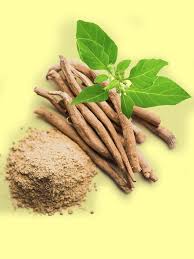
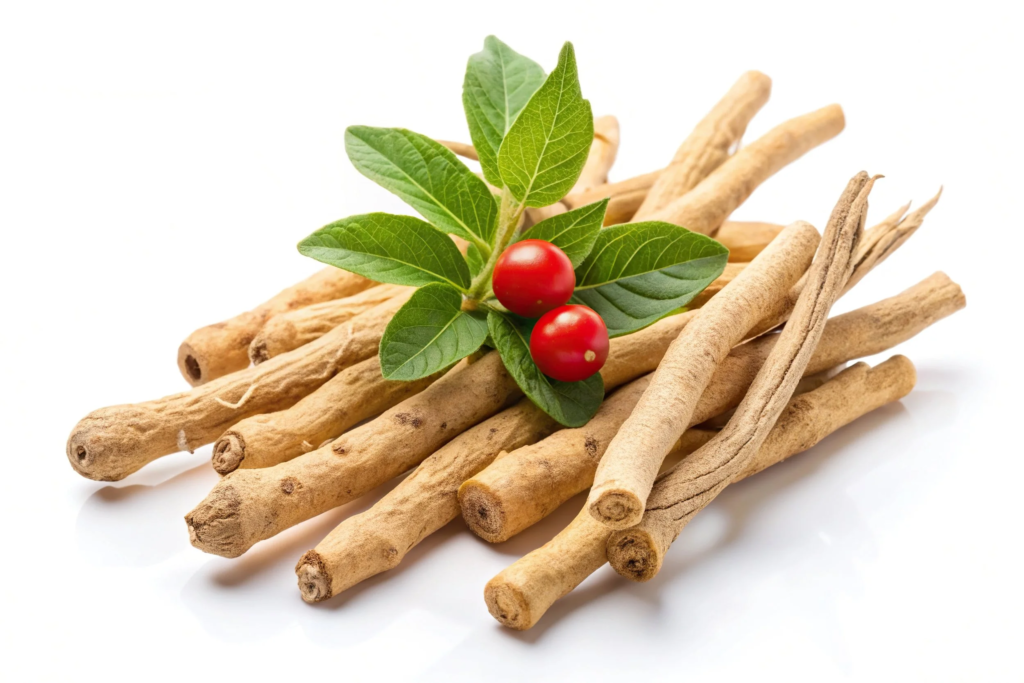
- Thick fleshy roots
- Cylindrical root structure
- Strong medicinal aroma
The roots are the most important medicinal part used in Ayurveda.
Stem
The stems are:
- Branched and woody
- Green to light brown
- Soft in young stages
The shrub grows up to moderate height naturally.
Leaves
Ashwagandha leaves are:
- Broad and oval-shaped
- Dull green
- Soft-textured
Flowers
The plant produces:
- Small greenish-yellow flowers
- Bell-shaped structure
- Mild fragrance
Fruits
The fruits are:
- Small orange-red berries
- Covered by papery calyx
- Seed-bearing structure
Habitat and Distribution
Ashwagandha naturally grows in:
- India
- Middle East
- Africa
- Mediterranean regions
It commonly appears in:
- Dry fields
- Rocky soil
- Open grasslands
- Semi-arid regions
Ayurvedic Properties of Ashwagandha
Ayurveda highly values Ashwagandha for its rejuvenating, strengthening, calming, and nourishing properties.
Rasa (Taste)
Ashwagandha possesses:
- Tikta (Bitter)
- Kashaya (Astringent)
- Madhura (Sweet)
Benefits:
- Supports nourishment
- Maintains tissue balance
- Supports strength and vitality
Guna (Qualities)
The herb contains:
- Guru (Heavy)
- Snigdha (Unctuous/Oily)
Ayurvedic Effects:
- Nourishes tissues
- Reduces dryness
- Supports stability and strength
Virya (Potency)
Ashwagandha has:
- Ushna Virya (Warming potency)
Benefits:
- Supports circulation
- Improves vitality
- Reduces Vata imbalance
- Maintains energy balance
Vipaka (Post-Digestive Effect)
Ashwagandha possesses:
- Madhura Vipaka
This supports:
- Tissue nourishment
- Rejuvenation
- Long-term vitality
Dosha Effect
Ashwagandha primarily helps balance:
- Vata Dosha
- Kapha Dosha
Balanced use also supports overall Dosha harmony.
Traditional Ayurvedic Uses of Ashwagandha
Ashwagandha is traditionally used for:
- Weakness
- Fatigue
- Stress
- Sleep imbalance
- Nervous exhaustion
- Low stamina
- Vata imbalance
Effect on Agni (Digestive Fire)
Ashwagandha supports nourishment while maintaining balanced digestion naturally.
It traditionally helps:
- Support metabolism
- Nourish tissues
- Maintain strength without excessive depletion
Effect on Dhatus (Body Tissues)
Ashwagandha traditionally supports:
Mamsa Dhatu
Supports muscle nourishment and strength.
Majja Dhatu
Supports nervous system nourishment.
Shukra Dhatu
Traditionally associated with vitality and reproductive wellness.
Effect on Srotas (Body Channels)
Ashwagandha mainly acts on:
- Majjavaha Srotas (nervous system channels)
- Rasavaha Srotas (nutritive channels)
- Shukravaha Srotas (reproductive channels)
It helps maintain nourishment and vitality naturally.
Growing Conditions of Ashwagandha
Climate
- Dry tropical and subtropical climate
Soil
- Sandy and well-drained soil preferred
Sunlight
- Full sunlight ideal
The plant grows well in semi-arid conditions.
Special Botanical Features
Ashwagandha is easily recognized by:
- Thick medicinal roots
- Green oval leaves
- Small orange-red berries
- Hardy shrub growth
Precautions
Although traditionally beneficial, excessive use of Ashwagandha may:
- Cause digestive heaviness
- Increase heat in sensitive individuals
- Cause drowsiness in some cases
Use cautiously in:
- Excess Pitta conditions
- Severe congestion
- Sensitive digestion
Professional Ayurvedic guidance is recommended before medicinal use
Frequently Asked Questions (FAQs)
What is Ashwagandha?
Ashwagandha is an Ayurvedic medicinal herb scientifically known as Withania somnifera, traditionally used for strength and stress support.
Is Ashwagandha good for stress?
Yes, Ayurveda traditionally values Ashwagandha for helping maintain stress balance and mental calmness naturally.
Can Ashwagandha improve sleep?
Ashwagandha is traditionally associated with supporting restful sleep and relaxation naturally.
Why is Ashwagandha called Indian Ginseng?
Ashwagandha is often called Indian Ginseng because of its traditional reputation for supporting energy, vitality, and endurance.
What are the Ayurvedic properties of Ashwagandha?
Ashwagandha possesses Tikta, Kashaya, and Madhura rasa, Guru and Snigdha guna, Ushna virya, and mainly helps balance Vata and Kapha doshas.
Conclusion
Withania somnifera, popularly known as Ashwagandha, is one of the most important rejuvenating herbs in Ayurveda traditionally valued for supporting strength, vitality, stress management, immunity, mental wellness, and overall balance naturally. Revered for centuries as a powerful Rasayana herb, Ashwagandha continues to hold a central place in Ayurvedic healthcare because of its nourishing, adaptogenic, strengthening, and rejuvenating properties.
Ayurveda highly appreciates Ashwagandha for its ability to calm aggravated Vata Dosha while promoting stability, endurance, energy, and emotional balance naturally. Its warming and grounding nature helps support the nervous system, improve resilience against stress, maintain healthy sleep patterns, and nourish body tissues effectively.
Ashwagandha is traditionally associated with:
- Physical strength and stamina
- Stress and nervous system support
- Healthy sleep and relaxation
- Mental clarity and focus
- Immunity and vitality
- Muscle nourishment and recovery
- Healthy aging and rejuvenation
The herb is especially beneficial in modern lifestyles where stress, fatigue, mental exhaustion, poor sleep, and low energy have become increasingly common. Because of its adaptogenic nature, Ashwagandha is widely used in Ayurvedic wellness formulations designed to help the body maintain balance during physical and emotional challenges naturally.
Beyond its traditional Ayurvedic importance, Ashwagandha has also gained worldwide recognition for its broad range of wellness-supportive properties and scientific interest in stress management, cognitive wellness, vitality, and overall health support.
Despite being a small medicinal shrub, Ashwagandha remains one of the most respected herbs for promoting long-term wellness, strength, resilience, and rejuvenation naturally. When used properly under Ayurvedic guidance, Ashwagandha may help maintain balanced energy, emotional calmness, physical endurance, healthy metabolism, and holistic well-being naturally.
