


Introduction
Linum usitatissimum, Linaceae
Introduction
The traditional system of medicines always has an important role in global healthcare needs. According to the World Health Organization (WHO), 80% of the world’s population depends on traditional medicines for their primary health care; it suggested in improving the technologies for cultivation of medicinal plants.
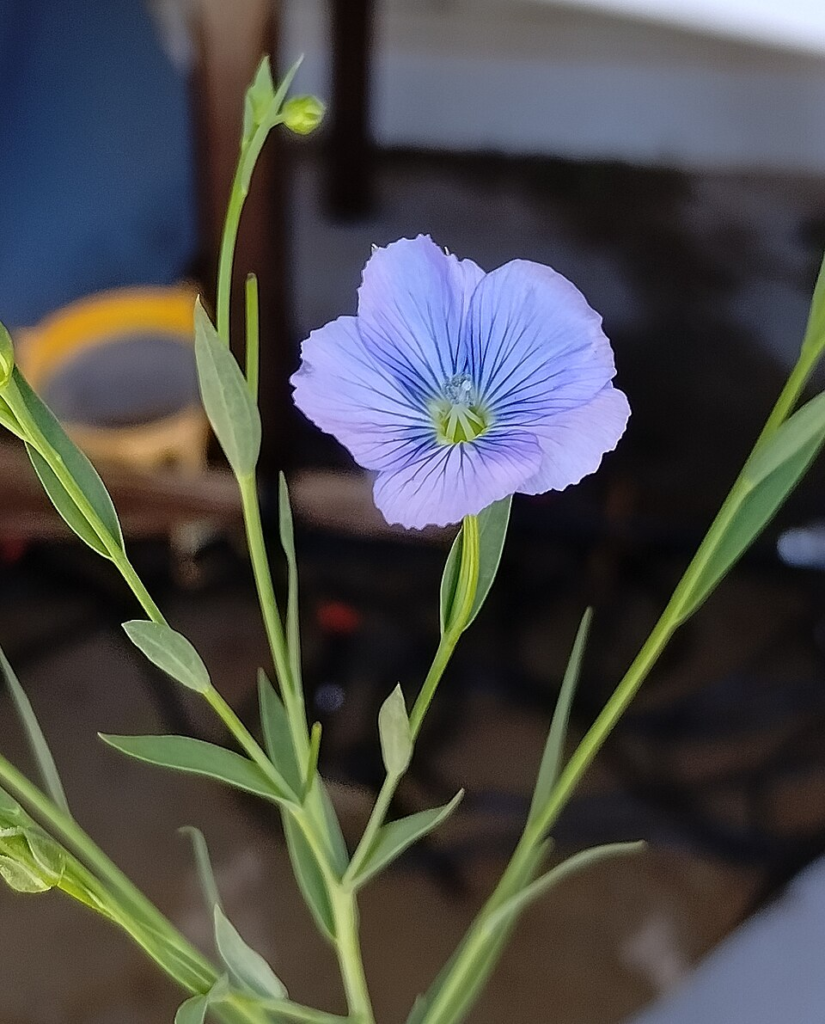
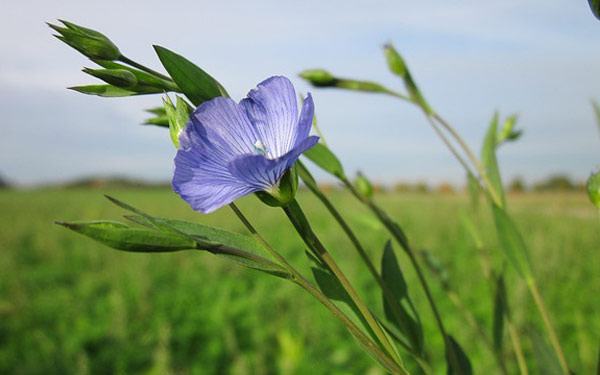
Linum usitatissimum L., which belongs to the family Linaceae, is commonly known as flax or linseed in English and Atasi in Sanskrit. It is one of the annual herbs growing up to 60–120 cm in height. The flowers are tiny, blue, bluish violet, or white in terminal panicles. The fruits are capsular with five cells, each containing two seeds.
It is one of the recommended medicines of Ayurveda, in which the reference of Atasi and Atasi oil is found. Atasi seed and seed oil are generally used externally and internally in raw form.
Bhavaprakasha explained nirukti (etymology) of Atasi as “Atati satatam gachayti,” which destroys Vata vikara (neuromuscular anomalies). Atasi is being used for therapeutic as well as commercial purpose. Every part of the flaxseed plant is utilized commercially, either directly or after processing.
Atasi possesses Madhura (sweet) and Tikta rasa (bitter taste), with Guru guna (heavy property), Katu vipaka (pungent biotransformed rasa), and Ushna virya (hot potency). It may act as Drushtinashaka (vision harming) and Shukrahat (decreases reproductive fluids/semen) while use excessively.
Though clinical uses of Atasi have been recorded in many Ayurvedic pharmacopeias and other texts, comprehensive single-hand information regarding Atasi is still lacking. Hence, an attempt has been made for a thorough review to create an exclusive database on the identification characters, properties, indications, and formulations of Atasi, with its reported research activities from available Ayurvedic pharmacopeias, compendia, and web-based search engines.
Scientific Classification of Atasi
| Category | Details |
|---|---|
| Scientific Name | Linum usitatissimum |
| Family | Linaceae |
| Common Names | Atasi, Flaxseed, Linseed |
| Plant Type | Annual medicinal and oilseed plant |
Where to Find
The plant thrives in cool weather and full sun. If you are looking to source the seeds for gardening or consumption, you can find various organic and cultivated flaxseed products available on e-commerce platforms like Amazon India or your local Bokaro area markets under the name “Alsi.”
(Note: “Atasi” can sometimes be conflated with the Sanskrit term “Ativisha” (Aconitum heterophyllum), a totally different high-altitude Himalayan root used in traditional medicine).
Description
Several other species in the genus Linum are similar in appearance to L. usitatissimum, cultivated flax, including some that have similar blue flowers, and others with white, yellow, or red flowers. Some of these are perennial plants, unlike L. usitatissimum, which is an annual plant.
Cultivated flax plants grow to 1.2 m (4 ft) tall, with slender stems. The leaves are glaucous green, slender lanceolate, 2–4 cm (3⁄4–1+1⁄2 in) long, and 3 mm broad.
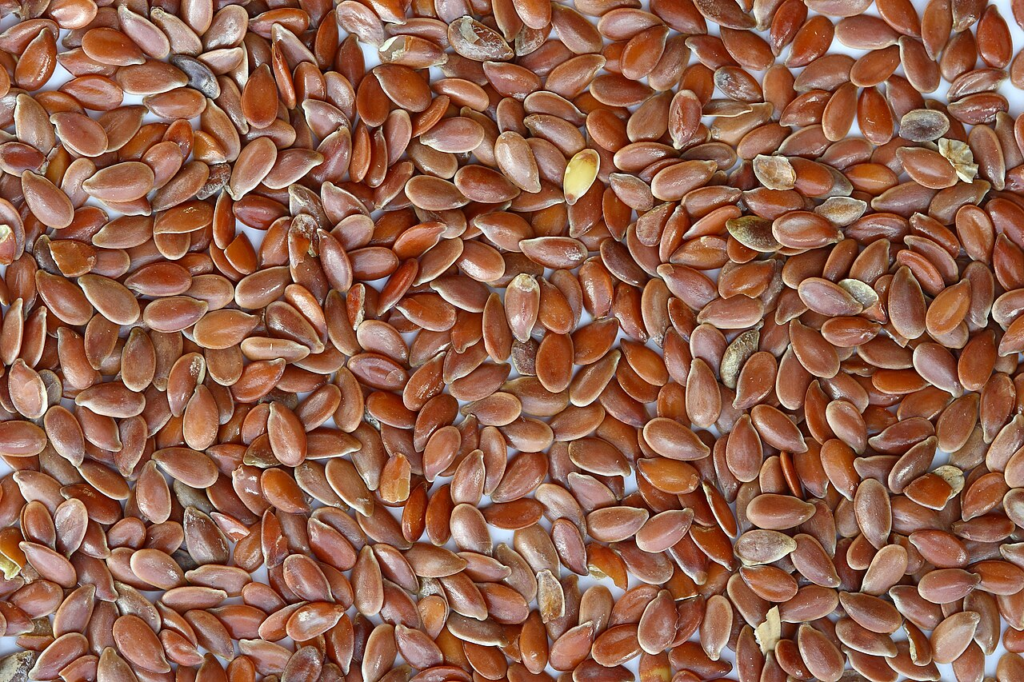
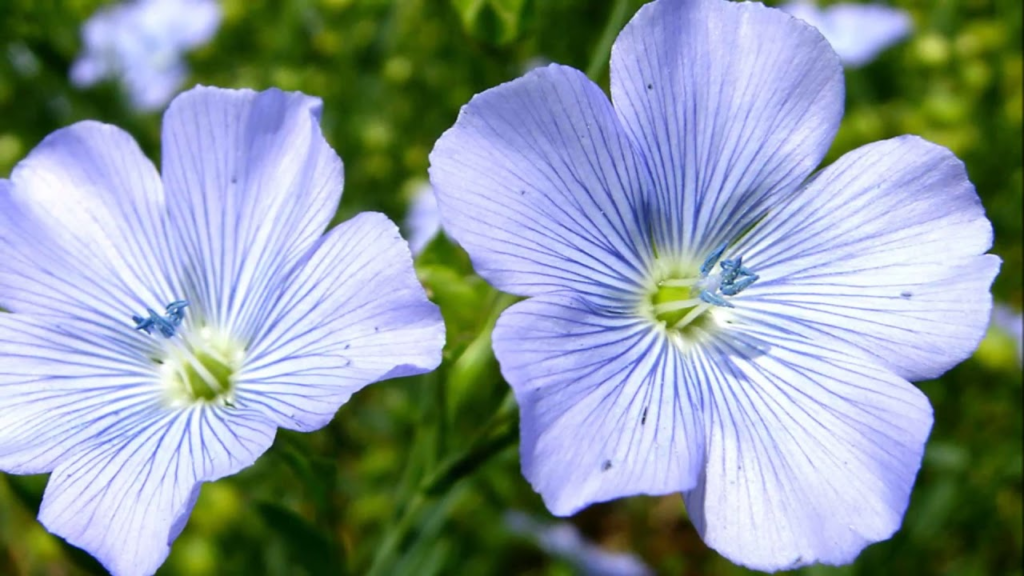
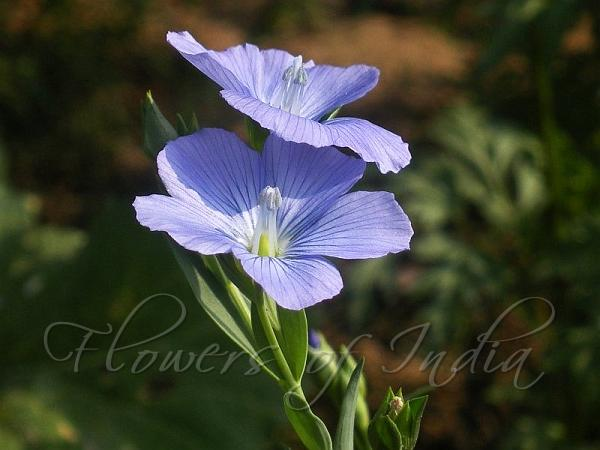
The flowers are 15–25 mm in diameter with five petals, which can be coloured white, blue, yellow, and red depending on the species.[12] The fruit is a round, dry capsule 5–9 mm in diameter, containing several glossy brown seeds shaped like apple pips, 4–7 mm long.
Vernacular Names of Atasi
| Language | Name |
|---|---|
| Sanskrit | Atasi |
| Hindi | Alsi |
| English | Flaxseed, Linseed |
| Bengali | Tisi |
| Gujarati | Alsi |
| Tamil | Ali Vidai |
| Telugu | Aviselu |
| Malayalam | Cheruchana Vithu |
| Kannada | Agase Beeja |
| Marathi | Jawas |
| Urdu | Alsi |
Botanical Description of Atasi
Atasi is a slender annual herb cultivated mainly for its seeds and fiber.
Root System
The plant possesses:
- Thin taproot system
- Fine branching roots
- Moderate soil penetration
The roots support upright plant growth.
Stem
The stems are:
- Slender and erect
- Smooth textured
- Green in color
- Fibrous in nature
The stem is also used for producing flax fiber.
Leaves
Atasi leaves are:
- Narrow and lance-shaped
- Alternately arranged
- Smooth and delicate
- Light green in color
Flowers
The plant produces:
- Small blue flowers
- Five-petaled structure
- Delicate appearance
Flowering usually occurs during cooler seasons.
Seeds
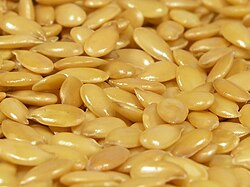
The seeds are:
- Small and flat
- Brown or golden in color
- Smooth and shiny
- Rich in natural oils
These seeds are the primary medicinal and nutritional part used traditionally.
Habitat and Distribution
Atasi is cultivated in:
- India
- Europe
- Asia
- North America
It grows best in:
- Cool climates
- Fertile agricultural lands
- Well-drained soil conditions
Ayurvedic Properties of Atasi
Ayurveda values Atasi for its nourishing, lubricating, strengthening, and Vata-balancing properties.
Rasa (Taste)
Atasi possesses:
- Madhura (Sweet)
- Tikta (Bitter)
Benefits:
- Supports nourishment
- Maintains tissue balance
- Supports digestion
- Helps lubrication
Guna (Qualities)
The herb contains:
- Guru (Heavy)
- Snigdha (Unctuous/Oily)
Ayurvedic Effects:
- Nourishes tissues
- Reduces dryness
- Supports strength
- Helps lubrication
Virya (Potency)
Atasi has:
- Ushna Virya (Warming potency)
Benefits:
- Supports circulation
- Helps digestion
- Reduces Vata imbalance
Vipaka (Post-Digestive Effect)
Atasi possesses:
- Madhura Vipaka
This supports:
- Tissue nourishment
- Strength
- Healthy metabolism
Dosha Effect
Atasi primarily helps balance:
- Vata Dosha
It may increase:
- Kapha Dosha in excessive use because of its heavy and oily qualities.
Health Benefits of Atasi
1. Supports Healthy Digestion
Atasi is traditionally valued for maintaining digestive comfort and bowel regularity naturally.
Benefits:
- Supports bowel movement
- Helps relieve dryness
- Maintains digestive lubrication
- Supports intestinal comfort
Its oily nature helps maintain smooth elimination.
2. Beneficial for Constipation
Atasi seeds are traditionally used to support healthy bowel evacuation naturally.
Traditionally Helpful For:
- Dry stools
- Constipation
- Intestinal dryness
- Vata-related bowel imbalance
3. Supports Heart Wellness
Atasi is traditionally associated with supporting cardiovascular health and healthy circulation naturally.
Benefits Include:
- Supporting healthy lipid balance
- Nourishing tissues
- Maintaining circulation
4. Supports Skin Health
Its nourishing and oily qualities help maintain healthy skin naturally.
Traditionally Helpful In:
- Dry skin
- Roughness
- Skin nourishment
- Tissue hydration
5. Supports Joint Comfort
Atasi helps reduce dryness and supports lubrication in the body.
Benefits:
- Supports joint flexibility
- Helps Vata-related stiffness
- Maintains tissue lubrication
6. Supports Strength and Vitality
Ayurveda traditionally uses Atasi for nourishment and strength-building support.
Rejuvenating Benefits:
- Tissue nourishment
- Energy support
- Physical strength
- General vitality
7. Supports Hair Nourishment
The oily and nourishing properties of Atasi are traditionally associated with healthy hair support naturally.
Traditional Ayurvedic Uses of Atasi
Atasi is traditionally used for:
- Constipation
- Dryness
- Weak digestion
- Skin dryness
- Joint stiffness
- Vata imbalance
- Tissue nourishment
Effect on Agni (Digestive Fire)
Atasi supports digestion while maintaining internal lubrication naturally.
It traditionally helps:
- Maintain bowel comfort
- Support digestion
- Reduce dryness-related digestive imbalance
Effect on Dhatus (Body Tissues)
Atasi traditionally supports:
Rasa Dhatu
Supports nutritive fluid balance.
Meda Dhatu
Helps maintain healthy lubrication and nourishment.
Asthi Dhatu
Traditionally associated with joint and structural support.
Effect on Srotas (Body Channels)
Atasi mainly acts on:
- Annavaha Srotas (digestive channels)
- Rasavaha Srotas (nutritive channels)
It helps maintain nourishment and lubrication naturally.
Growing Conditions of Atasi
Climate
- Cool and moderate climate preferred
Soil
- Fertile well-drained soil
- Loamy soil suitable
Sunlight
- Full sunlight ideal
The plant grows best during cooler agricultural seasons.
Special Botanical Features
Atasi is easily recognized by:
- Slender stems
- Blue flowers
- Smooth shiny seeds
- Fibrous stalks
Precautions
Although traditionally beneficial, excessive use of Atasi may:
- Increase heaviness
- Aggravate Kapha
- Cause digestive sluggishness in some individuals
Use cautiously in:
- Weak digestion with heavy Ama accumulation
- Excessive Kapha disorders
Professional Ayurvedic guidance is recommended before medicinal use.
Modern Scientific Insights
Atasi contains omega-3 fatty acids (ALA), lignans, and dietary fiber. These compounds provide antioxidant, anti-inflammatory, and heart-protective benefits, making it a recognized superfood in modern nutrition.
Medicinal Use
- Dysuria: 5gms of Atasi seeds are
soaked in a 100ml of hot water for
overnight. Next day morning, it is
macerated well and filtered. This
is consumed before food for the
treatment of burning urination.
- Dyslipidaemia: Early in the
morning 2-3 ml linseed oil is
added to a cup of warm water
and taken in empty stomach.
This helps to reduce the total
cholesterol, and also beneficial in
obesity. - Lactation: Equal quantity of
Linseed, cumin seeds and
fenugreek seeds are made into
fine powder . This mixer is taken
twice a day in the dose of 5 gram
along with milk. This improves
lactation. - Wasp sting: Fresh, mature flax
leaves are crushed to obtain fresh
juice. In case of emergency, as a
first aid this juice is applied over
the wasp sting area. This quickly
relieves burning sensation and
pain. - Throat pain: Fine paste of 2‒3
fresh flowers of atasi is applied
around the throat. This pacifies
throat pain. - Arthritis: One fist full of seeds are
soaked in sour buttermilk through
out the night. Next day morning,
made into fine paste and applied
over the joints. This relieves joint
pain by one or two weeks.
Conclusion
Atasi is a powerful Ayurvedic herb and superfood known for its wide range of health benefits. From supporting heart health to improving digestion and enhancing skin and hair, it plays a vital role in maintaining overall wellness when used properly.
Atasi (Linum usitatissimum), widely known as flaxseed, is a highly valuable herb in Ayurveda as well as modern nutrition. Its rich composition of omega-3 fatty acids, dietary fiber, and lignans makes it a powerful natural remedy for promoting heart health, improving digestion, and supporting overall well-being.
Traditionally, Atasi has been used to nourish the body, lubricate tissues, and balance Vata dosha. Its unctuous and strengthening qualities help relieve dryness, support healthy bowel movements, and enhance skin and hair health. In today’s context, it is especially appreciated for its role in managing cholesterol levels and reducing inflammation, making it beneficial for long-term cardiovascular health.
In addition to its physical health benefits, Atasi also contributes to hormonal balance and sustained energy levels. Its antioxidant properties help protect the body from oxidative stress and support overall vitality.
However, due to its heavy and oily nature, Atasi should be consumed in moderation and always with adequate water to avoid digestive discomfort. Individuals with specific health conditions or those taking medications should seek professional guidance before regular use.
When incorporated into a balanced diet and healthy lifestyle, Atasi can play a significant role in maintaining long-term health and wellness. Its strong foundation in Ayurvedic tradition, combined with modern scientific support, makes it a truly valuable superfood for holistic living.
