

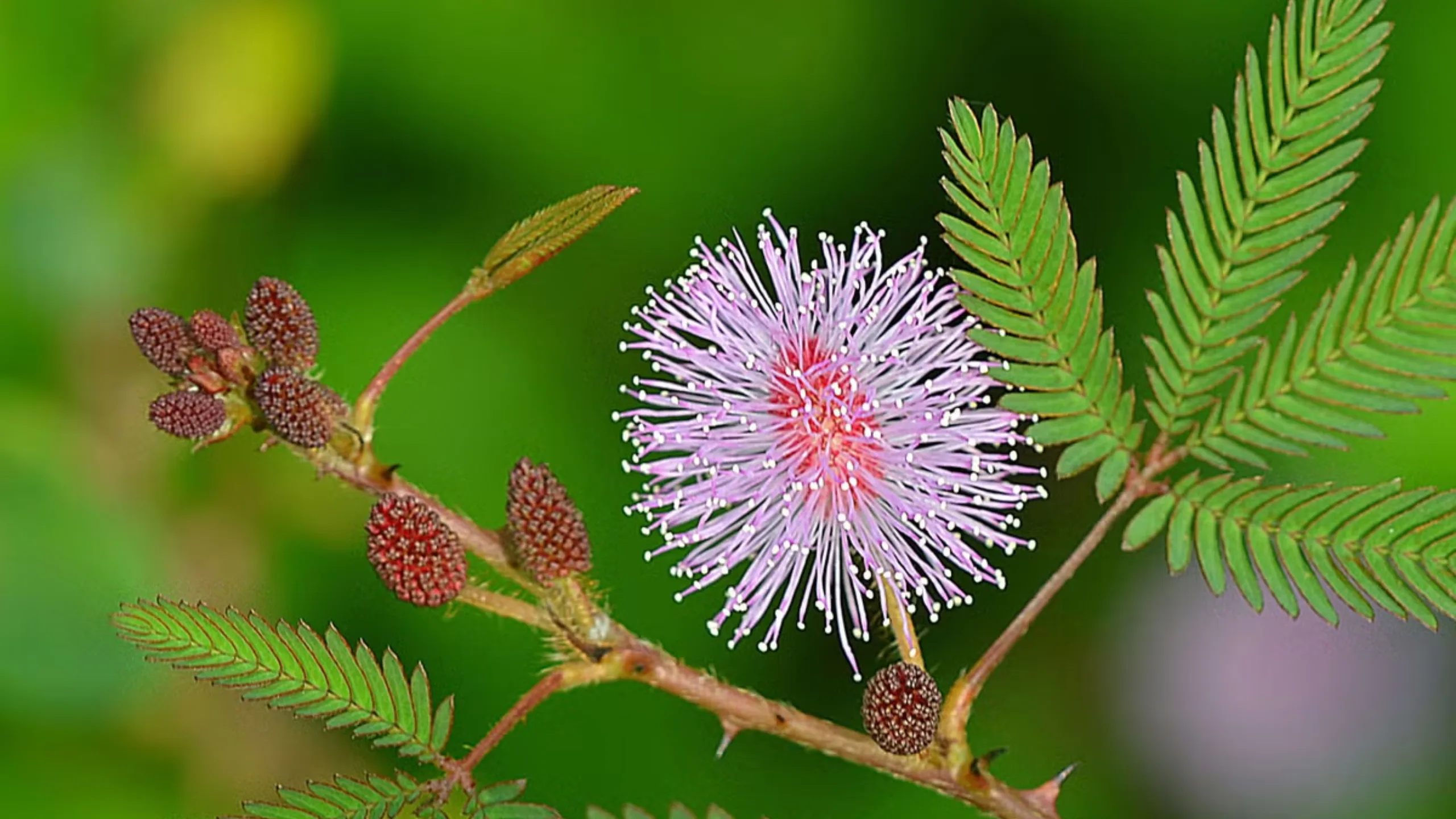

Mucuna prurita, Fabaceae
Introduction
Atmagupta, scientifically known as Mucuna pruriens, is a powerful Ayurvedic herb widely used for improving reproductive health. It also enhances nervous system strength and overall vitality. It is commonly known as Kapikacchu and is highly valued as a rejuvenating herb (Rasayana) in Ayurveda.
Botanical Description
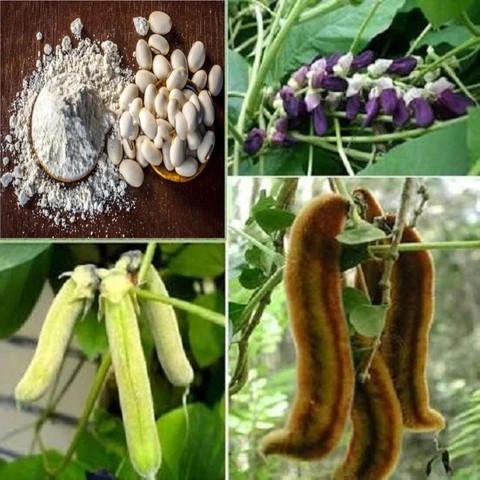
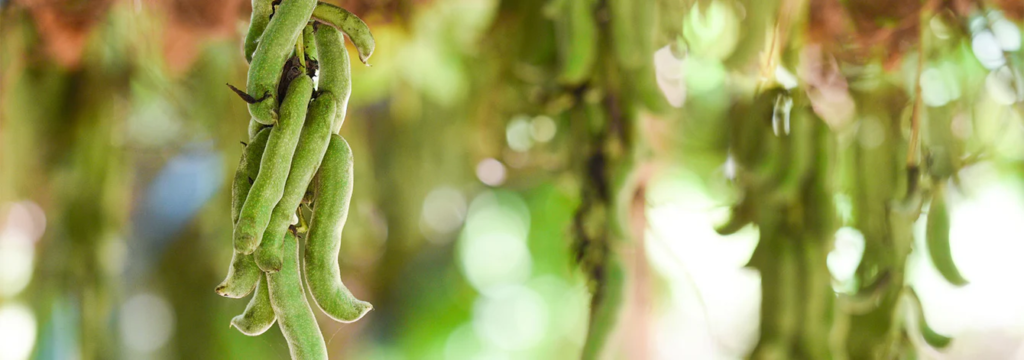
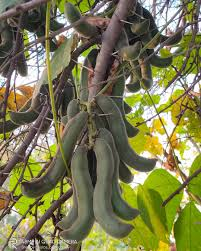
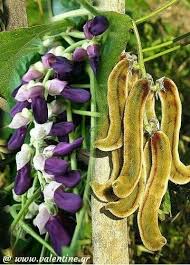
Atmagupta is a tropical climbing plant known for its velvet-covered pods, which contain seeds with significant medicinal value.
- Scientific Name: Mucuna pruriens
- Family: Fabaceae
- Common Names: Atmagupta, Kapikacchu, Velvet Bean
Ayurvedic Properties
Atmagupta is known for its nourishing and strengthening effects.
- Rasa (Taste): Sweet, Bitter
- Guna (Qualities): Heavy, Unctuous
- Virya (Potency): Heating
- Vipaka (Post-digestive effect): Sweet
- Dosha Effect: Balances Vata and Kapha
Health Benefits
1. Improves Reproductive Health
Atmagupta is widely used to enhance fertility, improve sperm quality, and support overall reproductive health.
2. Supports Nervous System
It strengthens the nervous system and is beneficial in neurological conditions like Parkinson’s Disease due to its natural L-DOPA content.
3. Enhances Strength and Stamina
As a Rasayana herb, it improves physical strength, endurance, and vitality.
4. Reduces Stress and Anxiety
It helps calm the mind and reduce stress, promoting mental well-being.
5. Supports Muscle Growth
Atmagupta is often used to support muscle development and recovery.
6. Improves Libido
It acts as a natural aphrodisiac and helps improve sexual health.
Traditional Uses in Ayurveda
- Used in formulations for infertility and sexual weakness
- Powder used with milk for strength and vitality
- Included in Rasayana therapies
- Used in nervous system disorders
Modern Scientific Insights
Atmagupta contains L-DOPA, alkaloids, and antioxidants. These elements contribute to its neuroprotective, anti-stress, and performance-enhancing effects.
How to Use Atmagupta
1. Powder (Churna)
Take with milk or warm water under guidance.
2. Capsules/Tablets
Available as supplements for easy consumption.
3. Ayurvedic Formulations
Used in classical preparations for strength and reproductive health.
Precautions
- Avoid excessive use
- Not recommended without guidance for people with neurological conditions
- Pregnant women should consult a doctor
Conclusion
Atmagupta is a powerful Ayurvedic herb known for its rejuvenating, strength-enhancing, and nerve-supporting properties. Its role in improving reproductive health and vitality makes it an important herb in traditional medicine.
Atmagupta (Mucuna pruriens) is a powerful and rejuvenating herb in Ayurveda, widely valued for its ability to enhance strength, vitality, and overall well-being.
Atmagupta (Mucuna pruriens) is a powerful and rejuvenating herb in Ayurveda, widely valued for its ability to enhance strength, vitality, and overall well-being. As a renowned Rasayana, it plays a significant role in nourishing the body, supporting the nervous system, and improving reproductive health.
Traditionally used to address issues like infertility, low stamina, and nervous disorders, Atmagupta has gained modern scientific recognition due to its natural content of L-DOPA. This makes it particularly beneficial in supporting neurological conditions such as Parkinson’s Disease, while also helping to improve mood, reduce stress, and promote mental clarity.
In addition to its neurological benefits, Atmagupta is well known for enhancing muscle strength, boosting energy levels, and improving libido. Its nourishing and strengthening properties make it especially useful for individuals seeking to restore physical endurance and maintain long-term vitality.
Traditionally used to address issues like infertility, low stamina, and nervous disorders, Atmagupta has gained modern scientific recognition due to its natural content of L-DOPA. This makes it particularly beneficial in supporting neurological conditions such as Parkinson’s Disease.
It also helps to improve mood, reduce stress, and promote mental clarity.
Incorporating Atmagupta into a balanced Ayurvedic lifestyle—along with proper nutrition, regular exercise, and healthy habits—can significantly contribute to overall health, resilience, and longevity.
Its deep-rooted traditional importance, supported by modern research, makes it a valuable herb in both classical Ayurveda and contemporary natural medicine.
Medicinal Uses
- Venereal Diseases: Internal
administration of 3gms of
atmagupta seed powder boiled
in 100 ml of cow’s milk with
sufficient sugar twice daily to
cure venereal diseases.
- Sciatica: 5gms of atmagupta root
powder boiled in 200 ml of water
and reduced it into 50ml. Drinking
this filtered decoction twice daily
for a month in Sciatica . - Dysuria: Atmagupta (Kapikacchu),
Shatavari and Gokshura powders
are taken equal quantity. 10 gms
of this mixture boiled in 200ml of
water and reduced to 50 ml. Oral
intake of this decoction twice
daily beneficial in dysuria. - Kampavata(Parkinson’s
disease): 5gms of Kapikacchu
churnam cooked in milk for
5-10 min in low flame. Take this
milk by adding sugar and one
teaspoon Ghee twice a day to
cure Parkinsonism and Male
Infertility. - Filarial swelling (Sleepada):
Regular application of atmagupta
root paste externally over the
affected region will reduce the
swelling
Vernacular names
Assam : Banar Kakua
English : Cowhage
Gujarati : Kavach, Kaucha
Hindi : Kewanch, Kaunch
Kannada : Nasugunne, Nasugunnee
Malayalam : Naikuruna
Marati : Khajkuhilee, Kavach
Oriya : Baikhujnee
Punjabi : Tatgajuli, Kawach
Tamil : Poonaikkali
Telugu : Doolagondi, Duradagondi
Urdu : Kanwach, Konch
Why Mucuna (Kapikacchu) Really Is That Amazing
You may have heard about Mucuna and its ability to support a healthy nervous system because of its L-dopa content. It’s true—it’s pretty fantastic. But you may not have heard about mucuna’s benefits to other organ systems in the body, specifically the reproductive and digestive systems.
Mucuna has been used in Ayurveda for thousands of years and is known by several names including Kapikacchu, Atmagupta, and cowhage. In moderation, mucuna is beneficial for all doshas, but it has a special affinity for balancing vata dosha.
Mucuna and the Nervous System
Let’s start with the nervous system since so many people are familiar with mucuna because of its effect on that system. Mucuna has a sweet taste and a hot energetic effect.1 In the world of herbal energetics, the unique combination of sweet and hot creates an amazingly nourishing herb that is calming and soothing, making it ideal for excess vata in the nervous system. Vata in the nervous system can manifest as occasional tingling, spasm, tremor, fear, anxiety, sleep difficulty, trouble keeping attention, poor memory or communication, spaciness, dizziness, or poor movement to name a few.2 The heavy, unctuous nature of mucuna helps to warm and stabilize the erratic excess movement of vata.
One of the reasons mucuna is so popular is because it is a natural source of the amino acid, levodopa (L-dopa). L-dopa is a precursor to the neurotransmitter, dopamine, which is responsible for a long list of functions, from sensory experiences to emotional responses. And don’t forget about this grounding herb anytime you’re going through a time of extra stress, lots of travel, or late nights—situations where vata can easily become disturbed. To specifically target the nervous system, mucuna is traditionally taken with warm milk. It is such a treat in the evenings when you’re winding down before bed!
Mucuna and the Reproductive System
In Ayurveda, nutrients get processed and nourish the seven tissues of the body ( dhatus ) sequentially. After the nervous system tissues, the reproductive tissues are nourished. So, if the nervous system is malnourished and has high vata, these same depleting qualities will be passed along to the next tissue layer, the reproductive tissues. You can begin to see why it is crucial to rejuvenate the nervous system in order to get proper nutrition and nourishment passed on to the reproductive system. Because of its profound effect on the nervous system, and the resulting effect on the more subtle tissues of reproduction, mucuna is considered to be one of the ultimate Ayurvedic tonics for both men and women. It has long been used for this purpose, and it can be found in many traditional Ayurvedic formulas for couples preparing for pregnancy.
In a study with sixty healthy men, for instance, taking Mucuna pruriens daily improved sperm count and motility.3 And in an animal model with rats taking mucuna extract for forty-five days, there was increased sexual desire, increased time leading to ejaculation, along with erections.4It is said that the benefits extend to women as well. Mucuna promotes ojas and serves as a natural way to encourage a healthy sex drive and libido. It is traditionally taken with ashwagandha and ghee to directly target the reproductive tissues and support fertility for men and women alike.
Mucuna and the Digestive System
Ever feel like your stomach is making flips, flutters, or butterflies? Or do you get a case of diarrhea when you are really nervous? That happens because our digestive system is incredibly responsive to the state of our mind and nervous tissues through an incredible network of neurons and messenger hormones. For this reason, the soothing and warming qualities of mucuna help with occasional intestinal cramps or spasms, gas or bloating, and bowel movement regularity.5
Because mucuna is so effective when it comes to soothing the nervous system, it is available as a bulk powder and, thanks to popular demand, as tablets as well. Remember mucuna (kapikacchu) the next time you need rejuvenation support to soothe vata.
