

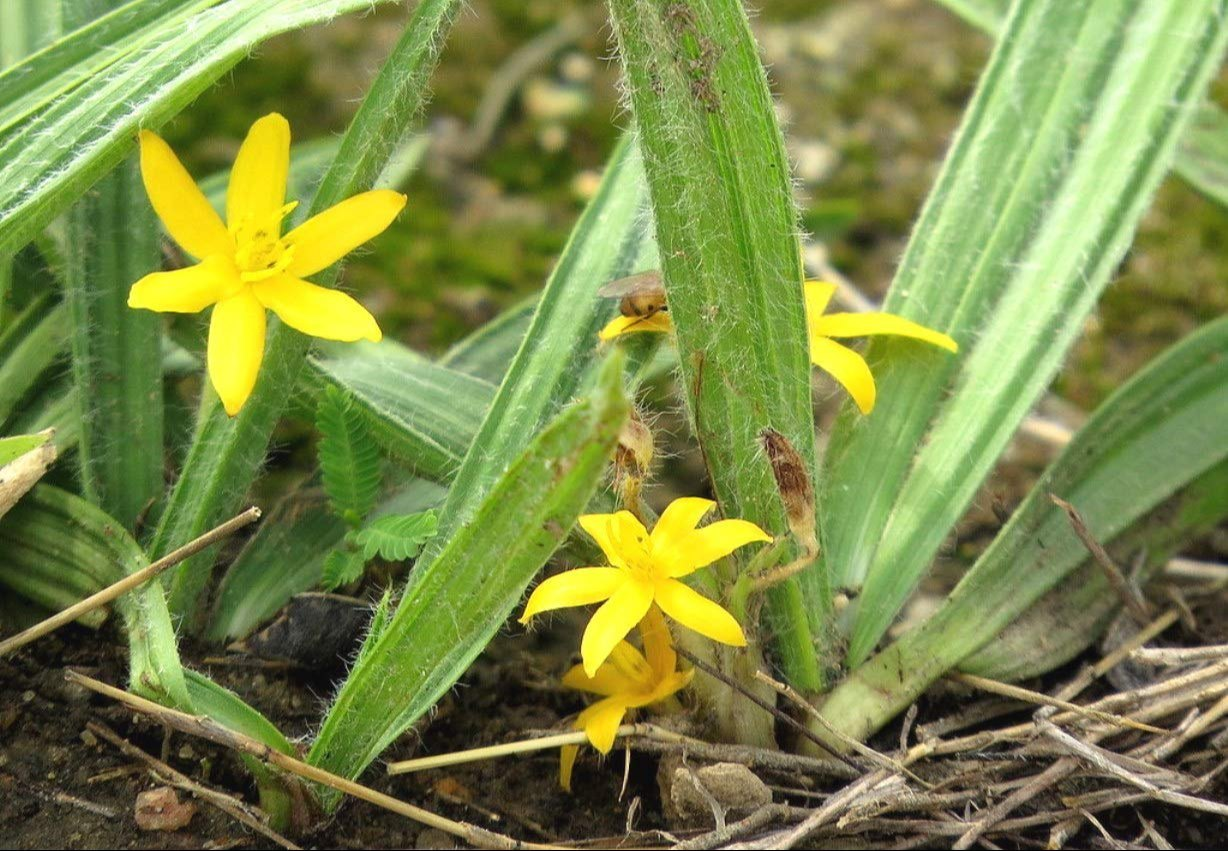
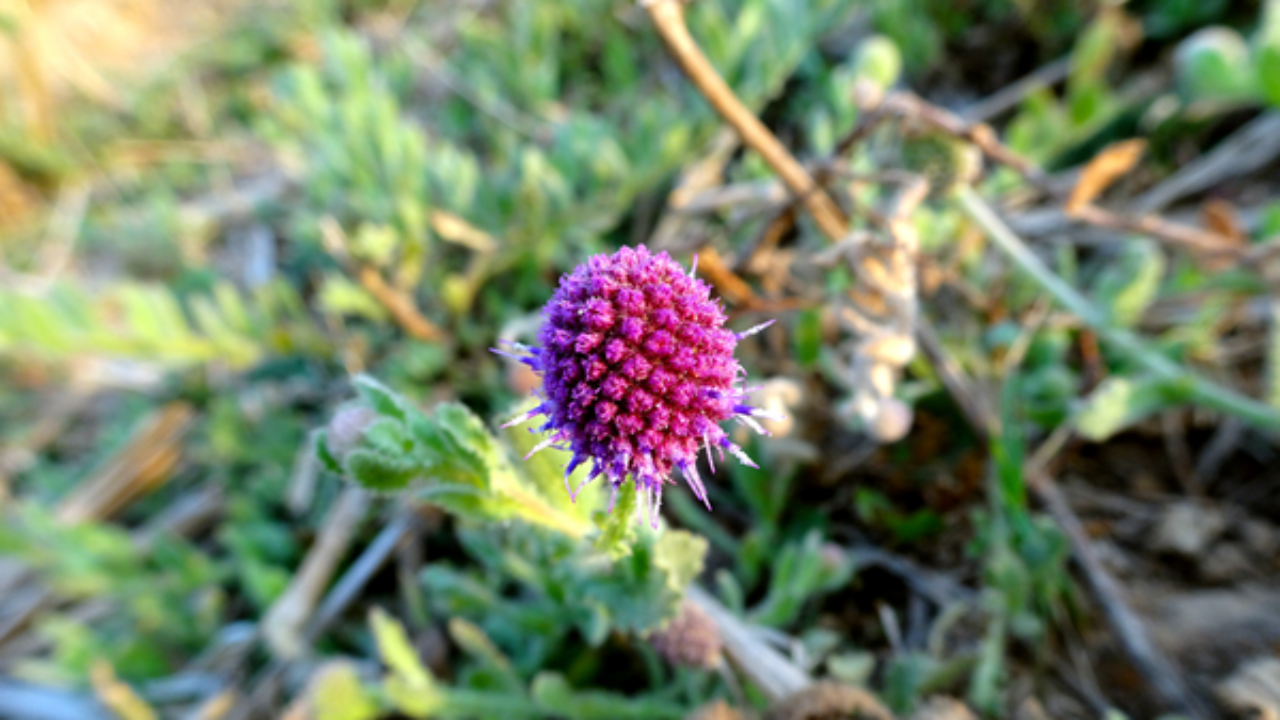
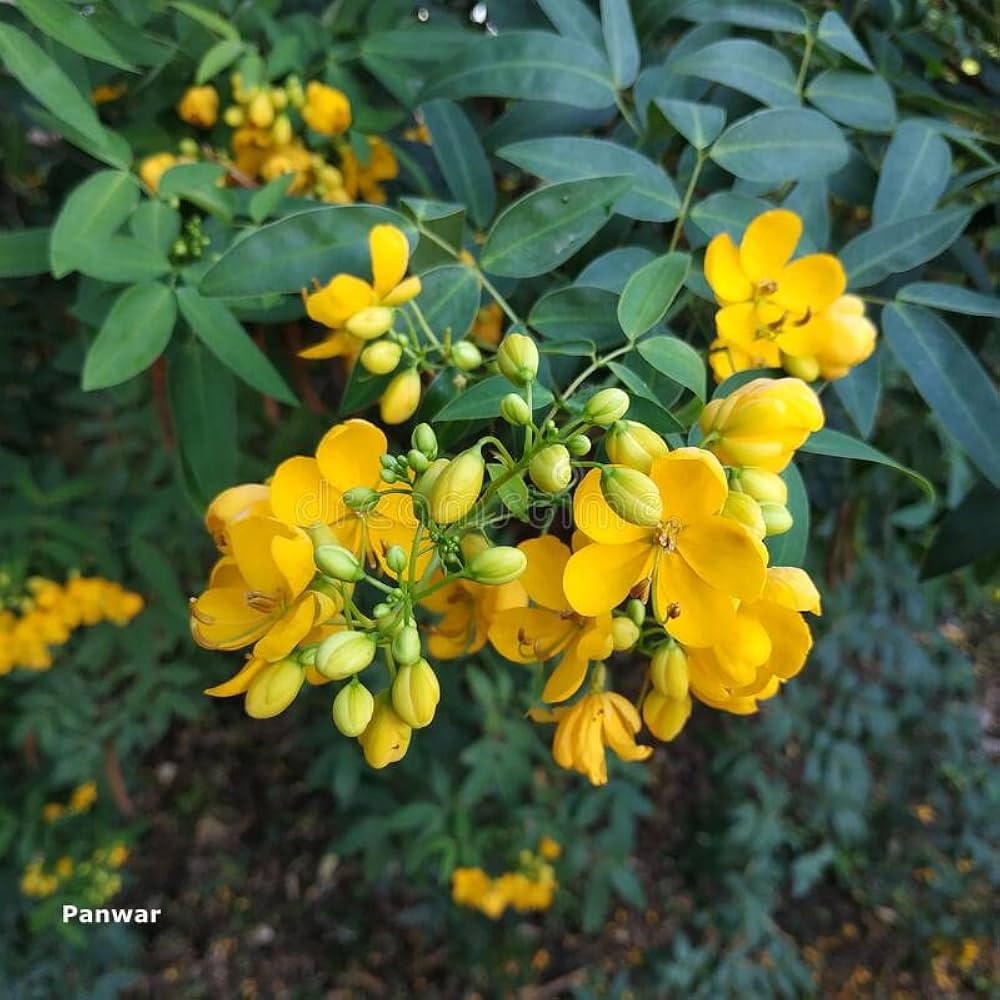
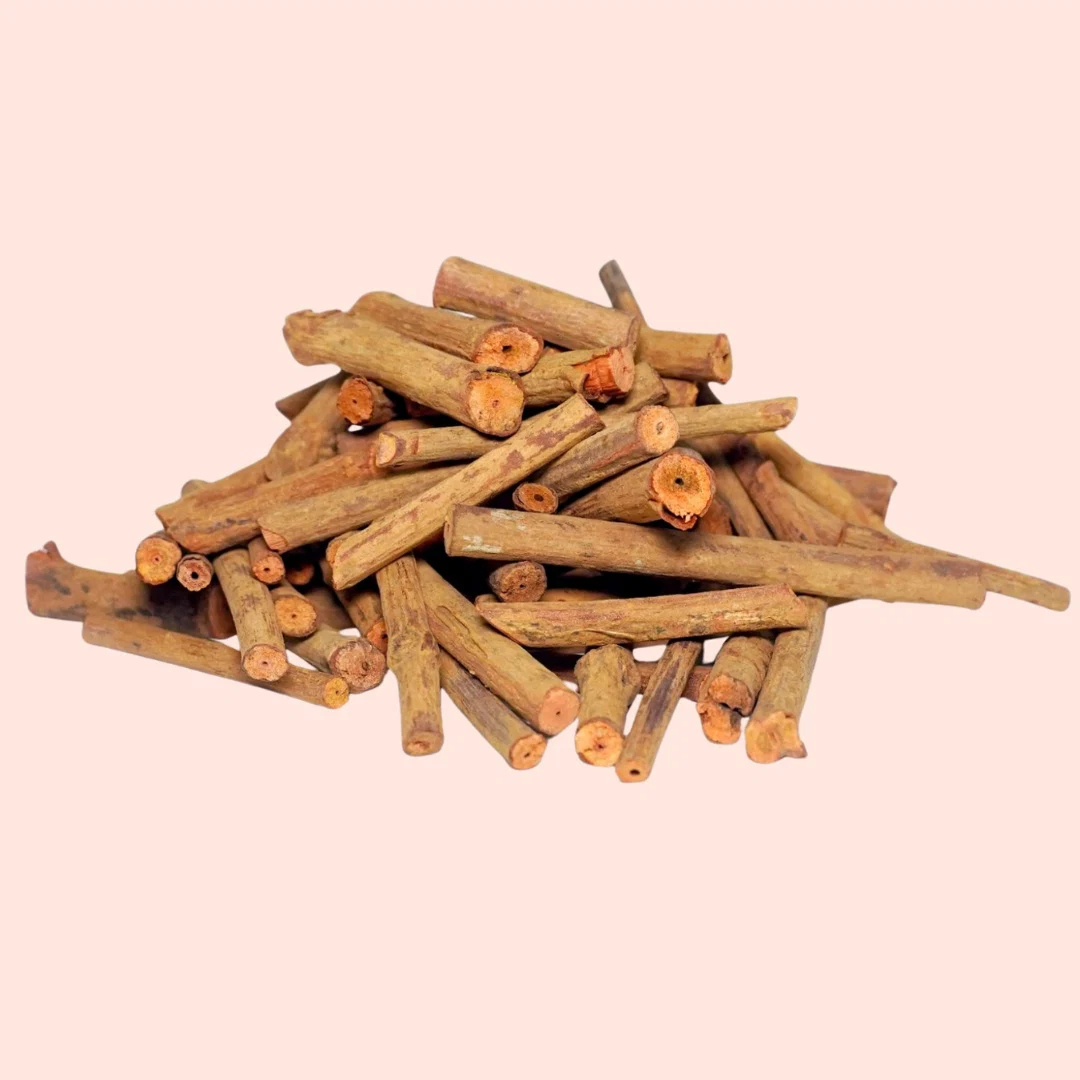
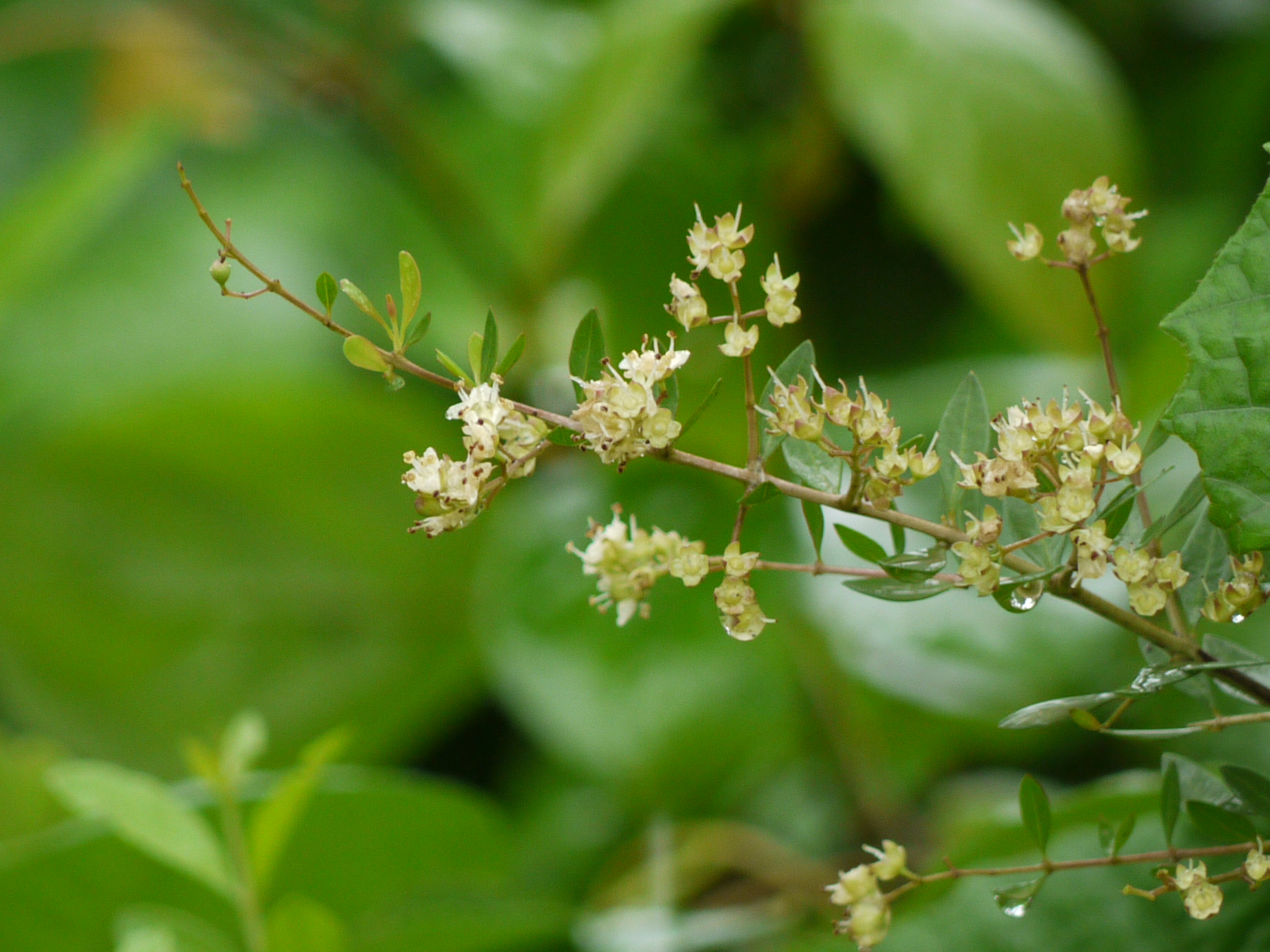
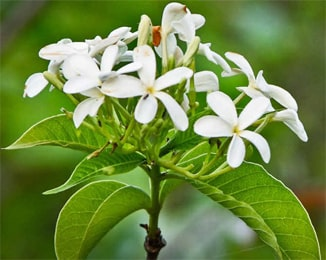

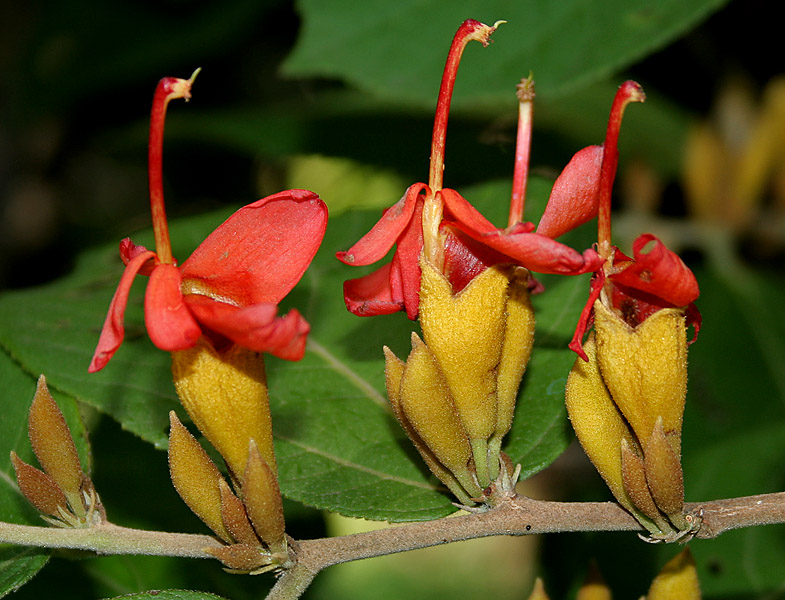
Helicteres isora, Sterculiaceae
Introduction
Avartani, scientifically identified with Helicteres isora, is a valuable Ayurvedic herb known for its effectiveness in digestive and intestinal disorders. Commonly called the “Indian Screw Tree” due to its twisted fruit shape, Avartani has been used in traditional medicine for centuries to support gut health and overall wellness.
Botanical Description
Avartani is a small tree or shrub found in tropical forests of India. Its fruits are spiral or screw-shaped, which makes it easily recognizable.
- Scientific Name: Helicteres isora
- Family: Malvaceae
- Common Names: Avartani, Marorphali, Indian Screw Tree
Ayurvedic Properties
Avartani is known for its digestive and astringent qualities.
- Rasa (Taste): Astringent, Bitter
- Guna (Qualities): Light, Dry
- Virya (Potency): Cooling
- Vipaka (Post-digestive effect): Pungent
- Dosha Effect: Balances Kapha and Pitta
Health Benefits
1. Improves Digestion
Avartani is widely used to strengthen digestion and relieve problems like indigestion and bloating.
2. Effective in Diarrhea and Dysentery
Its astringent nature helps control loose motions and is beneficial in managing Diarrhea and dysentery.
3. Supports Intestinal Health
It helps cleanse the intestines and improves overall gut function.
4. Anti-inflammatory Properties
Avartani reduces inflammation and supports healing in various conditions.
5. Helps in Blood Sugar Control
Some traditional uses suggest its role in managing blood sugar levels.
6. Antimicrobial Effects
It helps fight infections due to its natural antimicrobial compounds.
Traditional Uses in Ayurveda
- Fruit powder used for diarrhea and intestinal disorders
- Decoction used for digestive problems
- Used in herbal formulations for gut health
- Taken as churna for improving appetite
Modern Scientific Insights
Research indicates that Avartani contains tannins, flavonoids, and antioxidants that contribute to its digestive, anti-inflammatory, and antimicrobial properties.
How to Use Avartani
1. Powder (Churna)
Take dried fruit powder with warm water under guidance.
2. Decoction (Kadha)
Boil the fruit in water and consume for digestive issues.
Precautions
- Excess use may cause constipation due to astringent nature
- Use in moderation
- Consult a healthcare professional before long-term use
Conclusion
Avartani is a valuable Ayurvedic herb known for its strong digestive and intestinal benefits. Its traditional use in managing diarrhea and improving gut health makes it an important natural remedy. With proper use, it can significantly support digestive wellness and overall health.
Avartani (Helicteres isora) is a highly valuable yet often underappreciated herb in Ayurveda, especially known for its strong action on the digestive and intestinal systems. Its astringent and cooling properties make it particularly effective in balancing Kapha and Pitta doshas while supporting gut health and metabolic balance.
Traditionally, Avartani has been widely used in managing conditions like Diarrhea, dysentery, and other gastrointestinal disorders. Its natural ability to control excessive intestinal movements and reduce inflammation makes it a reliable remedy for digestive disturbances. In addition, its antimicrobial and antioxidant properties contribute to overall internal cleansing and protection against infections.
Regular and proper use of Avartani can help strengthen digestion, improve nutrient absorption, and maintain intestinal health. It plays a significant role in restoring balance in the digestive system, which is considered the foundation of good health in Ayurveda.
However, due to its strong astringent nature, it should always be used in appropriate amounts and preferably under expert guidance to avoid side effects such as excessive dryness or constipation.
Incorporating Avartani into a balanced Ayurvedic lifestyle—along with proper diet, hydration, and healthy habits—can provide long-term digestive support and overall well-being. Its traditional importance, combined with emerging scientific validation, makes it a valuable herb in both classical and modern natural healthcare systems.
Medicinal Uses
- Earache: The crushed pods of
avartani added with gingerly oil
and boiled . The prepared oil is
used as ear drops(2 ‒ 3 drops) for
pricking pain in ears and other ear
ailments.
- Hiccup: 4 ‒ 6 grams of avartani
pod powder with honey 2 times
a day is useful in cases of hiccup,
fever etc. - Diarrhea: 5 gms of crushed bark
& pod of avartani is boiled in
100ml of water and reduced to
25ml . This decoction is given for
diarrhea twice or thrice daily. - Eczema: External application of
the Leaves Paste is effective for
various skin ailments like scabies,
eczema etc. - Colic: 3-6grams of fruit powder
of avartani with warm water
twice daily is useful in colic. The
fruits give an imagination about
intestines. The fruits are twisted,
hence they are useful in twitching
pain of abdomen. - Scabies: The root paste is applied
topically for Scabies.
Vernacular names
English : Indian screw tree
Hindi : Marod phali
Tamil : Valipiri
Telugu : Nunidala guba tasa,
guvardara
Gujarati : Maradasing
Urdu : Murmuriya
Malayalam : Isvaramuri
Bangali : Antmora
Kannada : Peda muri
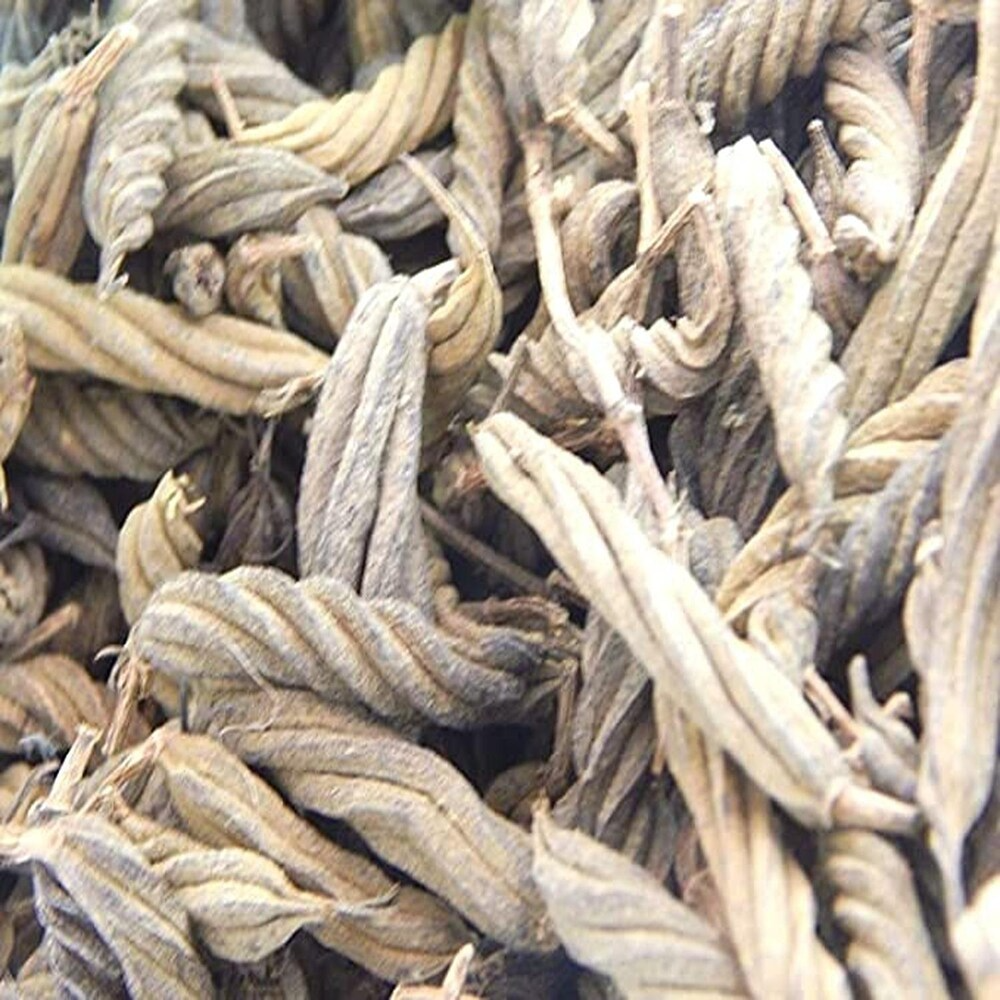
Avartani, scientifically known as Helicteres isora and commonly called the Indian Screw Tree or Marodphali, is a, significant, therapeutic herb in Ayurveda, often used for managing diarrhea, dysentery, and abdominal pain. This, woody shrub, characterized by its, twisted, fruit pods, possesses antioxidant, antimicrobial, and anti-diabetic properties.
Key Details About Avartani:
- Botanical Profile: A 2–6 meter high shrub, known for fruits that twist into a, screw-like shape (follicles).
- Ayurvedic Properties: It is considered astringent (Grahi) and bitter (Tikta), frequently, used for, balancing, Vata and Kapha doshas.
- Therapeutic Uses:
- Digestive Health: Highly effective for diarrhea, dysentery, colic pain, and intestinal parasites.
- Diabetes: It has, shown, potential for reducing blood sugar levels and, managing, blood sugar, due to insulin-sensitizing properties.
- Skin & Other Issues: Used for skin ailments, to support, healing of chronic ulcers, and to, boost, overall, physical strength.
- Useful Parts: Primarily the fruits, though, roots and bark are also used in, Ayurvedic medicines.
- Dosage: Fruit powder is commonly used, with a typical, recommended dose of 3–6 grams.
Note: It is advisable to consult an Ayurvedic practitioner before starting, any, herbal, treatment.
