

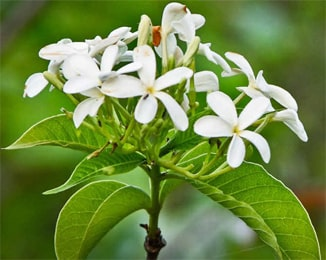

Terminalia belerica, Combretaceae
Introduction
Bibhitaka, scientifically known as Terminalia bellirica, is a highly valued herb in Ayurveda. It is one of the three key ingredients of the famous formulation Triphala, along with Haritaki and Amalaki. Bibhitaka is known for its detoxifying, rejuvenating, and especially respiratory-supporting properties.
Terminalia bellirica, commonly known as Bibhitaka or Baheda, is one of the most important medicinal plants in Ayurveda traditionally valued for supporting respiratory wellness, digestion, detoxification, and overall body balance naturally. Bibhitaka is widely recognized as one of the three powerful fruits used in the famous Ayurvedic formulation Triphala, along with Haritaki and Amalaki.
The name “Bibhitaka” means “the fruit that keeps away disease,” reflecting its long-standing importance in traditional herbal medicine. Ayurveda highly appreciates this herb for its cleansing, rejuvenating, balancing, and tissue-supportive properties.
Bibhitaka belongs to the Combretaceae family and grows as a large deciduous tree throughout India and tropical regions. The fruit is the primary medicinal part used in Ayurvedic preparations and is traditionally recommended for respiratory imbalance, digestive weakness, excess Kapha, throat discomfort, and detoxification support.
Its astringent and balancing nature makes Bibhitaka especially beneficial for maintaining respiratory comfort, digestive harmony, healthy metabolism, and internal cleansing naturally.
Historical Context and Traditional Use
Bibhitaki’s mention can be found in classical Ayurvedic texts like the Charaka Samhita (circa 2nd century CE) and Sushruta Samhita where it’s referred to as “Bibhitaka.” Early physicians prized it for balancing Kapha dosha and enhancing digestive fire (agni). In medieval Kerala healers used Bibhitaki paste as a poultice for skin infections and in some Himalayan tribes, the dried fruit was burnt for fumigation to clear respiratory srotas (channels).
Back in Mughal era, physicians noted Bibhitaki’s role in managing coughs—often mixed with honey and black pepper, a recipe still popular in rural households today. Travellers along the old Silk Route carried Bibhitaki kernels to treat diarrhea and urinary issues on long journeys—that’s real-life proof of its portability and multipurpose nature.
Over time, its use evolved from single-herb preparations to key part of the renowned Triphala blend. While Triphala became a household name by the 19th century, Ayurveda purists in Tamil Nadu continued prescribing pure Bibhitaki in specific cases—like stubborn Kapha coughs or delayed menses. Colonial-era botanists documented its tannins and astringent properties, and later British pharmacopeias included it under “Belliric myrobalan.”
So, from Vedic altars to modern-day wellness blogs, Bibhitaki’s journey shows how an ancient remedy adapted across centuries and continents—yet retained its core claim to fame: gentle detoxification and tissue nourishment.
Scientific Classification of Bibhitaka
| Category | Details |
|---|---|
| Scientific Name | Terminalia bellirica |
| Family | Combretaceae |
| Common Names | Bibhitaka, Baheda, Beleric Myrobalan |
| Plant Type | Large medicinal deciduous tree |
Therapeutic Effects and Health Benefits
Here’s why people keep praising Bibhitaki:
- Digestive Regularity: Its mild laxative plus astringent combo is ideal for occasional constipation. A clinical study (Journal of Ayurvedic Studies, 2018) noted improved bowel movements in 70% of subjects with chronic sluggish gut after daily Bibhitaki powder for 14 days.
- Respiratory Support: For persistent coughs and phlegm, traditional formulas mix Bibhitaki with honey and ginger. A small randomized trial in Chennai (2020) reported reduced cough frequency by 40% within one week.
- Anti-inflammatory & Antioxidant: Gallic acid-rich Bibhitaki protects cells from oxidative stress. Lab research (2019) showed 60% reduction in lipid peroxidation in rat liver tissue treated with a standardized extract.
- Blood Sugar Balance: Some peer-reviewed trials suggest Bibhitaki enhances insulin sensitivity. In a 12-week pilot study (2017), subjects had marginally lower fasting glucose levels (P < 0.05), though larger trials are needed.
- Cholesterol Management: The saponins and tannins help lower LDL cholesterol. Anecdotally, a friend in Kerala used Bibhitaki decoction thrice weekly for three months and saw a 15% drop in total cholesterol panel.
- Skin Health: External use as a paste can manage minor eruptions and soothe inflamed areas—thanks to its astringent action.
Of course, individual responses vary. Some might feel mild nausea initially (just sip extra water). But real-life user reviews on Ask Ayurveda forums praise its gentle detox without harsh cramps, something many fiber supplements can’t promise.
Botanical Description of Bibhitaka
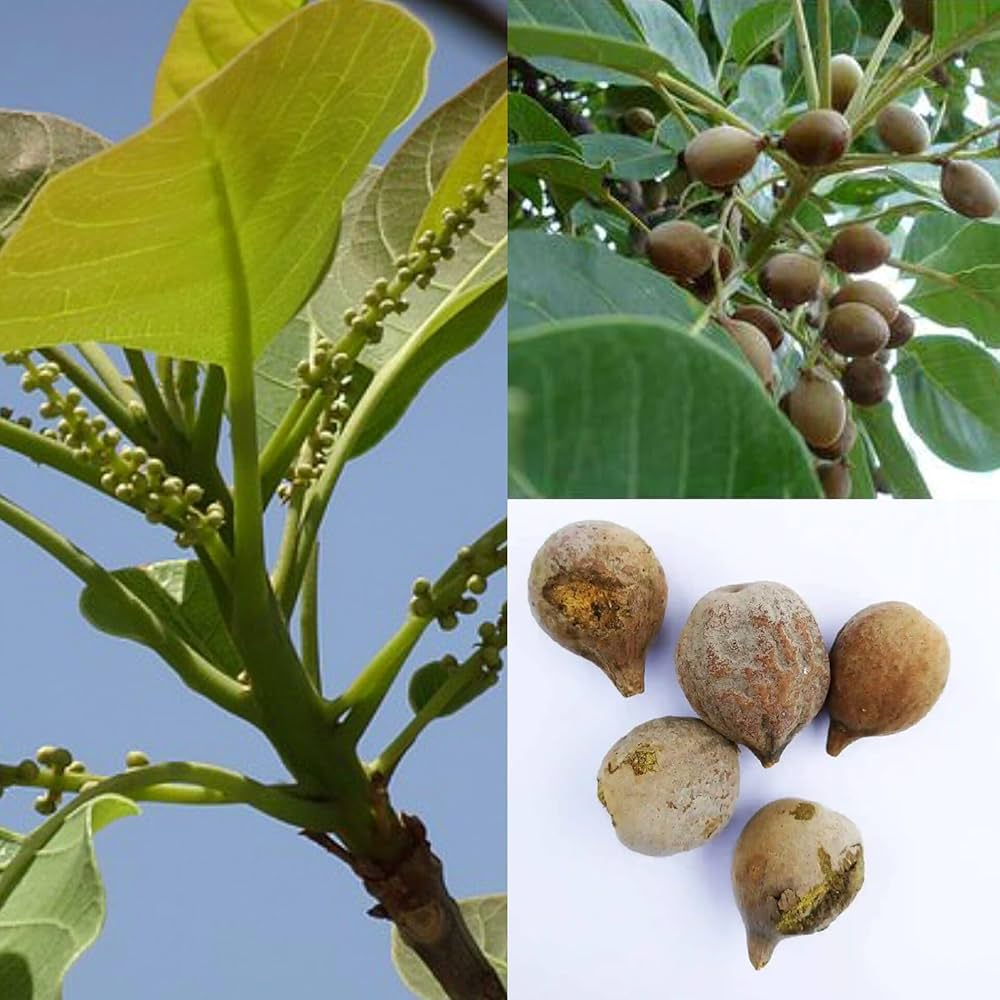
Bibhitaka is a large deciduous medicinal tree known for its broad canopy and valuable fruits.
Root System
The tree possesses:
- Deep taproot system
- Strong branching roots
- Excellent soil-holding ability
Its roots help the tree survive in varied climates.
Trunk and Bark
The trunk is:
- Tall and straight
- Grey to brown in color
- Rough-textured bark
The bark is also used in traditional medicine.
Leaves
Bibhitaka leaves are:
- Broad and oval-shaped
- Smooth textured
- Clustered near branch ends
- Green and shiny
Leaves fall seasonally before new growth appears.
Flowers
The tree produces:
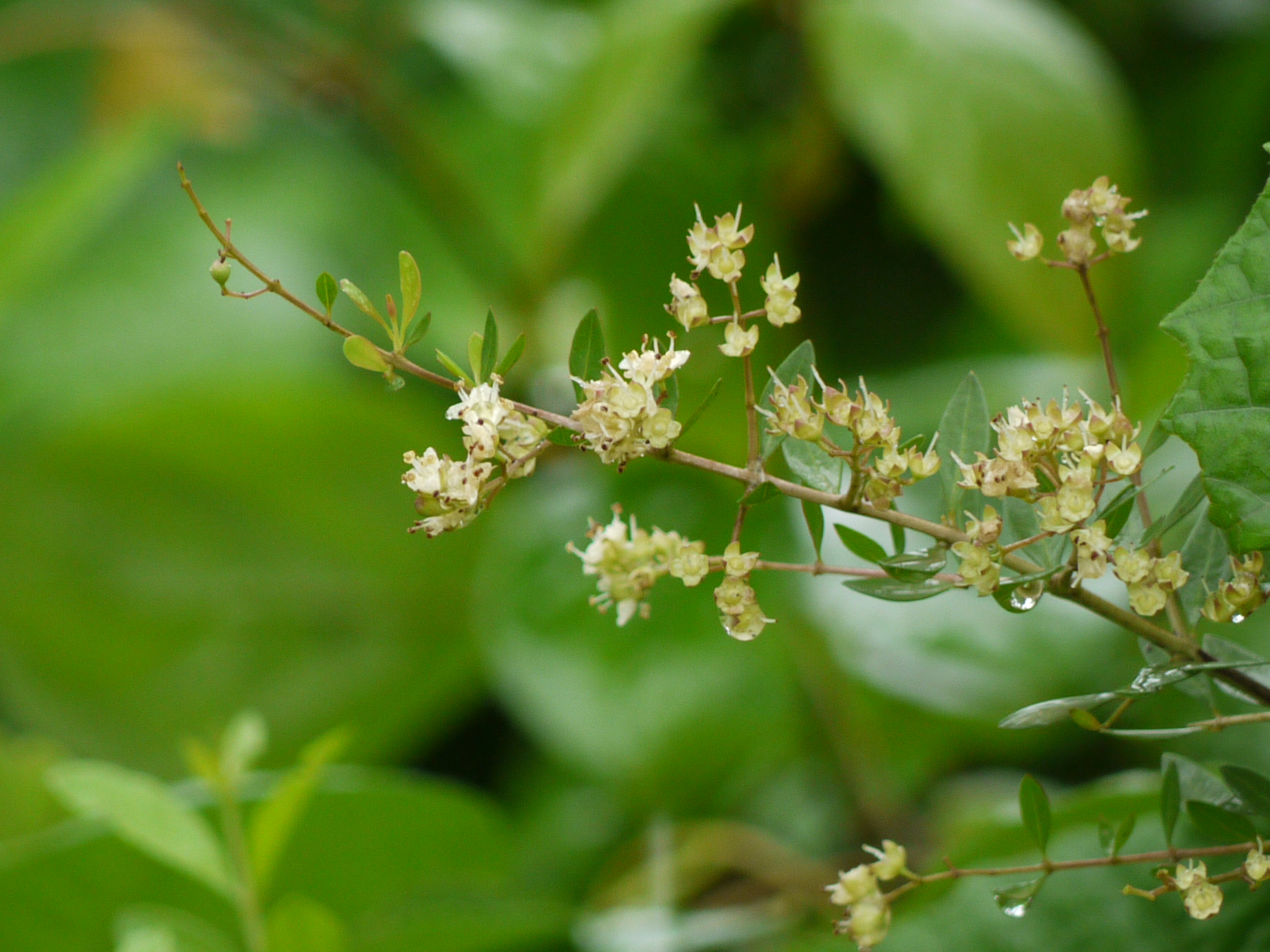
- Small greenish-yellow flowers
- Mild fragrance
- Clustered flowering pattern
Flowering usually occurs during spring and early summer.
Fruits
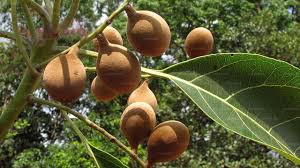
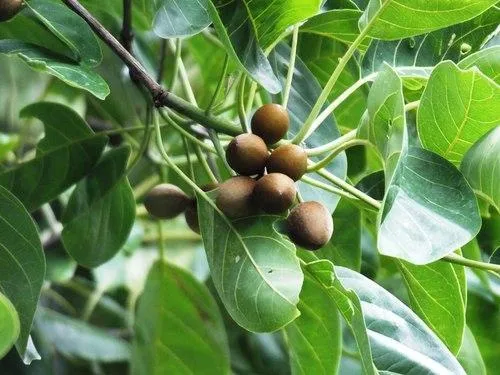
The fruits are:
- Round to oval-shaped
- Greyish-brown
- Hard-shelled
- Velvety when young
The dried fruit is the main medicinal part used in Ayurveda.
Habitat and Distribution
Bibhitaka naturally grows in:
- India
- Nepal
- Sri Lanka
- Southeast Asia
It is commonly found in:
- Forest regions
- Riverbanks
- Tropical woodlands
- Moist deciduous forests
Ayurvedic Properties of Bibhitaka
Ayurveda values Bibhitaka for its detoxifying, Kapha-balancing, digestive-supportive, and rejuvenating properties.
Rasa (Taste)
Bibhitaka mainly possesses:
- Kashaya (Astringent)
It may also exhibit:
- Madhura (Sweet)
- Tikta (Bitter)
Benefits:
- Supports detoxification
- Maintains bowel balance
- Reduces excess Kapha
Guna (Qualities)
The herb contains:
- Laghu (Light)
- Ruksha (Dry)
Ayurvedic Effects:
- Helps reduce heaviness
- Supports metabolism
- Assists cleansing
Virya (Potency)
Bibhitaka possesses:
- Ushna Virya (Mild warming potency)
Benefits:
- Supports respiratory comfort
- Helps reduce excessive mucus
- Stimulates metabolism
Vipaka (Post-Digestive Effect)
Bibhitaka has:
- Madhura Vipaka
This supports:
- Tissue nourishment
- Balanced metabolism
- Digestive harmony
Dosha Effect
Bibhitaka helps balance:
- Kapha Dosha
- Pitta Dosha
Excessive use may aggravate Vata because of its drying qualities.
Myths and Realities
Myth: “Bibhitaki only works as part of Triphala.” Reality: Pure Bibhitaki has distinct uses—like addressing stubborn Kapha cough or chronic skin eruptions—where Triphala might be too broad-spectrum. Sure, Triphala is convenient, but sometimes a single-herb focus is better.
Myth: “Because it’s natural, it’s harmless.” Reality: Excessive astringents can over-dry tissues; one friend who took 10 g nightly for a month ended up with dry mouth and constipation until she cut back. Natural doesn’t always equal zero risk.
Myth: “All Bibhitaki powders are the same.” Reality: Source quality, drying process, and part used (fruit vs. bark) alter potency significantly. A vendor in Mumbai once sent me a batch that lacked the expected astringent bite—likely overheated during processing.
By separating hearsay from research-backed facts, we honor tradition while ensuring safe, effective usage of this ancient herb.
Health Benefits of Bibhitaka
1. Supports Respiratory Health
Bibhitaka is traditionally valued in Ayurveda for supporting healthy respiratory function.
Traditionally Helpful For:
- Excess mucus
- Throat discomfort
- Respiratory congestion
- Kapha imbalance
Its cleansing nature helps maintain respiratory comfort naturally.
2. Supports Healthy Digestion
Bibhitaka helps maintain digestive balance and healthy metabolism.
Benefits:
- Supports digestion
- Helps bowel regularity
- Reduces digestive sluggishness
- Supports appetite
It is widely used in digestive-supportive Ayurvedic formulations.
3. Natural Detoxifying Herb
Bibhitaka is traditionally known for supporting detoxification and internal cleansing.
Detoxifying Benefits:
- Helps remove Ama (toxins)
- Supports tissue purification
- Assists healthy elimination
- Promotes metabolic balance
4. Supports Bowel Health
Its astringent quality helps maintain healthy bowel function.
Traditionally Used For:
- Mild digestive imbalance
- Loose stools
- Bowel cleansing support
5. Helps Balance Kapha
Bibhitaka is particularly useful in conditions associated with excess Kapha.
Helpful In:
- Excess mucus
- Heaviness
- Sluggishness
- Congestion
Its drying and cleansing properties help restore balance naturally.
6. Supports Throat Wellness
Ayurveda traditionally uses Bibhitaka for maintaining throat comfort and vocal clarity.
It is commonly included in herbal formulations for:
- Hoarseness
- Throat irritation
- Excess mucus accumulation
7. Beneficial for Hair Wellness
Traditional Ayurvedic practices sometimes associate Bibhitaka with supporting scalp and hair wellness naturally.
Bibhitaka in Triphala
Bibhitaka is one of the three fruits in the famous Ayurvedic formulation Triphala.
Role in Triphala:
- Haritaki balances Vata
- Bibhitaka balances Kapha
- Amalaki balances Pitta
Together, these herbs support:
- Digestion
- Detoxification
- Tissue nourishment
- Overall wellness
Traditional Ayurvedic Uses of Bibhitaka
Bibhitaka is traditionally used for:
- Respiratory imbalance
- Excess mucus
- Digestive weakness
- Detoxification
- Throat discomfort
- Kapha aggravation
- Bowel balance
Effect on Agni (Digestive Fire)
Bibhitaka supports balanced digestion and metabolism naturally.
It traditionally helps:
- Improve digestive function
- Reduce sluggish digestion
- Support detoxification
- Maintain healthy elimination
Effect on Dhatus (Body Tissues)
Bibhitaka traditionally supports:
Rasa Dhatu
Supports nutritive fluid balance.
Rakta Dhatu
Helps maintain healthy blood tissues.
Meda Dhatu
Supports healthy metabolic balance.
Effect on Srotas (Body Channels)
Bibhitaka mainly acts on:
- Pranavaha Srotas (respiratory channels)
- Annavaha Srotas (digestive channels)
- Raktavaha Srotas (blood channels)
It helps maintain respiratory and digestive harmony naturally.
Growing Conditions of Bibhitaka
Climate
- Tropical and subtropical climate
- Moderate rainfall preferred
Soil
- Well-drained fertile soil
- Moist forest soil suitable
Sunlight
- Full sunlight preferred
The tree grows slowly but becomes very large over time.
Special Botanical Features
Bibhitaka is easily recognized by:
- Large deciduous tree structure
- Broad leaves
- Grey-brown fruits
- Rough bark
- Clustered foliage
Precautions
Although traditionally beneficial, excessive use of Bibhitaka may:
- Increase dryness
- Aggravate Vata
- Cause excessive bowel cleansing
Use cautiously in:
- Severe Vata disorders
- Excessive dryness
- Debilitated conditions
Professional Ayurvedic guidance is recommended before medicinal use.
Medicinal Uses
- Mouth ulcers: 10 gms coarse
powder of Bibhitaka stem bark
in one cup of water made a
decoction is used for gargling in
case of mouth ulcers.
- Bleeding wound: The fruit rind is
made into fine paste and applied
over the bleeding spots. This
helps to arrest bleeding in wound
instantly. - Grey hair: The seed marrow into
fine paste 50 gram, 200 ml sesame
oil is added and exposure to
sunshine for 10-12 days. Later it is
filtered and stored in glass bottle.
This oil is applied to the base of
the scalp in case of premature
graying of hairs . - Cough: 10gms vibithaki powder
with honey taken after meals
alleviates cough and dyspnoea. - Urinary calculus: 5gms of seed
powder of bibhitaki taken with
cup of radish juice removes
defects of urine and eliminates
calculus.
Vernacular Names of Bibhitaka
| Language | Name |
|---|---|
| Sanskrit | Bibhitaka |
| Hindi | Baheda |
| English | Beleric Myrobalan |
| Bengali | Bahera |
| Gujarati | Baheda |
| Tamil | Thandrikai |
| Telugu | Tani Kaya |
| Malayalam | Thanni |
| Kannada | Tarekai |
| Marathi | Behada |
| Urdu | Bahera |

Frequently Asked Questions (FAQ)
Q1: What is the ideal Bibhitaki dosage for adults?
A1: The standard Bibhitaki dose is 3–6 g of powder once or twice daily, ideally with warm water or honey. Adjust based on individual tolerance.
Q2: Can Bibhitaki be used during pregnancy?
A2: Avoid high doses of Bibhitaki in the first trimester. Small amounts only under Ayurvedic supervision after the first trimester.
Q3: How does Bibhitaki support digestive health?
A3: Bibhitaki’s astringent tannins and mild laxative effect improve bowel regularity, reduce gut inflammation, and clear ama.
Q4: Is Bibhitaki safe for children?
A4: Yes, in lower doses (1–2 g of churna) mixed with sweet anupana like sugar syrup, under pediatric Ayurveda guidance.
Q5: What are common Bibhitaki side effects?
A5: Possible nausea, bloating if taken dry on empty stomach, or dryness in Vata-prone people. Start with a small dose and hydrate well.
Q6: How to distinguish authentic Bibhitaki powder?
A6: Look for certified organic sourcing, lab reports on heavy metals, correct botanical name (Terminalia bellirica), and a light astringent aroma.
Q7: Does Bibhitaki interact with medications?
A7: It may enhance hypoglycemic drugs and bind some medications due to tannin content. Consult your practitioner if you’re on any chronic meds.
Q8: What classical text mentions Bibhitaki?
A8: The Charaka Samhita and Sushruta Samhita refer to Bibhitaka for Kapha disorders, coughs, and digestive fire enhancement.
Q9: Can Bibhitaki help with respiratory issues?
A9: Yes, studies and folk use show Bibhitaki decoction with honey helps reduce phlegm and soothe coughs.
Q10: How should Bibhitaki be taken seasonally?
A10: Increase use during Kapha season (late winter/spring) for mucus clearance; moderate in summer and autumn to avoid Pitta imbalance.
If you have more queries on Bibhitaki, please talk to an Ask Ayurveda expert for tailored advice!
Conclusion
Terminalia bellirica, commonly known as Bibhitaka or Baheda, is one of the most valuable medicinal herbs in Ayurveda traditionally respected for supporting respiratory wellness, digestion, detoxification, throat health, and overall metabolic balance naturally. Its name itself reflects its importance in Ayurvedic healing, as Bibhitaka is traditionally believed to help protect the body from disease and imbalance.
Ayurveda highly appreciates Bibhitaka for its cleansing, rejuvenating, Kapha-balancing, and tissue-supportive properties. The herb’s astringent and drying qualities help reduce excessive mucus, support healthy respiratory function, improve digestion, and maintain internal purification naturally. Because of these properties, Bibhitaka is widely used in traditional Ayurvedic preparations designed for respiratory comfort, digestive harmony, bowel regulation, and detoxification support.
One of the most significant roles of Bibhitaka is its inclusion in the famous Ayurvedic formulation Triphala, where it works together with Haritaki and Amalaki to support balanced digestion, elimination, tissue nourishment, and overall wellness. Within Triphala, Bibhitaka is especially valued for balancing Kapha Dosha and helping maintain healthy respiratory and metabolic function.
Bibhitaka is also traditionally associated with supporting throat comfort, vocal clarity, healthy circulation, and natural cleansing pathways within the body. Its ability to support healthy elimination and remove accumulated toxins makes it an important herb in Ayurvedic detoxification therapies and rejuvenation practices.
Despite being a large deciduous forest tree, Bibhitaka continues to hold an essential place in traditional herbal healthcare because of its broad range of wellness-supportive properties and long history of Ayurvedic use. The dried fruits, bark, and other plant parts have been utilized for generations in natural remedies and classical herbal formulations.
When properly used under Ayurvedic guidance, Bibhitaka may help support respiratory comfort, healthy digestion, bowel balance, detoxification, metabolic wellness, throat health, and overall vitality naturally. Its long-standing traditional reputation and balancing nature make Bibhitaka one of Ayurveda’s most trusted herbs for maintaining internal harmony and holistic well-being.
