

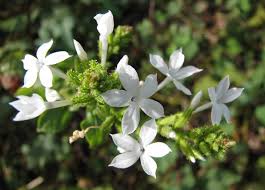
Plumbago zeylanica, Plumbaginaceae
Introduction
Chitraka, scientifically known as Plumbago zeylanica, is a powerful Ayurvedic herb प्रसिद्ध for its strong digestive and metabolic-stimulating properties. It has been used for centuries in Ayurveda to treat digestive disorders, त्वचा रोग (skin diseases), and metabolic imbalances.
Chitraka is one of the most powerful digestive herbs in Ayurveda, traditionally valued for supporting digestion, metabolism, detoxification, appetite stimulation, and Kapha-Vata balance. Scientifically known as Plumbago zeylanica, Chitraka has been widely used in classical Ayurvedic medicine for improving digestive fire (Agni), reducing toxin accumulation (Ama), and supporting healthy metabolic activity.
Ayurveda highly appreciates Chitraka for its strong heating and cleansing properties. The root of the plant is primarily used medicinally and is considered especially beneficial in conditions involving weak digestion, heaviness, sluggish metabolism, bloating, and Kapha accumulation.
Chitraka is traditionally beneficial for:
- Weak digestion
- Loss of appetite
- Ama (toxins) accumulation
- Sluggish metabolism
- Bloating and gas
- Kapha disorders
- Detoxification support
Its powerful Deepana and Pachana actions help stimulate digestion, improve nutrient assimilation, and support natural cleansing processes throughout the body.
Botanical Description of Chitraka
🔹 Scientific Classification
- Scientific Name: Plumbago zeylanica
- Family: Plumbaginaceae
- Common Names: Chitraka, White Leadwort, Ceylon Leadwort
- Plant Type: Perennial medicinal shrub
General Habit of the Plant
Chitraka is a semi-woody perennial medicinal shrub traditionally valued in Ayurveda for its powerful therapeutic root. The plant is known for its spreading branches, medicinal leaves, and white flowers.
General Characteristics:
- Branched shrub-like growth
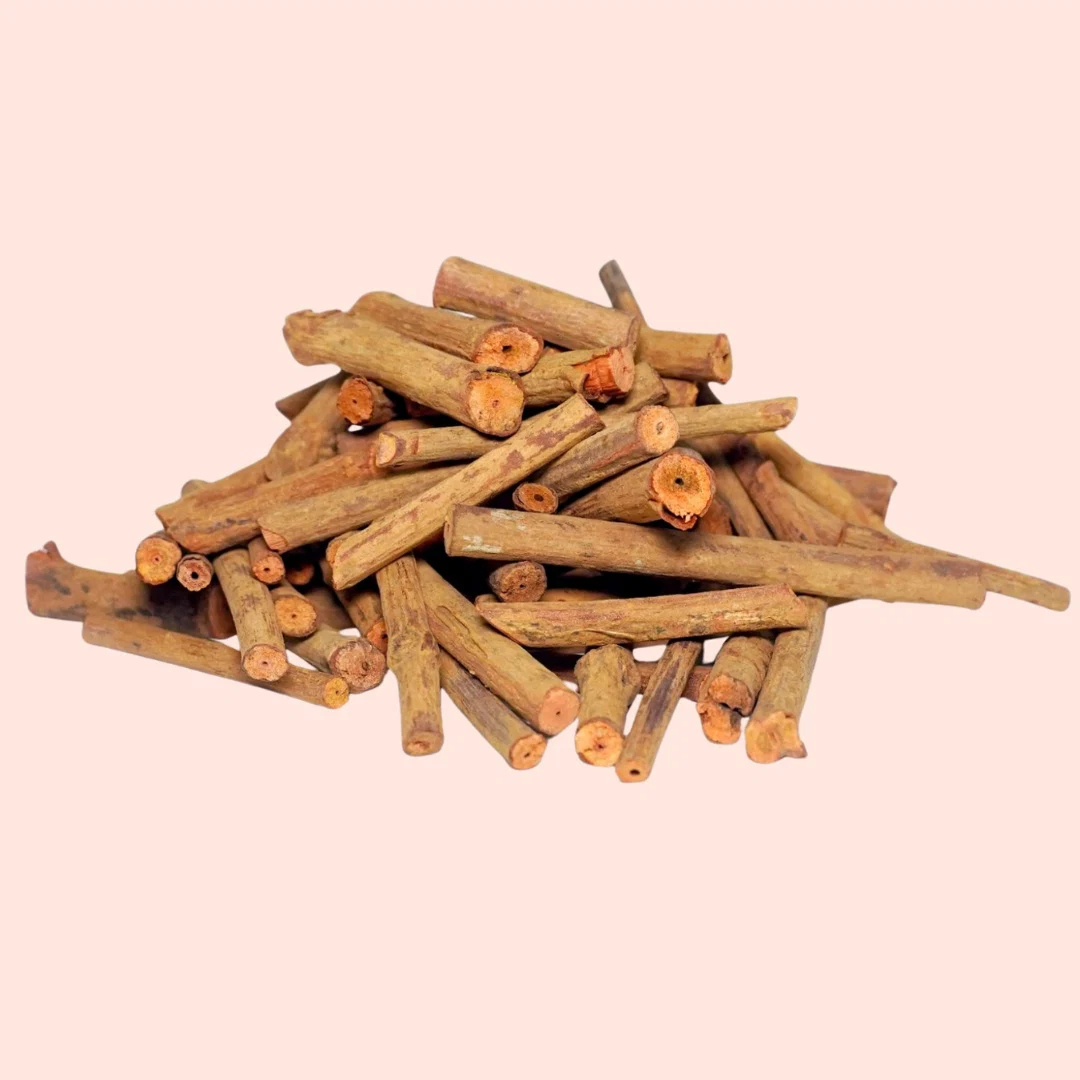
- Strong medicinal roots
- Green foliage
- Seasonal flowering habit
The root is the most important medicinal part used in Ayurvedic formulations.
Root System
- Thick medicinal root system
- Cylindrical roots with brown outer surface
- Strong pungent nature
Root Characteristics:
- Penetrating and spreading roots
- Highly heating medicinal property
- Distinct sharp taste
Ayurvedic medicine primarily uses the root for digestive and detox-supportive preparations.
Stem
- Semi-woody branched stem
- Smooth or slightly rough texture
- Green to brownish coloration with maturity
Stem Features:
- Flexible younger branches
- Spreading growth habit
- Multiple side branches
Mature stems become slightly woody over time.
Leaves of Chitraka
- Simple green leaves
- Oval to elongated shape
- Smooth surface
- Alternate arrangement on stems
Leaf Characteristics:
- Soft texture
- Entire leaf margins
- Bright green appearance
Leaves may have slight medicinal aroma when crushed.
Flowers of Chitraka
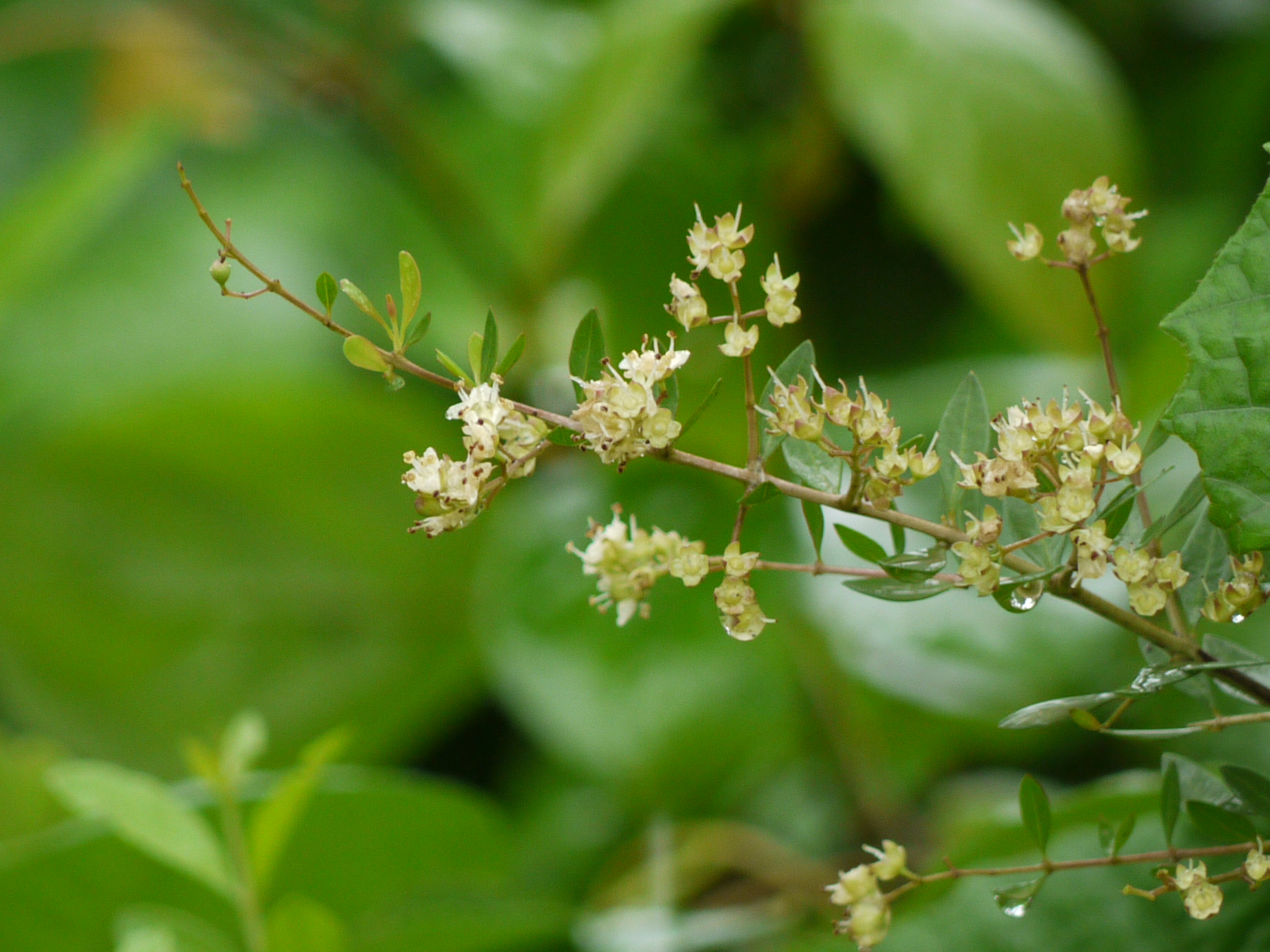
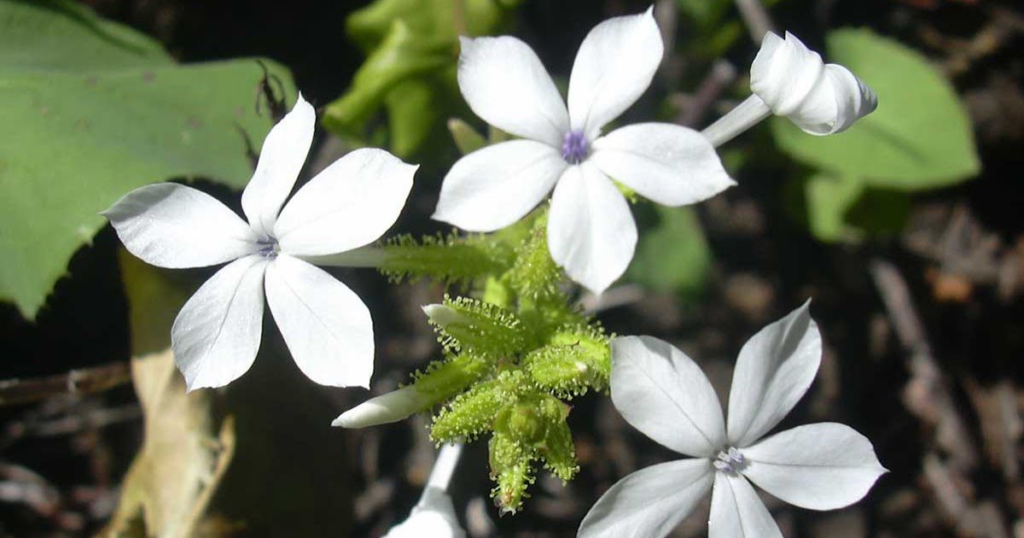
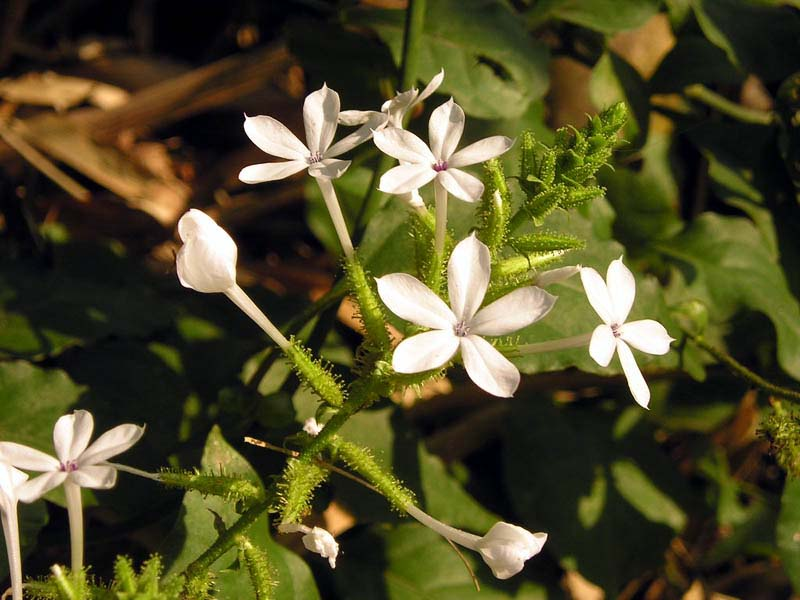
- Small white flowers
- Clustered terminal arrangement
- Tubular flower structure
Flower Characteristics:
- Five-petaled appearance
- Sticky glandular surface on flower stalks
- Delicate and attractive flowers
Flowering Season:
- Mostly during warm and rainy seasons
White flowers are one of the key identifying features of Plumbago zeylanica.
Fruits
- Small capsule-type fruits
- Develop after flowering
- Contain tiny seeds
Fruits are less commonly used medicinally compared to roots.
Seeds
- Small dark-colored seeds
- Used for propagation
- Produced seasonally after flowering
Habitat & Distribution
Chitraka naturally grows in:
- India
- Sri Lanka
- Tropical Asian regions
- Warm forest and rural areas
Commonly found in:
- Open forest margins
- Bushlands
- Herbal gardens
- Dry tropical environments
Preferred Growing Conditions
🔹 Climate
- Warm tropical and subtropical climate
- Moderate rainfall preferred
🔹 Soil
- Well-drained sandy or loamy soil
- Tolerates dry conditions reasonably well
🔹 Sunlight
- Prefers full sunlight
- Can tolerate partial shade
Proper sunlight improves root development and medicinal potency.
Growth & Lifecycle
- Plant Type: Perennial shrub
- Growth Habit: Spreading and branched
- Propagation: Through seeds and root cuttings
- Growth Nature: Moderate to fast growing under warm conditions
The plant survives for multiple years with proper environmental conditions.
Special Botanical Features
- Powerful medicinal root
- White clustered flowers
- Semi-woody spreading shrub
- Strong pungent therapeutic nature
- Important Ayurvedic digestive herb
Identification in Nature
Chitraka can generally be identified by:
- Semi-woody spreading branches
- Oval green leaves
- White clustered flowers
- Strong pungent medicinal root
The sharp and heating root is one of the most distinctive characteristics of the plant.
Important Botanical Note
Plumbago zeylanica is a potent medicinal herb in Ayurveda. Proper identification and careful usage are important because the root possesses strong heating properties and is used in controlled therapeutic quantities.
Summary
Chitraka (Plumbago zeylanica) is a powerful perennial medicinal shrub known for its strong therapeutic root, white flowers, and spreading branches. Traditionally valued in Ayurveda for supporting digestion, metabolism, detoxification, appetite stimulation, and Kapha-Vata balance, Chitraka remains one of the most important digestive herbs in traditional Ayurvedic medicine naturally.
Ayurvedic Properties of Chitraka
Overview in Ayurveda
Plumbago zeylanica, commonly known as Chitraka, is one of Ayurveda’s most powerful herbs for supporting digestion, metabolism, detoxification, appetite stimulation, and Kapha-Vata balance. Ayurveda highly values this herb for its strong heating, penetrating, and toxin-digesting properties.
Chitraka is traditionally used in conditions involving:
- Weak digestive fire (Mandagni)
- Ama (toxins) accumulation
- Sluggish metabolism
- Gas and bloating
- Loss of appetite
- Kapha-related heaviness
Its strong Deepana and Pachana properties help stimulate digestion, improve nutrient assimilation, and maintain proper metabolic activity naturally.
🔹 Rasa (Taste)
Chitraka possesses:
- Katu (Pungent)
Ayurvedic Significance:
The pungent taste helps:
- Stimulate digestive fire
- Reduce Kapha accumulation
- Improve circulation
- Break down toxins and heaviness
Pungent taste is highly valued in Ayurveda for metabolism and detoxification support.
🔹 Guna (Qualities)
- Laghu (Light)
- Tikshna (Sharp/Penetrating)
- Ruksha (Dry)
Ayurvedic Significance:
These qualities help:
- Penetrate deep metabolic channels
- Reduce sluggishness and heaviness
- Improve digestion and circulation
- Dry excess Kapha and moisture
The Tikshna (sharp) quality gives Chitraka its powerful therapeutic action.
🔹 Virya (Potency)
- Ushna Virya (Hot/Warming Potency)
Benefits:
- Stimulates digestive fire (Agni)
- Improves circulation
- Reduces coldness and stagnation
- Supports metabolism and detoxification
Its strong heating nature makes it especially useful in cold and Kapha-dominant conditions.
🔹 Vipaka (Post-Digestive Effect)
- Katu Vipaka (Pungent post-digestive effect)
Benefits:
- Maintains metabolic stimulation
- Supports detoxification
- Reduces Kapha accumulation after digestion
Helps maintain long-term digestive efficiency.
Main Ayurvedic Actions of Chitraka
🔸 Deepana
Traditionally supports:
- Digestive fire (Agni)
- Appetite stimulation
- Healthy metabolism
Widely used in weak digestion and poor appetite.
🔸 Pachana
Helps digest:
- Ama (toxins)
- Undigested food residues
- Metabolic waste accumulation
🔸 Amapachaka
Traditionally valued for:
- Detoxification
- Clearing toxin accumulation from body channels
Important in Ayurvedic cleansing therapies.
🔸 Shulahara
May help:
- Reduce abdominal discomfort
- Relieve bloating and gas
- Support healthy bowel movement
🔸 Kapha-Vatahara
Supports:
- Reduction of excess Kapha
- Warming and balancing Vata
Particularly useful in cold, sluggish, and congestive conditions.
Effect on Agni (Digestive Fire)
Chitraka strongly helps:
- Stimulate weak digestion
- Improve appetite
- Enhance metabolism
- Reduce heaviness after meals
Ayurveda considers it highly effective in Mandagni (low digestive fire).
Role in Detoxification
Traditionally used to:
- Digest Ama (toxins)
- Cleanse metabolic channels
- Support internal purification
Frequently included in Ayurvedic detox and Panchakarma support formulations.
Effect on Kapha & Vata
🔹 For Kapha
Helps:
- Reduce heaviness and mucus
- Improve metabolism
- Break stagnation and sluggishness
🔹 For Vata
Supports:
- Warmth and circulation
- Reduction of cold digestive discomfort
Balanced use helps restore digestive harmony.
Role in Metabolism & Weight Balance
Traditionally beneficial for:
- Slow metabolism
- Kapha-related weight imbalance
- Poor nutrient assimilation
Supports proper metabolic activity naturally.
Effect on Dhatus (Body Tissues)
Traditionally supports:
- Rasa Dhatu (nutritive fluids)
- Meda Dhatu (fat tissue)
Helps maintain proper nourishment and metabolic balance.
Effect on Srotas (Body Channels)
Supports:
- Annavaha Srotas (digestive channels)
- Rasavaha Srotas (nutritive channels)
Helps maintain proper circulation of nutrients and metabolic activity.
Traditional Ayurvedic Uses
Chitraka is traditionally used for:
- Weak digestion
- Loss of appetite
- Gas and bloating
- Ama accumulation
- Sluggish metabolism
- Kapha disorders
Ayurvedic Precautions
Excessive use may:
- Increase body heat
- Cause gastric irritation
- Aggravate Pitta
Avoid or use cautiously in:
- Pregnancy
- Ulcers
- Hyperacidity
- Severe Pitta conditions
Strong herb; professional Ayurvedic guidance is recommended.
Traditional Ayurvedic Preparations
Chitraka is commonly used in:
- Chitrakadi Vati
- Digestive formulations
- Detox-supportive remedies
- Metabolism-supportive herbal preparations
Summary
Plumbago zeylanica is a powerful heating and detox-supportive Ayurvedic herb traditionally valued for improving digestion, appetite, metabolism, detoxification, and Kapha-Vata balance. Its pungent, sharp, and warming properties make it especially beneficial in weak digestion, Ama accumulation, sluggish metabolism, gas, bloating, and cold digestive disorders.
When used properly in Ayurvedic care, Chitraka may help maintain healthy digestion, improved metabolism, proper detoxification, balanced circulation, enhanced appetite, and overall wellness naturally.
Medicinal Uses
- Piles: Chitraka root powder is
taken in dose of 2 gms with
butter milk thrice a day.
- Lymphadenitis: A paste of
Chitraka roots and gingelly oil is
used as an external application for
pile mass, cervical lymphadinitis,
and inguinal lymphadinitis. - Scabies: Chitraka mula tailam is
helpful external remedy in skin
infections like scabies, carbuncles,
and ulcers. - Indigestion: 2gms of Chitramoola
with 2 gms of dry ginger should
be taken twice daily with butter
milk in case of indigestion. - Obesity: Administration of
3gms of Chitraka root powder
with honey and keeping on
wholesome diet for 3 months is
useful in reducing Obesity. - Diarrhoea: Intake of 2 gms of
Chitraka powder and 2gms of
pippali powder with Buttermilk
beneficial in Diarrhoea.
Vernacular names
Assamese : Agiyachit, Agnachit
Bengali : Chita
English : Lead war
Gujrati : Chitrakmula
Hindi : Chira, Chitra
Kannada : Chitramula, Vahni,
Bilichitramoola
Kashmiri : Chitra, Shatranja
Malayalam : Vellakeduveli, Thumpokkoduveli
Marathi : Chitraka
Oriya : Chitamula, Chitoparu
Punjabi : Chitra
Tamil : Chitramoolam, Kodiveli
Telugu : Chitramulam
Urdu : Sheetraj Hindi, Cheetah
Conclusion
Chitraka is a powerful Ayurvedic herb known for its digestive and metabolic benefits. While highly effective, it should be used carefully due to its strong heating nature. When used properly, it can significantly improve digestion and overall health.
Plumbago zeylanica, traditionally known as Chitraka, is one of the most powerful and respected digestive herbs in Ayurveda, valued for supporting digestion, metabolism, detoxification, appetite stimulation, and Kapha-Vata balance. Its strong heating, sharp, and penetrating properties make it especially beneficial in conditions involving weak digestive fire (Mandagni), toxin accumulation (Ama), sluggish metabolism, gas, bloating, heaviness, and cold digestive disorders.
For centuries, Ayurveda has used Chitraka as a potent Deepana and Pachana herb to stimulate digestive fire, improve nutrient assimilation, and help the body eliminate accumulated toxins naturally. Proper digestion is considered the foundation of health in Ayurveda, and Chitraka plays an important role in restoring metabolic efficiency and maintaining internal balance.
One of the most important traditional uses of Chitraka is in supporting healthy digestion and appetite. Ayurveda commonly recommends the herb in conditions such as:
- Poor appetite
- Sluggish digestion
- Heaviness after meals
- Gas and bloating
- Kapha-related digestive imbalance
- Ama accumulation
Its warming and metabolism-activating properties help reduce stagnation and improve digestive strength naturally.
Chitraka is also highly valued for its detoxification-supportive action. Ayurveda believes that undigested toxins (Ama) can obstruct body channels and disturb normal physiological functions. Chitraka helps digest these toxins, clear metabolic pathways, and support healthy circulation and internal cleansing. Because of this, it is frequently included in Ayurvedic detoxification therapies and Panchakarma-supportive formulations.
Another important Ayurvedic benefit of Chitraka is its influence on Kapha and Vata balance. Its hot, dry, and sharp nature helps reduce excess Kapha-related heaviness, mucus, sluggishness, and metabolic dullness, while also supporting warmth and circulation in Vata-related cold digestive conditions. However, due to its strong heating potency, Ayurveda recommends careful and balanced use, especially in individuals with excess Pitta, acidity, ulcers, or inflammatory conditions.
Traditional Ayurvedic preparations may use Chitraka in:
- Chitrakadi Vati
- Digestive herbal powders
- Metabolism-supportive formulations
- Detox-supportive remedies
Modern herbal research also supports many traditional uses of Plumbago zeylanica by highlighting potential digestive-supportive, anti-inflammatory, antimicrobial, and metabolism-enhancing properties. These findings contribute to its continued importance in traditional wellness systems and natural healthcare practices.
Because Chitraka is a potent herb, proper dosage and Ayurvedic supervision are important. Excessive use may increase body heat and aggravate Pitta. When used correctly and in balanced amounts, Chitraka may help maintain healthy digestion, improved metabolism, effective detoxification, balanced circulation, enhanced appetite, healthy weight management, and overall long-term wellness naturally.
