

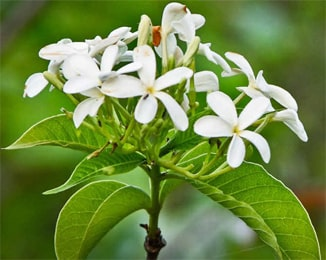

Leucas cephalotes, Lamiaceae
Introduction
Dronapushpi, also known as Leucas aspera, is a well-known medicinal herb in Ayurveda. It has been used for centuries to treat respiratory problems, fever, inflammation, and skin disorders. This plant is commonly found across India and is valued for its natural healing properties.
In traditional medicine, Dronapushpi is considered a powerful herb for balancing Kapha and Vata doshas and improving overall health.
Dronapushpi is a traditionally important Ayurvedic herb valued for supporting respiratory wellness, fever management, digestion, detoxification, and overall body balance. Scientifically identified as Leucas cephalotes, the herb has been widely used in classical Ayurvedic medicine for conditions involving cough, cold, fever, inflammation, and toxin accumulation (Ama).
Ayurveda appreciates Dronapushpi for its warming, cleansing, and Kapha-reducing properties. It is traditionally used to support healthy breathing, improve digestion, reduce fever-related discomfort, and promote natural detoxification. The leaves, flowers, and aerial parts of the plant are commonly utilized in Ayurvedic preparations.
Dronapushpi is traditionally beneficial for:
- Cough and cold
- Fever support
- Respiratory wellness
- Digestion and metabolism
- Detoxification
- Kapha imbalance
- Skin wellness
Its aromatic and cleansing qualities help clear accumulated Kapha, support respiratory comfort, and maintain healthy circulation naturally.
Botanical Description of Dronapushpi
🔹 Scientific Classification
- Scientific Name: Leucas cephalotes
- Family: Lamiaceae
- Common Names: Dronapushpi, Common Leucas
- Plant Type: Annual aromatic medicinal herb
General Habit of the Plant
Dronapushpi is an erect aromatic herb widely found in tropical and subtropical regions. It is traditionally valued in Ayurveda for its medicinal leaves, flowers, and aerial parts.
General Characteristics:
- Upright branched herb
- Aromatic medicinal smell
- Soft hairy stems and leaves
- Seasonal flowering habit
The plant commonly grows in open fields, grasslands, and rural environments.
Root System
- Fibrous root system
- Moderately developed roots
- Helps the plant survive seasonal dry conditions
Roots support quick seasonal growth during rainy periods.
Stem
- Erect and branched stem
- Green to light purple coloration
- Quadrangular (four-angled) structure typical of the mint family
Stem Characteristics:
- Covered with fine hairs
- Soft but strong texture
- Aromatic when crushed
The stem contains medicinal volatile compounds traditionally valued in Ayurveda.
Leaves of Dronapushpi
- Narrow elongated leaves
- Opposite leaf arrangement
- Slightly rough and hairy surface
Leaf Characteristics:
- Green color
- Strong herbal aroma
- Serrated or slightly toothed margins
Leaves are widely used in traditional Ayurvedic remedies for respiratory support.
Flowers of Dronapushpi
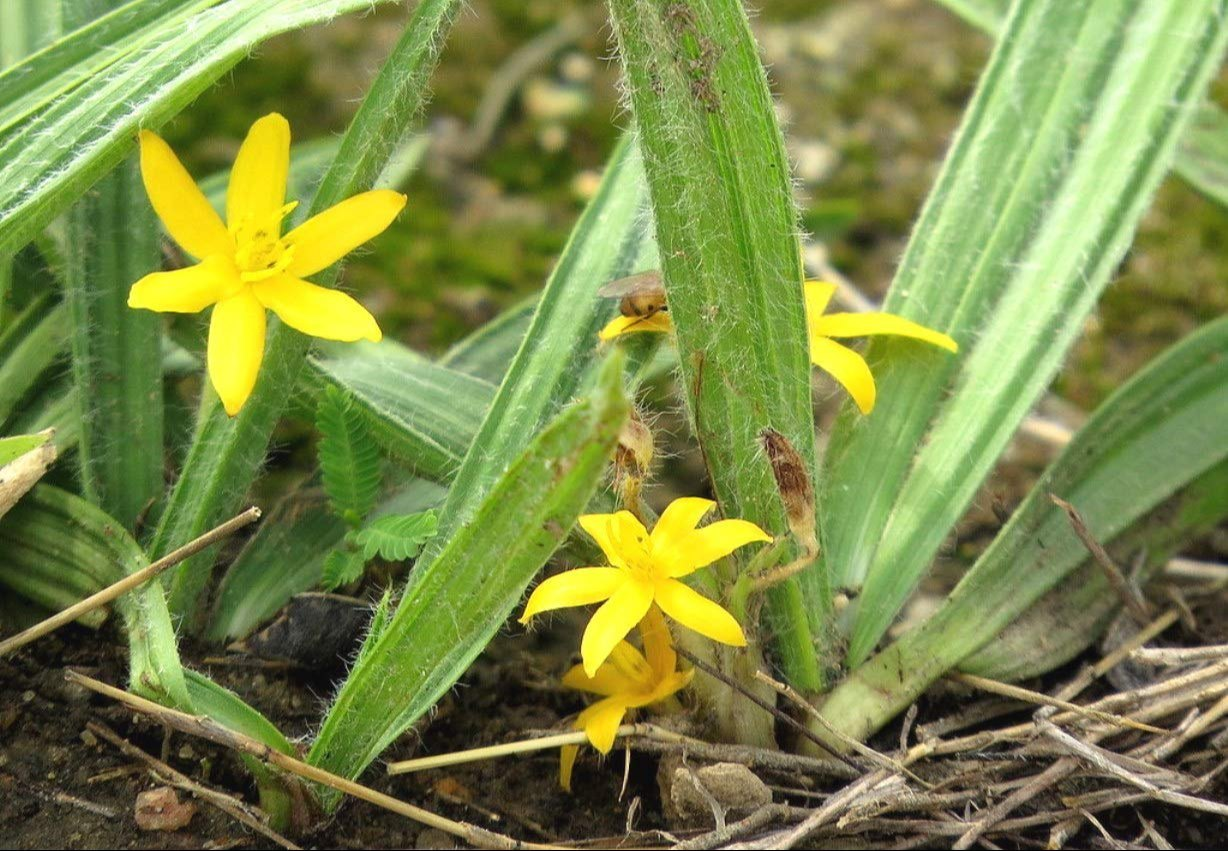
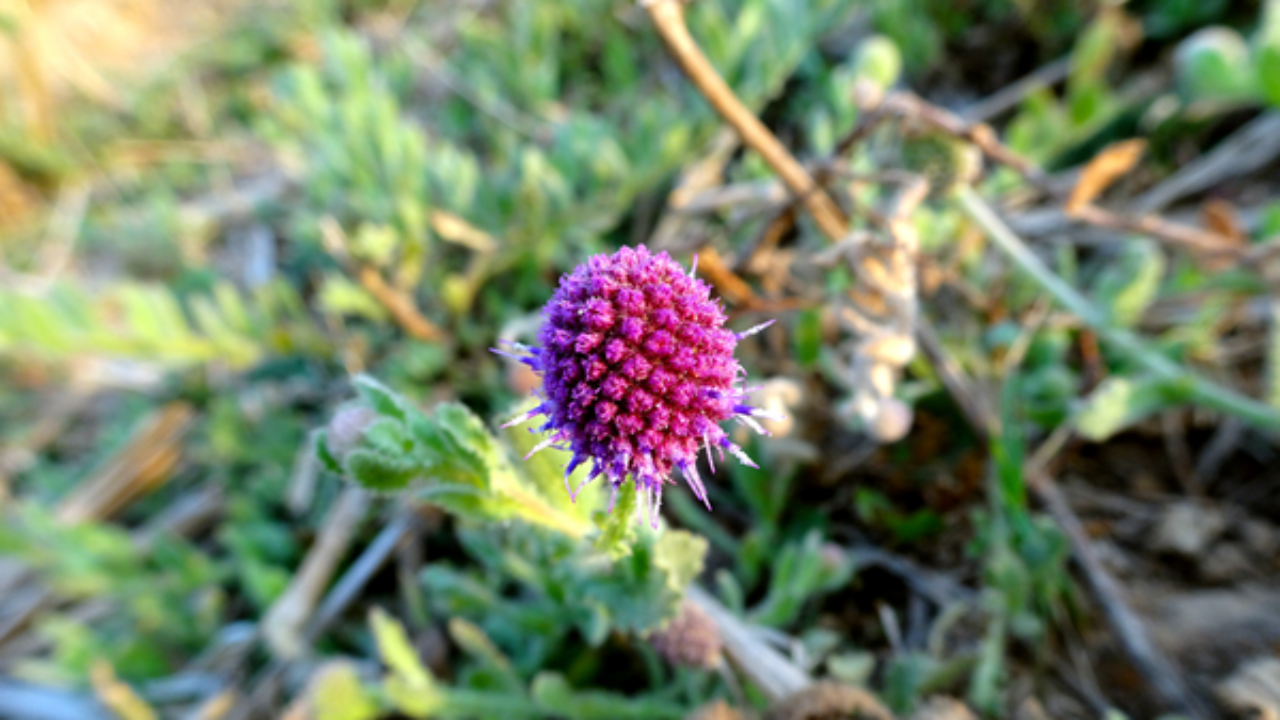
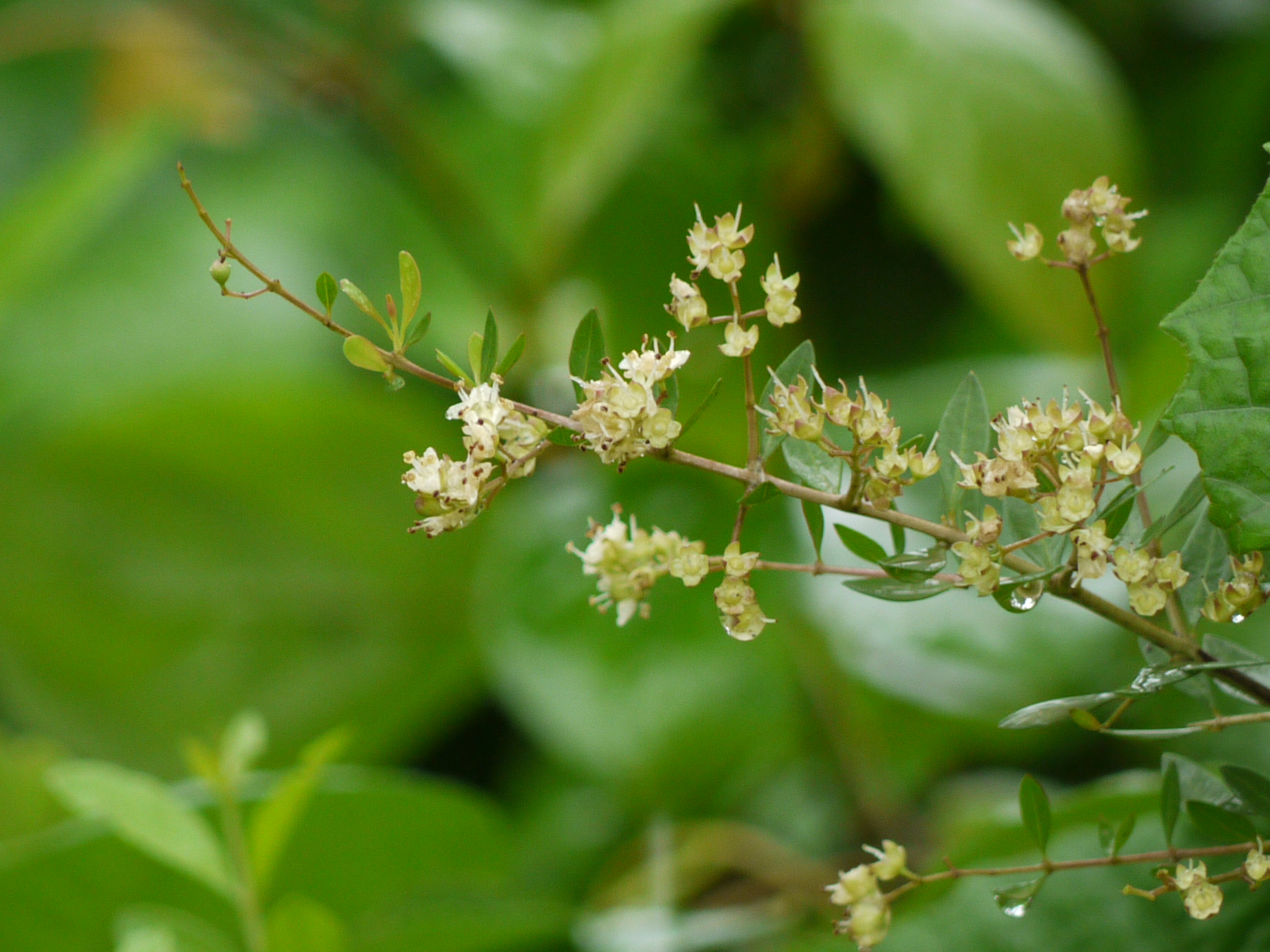
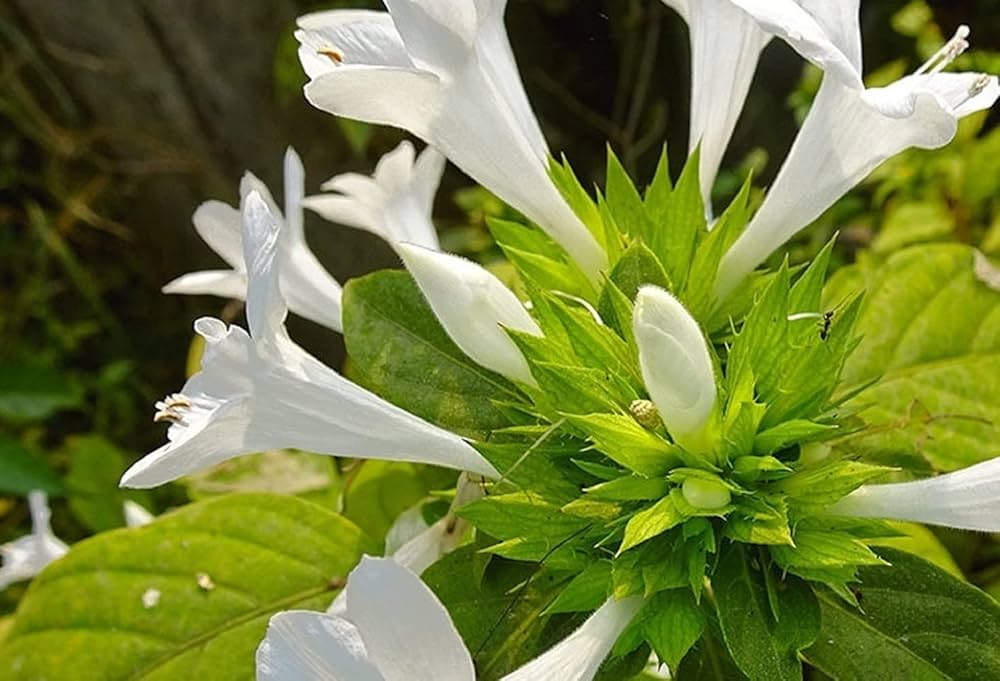
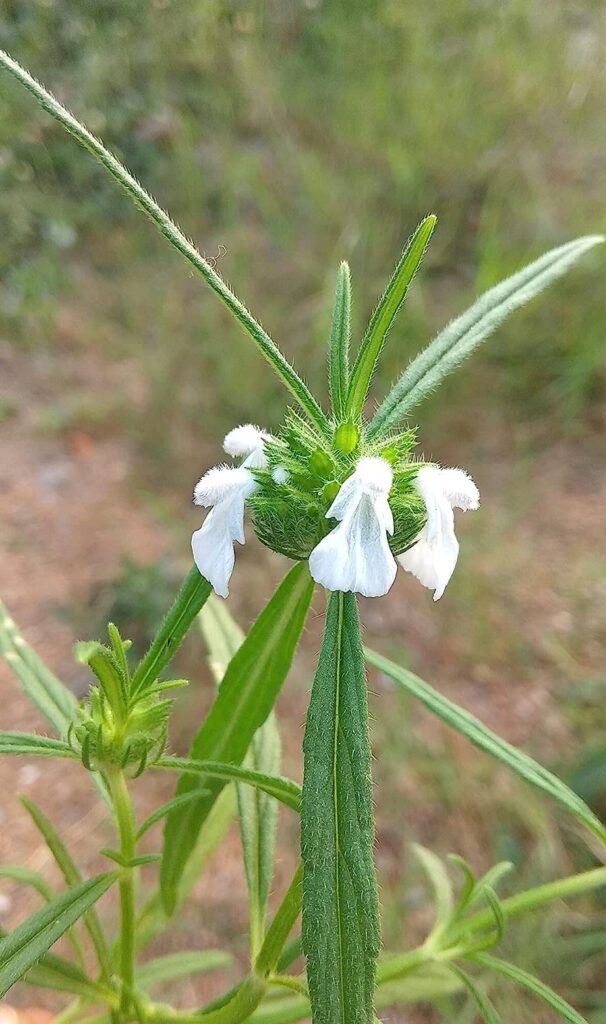
- Small white tubular flowers
- Arranged in circular clusters around the stem nodes
Flower Characteristics:
- Dense whorled flower arrangement
- Hairy outer floral covering
- Aromatic nature
Flowering Season:
- Mainly during rainy and early winter seasons
The circular floral arrangement is one of the main identifying features of the plant.
Fruits
- Small dry fruits
- Contain tiny seeds
- Develop after flowering season
Fruits are less commonly used medicinally compared to leaves and flowers.
Seeds
- Very small seeds
- Brownish in color
- Used for natural propagation of the plant
Habitat & Distribution
Dronapushpi naturally grows in:
- India
- Nepal
- Sri Lanka
- Tropical Asian regions
Commonly found in:
- Open grasslands
- Roadsides
- Agricultural field margins
- Rural herbal landscapes
Preferred Growing Conditions
🔹 Climate
- Warm tropical and subtropical climate
- Moderate seasonal rainfall preferred
🔹 Soil
- Well-drained soil
- Sandy or loamy soil suitable
🔹 Sunlight
- Prefers full sunlight
- Tolerates open dry environments well
The plant grows abundantly during rainy seasons.
Growth & Lifecycle
- Plant Type: Annual herb
- Growth Habit: Upright and branched
- Propagation: Mainly through seeds
- Growth Season: Rainy and post-rainy seasons
The herb completes its lifecycle within one growing season.
Special Botanical Features
- Aromatic medicinal herb
- White clustered flowers
- Four-angled hairy stems
- Strong respiratory-supportive traditional value
- Seasonal fast-growing nature
Identification in Nature
Dronapushpi can generally be identified by:
- Upright aromatic growth
- Hairy quadrangular stems
- White circular flower clusters
- Opposite narrow leaves
Its characteristic whorled flowers make field identification easier.
Important Botanical Note
Leucas cephalotes is widely used in traditional Ayurveda for respiratory and fever-supportive formulations. Proper identification is important because related species may appear similar in natural environments.
Summary
Dronapushpi (Leucas cephalotes) is an aromatic medicinal herb recognized for its branched hairy stems, narrow leaves, and white clustered flowers. Traditionally valued in Ayurveda for supporting respiratory wellness, digestion, detoxification, fever management, and Kapha balance, Dronapushpi remains an important herb in traditional herbal healthcare naturally.
Health Benefits of Dronapushpi
1. Helps in Cold, Cough, and Asthma
Dronapushpi works as a natural expectorant. It helps remove excess mucus from the lungs and improves breathing in asthma, bronchitis, and chronic cough.
2. Supports Fever Management
The herb is useful in viral, seasonal, and mild bacterial fevers. It helps detoxify the body and reduces weakness.
3. Promotes Wound Healing
Applying Dronapushpi leaf paste on wounds helps reduce inflammation and speeds up healing.
4. Relieves Headache and Migraine
The juice or paste of its leaves applied on the forehead may help reduce headache and migraine pain.
5. Useful in Insect and Snake Bites
Traditionally, Dronapushpi is used in insect, scorpion, and snake bites to reduce burning sensation and swelling.
6. Improves Digestion
It supports digestion by reducing gas, bloating, and indigestion.
7. Enhances Immunity
Regular use in proper dosage helps strengthen the immune system and protects against infections.
Uses of Dronapushpi in Ayurveda
1. Fresh Juice (Swarasa)
- Extracted from fresh leaves
- Used for cough, fever, and digestion
2. Powder (Churna)
- Made from dried leaves
- Used for internal cleansing and immunity
3. Paste (Lepa)
- For external application
- Helpful in wounds, swelling, and skin problems
4. Decoction (Kadha)
- Prepared by boiling leaves in water
- Used in respiratory disorders
Ayurvedic Properties of Dronapushpi
Overview in Ayurveda
Leucas cephalotes, commonly known as Dronapushpi, is a traditionally important Ayurvedic herb valued for supporting respiratory wellness, fever management, digestion, detoxification, and Kapha balance. Ayurveda highly appreciates the herb for its warming, cleansing, and metabolism-supportive nature, especially in disorders associated with coldness, mucus accumulation, weak digestion, and toxin buildup (Ama).
Dronapushpi is traditionally used in conditions involving:
- Cough and cold
- Fever and seasonal discomfort
- Respiratory congestion
- Sluggish digestion
- Kapha imbalance
- Toxin accumulation
Its aromatic and heating properties help clear excess Kapha, stimulate digestive fire, and support healthy circulation naturally.
🔹 Rasa (Taste)
Dronapushpi possesses:
- Tikta (Bitter)
- Katu (Pungent)
Ayurvedic Significance:
These tastes help:
- Reduce Kapha accumulation
- Stimulate digestion
- Clear toxins (Ama)
- Support respiratory cleansing
Bitter and pungent tastes are highly valued in Ayurveda for detoxification and mucus reduction.
🔹 Guna (Qualities)
- Laghu (Light)
- Ruksha (Dry)
Ayurvedic Significance:
These qualities help:
- Reduce heaviness and mucus
- Improve metabolism
- Dry excess Kapha and moisture
Particularly beneficial in cold and congestive conditions.
🔹 Virya (Potency)
- Ushna Virya (Hot/Warming Potency)
Benefits:
- Improves circulation
- Stimulates digestive fire (Agni)
- Reduces coldness and congestion
- Supports respiratory comfort
Warming nature makes Dronapushpi especially useful in Kapha and Vata disorders.
🔹 Vipaka (Post-Digestive Effect)
- Katu Vipaka (Pungent post-digestive effect)
Benefits:
- Supports detoxification
- Reduces Kapha accumulation
- Helps maintain metabolic balance
Promotes cleansing and healthy digestion after metabolism.
🔹 Dosha Effect
Helps Balance:
- Kapha
- Vata
Excessive use may aggravate Pitta because of its warming potency.
Particularly beneficial in:
- Cough and cold
- Excess mucus
- Weak digestion
- Ama accumulation
- Fever-related heaviness
Traditionally valued for Kapha-related respiratory disorders.
Main Ayurvedic Actions of Dronapushpi
🔸 Jvaraghna
Traditionally supports:
- Fever management
- Reduction of fever-related discomfort
- Restoration of metabolic balance during illness
Commonly used in seasonal fever-supportive formulations.
🔸 Kasahara
Helps:
- Reduce cough
- Clear mucus accumulation
- Support healthy breathing
🔸 Deepana
Traditionally supports:
- Digestive fire (Agni)
- Appetite stimulation
- Healthy metabolism
🔸 Pachana
Helps digest:
- Ama (toxins)
- Metabolic waste accumulation
Important in fever and sluggish digestion conditions.
🔸 Krimighna
Traditionally believed to help:
- Reduce harmful microbes
- Support internal cleansing
Effect on Agni (Digestive Fire)
Dronapushpi helps:
- Improve sluggish digestion
- Stimulate appetite
- Reduce heaviness and bloating
- Support metabolism during fever and cold conditions
Useful when digestive weakness accompanies respiratory disorders.
Role in Respiratory Wellness
Dronapushpi is especially valued for:
- Clearing respiratory congestion
- Supporting healthy breathing
- Reducing cough and mucus accumulation
Traditionally used in Kapha-related respiratory imbalance.
Role in Detoxification
Traditionally used to:
- Eliminate Ama (toxins)
- Support sweating and cleansing
- Improve circulation and metabolism
Often included in fever-supportive detox therapies.
Effect on Kapha & Vata
🔹 For Kapha
Helps:
- Reduce mucus and congestion
- Improve lightness and circulation
- Support respiratory cleansing
🔹 For Vata
Supports:
- Warming and circulation
- Reduction of coldness and stiffness
Balanced use helps maintain respiratory and digestive harmony.
Effect on Dhatus (Body Tissues)
Traditionally supports:
- Rasa Dhatu (nutritive fluids)
- Pranavaha System (respiratory function)
Helps maintain healthy circulation and respiratory balance.
Effect on Srotas (Body Channels)
Supports:
- Pranavaha Srotas (respiratory channels)
- Annavaha Srotas (digestive channels)
Helps clear congestion and improve metabolism.
Traditional Ayurvedic Uses
Dronapushpi is traditionally used for:
- Cough and cold
- Fever support
- Respiratory congestion
- Weak digestion
- Ama accumulation
- Seasonal Kapha imbalance
Ayurvedic Precautions
Excessive use may:
- Increase body heat
- Cause dryness
- Aggravate Pitta in sensitive individuals
Use cautiously in:
- Severe acidity
- Excess Pitta conditions
- Very dry body constitution
Proper Ayurvedic guidance is recommended for long-term use.
Traditional Ayurvedic Preparations
Dronapushpi may be used in:
- Herbal decoctions
- Fever-supportive remedies
- Respiratory formulations
- Detox-supportive preparations
Summary
Leucas cephalotes is a warming and cleansing Ayurvedic herb traditionally valued for supporting respiratory wellness, fever management, digestion, detoxification, and Kapha balance. Its bitter, pungent, and metabolism-supportive properties make it especially beneficial in cough, cold, mucus accumulation, weak digestion, and toxin-related imbalance.
When used properly in Ayurvedic care, Dronapushpi may help maintain healthy breathing, improved digestion, natural detoxification, balanced metabolism, respiratory comfort, and overall wellness naturally.
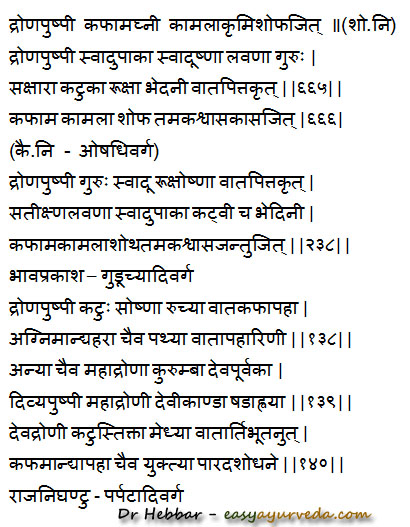
Sanskrit verse
Vernacular names
Assamese : Dronaphool
Bengali : Bholghasiya
English : Spider wort
Gujrati : Kubo
Hindi : Guma
Kannada : Tumbe
Malayalam : Tumba
Marathi : Tumba
Oriya : Gaisha
Punjabi : Gomobati, Gumma, Mal-bheda
Tamil : Tumbai
Telugu : Tummi
Conclusion
Leucas cephalotes, traditionally known as Dronapushpi, is a highly valued Ayurvedic herb recognized for its beneficial role in supporting respiratory wellness, fever management, digestion, detoxification, and overall body balance. Its warming, cleansing, and Kapha-reducing properties make it especially useful in conditions involving cough, cold, mucus accumulation, sluggish digestion, toxin buildup (Ama), and seasonal imbalances.
For centuries, Ayurveda has utilized Dronapushpi in herbal decoctions and traditional remedies to help maintain healthy breathing, improve digestive fire (Agni), and support natural detoxification processes. Its aromatic and heating nature helps clear respiratory congestion, reduce heaviness, and promote easier circulation of Prana (vital energy) throughout the respiratory system.
One of the most important traditional uses of Dronapushpi is in respiratory support. Ayurveda commonly uses the herb for:
- Cough and cold
- Excess mucus accumulation
- Seasonal respiratory discomfort
- Kapha-related congestion
- Mild breathing difficulty
Its Kasahara and Kapha-balancing properties help cleanse the respiratory channels and support comfortable breathing naturally.
Dronapushpi is also traditionally valued for supporting fever management and detoxification. Its Jvaraghna and Pachana actions help improve metabolism during fever, reduce toxin accumulation, and support the body’s natural cleansing mechanisms. Ayurveda often considers proper digestion and toxin elimination essential for recovery and maintaining long-term health.
Another important Ayurvedic benefit of Dronapushpi is its positive influence on digestion and metabolism. The herb helps stimulate digestive fire, reduce heaviness, improve appetite, and assist in digesting Ama (toxins). This makes it traditionally beneficial in conditions involving sluggish digestion, bloating, poor appetite, and metabolic imbalance associated with Kapha accumulation.
Its warming and circulation-supportive nature may also help reduce coldness, stiffness, and stagnation in the body while promoting healthy internal balance. At the same time, Ayurveda recommends balanced use because excessive intake may increase heat and aggravate Pitta in sensitive individuals.
Traditional Ayurvedic preparations may use Dronapushpi as:
- Herbal decoctions
- Respiratory-supportive remedies
- Fever-supportive formulations
- Detox-supportive herbal combinations
Modern herbal understanding also supports many traditional uses of Leucas cephalotes by highlighting potential antimicrobial, antioxidant, anti-inflammatory, and respiratory-supportive properties. These qualities contribute to its continuing importance in traditional wellness and natural healthcare practices.
Overall, Dronapushpi remains an important Ayurvedic herb for maintaining healthy respiration, improved digestion, natural detoxification, balanced metabolism, respiratory comfort, strengthened immunity, and overall long-term wellness naturally.
