

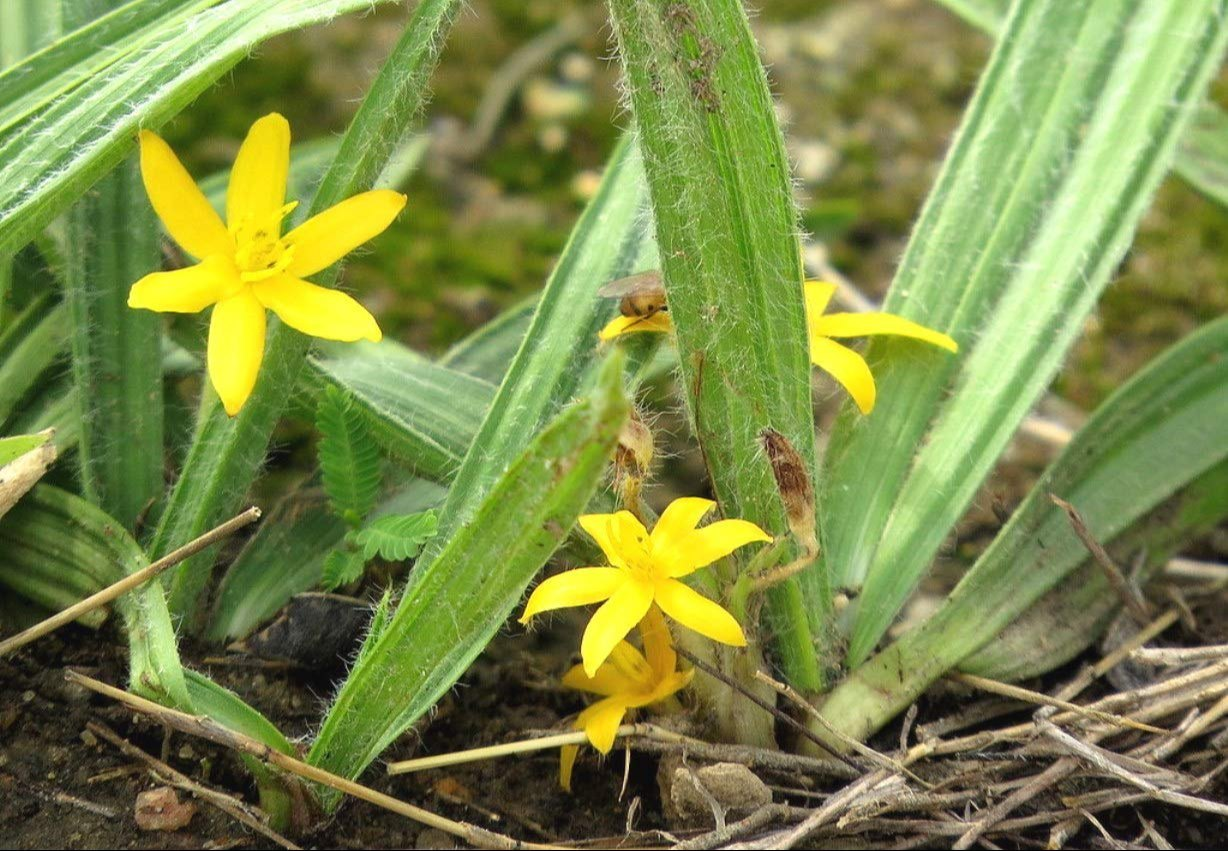
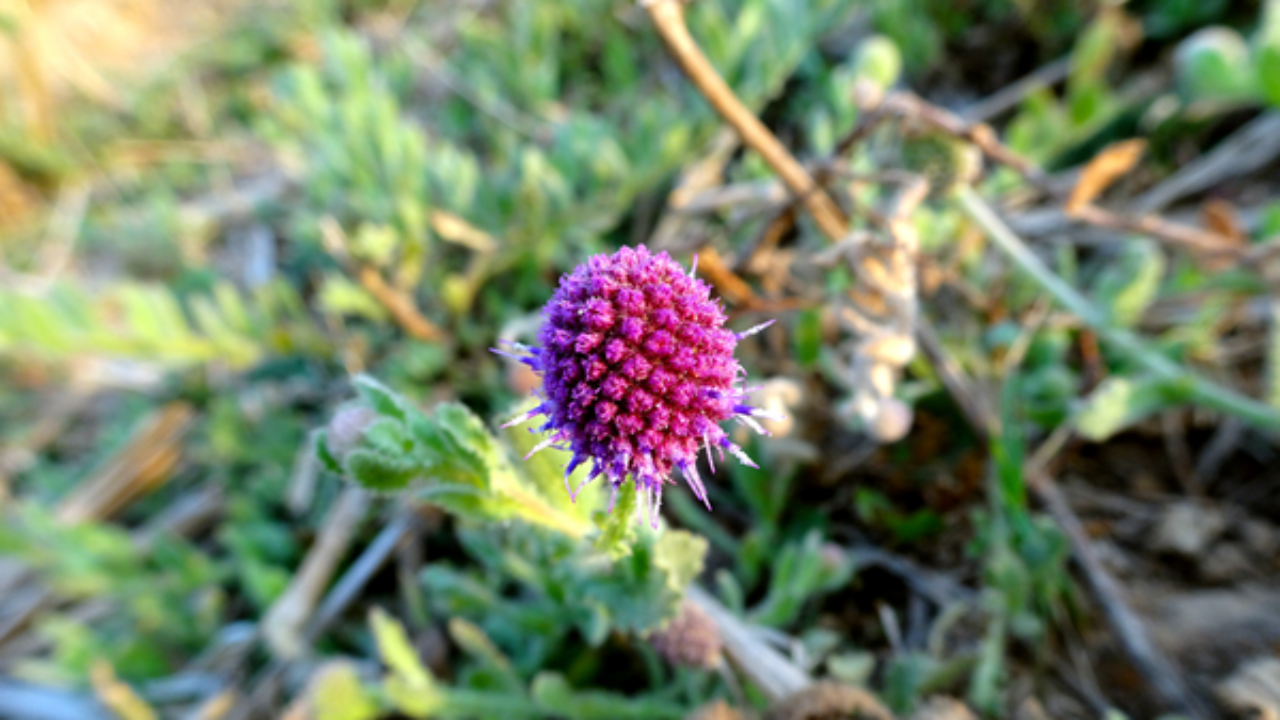
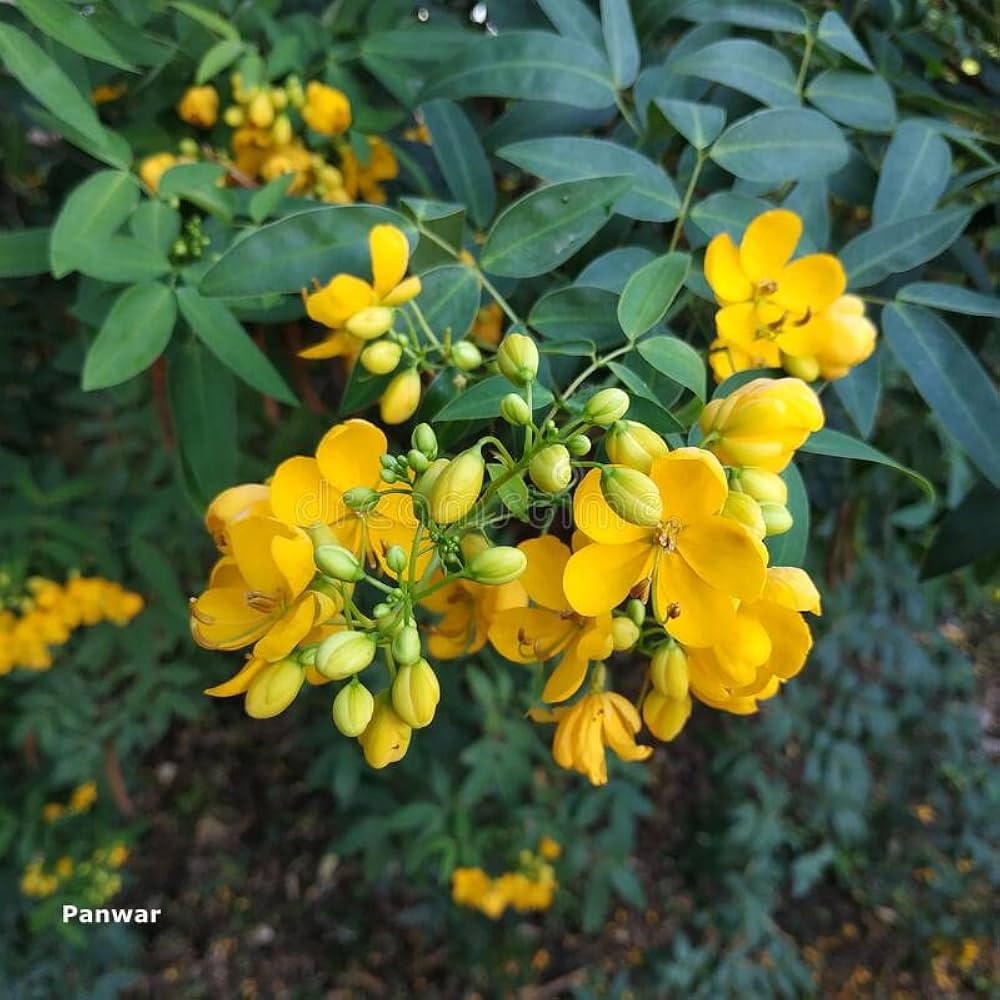
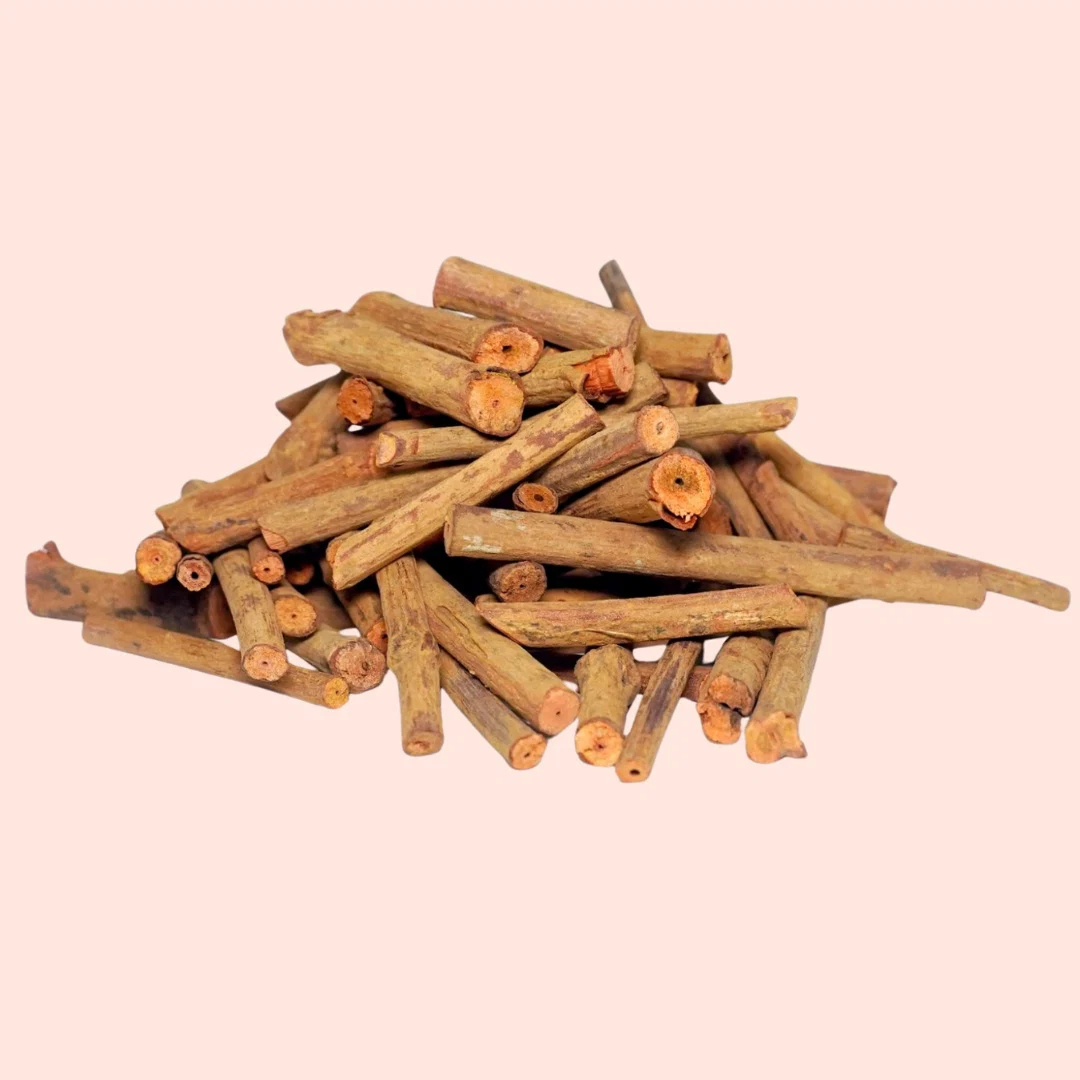
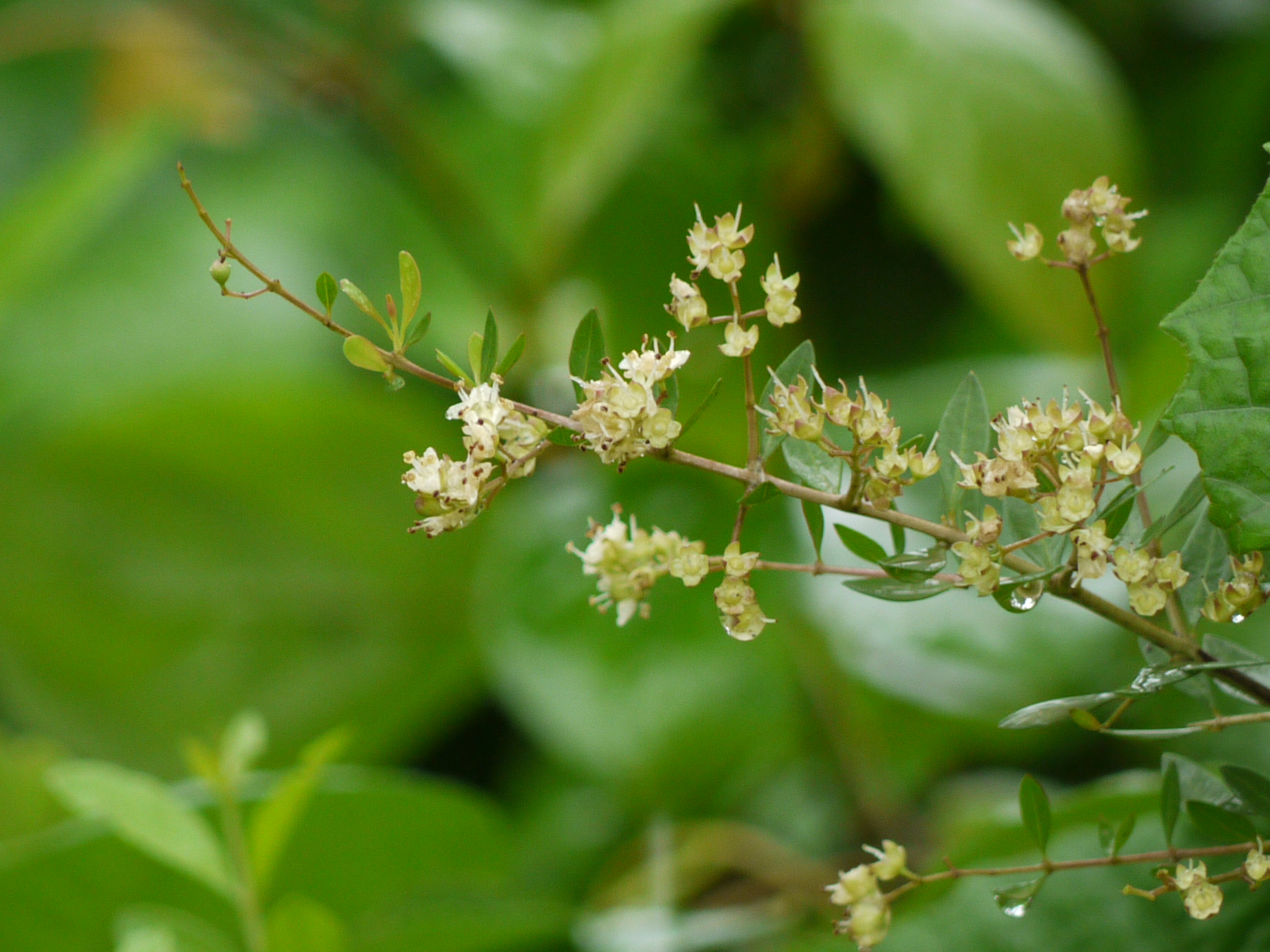
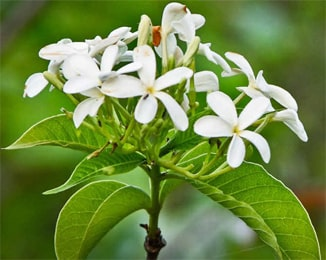

Euphorbia hirta , Euphorbiaceae
Introduction
Dugdhika is an important medicinal herb in Ayurveda, widely used for respiratory disorders, digestive problems, skin diseases, and immunity. Its botanical name is Euphorbia hirta. It is commonly known as Asthma Weed due to its strong benefits in breathing disorders.
Dugdhika contains milky latex and powerful natural compounds that help in healing various health problems naturally.
Dugdhika is a traditionally valued medicinal herb in Ayurveda known for supporting digestion, detoxification, skin wellness, and overall body balance. Ayurveda appreciates this herb for its cleansing, metabolism-supportive, and dosha-balancing properties, especially in conditions involving digestive discomfort, toxin accumulation (Ama), skin irritation, and excess Kapha-Pitta imbalance.
The herb is traditionally used in Ayurvedic preparations for:
- Digestive wellness
- Detoxification support
- Skin purification
- Blood cleansing
- Metabolic balance
Dugdhika is believed to help improve digestive fire (Agni), support natural elimination, and maintain healthy body channels (Srotas). Its traditional therapeutic use also extends to maintaining internal cleansing and promoting overall wellness naturally.
Modern herbal understanding suggests that medicinal plants associated with Dugdhika may possess antioxidant, digestive-supportive, antimicrobial, and anti-inflammatory properties that support many of its traditional Ayurvedic applications.
What is Dugdhika Badi?
Dugdhika Badi is an Ayurvedic herbal preparation made from Dugdhika (Euphorbia hirta), a medicinal plant known for its healing properties. It is often used in the form of small tablets or pills and is known for its ability to improve digestion, detoxify the body, and strengthen immunity.
Key Benefits of Dugdhika Badi
Some of the key benefits of Dugdhika Badi are:
1. Improves Digestion: One of the primary benefits of Dugdhika Badi is its ability to enhance digestion. It helps stimulate digestive enzymes, reducing bloating, gas, and indigestion. If you frequently suffer from an upset stomach, this remedy can provide relief naturally.
2. Boosts Immunity: Dugdhika Badi contains antioxidants and immune-boosting compounds that help the body fight infections. Regular use may help reduce the frequency of colds, coughs, and other common illnesses.
3. Supports Liver Health: The liver plays a crucial role in detoxifying the body. Dugdhika Badi helps cleanse the liver, improving its function and preventing toxin buildup. This can lead to better energy levels and clearer skin.
4. Relieves Respiratory Issues: If you struggle with cough, asthma, or bronchitis, Dugdhika Badi can help. It has anti-inflammatory properties that soothe the respiratory tract and ease breathing difficulties.
5. Aids in Skin Health: Due to its detoxifying effects, Dugdhika Badi can help with skin conditions like acne, eczema, and rashes. It purifies the blood, leading to a healthier complexion.
6. Helps Manage Fever: Traditionally, Dugdhika Badi has been used to reduce fever by fighting infections and balancing body temperature.
Health Benefits of Dugdhika
1. Dugdhika for Cough, Cold, and Asthma
Dugdhika is best known for respiratory support. It helps in:
- Clearing chest congestion
- Reducing cough
- Improving breathing
- Supporting asthma management
It works as a natural bronchodilator and expectorant.
2. Improves Digestion
Dugdhika helps treat:
- Diarrhea
- Dysentery
- Gas and bloating
- Indigestion
It supports healthy gut function.
3. Supports Skin Health
Applying Dugdhika paste helps in:
- Healing wounds
- Treating eczema
- Reducing itching
- Preventing infections
4. Controls Infections
This herb has antibacterial and antiviral properties. It helps fight:
- Respiratory infections
- Skin infections
- Gut infections
5. Helps in Fever Management
Dugdhika helps reduce fever and body weakness caused by infections.
6. Boosts Immunity
Regular use in proper dosage strengthens immunity and improves disease resistance.
7. Supports Urinary Health
It helps in treating urinary tract infections and burning sensation during urination.
How to Use Dugdhika Badi?
Ways to use Dugdhika Badi are:
- Dosage: Typically, 1-2 tablets are taken twice a day with warm water or as prescribed by an Ayurvedic doctor.
- Best Time to Take: It is often recommended before meals for better digestion.
- Duration: For best results, use it for 4-6 weeks under professional guidance.
Precautions & Side Effects
While Dugdhika Badi is generally safe, some people may experience mild side effects like:
- Nausea (if taken on an empty stomach)
- Allergic reactions (rare)
Who Should Avoid It?
People who should avoid Dugdhika Badi are:
- Pregnant or breastfeeding women
- Children under 5 years
- People with severe liver or kidney disease (consult a doctor first)
Lifestyle Tips to Enhance Its Benefits
To maximise the effects of Dugdhika Badi, consider these simple lifestyle changes:
- Eat a balanced diet: Include fibre-rich foods like fruits, vegetables, and whole grains.
- Stay hydrated: Drink plenty of water to help detoxify the body.
- Exercise regularly: Light yoga or walking can improve digestion.
- Avoid processed foods: Reduce junk food, alcohol, and excessive caffeine.
When to Consult a Doctor?
If you experience persistent digestive issues, chronic illnesses, or severe allergies, it’s best to consult an Ayurvedic doctor before starting Dugdhika Badi.
Uses of Dugdhika in Ayurveda
1. Fresh Juice (Swarasa)
Used for cough, asthma, and digestion.
2. Powder (Churna)
Helpful in diarrhea, immunity, and detoxification.
3. Paste (Lepa)
Used externally for wounds and skin problems.
4. Decoction (Kadha)
Used for respiratory and digestive disorders.
Side Effects of Dugdhika
When used correctly, Dugdhika is generally safe. However, excess use may cause:
- Nausea
- Vomiting
- Stomach irritation
- Mouth dryness
The milky latex may irritate sensitive skin.
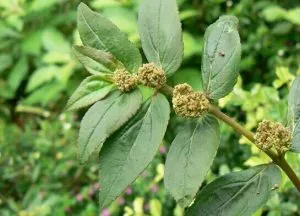
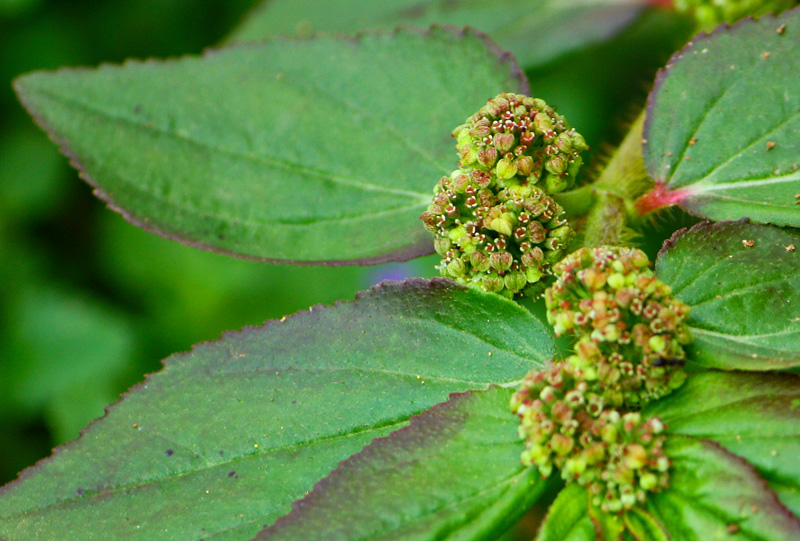
How to Identify Dugdhika Plant
- Small oval green leaves
- Reddish hairy stems
- Milky white latex when broken
- Tiny clustered flowers
- Grows close to the ground
Vernacular names
Bengali : Barakherui
English : Asthma weed
Gujarati : Dudhelo, Dudeli, Dudhi
Hindi : Dudhi, Badi dudhdi
Malayalam : Nelapalai
Marati : Mothi dudhi, Naayato, Dudhi,
Dudali, Mothi naayati
Oriya : Dudili, Dudoli
Punjabi : Dudhi
Tamil : Ammanpatchaiarisi
Telugu : Reddivarinanubalu, Nanubalu
Conclusion
Dugdhika Badi (Euphorbia hirta) is a time-tested herb in Ayurveda, valued for its wide range of therapeutic properties. From supporting respiratory health and easing digestive discomfort to promoting skin healing and boosting immunity, this versatile plant offers holistic benefits for overall well-being. Incorporating Dugdhika Badi into your wellness routine, under proper guidance, can help harness nature’s power for a healthier, more balanced life. As with any herbal remedy, always consult a qualified healthcare practitioner before use to ensure safety and effectiveness.
Dugdhika is a traditionally valued Ayurvedic herb known for its important role in supporting digestive wellness, detoxification, blood purification, skin health, and overall metabolic balance. Ayurveda appreciates the herb for its cleansing, cooling, and digestive-supportive nature, which helps maintain harmony among body systems and promotes natural wellness.
Its bitter and astringent qualities make Dugdhika especially effective in reducing Ama (toxins) and balancing aggravated Kapha and Pitta doshas. According to Ayurvedic principles, toxin accumulation and weak digestion are major causes of many chronic imbalances. Dugdhika is traditionally used to help improve digestive fire (Agni), promote healthy metabolism, and support the body’s natural cleansing mechanisms.
One of the most important traditional benefits of Dugdhika is its positive influence on digestion and detoxification. Its Deepana and Pachana actions help:
- Stimulate healthy appetite
- Improve sluggish digestion
- Reduce heaviness after meals
- Support proper assimilation of nutrients
- Eliminate accumulated toxins naturally
By improving digestive efficiency and reducing Ama, Dugdhika contributes to better metabolic balance and overall vitality. Ayurveda considers strong digestion essential for maintaining healthy tissues, immunity, and long-term wellness.
Dugdhika is also traditionally valued for supporting healthy skin and blood purification. In Ayurveda, skin disorders are often associated with toxin accumulation, excess heat, and blood impurities. Because of its cleansing and cooling properties, Dugdhika is commonly used in herbal formulations intended for:
- Skin irritation
- Itching and discomfort
- Minor inflammatory skin conditions
- Internal cleansing support
- Maintaining healthy skin appearance naturally
Its Raktashodhaka (blood-purifying) action is believed to help maintain clarity and balance in body tissues while supporting healthy circulation and detoxification pathways.
Another important Ayurvedic aspect of Dugdhika is its cooling potency (Shita Virya), which helps calm excess heat and inflammatory imbalance in the body. This cooling effect makes it especially beneficial in Pitta-related conditions involving burning sensation, irritation, and heat-associated digestive or skin discomfort. At the same time, its light and dry qualities help reduce excessive Kapha accumulation such as sluggishness, heaviness, and excessive moisture.
Traditional Ayurvedic preparations may use Dugdhika as:
- Herbal decoctions
- Medicinal powders
- Detox-supportive combinations
- External herbal applications for skin support
Its versatility and balancing nature make it useful in both preventive wellness care and traditional therapeutic practices.
Modern herbal understanding also supports many traditional uses of medicinal plants associated with Dugdhika by highlighting possible antioxidant, antimicrobial, digestive-supportive, and anti-inflammatory properties. These qualities may contribute to its traditional role in supporting healthy digestion, internal cleansing, metabolic balance, and skin wellness naturally.
Although Dugdhika is traditionally considered beneficial, excessive use may increase dryness and aggravate Vata in sensitive individuals. Therefore, balanced use under proper Ayurvedic guidance is recommended, especially for prolonged therapeutic use.
Overall, Dugdhika continues to hold an important place in Ayurveda as a natural herb for maintaining healthy digestion, purified blood, effective detoxification, balanced metabolism, healthy skin, strengthened internal balance, and long-term wellness naturally.
