


Punica granatum, Lythraceae
Introduction
Dadima, commonly known as Pomegranate (Punica granatum), is a highly valued fruit in Ayurveda for its nourishing, digestive, and rejuvenating properties. It is considered one of the best fruits for balancing all three doshas, especially Pitta.
Botanical Description
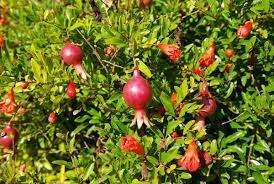
Pomegranate is a small deciduous tree or shrub known for its bright red fruit filled with juicy seeds (arils). Every part of the plant—fruit, rind, seeds, and bark—has medicinal uses.
- Scientific Name: Punica granatum
- Family: Lythraceae
- Common Names: Pomegranate, Dadima, Anar
Ayurvedic Properties
Dadima is highly regarded in Ayurveda for its gentle yet effective action on the body.
- Rasa (Taste): Sweet, Sour, Astringent
- Guna (Qualities): Light, Unctuous
- Virya (Potency): Cooling
- Vipaka (Post-digestive effect): Sweet
- Dosha Effect: Balances Vata, Pitta, and Kapha (especially Pitta)
Health Benefits
1. Improves Digestion
Dadima strengthens the digestive system and helps manage diarrhea, loss of appetite, and acidity.
2. Rich in Antioxidants
Pomegranate is loaded with powerful antioxidants that help protect cells from damage and slow aging.
3. Supports Heart Health
Regular consumption may help lower cholesterol and improve blood circulation, promoting cardiovascular health.
4. Boosts Immunity
Its high vitamin C content helps strengthen the immune system and fight infections.
5. Helps in Anemia
Dadima is beneficial for improving hemoglobin levels and is often recommended in conditions like Anemia.
6. Anti-inflammatory Effects
It reduces inflammation and may help in managing joint pain and chronic conditions.
Traditional Uses in Ayurveda
- Fresh juice for improving digestion and strength
- Powdered rind used for diarrhea and intestinal disorders
- Seeds used in herbal formulations for heart and gut health
- Decoction of bark used for parasitic infections
Modern Scientific Insights
Studies show that pomegranate contains polyphenols, flavonoids, and punicalagins—compounds known for their antioxidant and anti-inflammatory properties. These contribute to its benefits for heart health, immunity, and skin.
How to Use Dadima
1. Fresh Juice
Drink freshly extracted pomegranate juice daily for overall health.
2. Seed Consumption
Eat raw seeds as a snack or add them to salads.
3. Powder (Churna)
Use dried rind powder for digestive issues under guidance.
Precautions
- Excess consumption may cause digestive discomfort
- People with low blood pressure should consume cautiously
- Consult a doctor if taking medications regularly
Conclusion
Dadima (Pomegranate) is a powerful Ayurvedic fruit known for its nourishing and healing properties. From improving digestion to boosting immunity, it is a valuable addition to a balanced diet and healthy lifestyle.
Medicinal Uses
- Intrinsic Hemorrhage: Two
teaspoonful of dadima flowers
mixed with goat’s milk and sugar
twice daily is beneficial.
- Piles: Dry the peel of a sweet
pomegranate and make a fine
powder. Take five grams of this
powder twice a day regularly
with butter milk inorder to get
the relief from piles. - Acne: Water boiled with
pomegranate fruit peels should
be used to wash the face for Acne.
Powdered pomegranate skin
should be combined with rose
water or lemon juice and applied
like a face pack for calming
pimples, boils, acne as well as
for eliminating white heads and
black heads. - Increase sperm count: Drink 1
glass of pomegranate juice daily
to increase the sperm count and
motility . - Diarrhea: 3 grms of fruit peel
powder along with butter milk
with one teaspoonful cumin
seeds powder twice a day is
beneficial in diarrhea especially
Irritable bowel syndrome. - Intestinal worms: Eat 150 gms of
pomegranate seeds on an empty
stomach every morning.
Vernacular names
Bengali : Ddima
English : Pomegranate
Gujrati : Dadama
Hindi : Anar
Kannada : Dalimba
Malayalam : Matalam
Marathi : Dadimba
Punjabi : Anar
Tamil : Madalai, Maadalai. Madalam
Telugu : Danimma
Urdu : Anar, Rumman
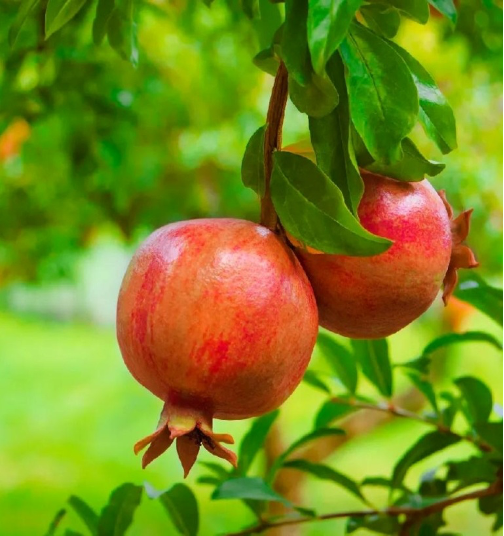
Dadima (Punica granatum) is the Sanskrit name for pomegranate, a highly valued shrub in Ayurveda known for its medicinal fruit and rind. It is a potent tridosha-balancing (balancing Vata, Pitta, and Kapha) herb used for digestive health, anemia, and heart health. It is widely used in Ayurvedic formulations like Dadimadya ghrita.
Key details about Dadima include:
- Botanical Profile: A 5-10 meter high shrub with spiny branches, native to India.
- Ayurvedic Properties: It possesses sweet (Madhura), sour (Amla), and astringent (Kashaya) tastes, with light (Laghu) and unctuous (Snigdha) qualities.
- Therapeutic Uses: Used to treat diarrhea (atisara), fever (jwara), indigestion (agnimandya), and bleeding disorders.
- Nutritional Value: Rich in polyphenols, tannins, and vitamins (C, K, and Iron), supporting immunity and cardiovascular health.
- Components Used: The edible fruit, its rind, and the tree bark are utilized for medicinal purposes.
- Common Names: Anar (Hindi), Pomegranate (English), Dalimbe (Kannada), Madalam (Tamil).
Dadima is often used in formulas for its ability to improve appetite and aid in digestion.
