

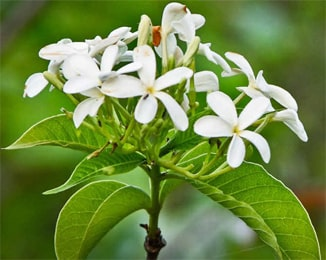

Coccinia indica, Cucurbitaceae
Introduction
Bimbi, scientifically known as Coccinia grandis, is a well-known Ayurvedic plant valued for its medicinal and nutritional benefits. Commonly referred to as ivy gourd, Bimbi is widely used in traditional medicine for managing blood sugar levels, improving digestion, and promoting overall health.
Coccinia grandis, commonly known as Bimbi, is a traditionally important medicinal plant in Ayurveda valued for supporting blood sugar balance, digestion, detoxification, and overall metabolic health naturally. This fast-growing climbing herb belongs to the Cucurbitaceae family and is widely found across India, tropical Asia, and other warm regions.
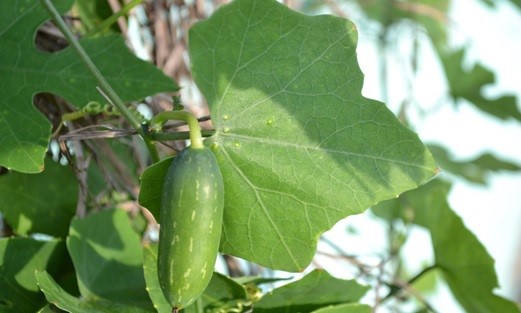
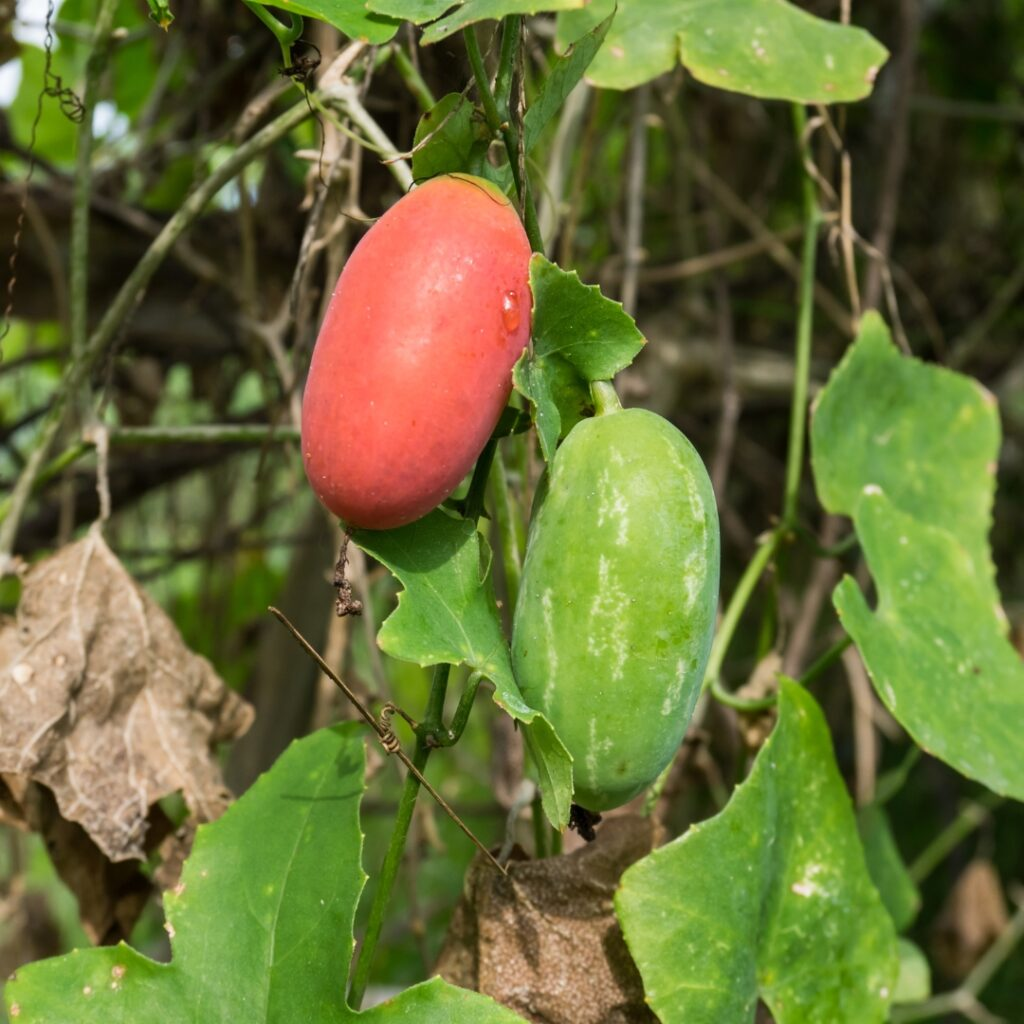
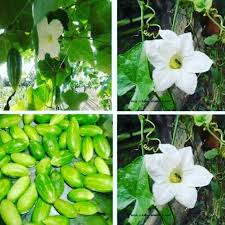
Bimbi is commonly recognized by its slender climbing stems, green lobed leaves, white star-shaped flowers, and elongated fruits that turn bright red when fully ripe. The plant has long been used in traditional Ayurvedic healthcare because of its cooling, digestive-supportive, anti-inflammatory, and metabolism-supporting properties.
Ayurveda traditionally recommends Bimbi in conditions associated with digestive weakness, excess heat, excessive thirst, blood sugar imbalance, sluggish metabolism, and Pitta-related disorders. Different parts of the plant, including leaves, fruits, and roots, are traditionally used in herbal preparations.
Because of its cleansing and balancing qualities, Bimbi is also associated with healthy liver function, detoxification, appetite support, and internal cooling balance.
Scientific Classification of Bimbi
| Category | Details |
|---|---|
| Scientific Name | Coccinia grandis |
| Family | Cucurbitaceae |
| Common Names | Bimbi, Ivy Gourd, Scarlet Gourd |
| Plant Type | Perennial medicinal climber |
Vernacular Names of Bimbi
| Language | Name |
|---|---|
| Sanskrit | Bimbi |
| Hindi | Kundru, Tindora |
| English | Ivy Gourd |
| Bengali | Kundri |
| Tamil | Kovakkai |
| Telugu | Dondakaya |
| Malayalam | Kovakka |
| Kannada | Tondekayi |
| Marathi | Tondli |
| Gujarati | Tindora |
Botanical Description of Bimbi
Bimbi is a rapidly growing perennial climbing herb commonly found in tropical and subtropical climates.
Root System
The plant possesses:
- Tubular roots
- Deep root structure
- Strong spreading capacity
The roots help the plant survive in warm climates.
Stem
Bimbi stems are:
- Thin and climbing
- Branched and spreading
- Soft green in young stages
The plant climbs with the help of tendrils.
Leaves
The leaves are:
- Broad and lobed
- Green in color
- Soft textured
- Alternately arranged
Leaf shape may vary from shallow to deep lobes.
Flowers
Bimbi produces:
- Small white flowers
- Star-shaped petals
- Solitary flower growth
Flowering commonly occurs during warm seasons.
Fruits
The fruits are:
- Small elongated berries
- Green with pale stripes when immature
- Bright red when ripe
Tender green fruits are commonly used as vegetables.
Habitat and Distribution
Bimbi naturally grows in:
- India
- Sri Lanka
- Tropical Asia
- Africa
It commonly appears in:
- Forest edges
- Agricultural lands
- Fences and hedges
- Roadsides
- Tropical gardens
Ayurvedic Properties of Bimbi
Ayurveda values Bimbi for its cooling, digestive-supportive, detoxifying, and metabolism-balancing properties.
Rasa (Taste)
Bimbi possesses:
- Tikta (Bitter)
- Kashaya (Astringent)
Benefits:
- Supports digestion
- Helps detoxification
- Reduces excessive heat
- Supports metabolism
Guna (Qualities)
The herb contains:
- Laghu (Light)
- Ruksha (Dry)
Ayurvedic Effects:
- Helps reduce sluggishness
- Supports healthy metabolism
- Assists detoxification
Virya (Potency)
Bimbi has:
- Shita Virya (Cooling potency)
Cooling Benefits:
- Reduces body heat
- Calms burning sensation
- Supports Pitta balance
Vipaka (Post-Digestive Effect)
Bimbi possesses:
- Katu Vipaka
This helps:
- Support metabolism
- Maintain digestive activity
- Reduce excessive Kapha
Dosha Effect
Bimbi helps balance:
- Pitta Dosha
- Kapha Dosha
Excessive use may aggravate Vata in sensitive individuals.
Health Benefits of Bimbi
1. Traditionally Supports Healthy Blood Sugar Balance
Bimbi is widely recognized in traditional Ayurveda for supporting metabolic balance and healthy blood sugar regulation naturally.
Traditionally Helpful For:
- Blood sugar balance
- Metabolic support
- Excessive thirst
- Sluggish metabolism
The plant is traditionally included in Ayurvedic wellness formulations related to glucose management.
2. Supports Healthy Digestion
Bimbi helps stimulate digestion and maintain healthy digestive function naturally.
Benefits:
- Supports appetite
- Improves digestion
- Helps reduce sluggish digestion
- Maintains bowel balance
Its light and bitter qualities support digestive wellness.
3. Natural Detoxifying Herb
Ayurveda traditionally values Bimbi for detoxification and internal cleansing support.
Traditional Detoxifying Benefits:
- Helps remove Ama (toxins)
- Supports liver function
- Assists internal cleansing
- Promotes tissue purification
4. Helps Reduce Excess Body Heat
The cooling nature of Bimbi helps maintain internal balance.
Traditionally Helpful In:
- Burning sensation
- Excess heat
- Pitta aggravation
- Heat-related discomfort
5. Supports Liver Wellness
Bimbi is traditionally associated with healthy liver function and metabolic balance.
Benefits Include:
- Supporting liver health
- Maintaining digestive metabolism
- Assisting detoxification pathways
6. Supports Healthy Appetite
Traditional Ayurvedic use suggests Bimbi may help improve appetite and digestive activity naturally.
7. Beneficial for Skin Wellness
Due to its detoxifying and blood-purifying properties, Bimbi is traditionally associated with supporting healthy skin naturally.
Traditional Ayurvedic Uses of Bimbi
Bimbi is traditionally used for:
- Blood sugar imbalance
- Digestive weakness
- Excess body heat
- Sluggish metabolism
- Excessive thirst
- Detoxification support
- Appetite support
Effect on Agni (Digestive Fire)
Bimbi helps maintain balanced digestion while reducing excessive heat.
It traditionally supports:
- Healthy appetite
- Digestive metabolism
- Detoxification
- Reduction of Ama (toxins)
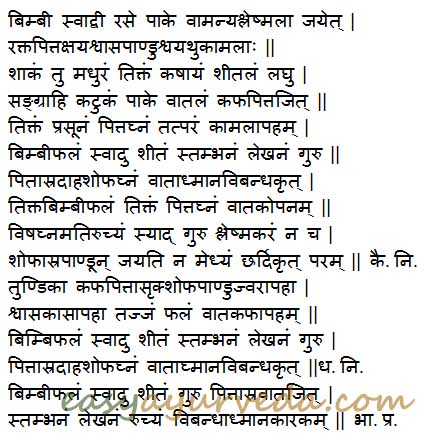
Effect on Dhatus (Body Tissues)
Bimbi traditionally supports:
Rasa Dhatu
Supports nutritive fluid balance.
Rakta Dhatu
Helps maintain blood tissue health.
Meda Dhatu
Supports metabolic balance and healthy fat metabolism.
Effect on Srotas (Body Channels)
Bimbi primarily acts on:
- Annavaha Srotas (digestive channels)
- Raktavaha Srotas (blood channels)
- Medovaha Srotas (metabolic channels)
It helps maintain healthy digestion and metabolic circulation naturally.
Growing Conditions of Bimbi
Climate
- Tropical and subtropical climate
- Warm humid weather preferred
Soil
- Fertile well-drained soil
- Moderate moisture ideal
Sunlight
- Full to partial sunlight
The climber grows rapidly in warm environments.
Special Botanical Features
Bimbi is easily recognized by:
- Climbing tendrils
- Lobed green leaves
- White star-shaped flowers
- Green striped fruits turning red when ripe
Precautions
- Consult a Healthcare Provider: Before using Bimbi (Coccinia grandis) for medicinal purposes, consult an Ayurvedic practitioner or healthcare provider, especially if you are pregnant, breastfeeding, or have pre-existing medical conditions.
- Allergic Reactions: Some individuals may experience allergic reactions to Bimbi. Discontinue use if you notice any adverse effects like rashes, itching, or swelling.
- Blood Sugar Monitoring: If you are diabetic and taking medication, monitor your blood sugar levels closely, as Bimbi may enhance the effects of antidiabetic drugs, potentially leading to hypoglycemia.
- Dosage Adherence: Stick to the recommended dosage to avoid potential side effects like gastrointestinal discomfort or diarrhea.
- Avoid During Surgery: Discontinue use at least two weeks before any scheduled surgery, as Bimbi may affect blood sugar levels and increase the risk of bleeding.
Frequently Asked Questions (FAQs)
- Is Bimbi safe for long-term use?
Bimbi is generally safe when used in recommended doses. However, long-term use should be monitored by a healthcare provider to avoid potential side effects. - Can Bimbi be used during pregnancy?
Pregnant or breastfeeding women should avoid using Bimbi without consulting a healthcare provider, as its effects on pregnancy are not well-studied. - Does Bimbi interact with medications?
Bimbi may interact with antidiabetic drugs, blood thinners, and medications for liver or kidney conditions. Consult your doctor before use. - Can Bimbi be consumed raw?
Yes, the fruits of Bimbi can be eaten raw or cooked. However, medicinal preparations like juice, decoction, or powder are more commonly used for therapeutic purposes. - Is Bimbi effective for weight loss?
Bimbi’s ability to balance Kapha dosha and support metabolism makes it a useful aid for weight management when combined with a healthy diet and lifestyle.
Medicinal Uses
- Fever: The leaf paste of bimbi is
applied externally over the body
in order to induce perspiration in
fever.
- Scabies: Fistful of leaves are
soaked in 100 ml of coconut oil
and placed in the sun for three
days. This oil is applied over
fungal infections in order to get
the relief in itching and scabies. - Mouth Ulcers: Raw tender fruits
chewing regularly is beneficial to
heal mouth ulcers. - Prameha(Diabetes): 15 ml of
bimbi root. juice twice a day
before food is useful to control
sugar lavels in diabetes. It can also
be administered as a adjuvant for
medicines of diabetes. - Worm Infestation: Intake of 10
ml of Bimbi Juice early morning
on empty stomach for one week
relieves intestinal worms. - Bed Wetting: Internal
administration of 3-5 gms of
bimbi root paste daily is useful
to control bed wetting in young
children.
Conclusion
Coccinia grandis, commonly known as Bimbi or Ivy Gourd, is a traditionally valued Ayurvedic medicinal herb recognized for supporting blood sugar balance, digestion, detoxification, liver wellness, and metabolic health naturally.
Its cooling, bitter, cleansing, and metabolism-supportive properties make Bimbi especially beneficial in conditions associated with excess heat, sluggish digestion, metabolic imbalance, and Pitta-Kapha aggravation. Ayurveda traditionally uses this herb to maintain digestive harmony, support healthy glucose metabolism, improve appetite, and promote internal cleansing naturally.
Despite being a commonly available climbing plant, Bimbi continues to hold significant importance in traditional herbal healthcare because of its broad range of wellness-supportive properties and natural healing potential.
Coccinia grandis, commonly known as Bimbi or Ivy Gourd, is a highly respected medicinal plant in Ayurveda traditionally valued for supporting blood sugar balance, digestion, detoxification, liver wellness, and overall metabolic harmony naturally. Despite being a simple climbing herb commonly found in tropical regions, Bimbi possesses remarkable traditional healing properties that continue to make it an important part of Ayurvedic healthcare.
Ayurveda especially appreciates Bimbi for its cooling, cleansing, digestive-supportive, and metabolism-balancing qualities. Its bitter and astringent nature helps support healthy digestion, stimulate metabolism, reduce excessive heat, and assist natural detoxification pathways within the body. Traditionally, the herb is widely used in conditions associated with sluggish digestion, excessive thirst, metabolic imbalance, Pitta aggravation, and excess Kapha accumulation.
One of the most important traditional uses of Bimbi is its role in supporting healthy blood sugar and metabolic balance naturally. Ayurvedic practitioners have long included this herb in formulations designed to maintain healthy glucose metabolism, digestive function, and internal purification. Its light and cooling properties also make it useful in maintaining appetite, bowel balance, and overall digestive comfort.
In addition to metabolic wellness, Bimbi is traditionally associated with supporting liver health, blood purification, tissue nourishment, and skin wellness. Its detoxifying action helps maintain internal cleansing and supports healthy circulation throughout the body. Because of these combined benefits, Bimbi is considered a valuable herb for maintaining both digestive and systemic balance naturally.
The plant’s easy availability, edible tender fruits, and broad traditional uses make it highly significant in both herbal medicine and dietary wellness practices. In many traditional households, the immature fruits are consumed as a nutritious vegetable while the medicinal parts are used in natural remedies and Ayurvedic preparations.
Although generally considered beneficial when properly used, balanced Ayurvedic guidance is important because excessive use may aggravate Vata due to its drying qualities. When used appropriately, Bimbi may help support healthy metabolism, digestive strength, liver function, detoxification, blood purification, appetite regulation, and overall wellness naturally.
Because of its long-standing traditional reputation and wide range of wellness-supportive properties, Bimbi continues to remain one of Ayurveda’s important medicinal climbers for promoting balanced health, metabolic stability, and natural healing support.
