

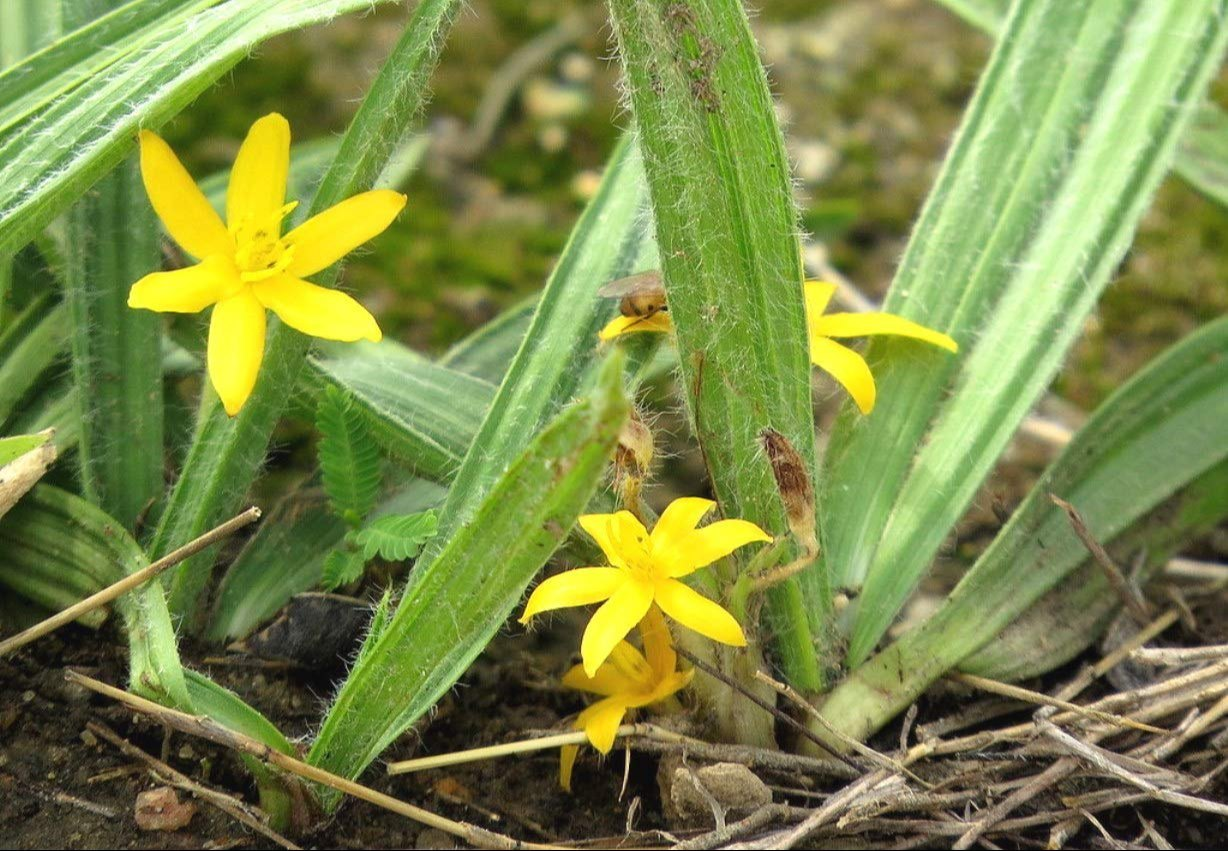
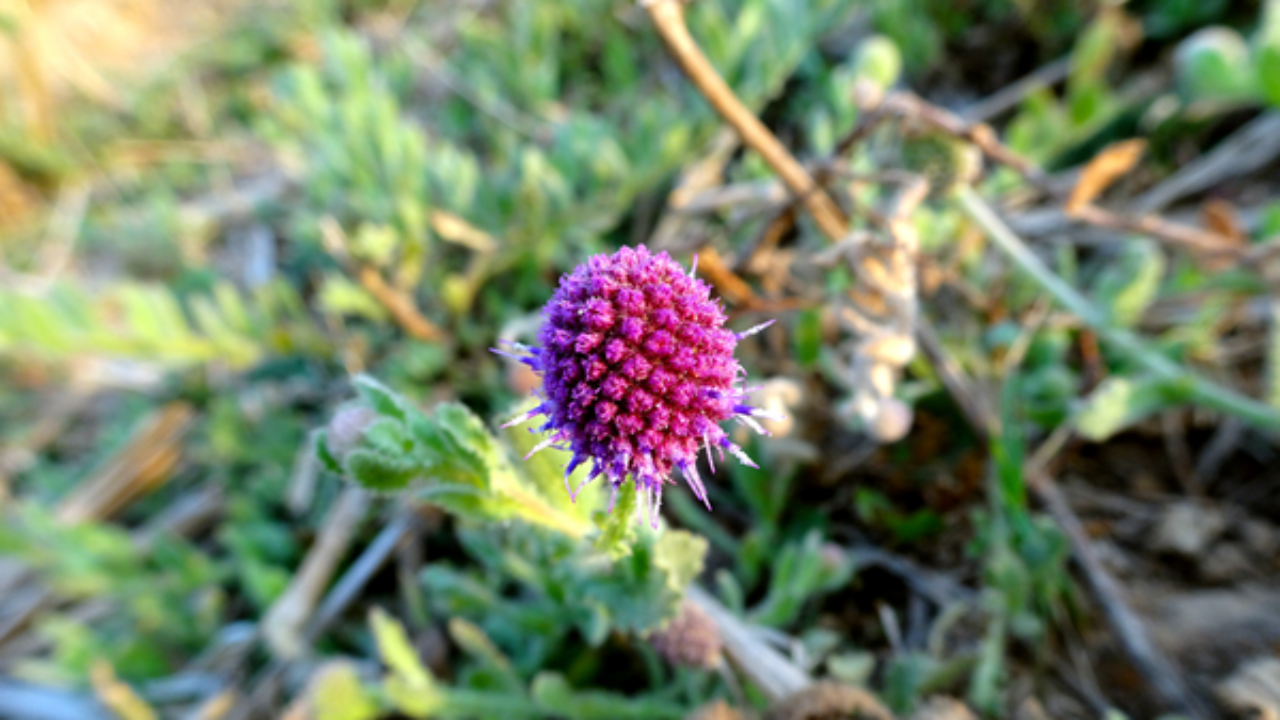
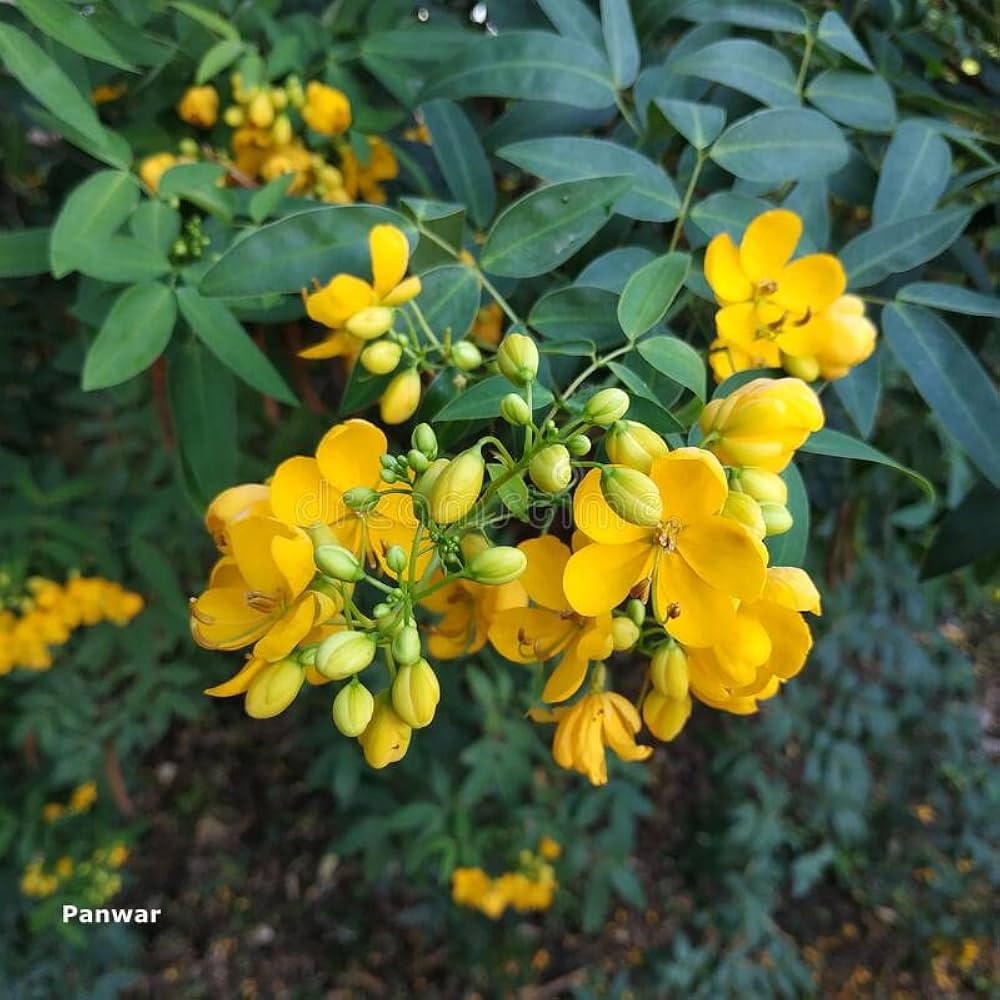
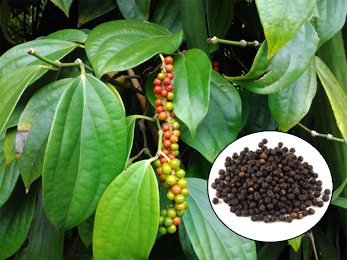
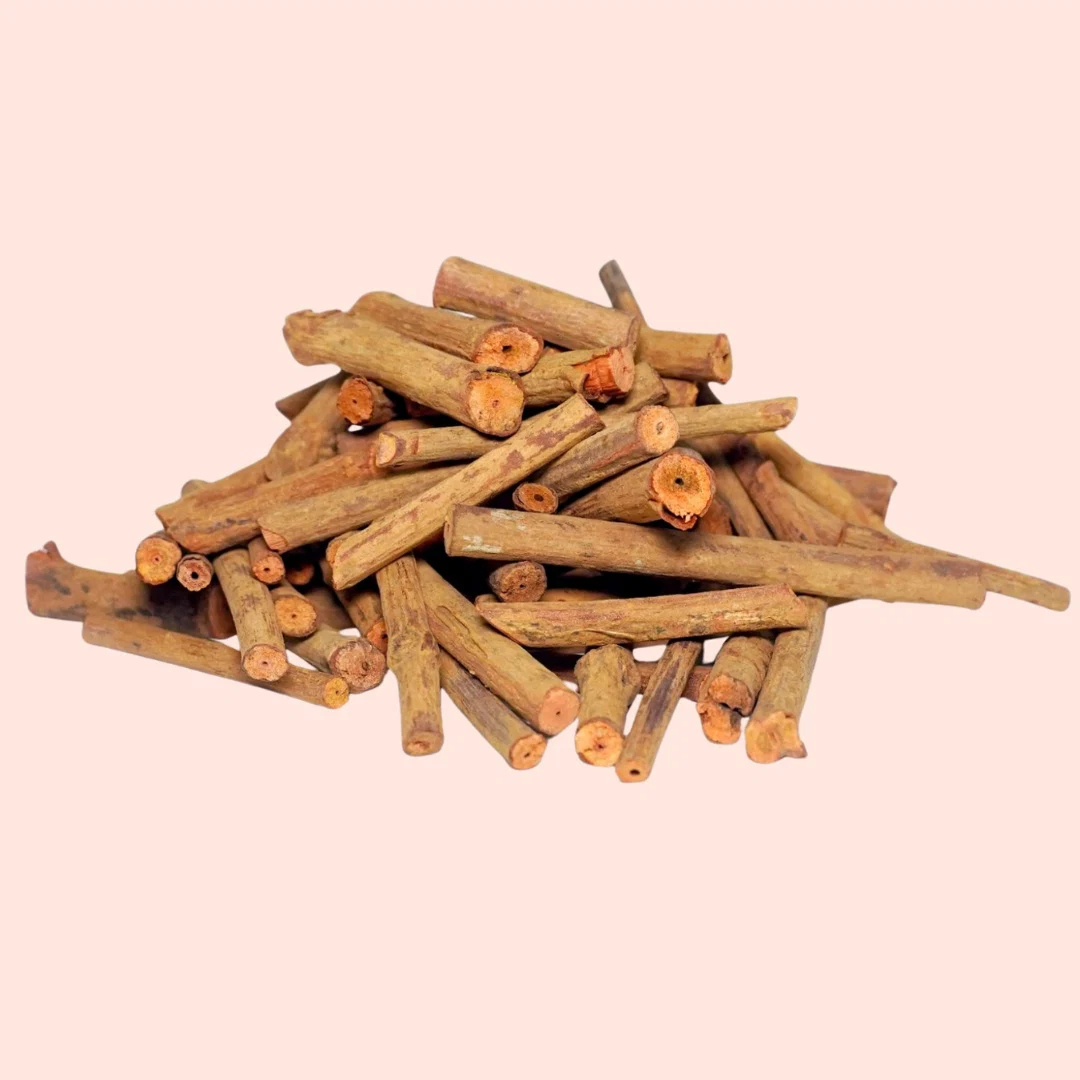
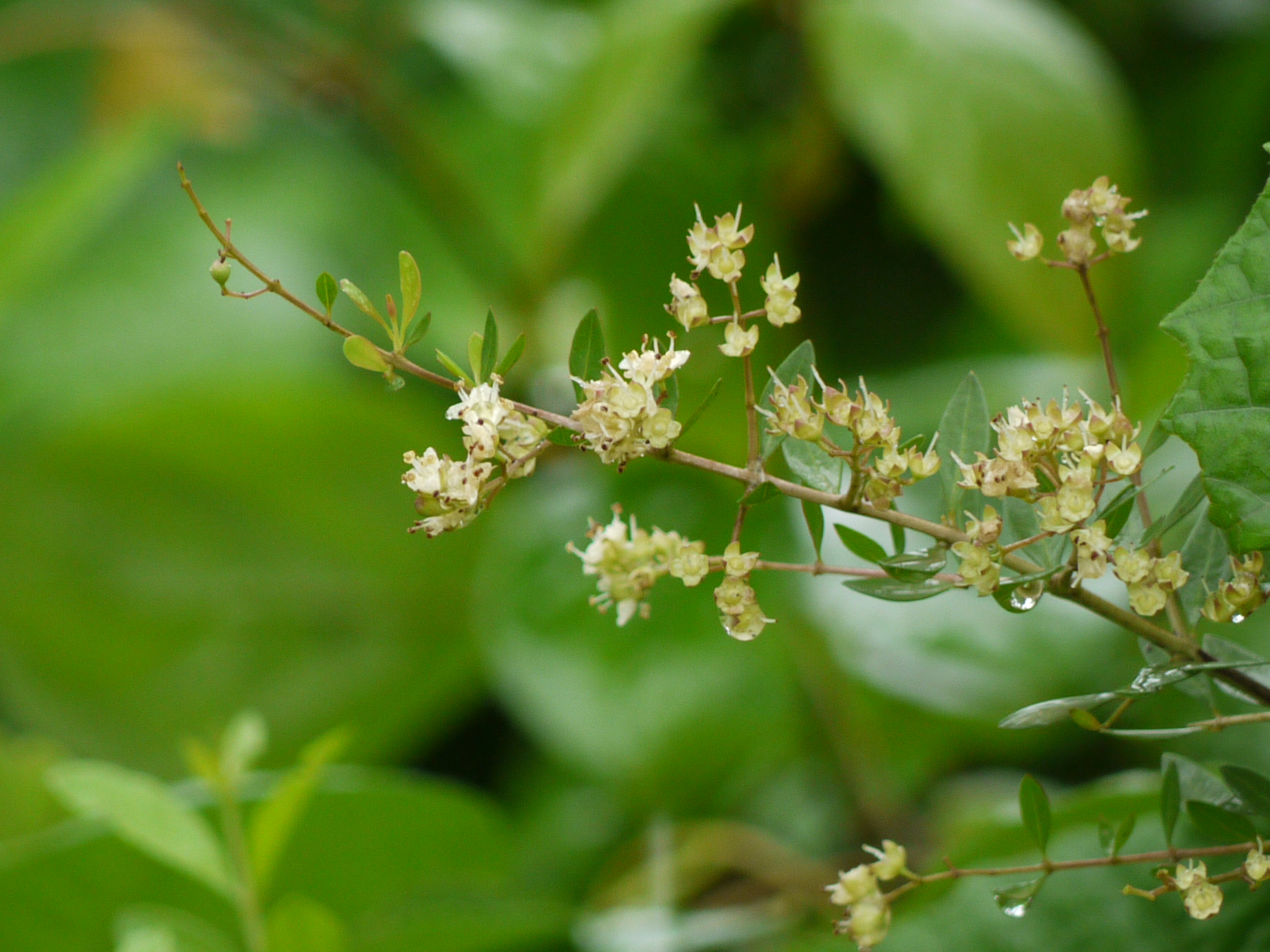
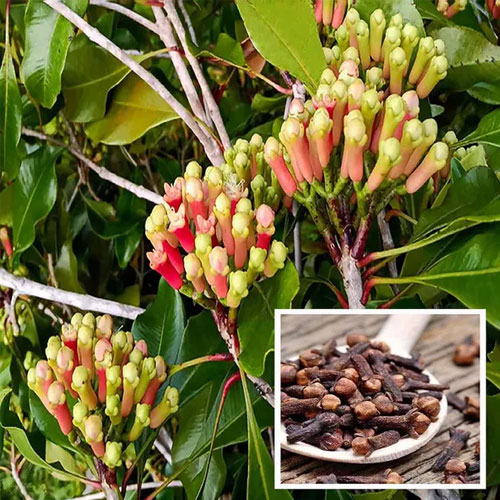
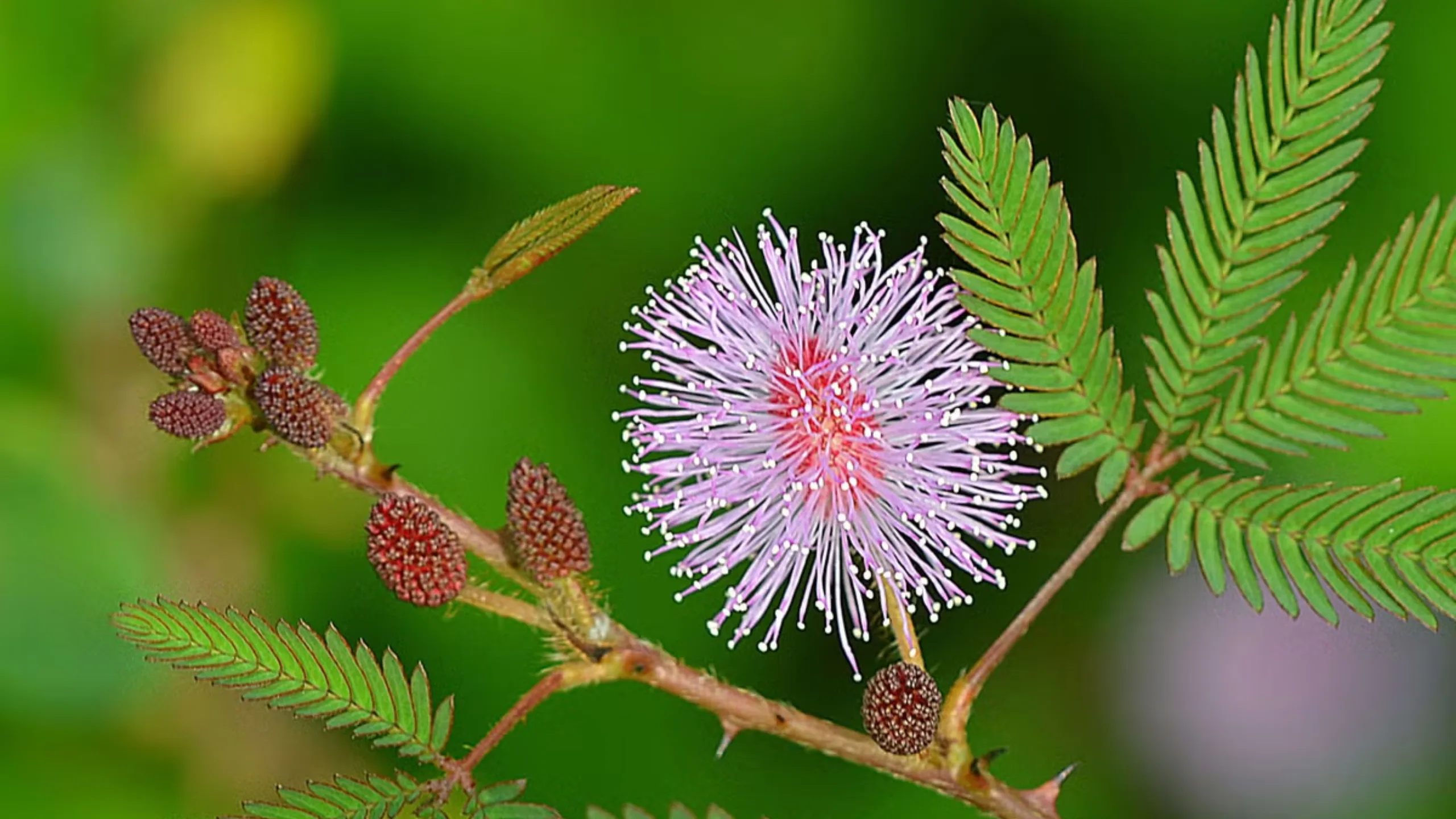
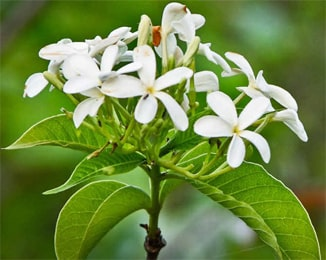

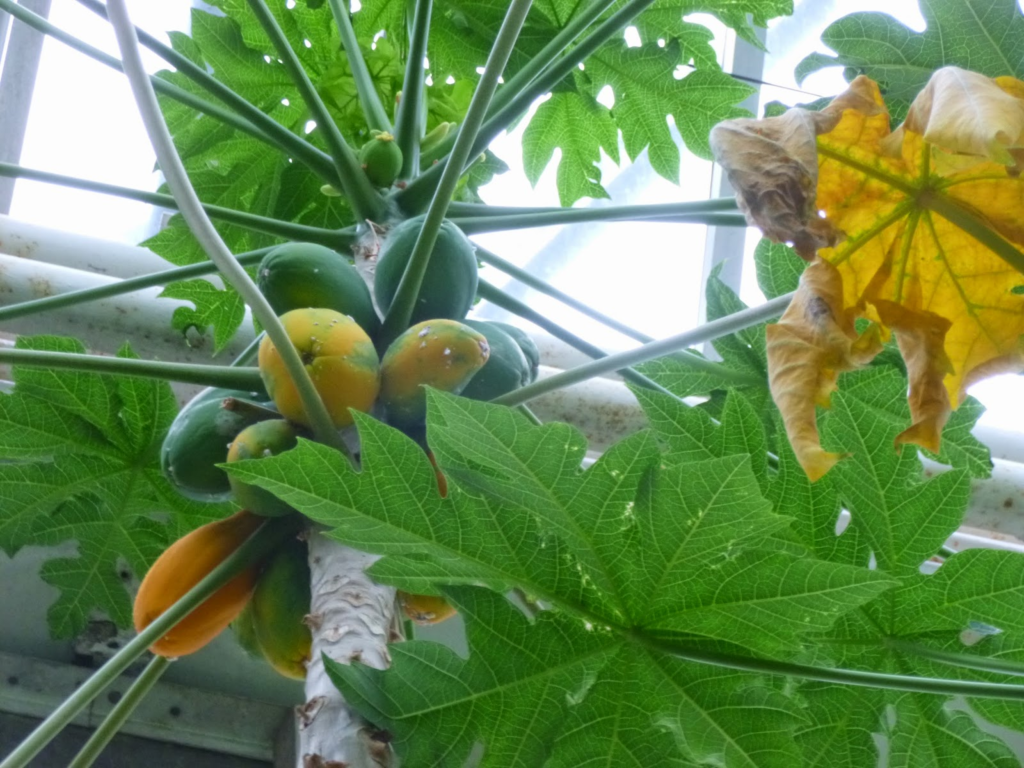
Carica papaya, Caricaceae
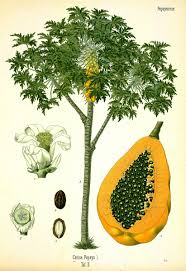
Introduction
Erandakarkati is an important medicinal plant in Ayurveda. It is botanically known as Luffa acutangula and is commonly called Ridge Gourd or Turai. Besides being a popular vegetable, it is also valued for its digestive, detoxifying, and respiratory benefits.
In Ayurveda, Erandakarkati is mainly used to balance Kapha and Pitta dosha and to support liver, digestion, and skin health.
Erandakarkati is a traditionally recognized medicinal plant in Ayurveda valued for supporting urinary health, digestion, detoxification, and body balance. The herb is associated with cooling, cleansing, and restorative properties and has been used in traditional Ayurvedic practices for managing urinary discomfort, digestive imbalance, and heat-related conditions.
In classical Ayurveda, Erandakarkati is often appreciated for its ability to help maintain healthy fluid balance, support elimination of toxins (Ama), and promote proper functioning of the urinary system. It is also traditionally used in certain formulations for reducing internal heat, supporting bowel movement, and maintaining overall wellness.
Ayurvedic practitioners traditionally use Erandakarkati for:
- Urinary tract support
- Burning urination
- Digestive imbalance
- Detoxification support
- Pitta-related disorders
- General body cooling and cleansing
Its cooling and balancing nature makes it particularly useful in conditions involving excess Pitta dosha, dehydration, urinary irritation, and digestive heat.
Modern herbal understanding suggests that plants associated with Erandakarkati may possess antioxidant, cooling, digestive-supportive, and mild detoxifying properties, supporting several traditional Ayurvedic uses.
Botanical Description of Erandakarkati
🔹 Scientific Classification
- Traditional Ayurvedic Name: Erandakarkati
- Plant Type: Medicinal herbaceous or creeping plant
- System of Medicine: Ayurveda
General Habit of the Plant
Erandakarkati is traditionally described as a medicinal plant with a spreading or creeping growth habit. It is valued in Ayurveda for its cooling and cleansing properties.
The plant is generally characterized by:
- Soft green stems
- Broad leaves
- Seasonal flowering habit
- Medicinal fruits or aerial parts used traditionally
It commonly grows in warm tropical and subtropical environments.
Root System
- Fibrous root structure
- Moderately deep root penetration
- Helps absorb moisture efficiently
Roots support the plant’s growth in dry and semi-moist soils.
Stem
- Soft and green stem
- Creeping or spreading growth habit
- Flexible and branched structure
Younger stems are tender and moisture-rich.
Leaves of Erandakarkati
- Broad green leaves
- Soft textured surface
- Alternate arrangement on stems
Leaf Characteristics:
- Medium-sized leaves
- Prominent veins
- Slightly rough or smooth texture depending on maturity
Leaves help identify the plant during vegetative growth.
Flowers
- Small seasonal flowers
- Usually pale yellow or light-colored
- Appear during warm growing seasons
Flowering Season:
- Spring to rainy season in tropical climates
Flowers are generally less medicinally important than other plant parts.
Fruits
Traditional descriptions mention:
- Small to medium-sized fruits
- Soft or fleshy structure depending on maturity
- Medicinal value in some traditional uses
Fruits may vary based on regional botanical identification.
Seeds
- Small seeds present inside mature fruits
- Used for natural propagation of the plant
Habitat & Distribution
Erandakarkati is traditionally found in:
- India
- Tropical regions
- Rural herbal environments
- Forest margins and open lands
Preferred Growing Conditions
🔹 Climate
- Tropical and subtropical climate
- Warm temperature preferred
🔹 Soil
- Well-drained soil
- Moderately fertile land
🔹 Sunlight
- Full sunlight to partial shade
Thrives well in warm and moderately moist environments.
Special Botanical Features
- Cooling medicinal nature
- Soft creeping growth habit
- Broad green leaves
- Traditionally valued in urinary and digestive wellness
Identification in Nature
Erandakarkati can generally be identified by:
- Creeping stems
- Soft green foliage
- Seasonal flowers and fruits
- Moisture-rich herbal structure
Local Ayurvedic practitioners often identify it through traditional regional knowledge.
Important Botanical Note
Because the name “Erandakarkati” may vary regionally in traditional herbal systems, correct botanical identification by qualified Ayurvedic experts is important before medicinal use.
Summary
Erandakarkati is a traditionally important Ayurvedic medicinal plant known for its cooling, cleansing, and balancing properties. Its creeping growth habit, soft stems, and herbal therapeutic value make it traditionally useful for supporting urinary wellness, digestive comfort, detoxification, and overall body balance naturally.
Ayurvedic Properties of Erandakarkati
Overview in Ayurveda
Erandakarkati is a traditionally valued Ayurvedic herb known for supporting urinary wellness, digestive balance, detoxification, cooling support, and overall body harmony. Ayurveda appreciates this herb for its soothing and cleansing nature, especially in conditions involving excess heat, burning sensation, urinary irritation, and Pitta imbalance.
Its cooling and balancing properties make it particularly beneficial for maintaining healthy urinary flow, reducing internal heat, and supporting the body’s natural detoxification processes.
🔹 Rasa (Taste)
Erandakarkati possesses:
- Tikta (Bitter)
- Kashaya (Astringent)
Ayurvedic Significance:
These tastes help:
- Reduce excess Pitta
- Support detoxification
- Improve digestion
- Cleanse body channels
Bitter and astringent tastes are traditionally valued for cooling and purification.
🔹 Guna (Qualities)
- Laghu (Light)
- Snigdha (Slightly unctuous)
Ayurvedic Significance:
These qualities help:
- Promote easy digestion
- Support smooth elimination
- Maintain internal balance without heaviness
Light quality helps reduce sluggishness and toxin accumulation.
🔹 Virya (Potency)
- Shita Virya (Cooling Potency)
Cooling action helps:
- Reduce burning sensation
- Calm excess body heat
- Soothe urinary irritation
- Balance aggravated Pitta dosha
🔹 Vipaka (Post-Digestive Effect)
- Madhura Vipaka (Sweet post-digestive effect)
Benefits of Madhura Vipaka:
- Supports tissue nourishment
- Maintains hydration and balance
- Helps calm irritation and dryness
Contributes to the herb’s soothing and restorative nature.
🔹 Dosha Effect
Helps Balance:
- Pitta
- Vata
Particularly beneficial in:
- Burning urination
- Excess heat conditions
- Digestive irritation
- Dehydration-related imbalance
Cooling nature makes it especially useful in Pitta aggravation.
Main Ayurvedic Actions of Erandakarkati
🔸 Mutrala
Traditionally supports:
- Healthy urination
- Urinary tract cleansing
- Fluid balance
Commonly valued for urinary wellness support.
🔸 Deepana
Helps:
- Support digestive fire gently
- Improve metabolism without excess heat
🔸 Pachana
Traditionally helps digest:
- Ama (toxins)
- Metabolic waste accumulation
🔸 Dahahara
Supports reduction of:
- Burning sensation
- Excess body heat
- Pitta-related irritation
🔸 Rasayana
Traditionally supports:
- Tissue nourishment
- General wellness
- Rejuvenation and vitality
Effect on Agni (Digestive Fire)
Erandakarkati gently supports:
- Healthy digestion
- Balanced metabolism
- Reduction of digestive irritation
Helpful when digestive weakness is associated with heat and inflammation.
Role in Detoxification
Traditionally used to:
- Help eliminate toxins (Ama)
- Support natural cleansing pathways
- Maintain fluid balance
Often included in cooling and detox-supportive Ayurvedic practices.
Role in Urinary Wellness
Erandakarkati is especially valued for:
- Supporting urinary comfort
- Reducing burning urination
- Promoting healthy urinary flow
Traditionally useful in heat-related urinary imbalance.
Effect on Vata & Pitta
🔹 For Pitta
Helps:
- Reduce excess heat
- Calm irritation
- Support cooling balance
🔹 For Vata
Supports:
- Proper elimination
- Internal lubrication and comfort
Balanced use helps maintain harmony between cooling and nourishment.
Effect on Dhatus (Body Tissues)
Traditionally supports:
- Rasa Dhatu (nutritive fluids)
- Rakta Dhatu (blood tissue)
- Mutravaha system (urinary tissues)
Helps maintain hydration and tissue balance.
Effect on Srotas (Body Channels)
Supports:
- Mutravaha Srotas (urinary channels)
- Annavaha Srotas (digestive channels)
Helps maintain proper flow, cleansing, and comfort.
Traditional Ayurvedic Uses
Erandakarkati is traditionally used for:
- Burning urination
- Urinary discomfort
- Digestive heat
- Pitta imbalance
- Detoxification support
- General body cooling
Ayurvedic Precautions
Excessive use may:
- Reduce digestive fire in very cold constitutions
- Increase coldness in excess Vata conditions
Use cautiously in:
- Severe cold digestive disorders
- Very weak digestion
Balanced and guided use is preferred.
Traditional Ayurvedic Preparations
Erandakarkati may be used in:
- Herbal decoctions
- Cooling formulations
- Urinary wellness preparations
- Detox-supportive remedies
Summary
Erandakarkati is a cooling and cleansing Ayurvedic herb traditionally valued for supporting urinary wellness, digestive comfort, detoxification, and internal balance. Its bitter and soothing properties help balance Pitta and Vata doshas, making it especially beneficial in conditions involving burning sensation, urinary irritation, digestive heat, and toxin accumulation.
When used properly in Ayurvedic care, Erandakarkati may help maintain healthy urination, balanced digestion, body cooling, detoxification, and overall wellness naturally.
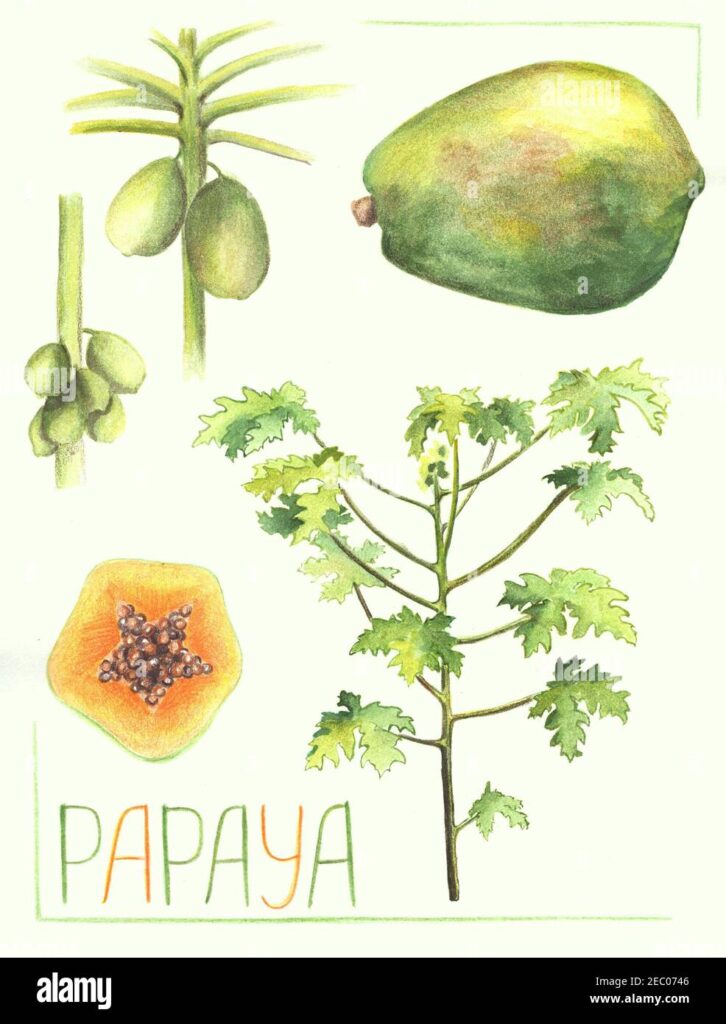
Benefits of Papaya
What are the benefits of Papaya for Indigestion?
Modern Science View
Papaya might help in managing indigestion problems like constipation and bloating. This is due to the presence of chymopapain and papain in Papaya[13][26].
Ayurvedic View
Indigestion means a state of incomplete process of digestion and the main reason is Agnimandya (weak digestive fire). Papaya helps to correct Agnimandya (weak digestive fire) because of its Deepan (appetizer) and Pachan (digestive) properties. Papaya also controls constipation if it is taken in the evening because of its Rechana (laxative) nature.
Tips:
a. Eat Papaya raw fruit according to your taste and requirement.
b. Take it preferably with lunch or dinner to maintain healthy digestion.
What are the benefits of Papaya for Parasitic infections?
Modern Science View
Papaya may be useful in managing parasitic infections due to its antiparasitic property. It inhibits the growth of parasitic worms and expels them from the gastrointestinal tract[13][14].
Ayurvedic View
Intestinal parasites known as krimi in Ayurveda is due to low Agni (weak digestive fire). Use of raw Papaya is useful for removing intestinal parasites because Papaya has Krimighna (anti-worm) property.
Tips:
a. Eat Papaya raw fruit according to your taste and requirement.
b. Take it preferably with lunch or dinner.
What are the benefits of Papaya for Diabetes?
Modern Science View
Papaya may be useful in managing Diabetes due to its hypoglycemic and antioxidant property. The extract of Papaya leaves increases the uptake of glucose and controls blood sugar level. It also stimulates the regeneration of pancreatic beta cells[10][11].
Ayurvedic View
Diabetes also known as Madhumeha is due to an aggravation of Vata and impaired digestion. Impaired digestion leads to an accumulation of Ama (toxic remains in the body due to improper digestion) in the pancreatic cells and impairs the function of insulin. Papaya helps remove Ama and controls aggravated Vata due to its Deepan (appetizer) and Pachan (digestive) properties. This thus helps control high blood sugar level.
What are the benefits of Papaya for Cancer?
Modern Science View
Papaya may be useful in managing cancer due to the presence of papain, lycopene and isothiocyanate. Papain and Lycopene inhibits the formation of cancer cells. Isothiocyanate also inhibits the proliferation and development of cancer cells[9].
How effective is Papaya?
Insufficient evidence
Cancer, Diabetes, Indigestion, Parasitic infections
Precautions when using Papaya
Advice from Experts
Modern Science View
1. Avoid eating Papaya if you have hypothyroidism
2. Avoid taking Papaya if you are allergic to Papain
Breastfeeding
Modern Science View
Consult your doctor while taking Papaya during Breastfeeding[5].
Moderate Medicine Interaction
Modern Science View
Papaya may decrease blood clotting. So it generally advisable to consult your doctor while taking Papaya with antiplatelet drugs.
Patients with diabetes
Modern Science View
Papaya may lower your blood sugar. So it generally advisable to consult your doctor while taking Papaya along with antidiabetic drugs.
Pregnancy
Modern Science View
Avoid taking Papaya during Pregnancy[5].
Ayurvedic View
Unripe and semi-ripe Papaya should be avoided during pregnancy because it can cause uterine contractions due to its Ushna (hot) and Rechana (laxative) properties. It is better to avoid eating Papaya during the early stages of pregnancy unless it is fully ripe. Women who have had a previous history of abortion and miscarriage are advised to avoid Papaya completely.
Recommended Dosage of Papaya
- Papaya Churna – ¼- ½ teaspoon twice a day.
- Papaya Juice – 5-6 teaspoon once or twice a day.
- Papaya Tablet – 1-2 Papaya tablets, twice a day.
- Papaya Capsule – 1-2 Papaya capsules, twice a day.
- Papaya Candy – 4-5 candies a day, twice a day.
Vernacular names
Bengali : Papeyaa, Pappiyaa
English : Papaya, Melon tree, Pawpaw
Gujarati : Erandakaakadi, Papaiyu, Papita
Hindi : Papitaa
Kannada : Pirangi, Pappaay
Malayalam : Karmaasu, Pappaay, Karumatti
Marati : Papaayaa, Papai
Punjabi : Erandakharbujaa
Tamil : Pappali
Telugu : Boppayi, Bobbaasi, Paringi
Conclusion
Erandakarkati (Luffa acutangula) is a valuable Ayurvedic medicinal plant and healthy vegetable that supports digestion, liver function, respiratory health, blood purification, and weight management.
When used properly as food and medicine, it provides safe and long-lasting health benefits.
Erandakarkati is a traditionally important Ayurvedic herb valued for supporting urinary wellness, digestive balance, detoxification, and cooling body support. Its light, soothing, and cleansing properties help balance Pitta and Vata doshas, making it especially beneficial in conditions involving burning urination, excess body heat, digestive irritation, and toxin accumulation.
In Ayurvedic practice, Erandakarkati has been traditionally used to promote healthy urination, improve digestive comfort, support fluid balance, and help maintain the body’s natural cleansing processes. Its cooling nature also makes it useful in managing heat-related imbalances and maintaining overall internal harmony.
When used properly as part of Ayurvedic care and a balanced lifestyle, Erandakarkati may help maintain healthy urinary function, improved digestion, natural detoxification, body cooling, and long-term wellness naturally.
