

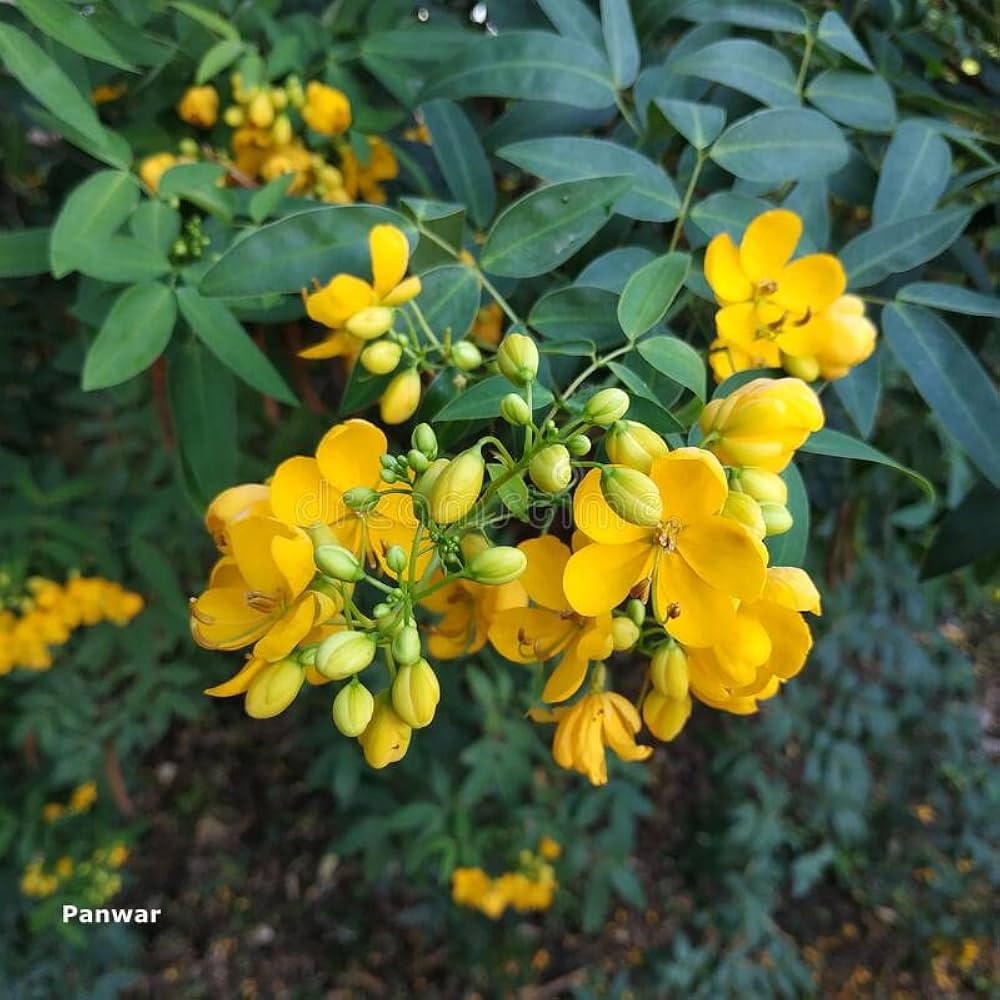
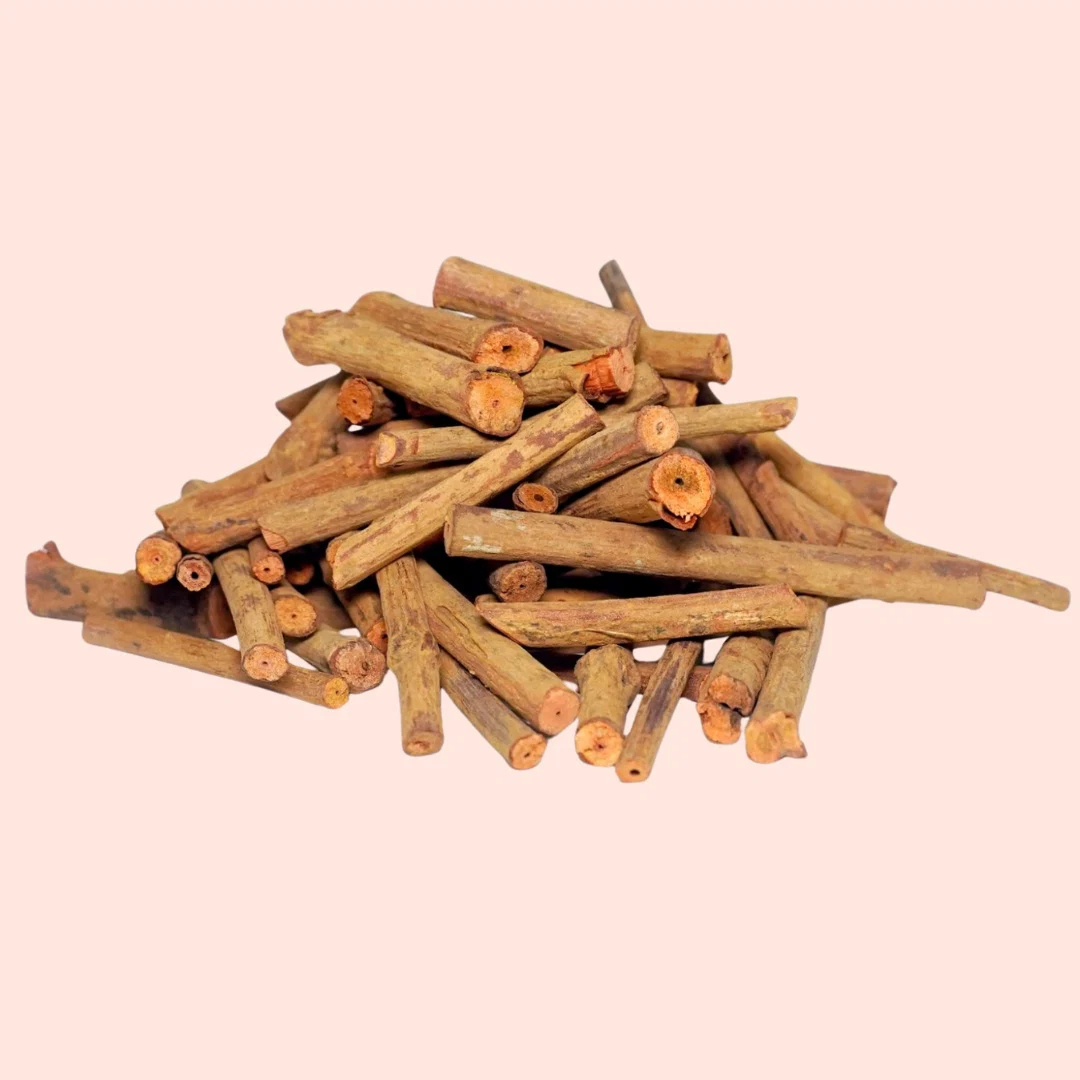
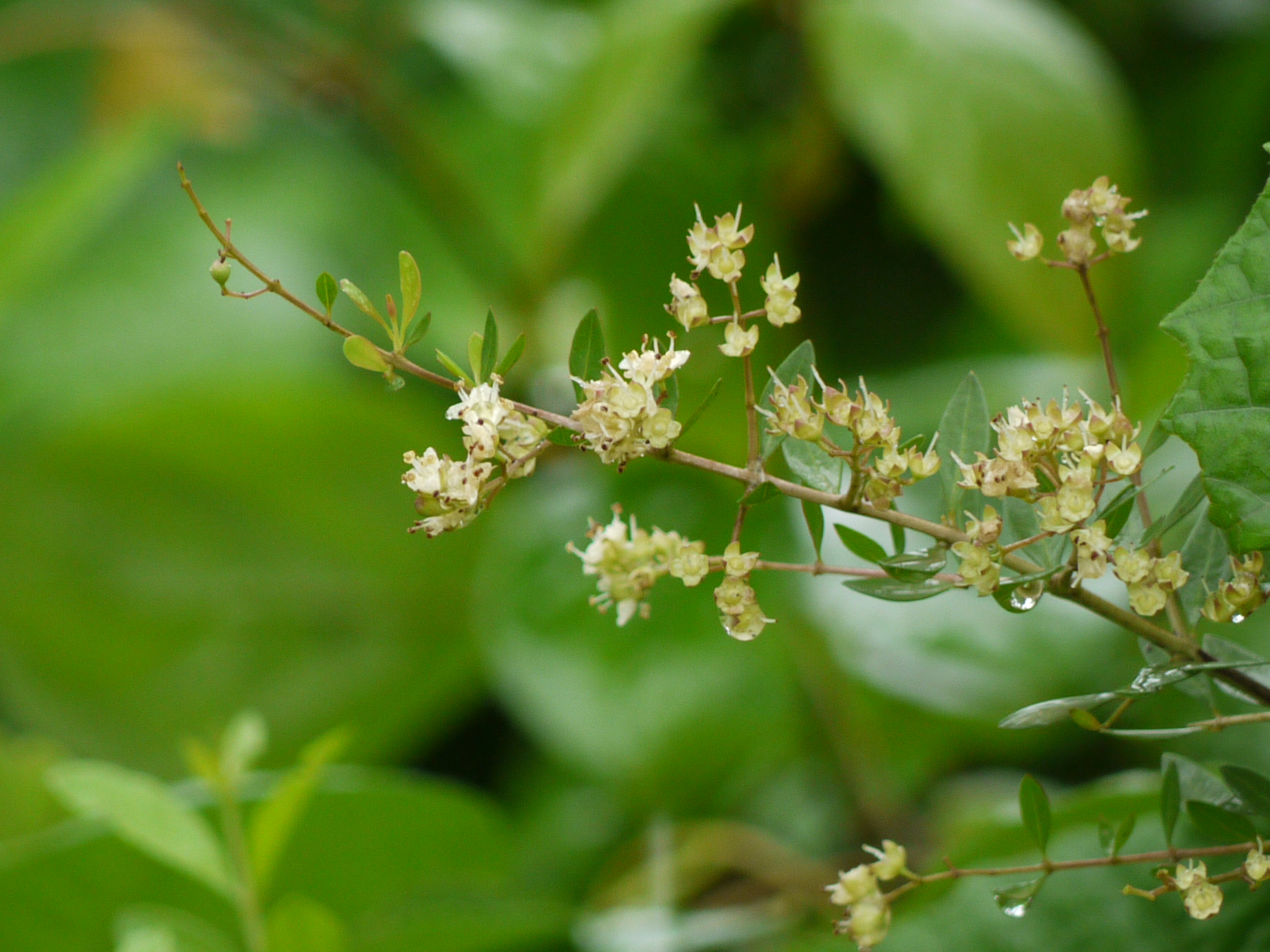
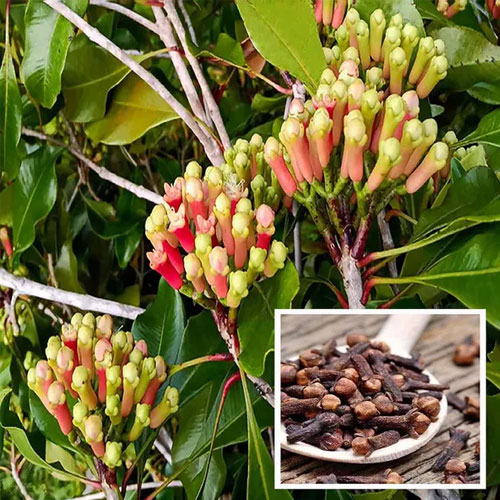
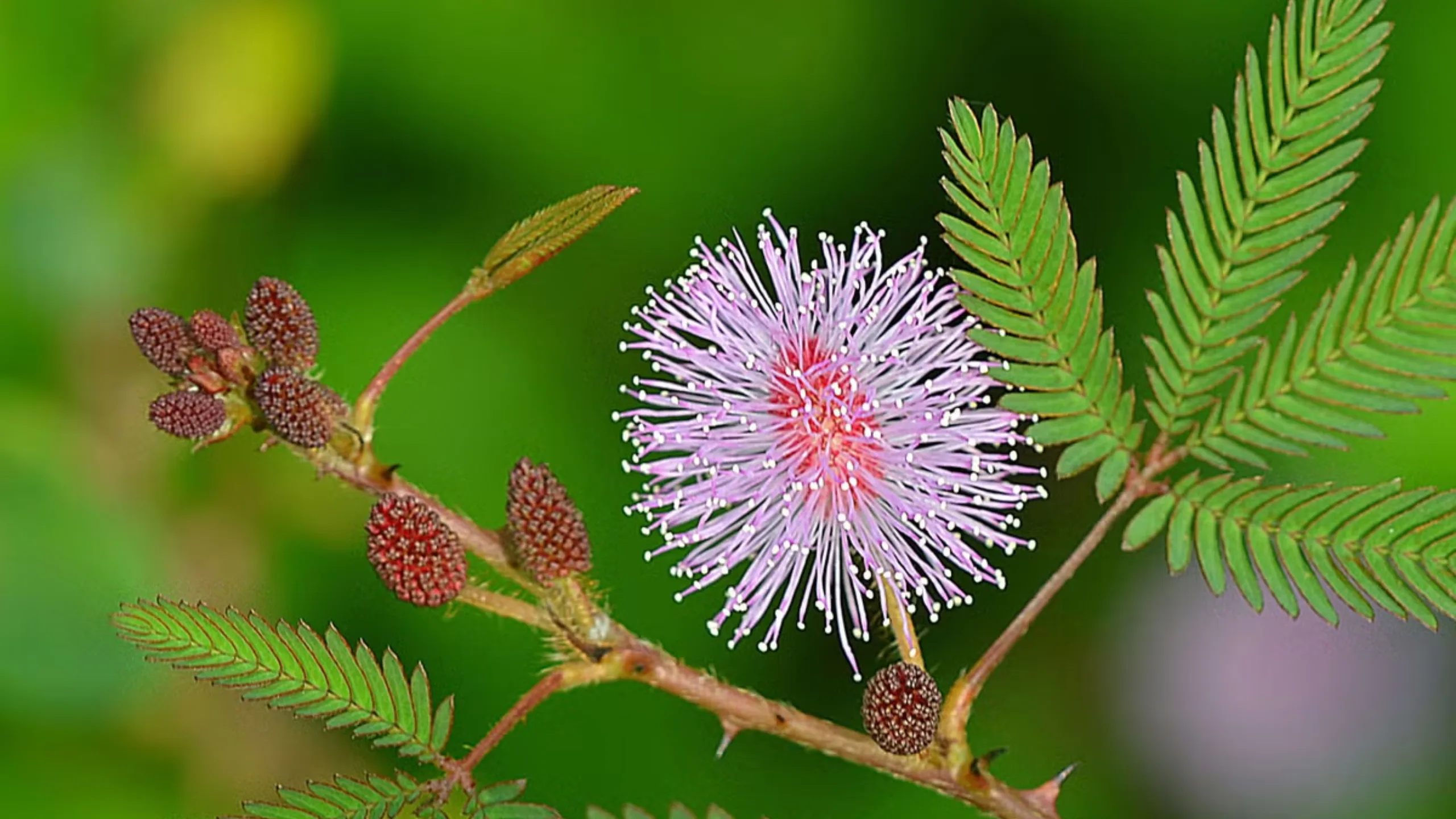
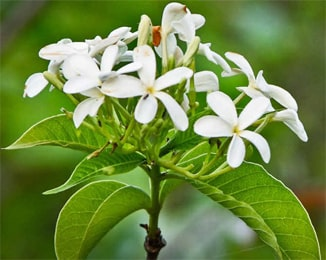

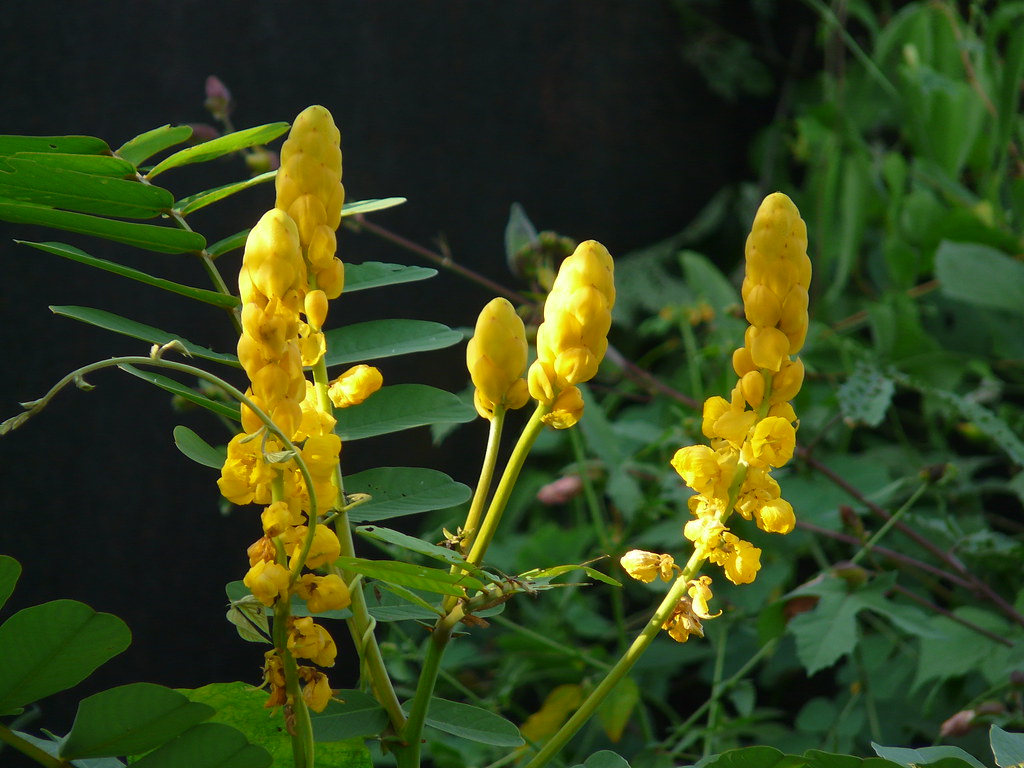
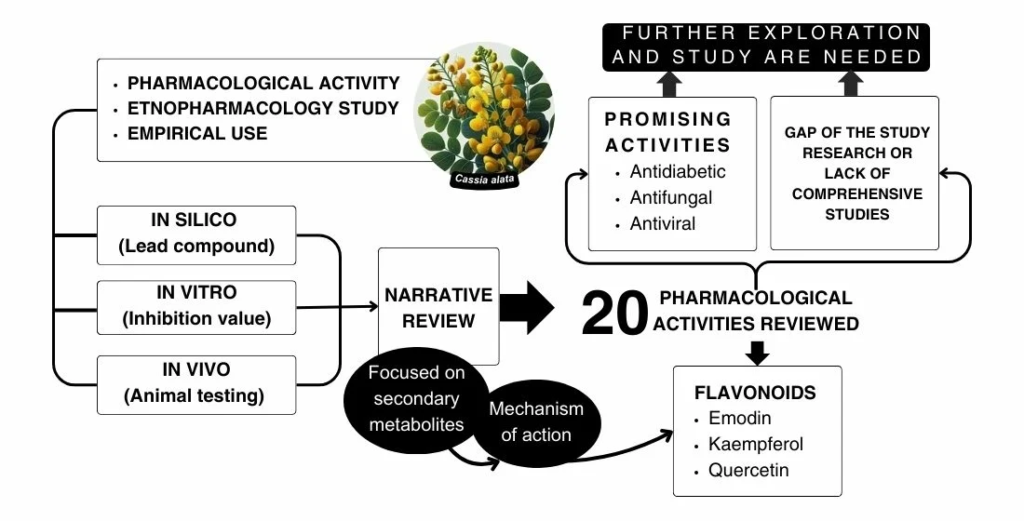
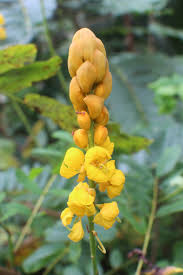
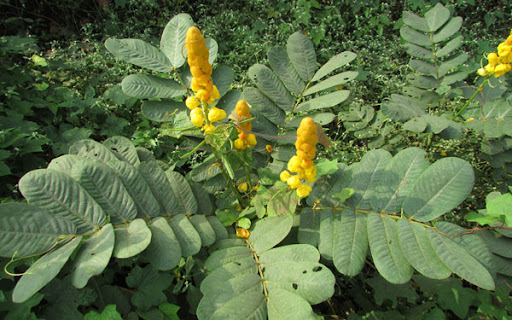
Cassia alata, Caesalpiniaceae
Introduction
Edagaja, also known as Elephant Creeper, is a powerful medicinal climber used in Ayurveda and traditional medicine. Its botanical name is Argyreia nervosa (also known as Argyreia speciosa).
In Ayurveda, Edagaja is mainly valued for its strength-giving, nerve-tonic, aphrodisiac, and rejuvenating properties. It is commonly used in weakness, joint pain, nervous disorders, and reproductive health problems.
Edagaja is a traditionally valued Ayurvedic herb known for supporting skin health, digestion, detoxification, and overall body balance. In Ayurveda, the herb is appreciated for its cleansing and soothing properties that help reduce toxin accumulation (Ama), support healthy metabolism, and maintain skin wellness naturally.
Edagaja is traditionally used in herbal preparations for:
- Skin purification
- Digestive support
- Blood cleansing
- Detoxification therapies
- Kapha and Pitta balance
Its bitter and cooling qualities make it especially useful in conditions involving skin irritation, itching, sluggish digestion, inflammatory imbalance, and excess body heat. Ayurveda also values the herb for helping maintain proper digestive fire while supporting the body’s natural cleansing processes.
Modern herbal understanding suggests that medicinal plants associated with Edagaja may possess antioxidant, antimicrobial, digestive-supportive, and anti-inflammatory properties that support many traditional Ayurvedic uses.
Botanical Description of Edagaja
🔹 Scientific Classification
- Traditional Ayurvedic Name: Edagaja
- Plant Type: Medicinal herb or shrub
- System of Medicine: Ayurveda
In different regional traditions, the exact botanical identification of Edagaja may vary according to local Ayurvedic practice.
General Habit of the Plant
Edagaja is traditionally described as a medicinal herbaceous plant known for its cleansing and therapeutic properties. It commonly grows in tropical and subtropical environments and is valued for its medicinal leaves and aerial parts.
General Characteristics:
- Green branched stems
- Soft medicinal foliage
- Seasonal growth habit
- Therapeutic leaves and roots
The herb is traditionally collected for use in Ayurvedic skin and digestive formulations.
Root System
- Fibrous root structure
- Moderately deep roots
- Supports growth in dry and semi-moist soils
Roots may also be used in certain traditional preparations.
Stem
- Soft green stem
- Branched growth habit
- Flexible and herbaceous texture
Stem Characteristics:
- Smooth or slightly rough surface
- Moisture-containing tissues
- Multiple side branches
Younger stems are usually tender and medicinally active.
Leaves of Edagaja
- Broad green leaves
- Soft textured surface
- Alternate or opposite arrangement depending on regional variety
Leaf Characteristics:
- Medium-sized leaves
- Prominent veins
- Slightly bitter taste
Leaves are commonly used in traditional external and internal Ayurvedic preparations.
Flowers
- Small seasonal flowers
- Pale yellow, white, or light-colored appearance
- Bloom during warm seasons
Flowering Season:
- Mostly during rainy and summer seasons
Flowers are generally less used medicinally than leaves and roots.
Fruits
- Small herbal fruits or seed-bearing structures
- Mature seasonally
- Contain seeds for propagation
Fruit characteristics may differ according to regional botanical identification.
Seeds
- Small medicinal seeds
- Used primarily for reproduction of the plant
Habitat & Distribution
Edagaja is traditionally found in:
- India
- Tropical and subtropical regions
- Forest margins
- Rural herbal landscapes
Commonly grows naturally in warm climates.
Preferred Growing Conditions
🔹 Climate
- Warm tropical climate
- Moderate rainfall preferred
🔹 Soil
- Well-drained fertile soil
- Can tolerate semi-dry conditions
🔹 Sunlight
- Partial to full sunlight
Thrives best in warm open environments.
Growth & Lifecycle
- Plant Type: Seasonal or perennial medicinal herb
- Growth Habit: Upright and branched
- Propagation: Mainly through seeds
Active growth usually occurs during warmer seasons.
Special Botanical Features
- Medicinal leaves and roots
- Bitter therapeutic nature
- Branched herbaceous growth
- Traditionally valued in skin and digestive wellness
Identification in Nature
Edagaja can generally be identified by:
- Green branched stems
- Broad medicinal leaves
- Seasonal flowers
- Bitter herbal characteristics
Traditional Ayurvedic practitioners often identify the plant through regional herbal knowledge.
Important Botanical Note
Because “Edagaja” may refer to regionally identified medicinal herbs in Ayurveda, proper botanical authentication by qualified Ayurvedic experts is important before medicinal use.
Summary
Edagaja is a traditionally important Ayurvedic medicinal herb known for its cleansing, cooling, and digestive-supportive nature. Its medicinal leaves, roots, and therapeutic properties make it traditionally useful for supporting skin wellness, digestion, detoxification, blood purification, and overall body balance naturally.
Ayurvedic Properties of Edagaja
Overview in Ayurveda
Edagaja is a traditionally valued Ayurvedic herb known for supporting skin health, digestion, detoxification, blood purification, and overall body balance. Ayurveda appreciates the herb for its cleansing, cooling, and metabolism-supportive properties, especially in conditions involving toxin accumulation (Ama), skin irritation, digestive sluggishness, and excess heat.
Its bitter and astringent nature makes it particularly beneficial in balancing Kapha and Pitta doshas, while helping maintain proper digestive fire and healthy body channels naturally.
🔹 Rasa (Taste)
Edagaja possesses:
- Tikta (Bitter)
- Kashaya (Astringent)
Ayurvedic Significance:
These tastes help:
- Reduce toxins (Ama)
- Purify blood and tissues
- Improve digestion
- Support skin cleansing
Bitter taste is highly valued in Ayurveda for detoxification and skin wellness.
🔹 Guna (Qualities)
- Laghu (Light)
- Ruksha (Dry)
Ayurvedic Significance:
These qualities help:
- Reduce heaviness and sluggishness
- Improve metabolism
- Dry excess moisture and Kapha accumulation
Light and dry qualities are especially useful in oily skin and Kapha-related disorders.
🔹 Virya (Potency)
- Shita Virya (Cooling Potency)
Benefits:
- Reduces excess body heat
- Calms skin irritation
- Supports Pitta balance
- Helps soothe inflammatory conditions
Cooling action makes Edagaja beneficial in heat-related skin and digestive disorders.
🔹Vipaka (Post-Digestive Effect)
- Katu Vipaka (Pungent post-digestive effect)
Benefits:
- Supports metabolism
- Helps reduce toxin accumulation
- Assists Kapha reduction
Promotes proper digestion and cleansing after metabolism.
🔹 Dosha Effect
Helps Balance:
- Kapha
- Pitta
Excessive use may aggravate Vata due to its drying qualities.
Particularly beneficial in:
- Skin irritation
- Sluggish digestion
- Excess heat
- Ama accumulation
Especially useful in Kapha-Pitta disorders.
Main Ayurvedic Actions of Edagaja
🔸 Kushtaghna
Traditionally supports:
- Skin purification
- Relief from itching
- Management of skin imbalance
Frequently used in Ayurvedic skin-supportive preparations.
🔸 Deepana
Helps:
- Stimulate digestive fire (Agni)
- Improve appetite and metabolism
🔸 Pachana
Supports digestion of:
- Ama (toxins)
- Metabolic waste accumulation
Important for maintaining digestive balance.
🔸 Raktashodhaka
Traditionally valued for:
- Blood purification
- Maintaining healthy skin appearance
🔸 Krimighna
Traditionally believed to help:
- Reduce harmful microbes
- Support cleansing of impurities
Effect on Agni (Digestive Fire)
Edagaja helps:
- Improve sluggish digestion
- Enhance metabolism
- Reduce heaviness and bloating
Useful when digestive weakness is associated with Kapha accumulation.
Role in Detoxification
Traditionally used to:
- Eliminate toxins (Ama)
- Purify blood and tissues
- Support natural cleansing pathways
Often included in detox-supportive Ayurvedic therapies.
Role in Skin Wellness
Edagaja is especially valued for:
- Maintaining healthy skin
- Reducing itching and irritation
- Supporting skin clarity and balance
Commonly used in both internal and external herbal applications.
Effect on Kapha & Pitta
🔹 For Kapha
Helps:
- Reduce excess oiliness
- Improve metabolism
- Reduce heaviness and sluggishness
🔹 For Pitta
Supports:
- Cooling and soothing effects
- Reduction of heat and irritation
- Skin comfort and purification
Balanced use helps maintain healthy skin and digestion.
Effect on Dhatus (Body Tissues)
Traditionally supports:
- Rakta Dhatu (blood tissue)
- Twak Dhatu (skin tissue)
- Rasa Dhatu (nutritive fluids)
Helps maintain tissue purification and nourishment.
Effect on Srotas (Body Channels)
Supports:
- Raktavaha Srotas (blood channels)
- Annavaha Srotas (digestive channels)
Helps maintain proper circulation, digestion, and detoxification.
Traditional Ayurvedic Uses
Edagaja is traditionally used for:
- Skin irritation
- Itching
- Digestive imbalance
- Blood purification
- Detoxification support
- Excess body heat
Ayurvedic Precautions
Excessive use may:
- Increase dryness
- Aggravate Vata in sensitive individuals
Use cautiously in:
- Excess Vata constitutions
- Severe weakness
- Very dry body conditions
Balanced use under Ayurvedic guidance is preferred.
Traditional Ayurvedic Preparations
Edagaja may be used in:
- Herbal decoctions
- Skin-supportive formulations
- Detox preparations
- Digestive wellness remedies
Summary
Edagaja is a cleansing and cooling Ayurvedic herb traditionally valued for supporting skin health, digestion, blood purification, detoxification, and metabolic balance. Its bitter, light, and Kapha-Pitta balancing properties make it especially beneficial in conditions involving skin irritation, Ama accumulation, digestive sluggishness, and excess heat.
When used properly in Ayurvedic care, Edagaja may help maintain healthy skin, improved digestion, natural detoxification, balanced metabolism, and overall wellness naturally.
Vernacular names
English : Candle bush, Ringworm shrub,
Hindi : Dadmurdan , Prapunnad
Tamil : Seemaiagathi
Malayalam : Simayakatti , Malamtakara,
Aanattakara
Kannada : Sime Agase
Marathi : Shimai Agase
Telugu : Avicicettu, Metta-tamara, Siima
Avise
Urdu : Ergaj
Conclusion
Edagaja is a traditionally respected Ayurvedic herb known for its beneficial role in supporting skin wellness, digestive health, detoxification, blood purification, and overall body balance. Ayurveda values this herb for its cleansing, cooling, and metabolism-supportive properties, which help maintain internal harmony and support the body’s natural healing processes.
Its bitter and astringent qualities make Edagaja especially useful in reducing Ama (toxins), balancing aggravated Kapha and Pitta doshas, and improving digestive efficiency. In Ayurvedic medicine, many disorders are believed to arise from poor digestion and toxin accumulation, and Edagaja is traditionally used to help restore healthy metabolism and proper functioning of body channels (Srotas).
One of the major traditional uses of Edagaja is in maintaining healthy skin naturally. Ayurveda considers healthy skin to be closely connected with balanced digestion and purified blood. Because of its cooling and cleansing nature, Edagaja is commonly used in conditions involving:
- Itching and irritation
- Skin impurities
- Excess heat and inflammation
- Minor skin discomforts
- Kapha-Pitta related skin imbalance
Its traditional blood-purifying action (Raktashodhaka) is believed to help improve skin clarity and support overall tissue health. Ayurvedic practitioners often include Edagaja in herbal formulations intended for internal cleansing and skin-supportive care.
Edagaja is also valued for its positive effect on digestion and metabolism. Its Deepana and Pachana properties help stimulate digestive fire (Agni), improve digestion, and assist in the removal of accumulated toxins from the body. This makes the herb traditionally beneficial in:
- Sluggish digestion
- Heaviness after meals
- Ama accumulation
- Digestive discomfort
- Poor metabolic balance
By supporting healthy digestion and natural detoxification, Edagaja helps maintain overall wellness and internal balance naturally.
Another important Ayurvedic aspect of Edagaja is its cooling potency (Shita Virya), which helps calm excess heat and irritation in the body. This cooling action makes it especially useful in Pitta-related conditions involving burning sensation, inflammation, and heat-related skin imbalance. At the same time, its light and dry qualities help reduce excessive Kapha accumulation such as heaviness, oiliness, and sluggishness.
Traditional Ayurvedic preparations may use Edagaja internally as herbal decoctions and powders, or externally in herbal pastes and applications for localized skin support. Its versatility and balancing nature have made it an important herb in many traditional wellness practices.
Modern herbal understanding also supports many of its traditional applications by highlighting potential antioxidant, antimicrobial, anti-inflammatory, and detox-supportive properties associated with medicinal plants identified regionally as Edagaja. These properties may contribute to its traditional role in supporting skin health, digestive wellness, and internal purification naturally.
Although traditionally considered beneficial, Edagaja should be used carefully and in balanced amounts because excessive use may increase dryness and aggravate Vata in sensitive individuals. Proper Ayurvedic guidance is recommended, especially for long-term therapeutic use.
Overall, Edagaja continues to hold an important place in Ayurveda as a natural herb for maintaining healthy skin, balanced digestion, purified blood, proper detoxification, metabolic harmony, and long-term wellness naturally.
