


Curcuma longa, Zingiberaceae
Introduction
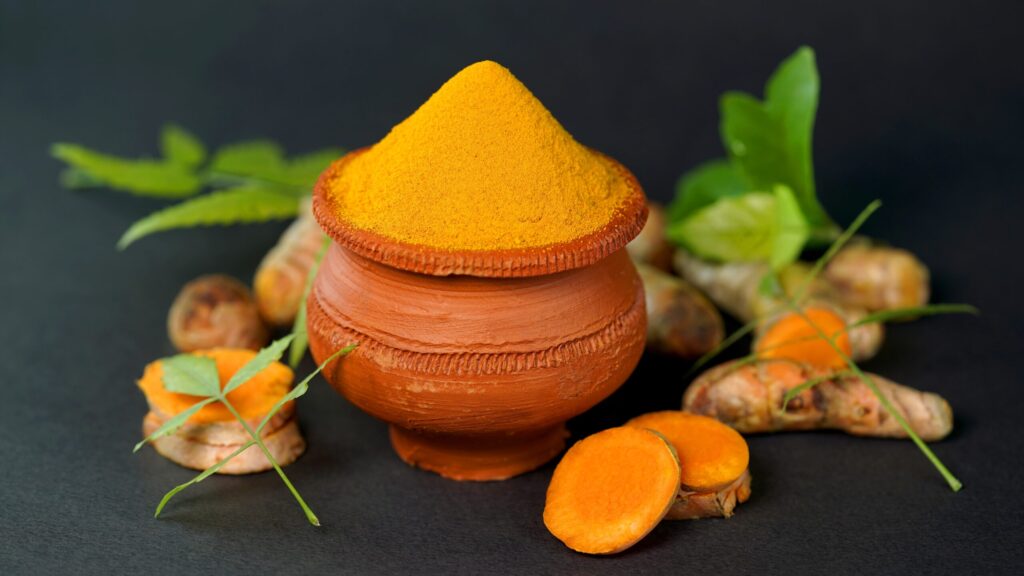
Haridra, commonly known as Turmeric, is one of the most important and widely used medicinal herbs in Ayurveda. It is called “The Golden Herb of India” because of its bright yellow color and extraordinary healing properties.
For thousands of years, Haridra has been mentioned in classical Ayurvedic texts such as Charaka Samhita and Sushruta Samhita as a powerful blood purifier, anti-inflammatory agent, and immunity booster.
In almost every Indian household, turmeric is used daily in food, rituals, cosmetics, and medicines. It is considered a symbol of purity, health, and prosperity.
Haridra, commonly known as Turmeric, is one of the most respected and widely used herbs in Ayurveda for promoting skin health, immunity, digestion, detoxification, and overall wellness. Scientifically identified as Curcuma longa, Haridra has been valued for thousands of years in traditional Ayurvedic medicine, natural healing practices, and daily nutrition.
Known for its bright golden-yellow rhizome and powerful medicinal properties, Haridra is traditionally used to support the body’s natural healing processes, purify the blood, improve digestion, and strengthen immunity. Ayurveda considers it especially beneficial for balancing Kapha and Pitta doshas, while helping reduce toxin accumulation (Ama) and inflammatory conditions.
Haridra is widely used in Ayurvedic therapies for:
- Skin disorders
- Wound healing
- Respiratory wellness
- Joint comfort
- Liver support
- Digestive balance
It is also commonly included in herbal formulations, beauty applications, detox remedies, and immunity-supportive preparations such as golden milk.
Modern scientific studies suggest that Haridra contains powerful bioactive compounds like curcumin, antioxidants, essential oils, and anti-inflammatory phytochemicals, which support many of its traditional Ayurvedic uses.
Due to its rejuvenating, cleansing, and protective nature, Haridra continues to be one of the most important herbs for maintaining healthy skin, stronger immunity, improved digestion, natural detoxification, and long-term wellness naturally.
What is Haridra?
Haridra, commonly known as Haldi or Turmeric, holds a special place in Indian culture and Ayurveda. Widely used in spiritual rituals and traditional ceremonies like the Haldi function in Indian weddings, it symbolizes purification and prosperity. Revered as “Haridra”, “Nisha”, or “Gauri”, this golden spice is more than a culinary ingredient—it is a powerhouse of medicinal benefits used for centuries in Ayurvedic healing.
In Ayurveda, Haridra is revered for its powerful antibacterial, antifungal, and anti-allergic,anti cancerous properties. It is widely used in skincare formulations to promote glowing, healthy skin and to manage various skin disorders. In this blog, we will explore the multiple effects of Haridra on our body—ranging from its powerful healing properties for the skin to its role in boosting immunity, supporting digestion, and balancing the doshas in Ayurveda.
Ayurvedic Properties of Haridra
Scientific Name–Curcuma longa
Family-ZingiberaceaeRasa (Taste): Tikta (Bitter), Katu (Pungent)
Guna (Qualities): Laghu (Light), Ruksha (Dry)
Virya (Potency): Ushna (Hot)
Vipaka (Post-digestive effect): Katu (Pungent)
Dosha Action: Pacifies Kapha and Pitta
Karmukta-
Krimighna – Anti-parasitic and antimicrobial
Kusthaghna – Useful in treating skin disorders
Vishaghna – Detoxifying; neutralizes toxins
Varnya – Improves complexion and skin glow
Shothaghna – Reduces inflammation and swelling
Vedanasthapana – Analgesic; relieves pain
Lekhaniya – Scrapes away excess fat and ama (toxins)
Jwaraghna – Antipyretic; helps reduce fever
Kandughna – Relieves itching
Raktashodhaka – Purifies the blood
Classical Ayurvedic Text References of Haridra
हरिद्रा तिक्ता कटुका उष्णा लघ्वी कफवातजित्।
कुष्ठशोथविषघ्नी च कन्यकाऽग्न्यनिलापहा॥
Haridra is bitter and pungent in taste, hot in potency, and light to digest. It pacifies Kapha and Vata doshas. It is highly effective in skin disorders (Kushta), inflammation (Shotha), and acts as an excellent antidote to toxins (Vishaghni). It also improves digestion and appetite, and alleviates gynecological issues.
Benefits Of Haridra

1. Natural Blood Purifier
Haridra (Turmeric) is widely recognized in Ayurveda as a powerful Raktashodhaka (blood purifier). It helps eliminate toxins (ama) from the blood, balances Pitta dosha, and supports healthy skin and liver function. In the modern view, turmeric’s active compound curcumin exhibits strong antioxidant and anti-inflammatory properties, which help in detoxifying the blood, improving circulation, and protecting tissues from oxidative damage—supporting its traditional use as a natural blood purifier.
2. Acts as Anti Bacterial and Anti microbial agent
Haridra (Turmeric) is well known in Ayurveda for its Krimighna and Vishaghna properties, meaning it helps destroy harmful microbes and neutralize toxins. It is commonly used in treating skin infections, wounds, and allergic conditions due to its natural antibacterial and antimicrobial action. From a modern scientific perspective, turmeric contains curcumin, which has been proven to inhibit the growth of various bacteria, fungi, and viruses.
3. Anti-Allergic and Anti-Inflammatory
Haridra (Turmeric) is praised in Ayurveda for its Shothaghna (anti-inflammatory) and Kandughna (anti-itching/anti-allergic) properties. It helps in calming allergic reactions, skin rashes, and inflammatory conditions by balancing Pitta and Kapha doshas. In the modern view, turmeric’s active compound curcumin exhibits strong anti-inflammatory effects by inhibiting inflammatory enzymes like COX-2 and reducing histamine release, which plays a key role in allergic responses. This makes Haridra highly effective in managing allergies, asthma, eczema, and joint inflammation naturally.
4. Improves Digestion
In Ayurveda, Haridra (Turmeric) is known to enhance digestion through its Deepana (appetizer) and Pachana (digestive) properties. It stimulates Agni (digestive fire), reduces Ama (toxins), and helps in managing digestive disorders like bloating, indigestion, and worm infestation. Haridra also balances Kapha and Vata, which are often involved in gastrointestinal disturbances.
5. Heals Wounds
In Ayurveda, Haridra (Turmeric) is valued for its Vranaropana (wound-healing) and Raktashodhaka (blood-purifying) properties. It is applied topically to promote faster healing, reduce swelling, prevent infection, and support tissue regeneration. Its antiseptic, anti-inflammatory, and astringent actions help cleanse wounds and enhance natural healing.From the modern perspective, turmeric’s active compound curcumin accelerates wound healing by reducing inflammation, stimulating collagen production, and fighting microbial infections. Its antioxidant effect protects the wound area from oxidative stress, supporting quicker and cleaner healing—validating its traditional use in treating cuts, burns, and skin injuries.
6. Acts As Anti Diabetic
Owing to its Tikta (bitter) and Katu (pungent) taste, Ushna Virya (hot potency), and Kapha-Medohara properties, Haridra helps reduce excess Meda (fat) and Kapha, which are primary culprits in type 2 diabetes.From a modern standpoint, Curcumin, the active compound in Haridra, exhibits insulin-sensitizing, anti-inflammatory, and antioxidant effects. It enhances glucose uptake, reduces insulin resistance, and lowers oxidative stress, thereby helping in glycemic control and preventing diabetic complications such as neuropathy and nephropathy
7. Acts as Anti Cancerous
In Ayurveda, Haridra is revered as a “Vishaghna” (antitoxic) and “Krimighna” (antimicrobial) herb with potent detoxifying and tissue-cleansing properties. It is traditionally used to purify Rakta (blood), eliminate Aama (toxins), and regulate cellular metabolism, which are considered key in preventing the abnormal growth of cells or Arbuda (tumors).Modern research supports Haridra’s anti-cancerous potential, primarily due to its active compound Curcumin. Curcumin exhibits antioxidant, anti-inflammatory, anti-proliferative, and pro-apoptotic effects. It has been found to inhibit the growth of various cancer cells, including breast, colon, prostate, lung, and skin cancers, by disrupting cancer cell signaling pathways, inducing programmed cell death (apoptosis), and preventing angiogenesis (formation of new blood vessels in tumors).
8. Acts as Natural Antioxidant
In Ayurveda, Haridra is known to purify the blood, remove Ama (toxins), and enhance Rasa and Rakta Dhatu (plasma and blood tissues), which contributes to better tissue nourishment and disease resistance. Its Tikta (bitter) and Katu (pungent) taste, combined with Ushna Virya (hot potency), helps in neutralizing oxidative stress by enhancing cellular metabolism and eliminating metabolic waste. From a modern scientific perspective, the active compound Curcumin in Haridra acts as a powerful antioxidant. It scavenges free radicals, boosts the body’s own antioxidant enzymes like glutathione, and prevents oxidative damage to DNA, lipids, and proteins.
9. Menstrual & Uterine Support
Haridra balances Pitta and Kapha, which are often involved in menstrual imbalances. From a modern view, Curcumin, the active compound in Haridra, exhibits anti-inflammatory, antispasmodic, and hormone-regulating effects. It helps reduce uterine cramps, pelvic pain, and symptoms associated with PCOS, endometriosis, and fibroids. Its gentle action also supports post-partum uterine recovery and hormonal balance without disrupting the natural menstrual cycle.
10. Helpful in Joint Disorders
Haridra, with its Tikta-Katu Rasa, Ushna Virya, and Deepana-Pachana (digestive and toxin-clearing) properties, helps in digesting Ama, reducing inflammation, and relieving stiffness and swelling in joints. It also acts as a Shothahara (anti-inflammatory) and Vedanasthapana (pain-relieving) herb, making it ideal for chronic joint disorders. From a modern medical view, Curcumin in Haridra has shown strong anti-inflammatory effects by inhibiting inflammatory mediators like COX-2 and TNF-alpha. Studies suggest that Curcumin can be as effective as some non-steroidal anti-inflammatory drugs (NSAIDs) in reducing pain and improving joint mobility in arthritis, without the side effects commonly associated with synthetic drugs.
Botanical Profile of Haridra
- Scientific Name: Curcuma longa
- Family: Zingiberaceae
- Common Names:
- Hindi: Haldi / Haridra
- Sanskrit: Haridra
- English: Turmeric
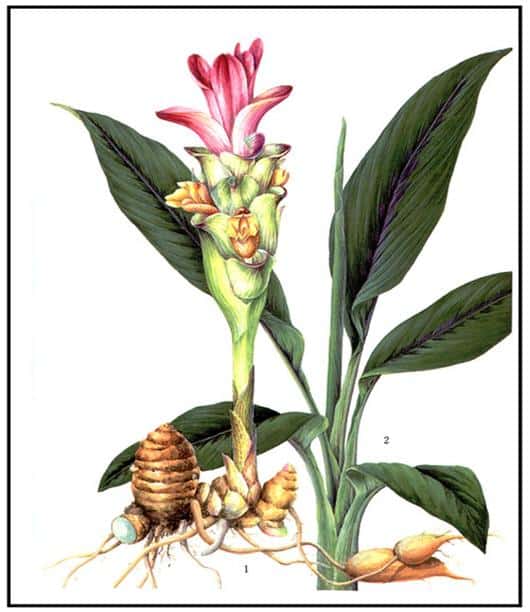
Haridra is a perennial herb grown mainly for its underground rhizomes, which are dried and powdered to make turmeric.
Physical Description of Haridra Plant
Haridra is a short, leafy plant grown in tropical regions.
Main Features
- Height: 60–90 cm
- Large green leaves
- Yellow-orange rhizomes
- Pale yellow flowers
The rhizome is the medicinally useful part.
Historical and Cultural Importance
Haridra has been used in India for more than 4,000 years. It has religious, cultural, and medicinal importance.
Cultural Uses
- Applied in wedding ceremonies
- Used in religious rituals
- Worn for protection and purity
- Used in traditional cosmetics (Ubtan)
In ancient times, turmeric was also used as a natural antiseptic and wound healer in villages.
Active Compounds in Haridra
Haridra contains powerful bioactive compounds:
- Curcumin (main active ingredient)
- Demethoxycurcumin
- Volatile oils
- Tannins
- Polysaccharides
- Antioxidants
Curcumin is mainly responsible for turmeric’s anti-inflammatory, antibacterial, and anti-cancer properties.
Dosha Effect
Haridra balances:
- Kapha Dosha – Removes mucus and toxins
- Vata Dosha – Improves circulation
- Pitta (in moderation) – Purifies blood
Therefore, it is especially useful in Kapha-related disorders.
Forms of Haridra Used in Ayurveda
Haridra is available in many forms:
Powder
Most common form used daily.
Capsules/Tablets
For convenient use.
Fresh Rhizome
Used in traditional remedies.
Turmeric Milk
Popular immunity drink.
Paste
Used externally for wounds and skin.
Recommended Dosage of Haridra
| Form | Daily Dose |
|---|---|
| Powder | 1–3 grams |
| Capsule | 500–1000 mg |
| Fresh Rhizome | 2–5 grams |
| Turmeric Milk | 1 cup daily |
Long-term use should be guided by an Ayurvedic doctor.
How to Prepare Turmeric Milk (Golden Milk)
Ingredients
- 1 cup milk
- ½ teaspoon turmeric powder
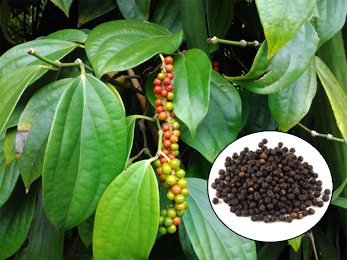
- Black pepper (pinch)
- Honey (optional)
Method
- Boil milk
- Add turmeric and pepper
- Mix well
- Drink warm at night
This improves immunity and sleep quality.
Haridra for Specific Health Problems
For Immunity
Drink turmeric milk daily.
For Joint Pain
Take turmeric powder with warm water.
For Skin Problems
Internal use + external paste.
For Cough and Cold
Mix turmeric with honey.
For Wound Healing
Apply turmeric paste directly.
Cultivation of Haridra
Haridra is easy to grow in Indian climate.
Climate
- Warm and humid
- Tropical regions
Soil
- Well-drained loamy soil
- Rich in organic matter
Propagation
- Rhizome planting
Plantation Method
- Plant in rainy season
- Space properly
- Water regularly
Harvesting
- After 7–9 months
- When leaves turn yellow
Side Effects of Haridra
Haridra is generally safe, but excessive use may cause:
- Stomach upset
- Acidity
- Nausea
- Low blood pressure (rare)
Who Should Avoid Haridra?
Consult a doctor if you are:
- Pregnant (high doses)
- On blood-thinning medicines
- Having gallbladder problems
- Undergoing surgery
Important Precautions
- Use pure, organic turmeric
- Avoid adulterated products
- Take with black pepper for better absorption
- Follow recommended dose
- Store in dry place
Frequently Asked Questions (FAQ)
Q1. Can I take turmeric daily?
Yes, in moderate dose it is safe daily.
Q2. Is raw turmeric better than powder?
Both are useful; fresh is more potent.
Q3. Does turmeric help in weight loss?
Yes, it improves metabolism and reduces fat inflammation.
Q4. Is turmeric good for children?
Yes, in small amounts.
Q5. When is the best time to take turmeric?
At night with milk or morning with warm water.
Conclusion
Haridra (Turmeric) is truly a golden gift of Ayurveda. From boosting immunity and improving digestion to healing skin, joints, liver, and heart, it supports overall health in a natural way.
When used regularly in proper dosage, Haridra promotes long life, strength, and disease resistance. It represents the perfect combination of food and medicine.
For best results, combine turmeric use with a balanced diet, exercise, and healthy lifestyle.
Haridra, scientifically known as Curcuma longa, is one of the most treasured herbs in Ayurveda for promoting skin health, immunity, digestion, detoxification, and overall wellness. Revered for centuries as a powerful healing and rejuvenating herb, Haridra is widely used in Ayurvedic medicine, traditional remedies, and daily nutrition for maintaining balance and vitality naturally.
Its warming, cleansing, and anti-inflammatory properties help balance Kapha and Pitta doshas, making it especially beneficial in conditions involving skin irritation, toxin accumulation, respiratory congestion, sluggish digestion, and inflammatory discomfort. Haridra is also highly valued for supporting the body’s natural healing processes, blood purification, and immune resilience.
When used properly and in moderation as part of a healthy lifestyle, Haridra offers a natural and holistic approach to maintaining healthy skin, stronger immunity, improved digestion, detoxification, and long-term wellness naturally.
