

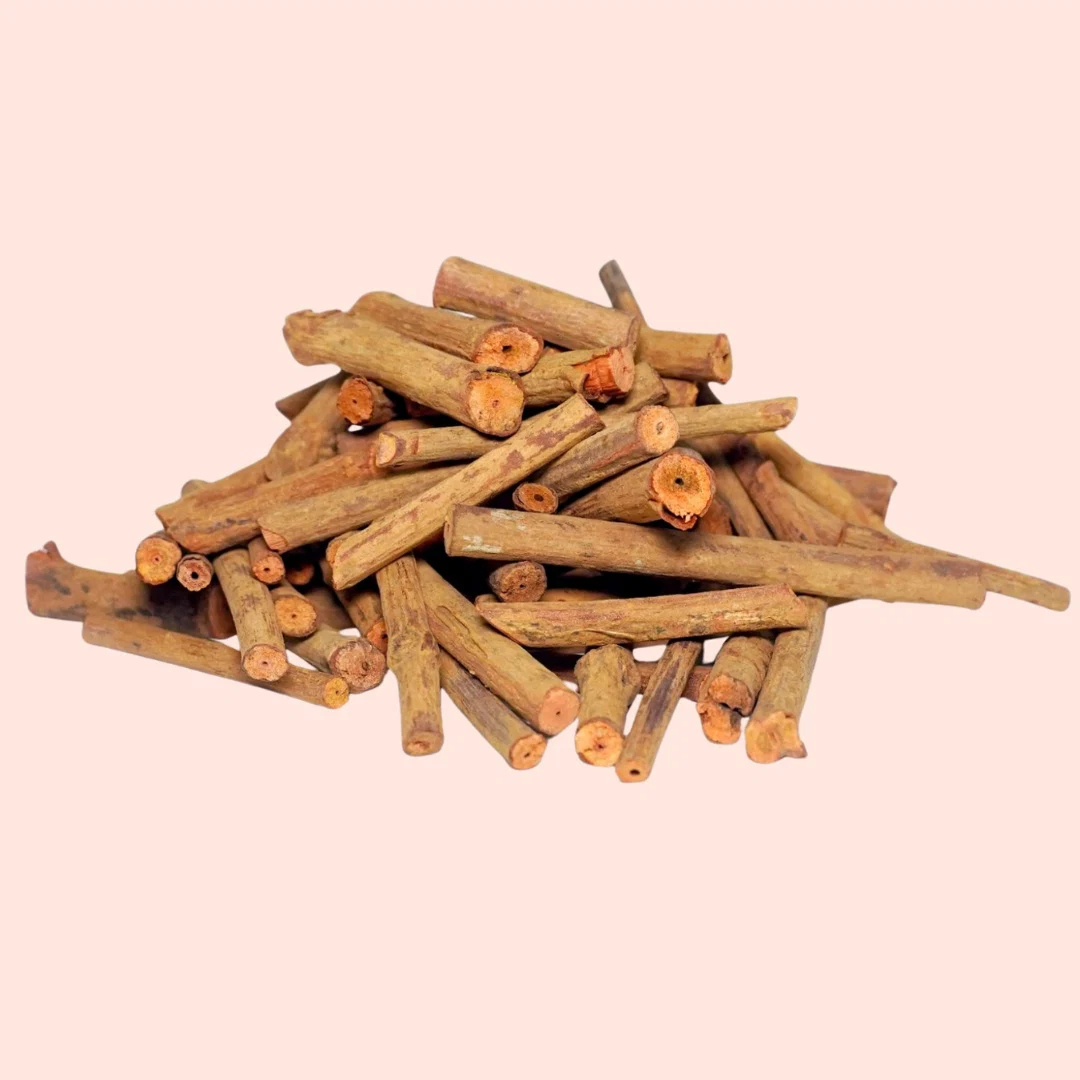
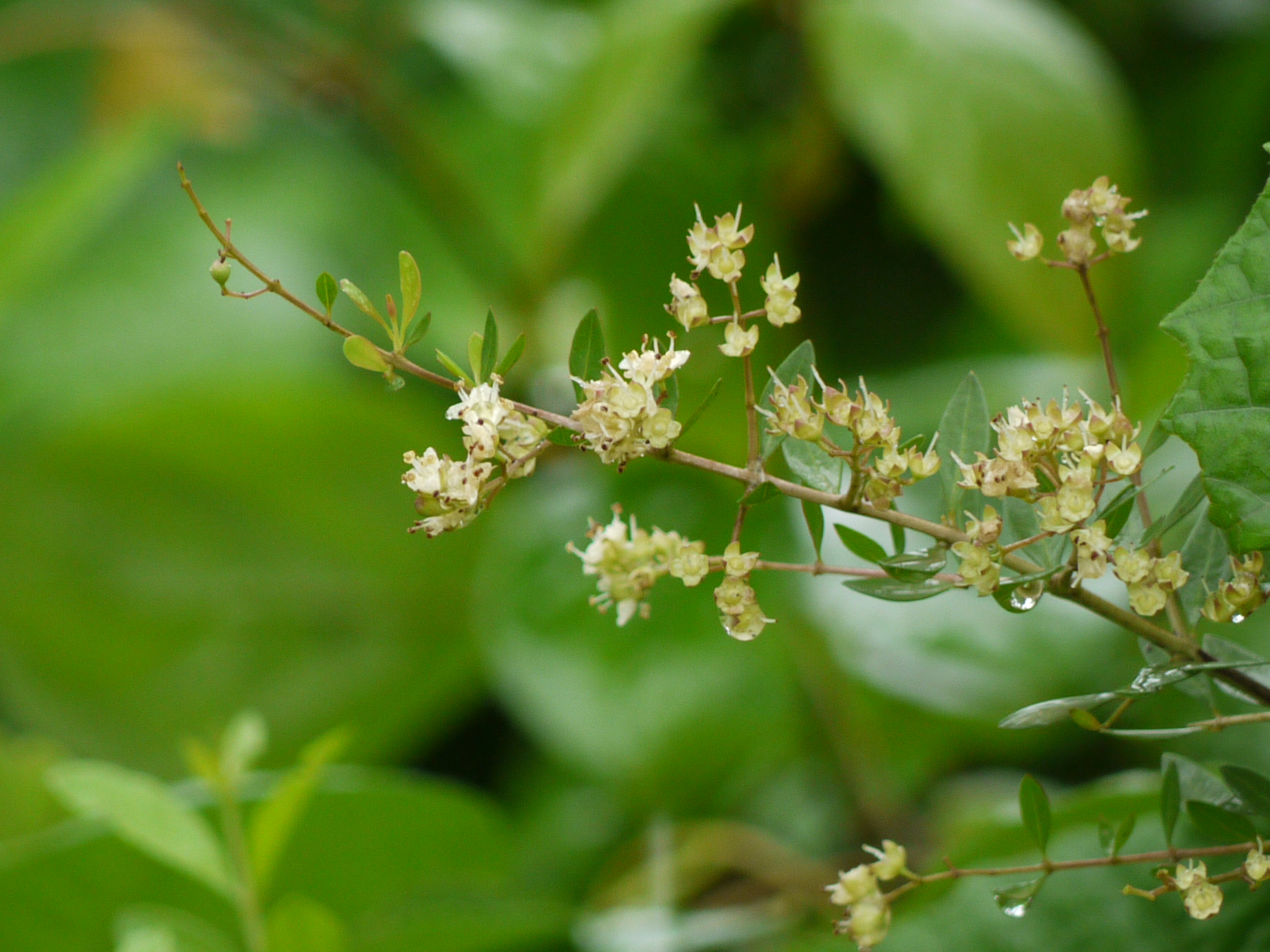

Ferula foetida, Apiaceae
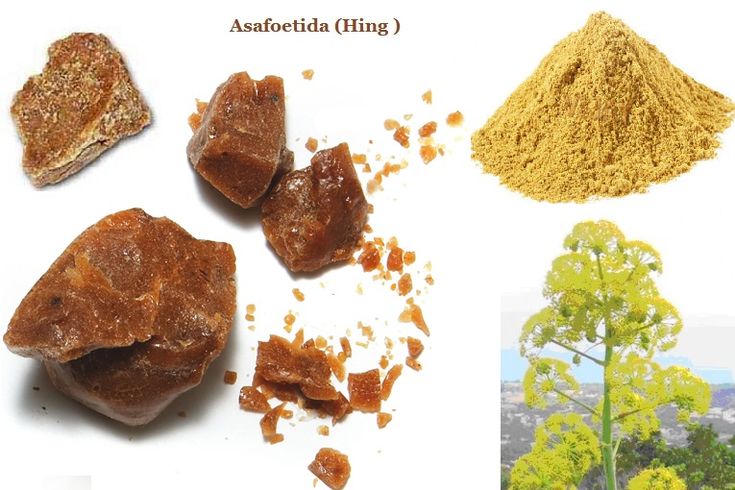
Introduction to Hingu
Hingu, commonly known as Asafoetida, is one of the most valued spices and medicinal substances in Ayurveda for supporting digestion, gas relief, respiratory health, and overall wellness. Scientifically identified as Ferula assa-foetida, Hingu is obtained from the dried latex resin of the plant’s roots and stem.
Known for its strong aroma and powerful therapeutic action, Hingu has been used in traditional Ayurvedic medicine for centuries to help relieve bloating, indigestion, abdominal discomfort, cough, cold, and respiratory congestion. Its warming and penetrating nature makes it especially beneficial for balancing Vata and Kapha doshas.
In Ayurvedic practice, Hingu is widely used to stimulate digestive fire (Agni), improve metabolism, reduce toxin accumulation (Ama), and support healthy intestinal function. It is also valued for its antimicrobial and carminative properties that help maintain digestive and respiratory comfort naturally.
Modern studies suggest that Hingu may possess anti-inflammatory, antioxidant, antimicrobial, antispasmodic, and digestive-supportive properties, supporting many of its traditional uses.
Botanical Information
Hingu, scientifically known as Ferula assa-foetida, is a perennial medicinal herb famous for producing the strong-smelling resin known as asafoetida or hing. It belongs to the Apiaceae family and is widely valued in Ayurveda and traditional medicine for its digestive and therapeutic properties.
🔹 Scientific Classification
- Kingdom: Plantae
- Order: Apiales
- Family: Apiaceae
- Genus: Ferula
- Species: F. assa-foetida
General Habit
Hingu is a large perennial herbaceous plant that grows in dry and mountainous regions. It develops thick fleshy roots and produces medicinal resin extracted from the root and lower stem.
🔸 Root System
- Thick, fleshy taproot
- Large underground storage root
- Rich in medicinal latex resin
The root is the main source of asafoetida resin.
🔸 Stem
- Thick, hollow, and erect stem
- Smooth green surface
- Can grow up to 2–3 meters tall
The stem develops after several years of root growth.
🔸 Leaves
- Large feathery leaves
- Finely divided segments
- Soft green appearance
Leaves resemble fennel or carrot family plants.
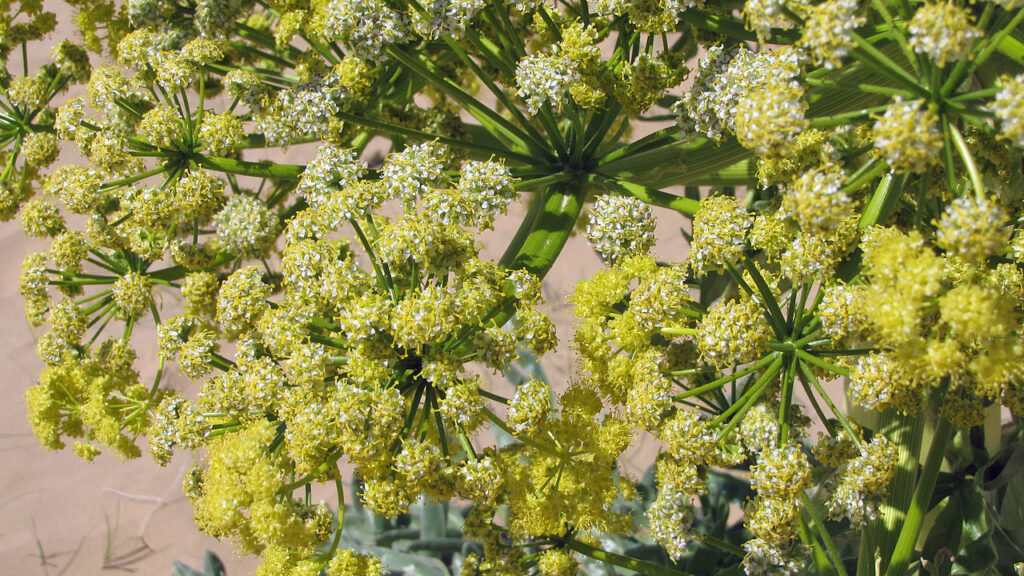
🔸 Flowers
- Small yellow flowers
- Arranged in large umbrella-shaped clusters (umbels)
- Bloom during warm seasons
Typical flowering structure of Apiaceae family plants.
🔸 Fruits
- Flat oval-shaped fruits
- Light brown when mature
- Contain aromatic seeds
Fruits are less commonly used medicinally.
🔸 Resin (Medicinal Part)
The medicinal asafoetida resin is obtained by:
- Cutting the root or lower stem
- Collecting the milky latex
- Drying it into gum-resin form
This resin is known for its strong pungent odor and therapeutic value.
Habitat & Distribution
Hingu is native to:
- Iran
- Afghanistan
- Central Asia
Widely exported and used in:
- India
- Middle Eastern countries
Thrives in dry mountainous regions.
Growth Conditions
- Soil: Sandy, dry, well-drained soil
- Water: Low to moderate requirement
- Sunlight: Full sunlight
- Climate: Dry temperate and semi-arid climate
Highly adapted to drought conditions.
Growth & Lifecycle
- Type: Perennial herb
- Growth Rate: Slow initial root development
- Flowering Season: Spring to summer
- Lifecycle: Flowers after several years of vegetative growth
Special Botanical Features
- Strong-smelling medicinal resin
- Thick underground root system
- Tall hollow flowering stem
- Umbrella-shaped flower clusters
Identification in Nature
Hingu can be identified by:
- Tall hollow stems
- Large feathery leaves
- Yellow umbel flowers
- Strong pungent resin odor
Summary
Hingu (Ferula assa-foetida) is a perennial medicinal herb known for its pungent therapeutic resin extracted from its thick roots and stem base. Its tall hollow stems, feathery leaves, and aromatic gum-resin make it one of Ayurveda’s most important herbs for supporting digestion, gas relief, respiratory wellness, and circulation.
Plant Description
Hingu is obtained from the resin (gum) of the roots of the Ferula plant. This plant grows mainly in:
- Iran
- Afghanistan
- Central Asia
- Parts of India
The milky latex from the roots is dried to form Hing resin, which is later powdered and used as medicine and spice.
Ayurvedic Properties (Detailed)
Hingu, botanically known as Ferula assa-foetida, is one of the most powerful Ayurvedic herbs and spices for supporting digestion, gas relief, respiratory health, circulation, and Vata balance. Its sharp, warming, and penetrating nature makes it especially effective in disorders caused by Vata and Kapha aggravation, particularly bloating, indigestion, abdominal discomfort, and mucus congestion.
🔹 Rasa (Taste)
- Katu (Pungent)
- Tikta (Bitter)
These tastes help:
- Stimulate digestive fire (Agni)
- Reduce gas and mucus
- Improve circulation
- Remove toxins (Ama)
🔹 Guna (Qualities)
- Laghu (Light)
- Tikshna (Sharp/Penetrating)
These qualities support:
- Quick digestive stimulation
- Clearing blockages in channels
- Reduction of heaviness and stagnation
🔹 Virya (Potency)
- Ushna (Hot/Warming)
Heating potency helps:
- Relieve cold digestive conditions
- Improve circulation
- Reduce Vata and Kapha imbalance
🔹 Vipaka (Post-digestive Effect)
- Katu (Pungent Vipaka)
This contributes to:
- Reduced Kapha accumulation
- Better metabolic activity
- Continued digestive stimulation
🔹 Dosha Effect (Doshic Action)
- Strongly pacifies Vata
- Reduces Kapha
- May aggravate Pitta in excess
Particularly beneficial in:
- Gas and bloating
- Cold digestion
- Respiratory congestion
Functional Ayurvedic Actions
Hingu possesses several important Ayurvedic actions:
🔹 Deepana (Digestive Stimulant)
Helps:
- Stimulate appetite
- Improve digestive fire
- Enhance metabolism
🔹 Pachana (Ama Digesting)
Supports digestion of:
- Ama (toxins)
- Undigested food accumulation
🔹 Vatanulomana
Helps regulate:
- Gas movement
- Intestinal air balance
- Abdominal comfort
🔹 Shulahara (Pain Relieving)
Traditionally used for:
- Colicky pain
- Abdominal cramps
- Digestive discomfort
🔹 Kasahara
Helps reduce:
- Cough
- Mucus accumulation
- Respiratory congestion
🔹 Krimighna
Helps combat:
- Intestinal microbes
- Worms and parasites
Effect on Agni (Digestive Fire)
Hingu:
- Strongly stimulates Agni
- Improves sluggish digestion
- Reduces fermentation and gas formation
One of Ayurveda’s best herbs for weak digestion with bloating.
Effect on Dhatus (Body Tissues)
Hingu mainly acts on:
- Annavaha system (Digestive tissues): Enhances digestion and absorption
- Pranavaha system (Respiratory tissues): Clears congestion
- Rasa Dhatu (Plasma): Improves circulation and movement
Strongest action is on the digestive and respiratory systems.
Role in Digestion & Gas Relief
Hingu is traditionally used for:
- Flatulence
- Indigestion
- Bloating
- Abdominal heaviness
- Colic pain
Especially effective in Vata-related digestive disorders.
Role in Respiratory Health
Its warming and penetrating nature helps:
- Reduce mucus accumulation
- Relieve cough
- Support easier breathing
Useful in Kapha-type respiratory congestion.
Effect on Srotas (Body Channels)
Hingu supports:
- Annavaha Srotas (digestive channels)
- Pranavaha Srotas (respiratory channels)
Helps clear obstruction and improve flow.
Dosha-Specific Benefits
🔹 For Vata
- Strongly beneficial
- Reduces gas, dryness, and abdominal discomfort
🔹 For Kapha
- Helps clear mucus and sluggishness
- Improves metabolism
🔹 For Pitta
- Use moderately in individuals with high heat or acidity
- Excess may increase irritation
Practical Ayurvedic Insight
- Commonly used:
- In cooking for digestion
- In Ayurvedic digestive formulations
- Often combined with:
- Ajwain (gas relief)
- Ginger (warming digestion)
- Black pepper (circulation support)
Combination enhances digestive and respiratory benefits.
Ayurvedic Precautions
- Excessive use may:
- Increase acidity
- Cause burning sensation
- Aggravate Pitta
Avoid excessive use in:
- Gastric ulcers
- High acidity
- Pregnancy in large doses
Culinary use in moderate amounts is generally preferred.
Summary
Hingu (Ferula assa-foetida) is a pungent, bitter, and strongly warming Ayurvedic herb known for its exceptional ability to support digestion, gas relief, respiratory wellness, and circulation. Its sharp and penetrating qualities help balance Vata and Kapha doshas, especially in conditions involving bloating, indigestion, abdominal discomfort, cough, and mucus congestion.
When used properly in moderation, Hingu provides a natural and effective approach to maintaining healthy digestion, reduced gas, improved respiratory comfort, and overall wellness.
Health Benefits of Hingu
1. Improves Digestion
Hingu is best known for digestive health.
Benefits:
- Reduces gas and bloating
- Improves appetite
- Relieves indigestion
- Prevents stomach cramps
It strengthens digestive fire (Agni).
2. Relieves Gas and Acidity
Hingu is a natural carminative (removes gas).
- Treats flatulence
- Reduces acidity
- Controls burping
- Prevents abdominal pain
That is why it is used in most Indian dishes.
3. Helps in Constipation
Hingu improves bowel movement.
- Softens stool
- Reduces dryness
- Improves intestinal function
It is helpful in mild constipation.
4. Supports Respiratory Health
Hingu is useful in respiratory problems.
Benefits:
- Reduces cough
- Clears mucus
- Helps in asthma
- Improves breathing
It works as an expectorant.
5. Improves Nervous System
In Ayurveda, Hingu is considered good for nerves.
- Reduces anxiety
- Controls nervous weakness
- Improves focus
- Reduces stress
It strengthens nervous tissues.
6. Helps in Menstrual Problems
Hingu is useful for women’s health.
Benefits:
- Reduces menstrual pain
- Regulates periods
- Relieves cramps
- Improves circulation
It is often used in traditional remedies.
7. Antibacterial and Antifungal
Hingu has natural antimicrobial properties.
- Fights infections
- Protects gut health
- Improves immunity
- Prevents food poisoning
8. Supports Heart Health
Hingu helps in improving blood circulation.
- Reduces cholesterol
- Prevents blood clotting
- Improves heart function
It supports overall cardiovascular health.
Uses of Hingu in Ayurveda
Hingu is used in many Ayurvedic medicines such as:
- Hingvashtak Churna
- Hingu Taila
- Hingu Vati
- Panchakola Churna
It is also used in home remedies and cooking.
Forms of Hingu Available
1. Raw Hing Resin
Pure but very strong.
2. Hing Powder
Most commonly used.
3. Hing Tablets (Vati)
Easy to consume.
4. Hing Oil
Used externally for pain.
Best Time to Take Hingu
- For digestion → After meals
- For gas → With warm water
- For constipation → At night
- For cramps → As prescribed
Home Remedies Using Hingu
For Gas and Indigestion
Mix:
- A pinch of Hing
- Warm water
Drink after meals.
For Stomach Pain
Mix:
- Hing + Ghee
Apply on navel area.
For Cough
Mix:
- Hing + Honey
Take once daily.
For Toothache
Apply:
- Hing paste on affected tooth.
Side Effects of Hingu
Excess use may cause:
- Burning sensation
- Acidity
- Mouth irritation
- Headache
- Increased Pitta
Avoid overdose.
Precautions
- Do not use in excess
- Avoid during pregnancy
- Use pure Hing
- Avoid in ulcers
- Consult doctor if on medicine
Hingu in Modern Research
Modern studies show that Hingu has:
- Anti-inflammatory effects
- Digestive support
- Antioxidant activity
- Antimicrobial properties
This supports its traditional Ayurvedic use.
Importance of Hingu in Daily Life
Regular use of Hing in food:
- Improves digestion
- Prevents gas
- Enhances taste
- Protects gut health
- Supports immunity
That is why Hing is called “Kitchen Medicine” in India.
Vernacular names
Assamese : Hing
Bengali : Hing
English : Asfoetida
Gujrati : Hing, Vagharni
Hindi : Hing, Hingda
Kannada : Hing, Ingu
Kashmiri : Eng
Malayalam : Kayam
Marathi : Hing, Hira, Hing
Oriya : Hengu, Hingu
Punjabi : Hing
Tamil : Perungayam
Telugu : Inguva
Urdu : Hitleet, Hing
Medicinal Uses
- Dysmennohea: Intake of 100ml
of buttermilk with a pinch of
Asafoetida(Hing), 1/2 teaspoon
of Fenugreek(Methi) powder and
little salt twice daily for 3 days is
beneficial.
- Toothache: Mix ½ teaspoon of
Asafoetida(Heeng) powder in 2
teaspoons of lime juice and heat
the solution slightly. Dip a small
cotton ball in the solution and
place it on the aching place for
20-30 minutes to get relief. - Headache: Prepare the paste of
1 part of hingu, 1 part of dry
ginger, 1 part of camphor, 2 parts
of tailed pepper by adding some
milk. External application of this
fine paste on the forehead to
cure tension headaches as well as
migraine. - Flatulence: Mix 1gm of dry
ginger powder, a pinch of Hing,
little black salt added in 100ml
of warm water or butter mik and
consume twice daily. - Indigestion: Take 5gms of
powder prepared from equal
quantity of dried ginger, long
pepper, curry leaves, ajwain,
black pepper, Cumin and
Asafoetida(Heeng) with a little
ghee and salt and taken with
the first bolus of food is useful in
indigestion and flatulance etc. - Piles: Regular intake of 100 ml of
buttermilk with a pinch of hing
twice or thrice a day is highly
beneficial in piles.
Conclusion
Hingu is a powerful natural medicine gifted by nature. It plays a major role in improving digestion, relieving gas, strengthening nerves, and balancing Vata-Kapha dosha. When used in proper quantity, it helps in maintaining overall health and wellness.
From kitchen spice to Ayurvedic medicine, Hingu remains an essential part of Indian tradition.
Hingu, scientifically known as Ferula assa-foetida, is one of Ayurveda’s most powerful herbs and culinary spices for supporting digestion, gas relief, respiratory wellness, and metabolic balance. Its pungent, warming, and penetrating properties make it especially effective in balancing Vata and Kapha doshas, particularly in conditions involving bloating, indigestion, abdominal discomfort, and mucus congestion.
For centuries, Hingu has been widely used in Ayurvedic medicine and traditional cooking to stimulate digestive fire (Agni), improve appetite, reduce toxin accumulation (Ama), and support healthy intestinal function. Its antimicrobial and antispasmodic properties further enhance its role in maintaining digestive and respiratory comfort naturally.
When used appropriately and in moderate amounts, Hingu offers a simple yet highly effective natural remedy for maintaining healthy digestion, reduced gas, improved circulation, respiratory comfort, and overall wellness. Combined with a balanced diet and healthy lifestyle, it continues to remain an essential herb in traditional Ayurvedic healthcare.
