

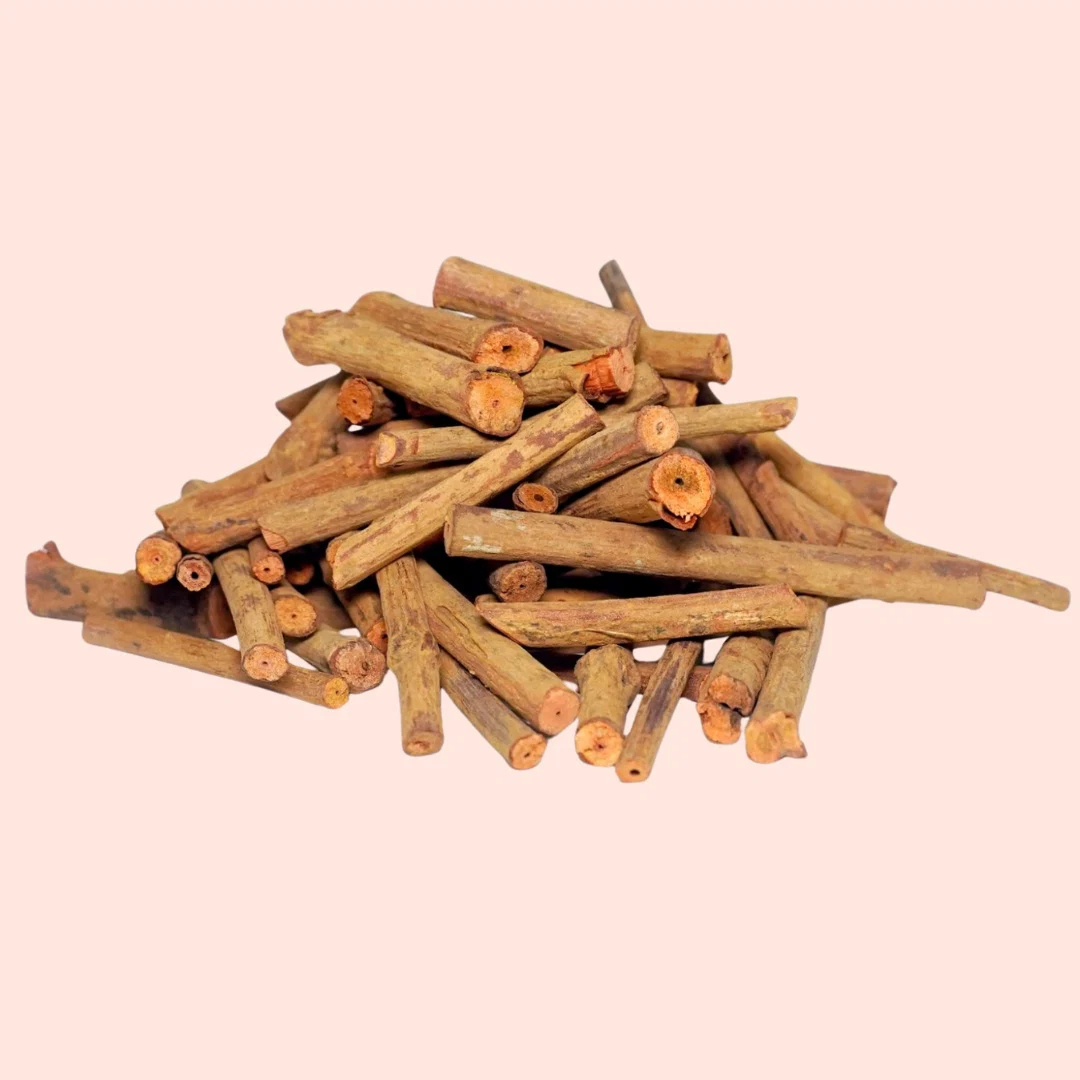
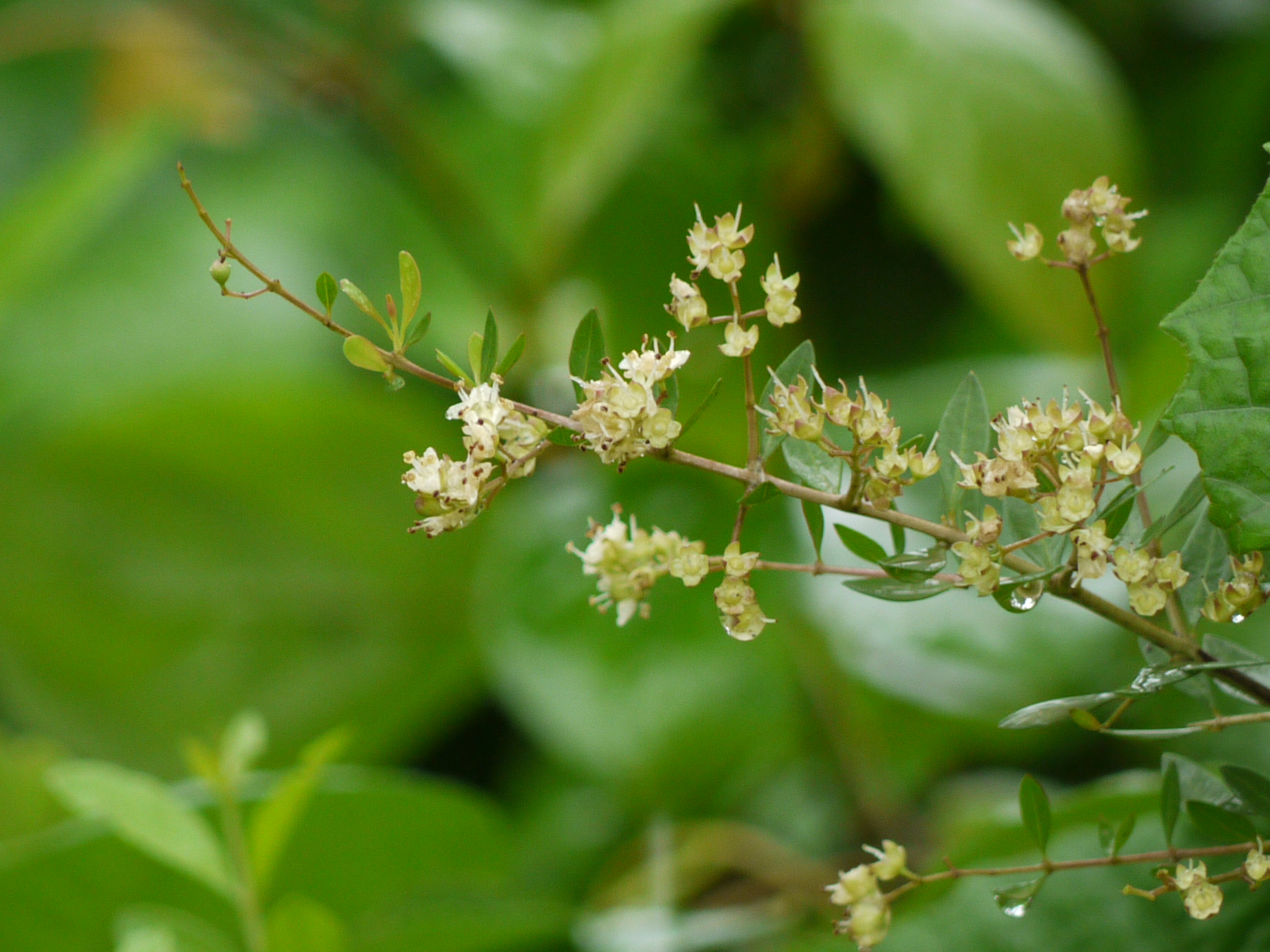

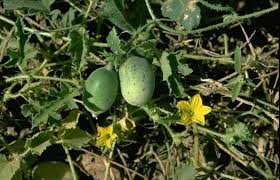
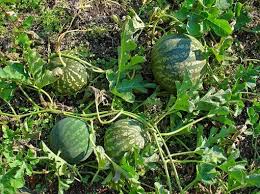
Citrullus colocynthis, Cucurbitaceae
Introduction to Indravaruni
Indravaruni is a powerful medicinal herb in Ayurveda traditionally used for supporting constipation relief, liver health, detoxification, and digestive wellness. Botanically identified as Citrullus colocynthis, this herb is known for its strong purgative and cleansing properties.
In classical Ayurvedic medicine, Indravaruni is especially valued for balancing Kapha and Vata doshas while helping eliminate accumulated toxins (Ama) from the body. It has been traditionally used in carefully controlled doses for conditions such as chronic constipation, sluggish digestion, abdominal bloating, liver disorders, intestinal worms, and fluid retention.
The herb possesses potent detoxifying actions that stimulate bowel movements, improve digestive function, and support natural cleansing pathways. Due to its strong nature, Indravaruni is considered a powerful herb that must always be used cautiously and under professional Ayurvedic supervision.
Modern herbal studies also suggest that Indravaruni may possess laxative, anti-inflammatory, antioxidant, hepatoprotective, and antimicrobial properties, supporting some of its traditional medicinal uses.
Botanical Description (Detailed)
Indravaruni, scientifically known as Citrullus colocynthis, is a medicinal creeping herb widely used in traditional Ayurvedic medicine for its strong purgative and detoxifying properties. It belongs to the Cucurbitaceae family and is commonly found in dry and desert regions.
🔹 Scientific Classification
- Kingdom: Plantae
- Order: Cucurbitales
- Family: Cucurbitaceae
- Genus: Citrullus
- Species: C. colocynthis
🔹 Morphology
- Trailing vine with rough stems
- Deeply lobed leaves
- Yellow flowers
- Round green-yellow fruits with bitter pulp
The fruit pulp is highly potent and bitter.
General Habit
Indravaruni is a perennial trailing or creeping herb that spreads along the ground with long branching stems. It resembles other cucurbit plants but is distinguished by its highly bitter fruits and medicinal properties.
🔸 Root System
- Thick and fleshy taproot
- Deeply penetrating root system
- Adapted for dry and arid environments
The root stores nutrients and moisture for survival in desert climates.
🔸 Stem
- Slender, rough, angular stems
- Green and hairy surface
- Creeping or climbing growth habit
The stems spread rapidly across sandy ground.
🔸 Leaves
- Alternate, deeply lobed leaves
- Rough and hairy texture
- Green to greyish-green color
Leaves resemble miniature watermelon leaves.
🔸 Flowers
- Small yellow flowers
- Separate male and female flowers on the same plant
- Funnel-shaped appearance
Flowering usually occurs during warm seasons.
🔸 Fruits
- Round, smooth fruits about the size of an orange
- Green with yellow mottling when immature
- Turn yellowish when mature
- Extremely bitter pulp inside
The fruits are the most distinctive botanical feature.
🔸 Seeds
- Numerous flat seeds inside fruit
- Brownish-yellow color
- Oily and medicinally important
Seeds are sometimes used in traditional formulations.
Habitat & Distribution
Indravaruni is commonly found in:
- India
- Middle East
- North Africa
- Mediterranean dry regions
Naturally grows in:
- Desert areas
- Sandy soils
- Dry wastelands
- Semi-arid climates
Growth Conditions
- Soil: Sandy, dry, well-drained soil
- Water: Low water requirement
- Sunlight: Full sunlight
- Climate: Hot and arid climate
Highly drought-resistant plant.
Growth & Lifecycle
- Type: Perennial creeping herb
- Growth Rate: Fast in warm conditions
- Flowering Season: Summer
- Fruiting Season: Late summer to autumn
Special Botanical Features
- Extremely bitter fruits
- Deep drought-resistant roots
- Creeping desert-adapted growth habit
- Hairy leaves and stems
Identification in Nature
Indravaruni can be identified by:
- Creeping vine structure
- Lobed rough leaves
- Round yellow bitter fruits
- Growth in dry sandy areas
Important Note
The fruits, roots, and seeds of Citrullus colocynthis are medicinally potent and should be used cautiously, as excessive use may cause toxicity and strong purgative effects.
Summary
Indravaruni (Citrullus colocynthis) is a desert-adapted medicinal creeping herb known for its bitter fruits, deep roots, and strong detoxifying properties. Its botanical characteristics and potent medicinal actions make it an important Ayurvedic herb for supporting constipation relief, digestive cleansing, liver health, and detoxification, though careful supervised use is essential.
Ayurvedic Properties (Detailed)
Indravaruni, botanically known as Citrullus colocynthis, is a strong and potent Ayurvedic herb traditionally used for constipation relief, digestive cleansing, liver support, and detoxification therapies. Its bitter, pungent, and heating properties help eliminate accumulated toxins (Ama), stimulate bowel evacuation, and reduce Kapha-related stagnation in the body.
🔹 Rasa (Taste)
- Tikta (Bitter)
- Katu (Pungent)
These tastes help:
- Detoxify the body
- Stimulate digestion and metabolism
- Reduce Kapha accumulation
- Support liver and intestinal cleansing
🔹 Guna (Qualities)
- Laghu (Light)
- Tikshna (Sharp/Penetrating)
These qualities support:
- Strong cleansing action
- Rapid penetration into tissues and channels
- Removal of blockages and stagnation
🔹 Virya (Potency)
- Ushna (Hot/Warming)
Heating potency helps:
- Stimulate bowel movement
- Enhance digestive fire (Agni)
- Improve circulation and detoxification
🔹 Vipaka (Post-digestive Effect)
- Katu (Pungent Vipaka)
This contributes to:
- Reduced Kapha accumulation
- Improved metabolism
- Enhanced cleansing processes
🔹 Dosha Effect (Doshic Action)
- Pacifies Kapha and Vata
- May aggravate Pitta if overused
Particularly beneficial in:
- Constipation
- Sluggish digestion
- Toxin accumulation
- Kapha-related heaviness
Functional Ayurvedic Actions
Indravaruni possesses several important Ayurvedic actions:
🔹 Virechana (Strong Purgative)
Traditionally used to:
- Relieve chronic constipation
- Cleanse intestines
- Eliminate accumulated toxins
Strong action requires careful supervision.
🔹 Deepana-Pachana
Stimulates:
- Digestive fire (Agni)
- Appetite
- Digestion of Ama (toxins)
🔹 Yakrituttejaka (Liver Supportive)
Traditionally believed to:
- Stimulate liver function
- Improve bile secretion
- Support detoxification pathways
🔹 Krimighna (Antimicrobial/Antiparasitic)
Helps combat:
- Intestinal worms
- Harmful microbial accumulation
🔹 Shothahara (Reduces Swelling)
Helps reduce:
- Fluid retention
- Abdominal heaviness
- Inflammatory swelling
Effect on Agni (Digestive Fire)
Indravaruni:
- Strongly stimulates digestion
- Removes digestive stagnation
- Helps clear Ama accumulation
Especially useful in severe Kapha digestive sluggishness.
Effect on Dhatus (Body Tissues)
Indravaruni mainly acts on:
- Annavaha system (Digestive tissues): Cleansing and stimulation
- Rakta Dhatu (Blood): Supports detoxification indirectly
- Meda Dhatu (Fat tissue): Reduces heaviness and stagnation
Strongest influence is on the digestive and detoxification systems.
Role in Constipation & Detoxification
Indravaruni is traditionally used for:
- Severe constipation
- Intestinal cleansing
- Detoxification therapies
- Kapha-related sluggishness
Often included in controlled Ayurvedic cleansing procedures.
Role in Liver Health
Traditionally believed to:
- Stimulate liver function
- Improve bile flow
- Support natural detox pathways
Used cautiously in liver-supportive therapies.
Effect on Srotas (Body Channels)
Indravaruni supports:
- Annavaha Srotas (digestive channels)
- Purishavaha Srotas (fecal elimination channels)
- Raktavaha Srotas (blood channels)
Helps clear stagnation and improve elimination.
Dosha-Specific Benefits
🔹 For Kapha
- Strongly reduces heaviness and stagnation
- Clears mucus and toxic buildup
🔹 For Vata
- Helps relieve constipation caused by blockage
- Use cautiously because excessive purgation may aggravate Vata later
🔹 For Pitta
- Excess use may increase heat and irritation
- Not ideal in inflammatory Pitta conditions
Practical Ayurvedic Insight
- Traditionally used:
- In detoxification therapies
- Under expert supervision only
- Often combined with:
- Triphala (gentler bowel support)
- Ginger (digestive stimulation)
- Kalamegha (liver support)
Combination helps balance strong purgative action.
Ayurvedic Precautions
Important Safety Warning:
Citrullus colocynthis is a highly potent herb and improper use may cause:
- Severe diarrhea
- Abdominal cramps
- Dehydration
- Intestinal irritation
Avoid:
- Self-medication
- Pregnancy
- Weak individuals
- Long-term unsupervised use
Internal use should only occur under qualified Ayurvedic guidance.
Summary
Indravaruni (Citrullus colocynthis) is a bitter, pungent, and heating Ayurvedic herb with strong cleansing and purgative actions. It is traditionally used for supporting constipation relief, digestive cleansing, liver stimulation, and toxin removal, primarily by balancing Kapha and Vata doshas.
Due to its powerful nature, it should always be used carefully and professionally supervised to ensure safe and effective therapeutic use.
Plant Description
Indravaruni is a creeping plant that grows on dry and sandy land. It has:
- Long trailing stems
- Yellow flowers
- Round green fruits (like small watermelon)
- Extremely bitter pulp
The dried fruit pulp and seeds are mainly used for medicine.
It is found in India, Africa, and Middle Eastern regions.
Chemical and Active Compounds
Indravaruni contains powerful bioactive compounds such as:
- Cucurbitacins
- Glycosides
- Flavonoids
- Alkaloids
- Resins
- Antioxidants
These compounds are responsible for its strong purgative and detoxifying effects.
Health Benefits of Indravaruni
1. Powerful Detoxifier (Virechana Karma)
Indravaruni is mainly used in Panchakarma therapy for purgation.
Benefits:
- Cleans intestines
- Removes toxins (Ama)
- Purifies blood
- Improves metabolism
It is one of the strongest natural laxatives in Ayurveda.
2. Helps in Chronic Constipation
Indravaruni is useful in severe constipation.
- Stimulates bowel movement
- Clears impacted stool
- Improves colon function
Should be used only under medical supervision.
3. Useful in Skin Diseases
Indravaruni helps in skin disorders.
Benefits:
- Reduces eczema
- Controls itching
- Treats psoriasis (supportive)
- Cleans blood
It is often used in blood-purifying formulations.
4. Supports Liver and Spleen Health
Indravaruni helps in detoxifying organs.
- Improves liver function
- Reduces fatty deposits
- Supports spleen health
- Improves digestion
It is useful in chronic liver disorders.
5. Helps in Joint and Rheumatic Pain
Indravaruni is helpful in arthritis and joint pain.
- Reduces inflammation
- Improves circulation
- Decreases stiffness
- Relieves pain
It is useful in Vata disorders.
6. Beneficial in Obesity Management
Indravaruni improves metabolism.
- Reduces excess fat
- Removes water retention
- Improves digestion
- Detoxifies body
It is sometimes used in weight-control therapies.
7. Supports Respiratory Health
Indravaruni helps in Kapha disorders.
- Reduces mucus
- Improves breathing
- Helps in asthma (supportive)
- Clears chest congestion
8. Antimicrobial Properties
Indravaruni has natural antimicrobial effects.
- Fights infections
- Improves immunity
- Protects digestive tract
Uses of Indravaruni in Ayurveda
Indravaruni is used in many traditional medicines, such as:
- Indravaruni Taila
- Virechana Yoga
- Panchakarma formulations
- Blood-purifying medicines
It is mainly used in clinical Ayurvedic practice.
Forms of Indravaruni Available
1. Powder (Churna)
Prepared from dried fruit pulp.
2. Decoction (Kashaya)
Used under guidance.
3. Medicated Oil (Taila)
For external use.
4. Classical Formulations
Used in Panchakarma therapy.
Dosage of Indravaruni
Warning: Indravaruni is a strong herb. Self-medication is dangerous.
General Dosage (Under Doctor’s Supervision)
| Form | Quantity |
|---|---|
| Powder | 125–500 mg |
| Decoction | As prescribed |
| Oil (External) | As required |
Never exceed recommended dose.
Best Time to Take Indravaruni
- For detox → During Panchakarma
- For constipation → As advised
- For skin disorders → Long-term therapy (doctor’s guidance)
Home Remedies Using Indravaruni
Indravaruni is NOT recommended for home remedies due to its strong action.
It should only be used by trained practitioners.
Side Effects of Indravaruni
Excess or improper use may cause:
- Severe diarrhea
- Dehydration
- Abdominal pain
- Vomiting
- Weakness
- Electrolyte imbalance
Immediate medical help is needed in case of overdose.
Precautions
- Never self-medicate
- Avoid during pregnancy
- Not for children
- Avoid in weak patients
- Drink sufficient water
- Always consult an Ayurvedic doctor
Indravaruni in Modern Research
Modern studies indicate that Indravaruni has:
- Strong purgative activity
- Anti-inflammatory effects
- Antimicrobial properties
- Antioxidant potential
However, research also confirms its toxicity if misused, so professional guidance is essential.
Importance of Indravaruni in Ayurveda
Indravaruni plays a major role in:
- Panchakarma therapy
- Detox programs
- Chronic disease management
- Blood purification
- Metabolic correction
It is a therapeutic herb, not a daily supplement.
Medicinal Uses
- 1 Premature graying of hair:
50 gram of dried seeds paste of
Indravaruni cooked in 400 ml
of sesame oil until it becomes
moisture free. Regular application
of this oil over the scalp is found
to be effective in preventing
premature greying of hair. - Constipation: 1-3gms of
Indravaruni root powder taken
orally with warm water daily
night before going to bed
relieves constipation, abdominal
distension, menstrual pain etc. - Food poisoning: In case of
food poisoning 2-3 gram of
Indravaruni seeds powder is
administered twice or thrice
in a day. This helps to induce
vomiting and hence the probable
danger is checked. Fishermen use
this kind of practice abundantly
as they are repeatedly poisoned
by poisonous fish intake. - Foot ulcers: One fist full of dried
seeds of Indravaruni boiled in
500ml of water and till it reduced
to 1/4th. This decoction is used to
soak the foot for 15-30minutes,
in case of foot ulcers and cracks
caused during rainy seasons. - Scrotal Enlargement: 3grams of
Indravaruni root powder mixed
with castor oil and is taken along
with Cow’s milk twice daily is
beneficial in scrotal enlargement.
Vernacular names
Bengali : Rakhal Sasa Mul
English : Colocynth, Bitter apple
Gujrati : Indravaran, Indrayan,
Indramanoa, Indarvaranova
Hindi : Indrayan
Kannada : Havumekke, Havumakke,
Indravaruni, Tuntikai,
Kadukavadi
Malayalam : Valiyakattuvell, Valiya
Pekkumatti, Cheeiyakattuvellari
Marathi : Endrayana, Indravarana
Oriya : Gothakakucti, Indrayanalata,
Garukhiya
Punjabi : Kaudatumma, Tumbi
Tamil : Paikamatti, Paythumatti,
Varithummati, Aruthununatti
Telugu : Chedu Puchcha
Urdu : Hanzal, Indrayan
Conclusion
Indravaruni is a highly potent medicinal plant in Ayurveda, mainly used for deep detoxification and Panchakarma treatments. It helps in cleansing the digestive system, purifying blood, treating skin diseases, and correcting metabolic disorders.
However, due to its strong action, Indravaruni must always be used under expert supervision. When used correctly, it can bring powerful healing benefits.
Indravaruni, scientifically known as Citrullus colocynthis, is a potent Ayurvedic herb traditionally valued for its powerful effects in supporting constipation relief, digestive cleansing, liver health, and detoxification. Its bitter, pungent, and heating properties help stimulate digestion, remove accumulated toxins (Ama), and reduce Kapha-related heaviness and stagnation in the body.
For centuries, Ayurveda has used Indravaruni in carefully controlled formulations for conditions such as chronic constipation, sluggish metabolism, abdominal bloating, and detoxification therapies. Its strong purgative and cleansing actions make it particularly useful in promoting bowel evacuation and supporting the body’s natural elimination processes.
However, due to its high potency and potential side effects, Indravaruni should always be used cautiously and under the supervision of a qualified Ayurvedic practitioner. Improper or excessive use may lead to dehydration, abdominal irritation, and other complications.
When used responsibly and appropriately, Indravaruni can serve as a powerful natural remedy for maintaining digestive balance, liver support, intestinal cleansing, and overall wellness within the principles of traditional Ayurvedic medicine.
