

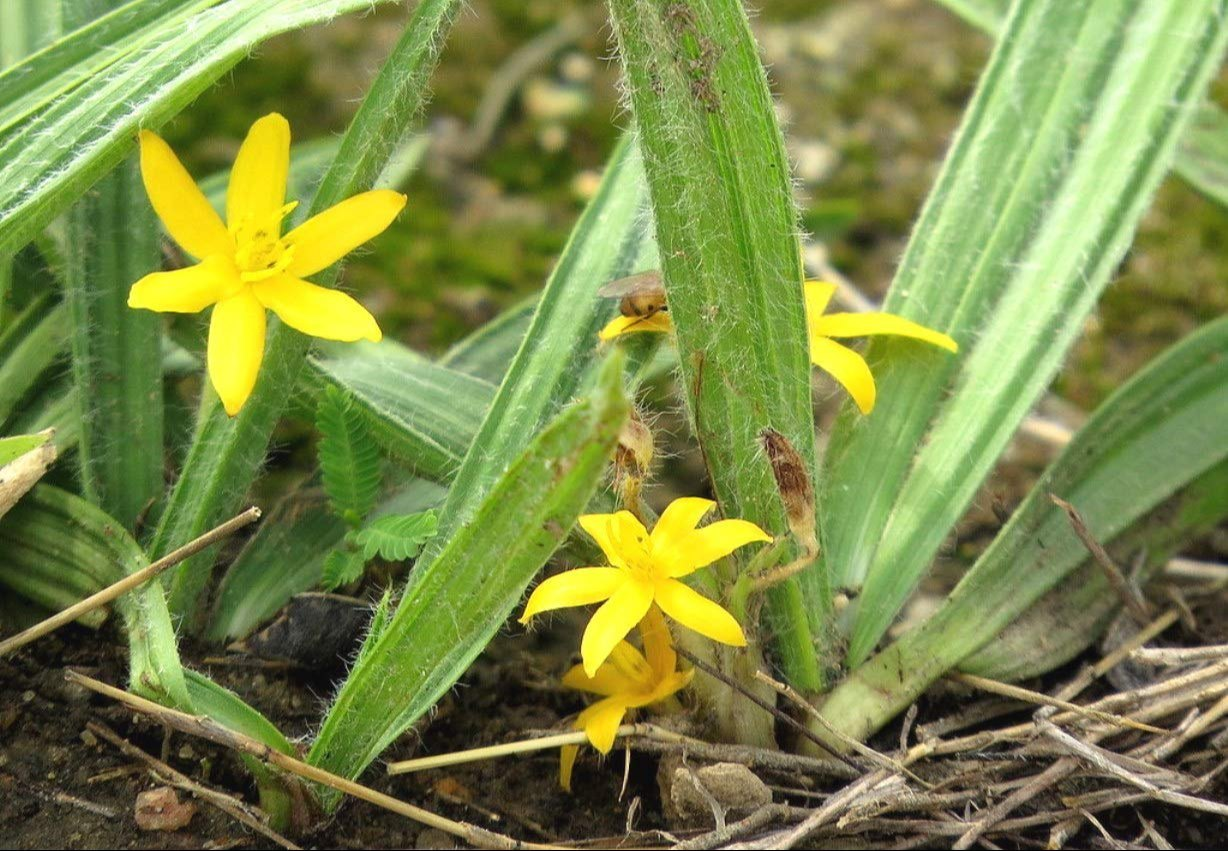
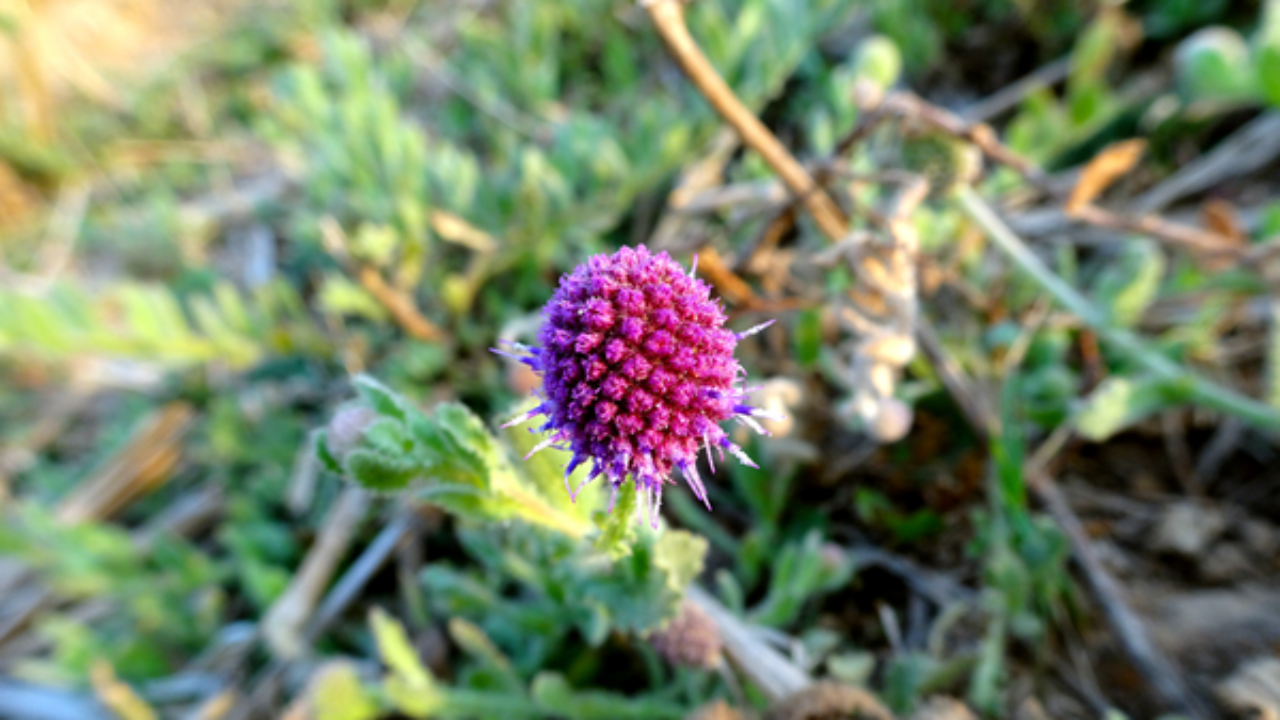
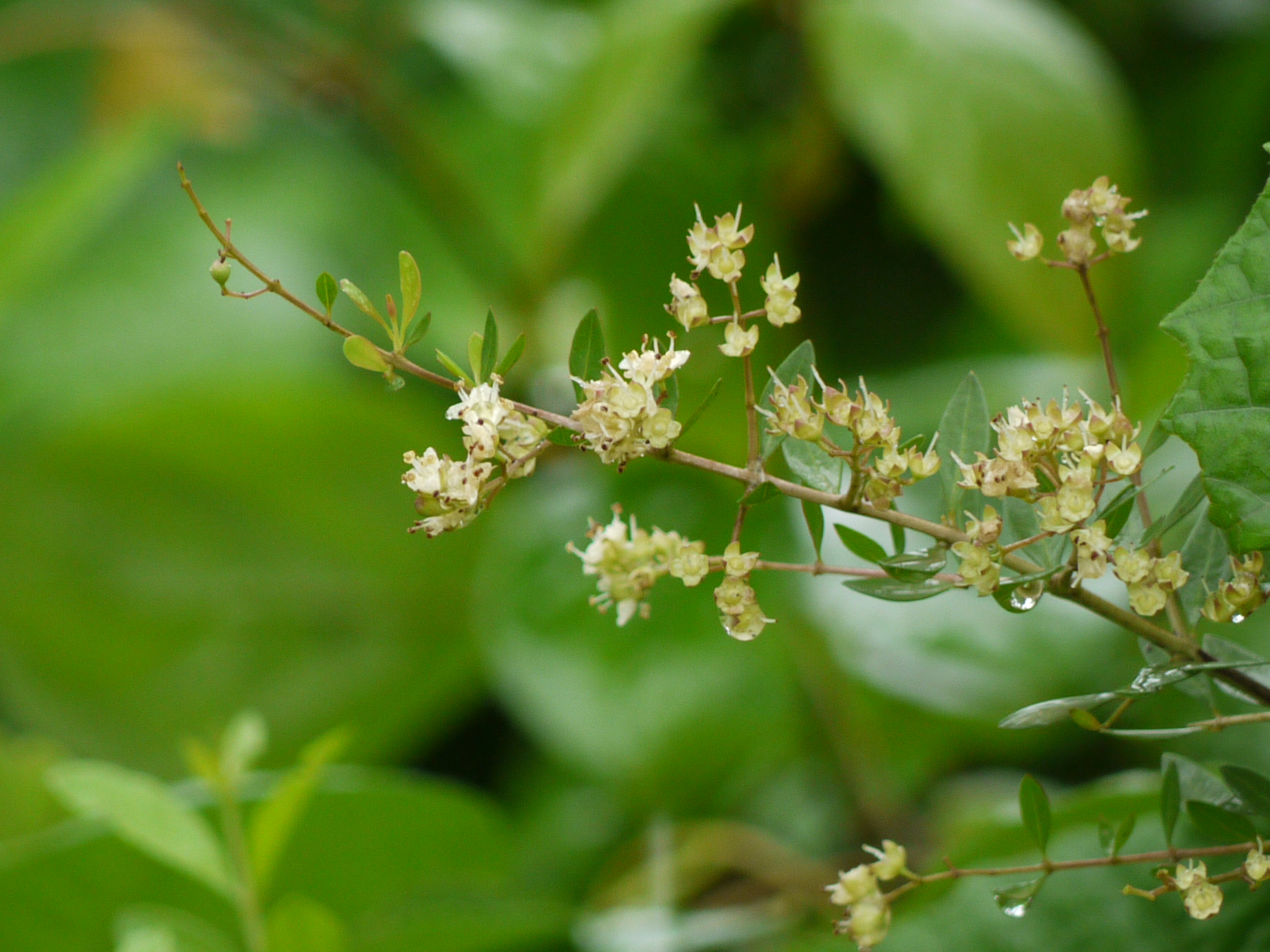
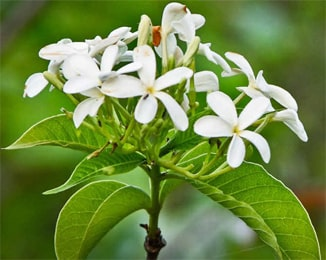

Phyla nodiflora, Verbenaceae
Introduction to Jalapippali
Jalapippali is an important medicinal herb in Ayurveda, mainly used for respiratory diseases, digestion, fever, and weakness. It is considered a close substitute of Pippali (Long Pepper) and is especially useful in lung and throat disorders.
In classical Ayurvedic texts such as Bhavaprakasha Nighantu, Jalapippali is described as a powerful herb for strengthening Prana Vaha Srotas (respiratory system) and improving digestive fire (Agni).
Because of its special action on lungs and digestion, Jalapippali is known as a natural tonic for respiratory health.
Jalapippali is a well-known Ayurvedic medicinal herb traditionally used for supporting respiratory health, digestion, and overall wellness. Botanically identified as Piper chaba, this herb belongs to the Piperaceae family and is closely related to long pepper and black pepper.
In Ayurveda, Jalapippali is especially valued for its ability to balance Kapha and Vata doshas, making it highly beneficial in conditions involving cough, cold, asthma, bronchitis, throat congestion, and breathing difficulties. Its warming and stimulating properties help clear excess mucus, improve circulation, and strengthen respiratory function naturally.
Traditionally, Jalapippali has also been used to enhance digestion, stimulate appetite, and support immunity. Due to its pungent taste and heating nature, it acts as a powerful herb for reducing coldness, sluggishness, and toxin accumulation in the body.
Modern herbal studies suggest that Jalapippali may possess antimicrobial, anti-inflammatory, antioxidant, and bronchodilatory properties, supporting many of its classical Ayurvedic uses.
Botanical Description (Detailed)
Jalapippali, scientifically known as Piper chaba, is a medicinal climbing plant belonging to the Piperaceae family. It is closely related to black pepper and long pepper and is highly valued in Ayurveda for its benefits in respiratory disorders, digestion, and Kapha-related conditions.
🔹 Scientific Classification
- Kingdom: Plantae
- Order: Piperales
- Family: Piperaceae
- Genus: Piper
- Species: P. chaba
🔹 Morphology
- Woody climber with jointed stems
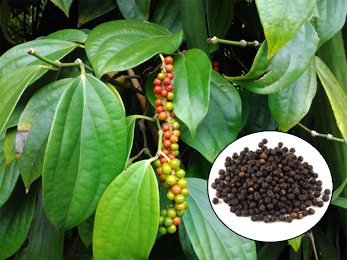
- Leaves are green, smooth, and heart-shaped
- Fruits are elongated spikes similar to long pepper
The fruits are aromatic and pungent.
General Habit
Jalapippali is a perennial woody climber or trailing shrub that grows with support on trees or structures. It thrives in warm and humid tropical climates and produces aromatic, pungent fruits used medicinally.
🔸 Root System
- Fibrous root system
- Adventitious roots may develop at stem nodes
- Helps the plant cling and spread
Roots also possess mild medicinal properties.
🔸 Stem
- Slender, jointed, and climbing stem
- Green when young, becoming woody with age
- Nodes are clearly visible
The stem helps identify the plant within the Piper family.
🔸 Leaves
- Simple, alternate leaves
- Heart-shaped (cordate) appearance
- Smooth surface with pointed tips
- Dark green and aromatic when crushed
Leaves contain volatile oils and medicinal compounds.
🔸 Flowers
- Tiny flowers arranged on slender spikes
- Greenish-white in color
- Flowers are usually inconspicuous
Flower spikes later develop into fruiting spikes.
🔸 Fruits
- Cylindrical elongated spikes
- Resemble long pepper fruits
- Green initially, turning reddish or dark on maturity
- Strong pungent aroma and spicy taste
Fruits are the primary medicinal part used in Ayurveda.
🔸 Seeds
- Tiny embedded seeds within fruit spikes
- Aromatic and pungent
Seeds contribute to the herb’s heating properties.
Habitat & Distribution
Jalapippali is commonly found in:
- India
- Bangladesh
- Nepal
- Southeast Asia
It grows naturally in:
- Tropical forests
- Humid regions
- Semi-shaded environments
Growth Conditions
- Soil: Moist, fertile, well-drained soil
- Water: Moderate to high moisture
- Sunlight: Partial shade to filtered sunlight
- Climate: Warm and humid tropical climate
Thrives best in monsoon and humid conditions.
Growth & Lifecycle
- Type: Perennial climber
- Growth Rate: Moderate
- Flowering Season: Warm months
- Fruiting Season: After flowering spikes mature
Special Botanical Features
- Aromatic pungent fruits
- Climbing growth habit
- Jointed stems with nodes
- Similarity to long pepper species
Identification in Nature
Jalapippali can be identified by:
- Climbing vine structure
- Heart-shaped aromatic leaves
- Elongated spicy fruit spikes
- Distinct pungent smell
Important Note
The fruits of Piper chaba are the most commonly used medicinal part in Ayurveda, especially for respiratory and digestive formulations.
Summary
Jalapippali (Piper chaba) is a tropical medicinal climber known for its aromatic pungent fruits and respiratory-supportive properties. Its heart-shaped leaves, elongated fruit spikes, and warming nature make it an important Ayurvedic herb for supporting lung health, digestion, circulation, and Kapha balance.
Ayurvedic Properties (Detailed)
Jalapippali, botanically known as Piper chaba, is a powerful warming Ayurvedic herb widely used for supporting respiratory health, digestion, circulation, and immunity. Due to its pungent taste and heating potency, it is especially effective in balancing Kapha and Vata doshas, particularly in disorders involving mucus accumulation, coldness, sluggish digestion, and breathing difficulty.
🔹 Rasa (Taste)
- Katu (Pungent)
Pungent taste helps:
- Reduce excess mucus (Kapha)
- Stimulate digestion and metabolism
- Improve circulation
- Clear respiratory passages
🔹 Guna (Qualities)
- Laghu (Light)
- Tikshna (Sharp/Penetrating)
These qualities support:
- Rapid action in clearing congestion
- Penetration into blocked channels
- Reduction of heaviness and sluggishness
🔹 Virya (Potency)
- Ushna (Hot/Warming)
Heating potency helps:
- Reduce coldness and mucus
- Stimulate respiratory and digestive functions
- Improve circulation and warmth
🔹 Vipaka (Post-digestive Effect)
- Madhura (Sweet Vipaka)
This contributes to:
- Tissue nourishment after digestion
- Balanced long-term metabolic effect
- Support for respiratory tissues
🔹 Dosha Effect (Doshic Action)
- Pacifies Kapha and Vata
- May increase Pitta if overused
Particularly beneficial in:
- Cold and mucus-related disorders
- Respiratory congestion
- Weak digestion
Functional Ayurvedic Actions
Jalapippali possesses several important Ayurvedic actions:
🔹 Kaphahara (Reduces Kapha)
Helps clear:
- Excess mucus
- Congestion
- Heaviness in chest and throat
🔹 Kasahara (Relieves Cough)
Traditionally used for:
- Dry and productive cough
- Throat irritation
- Cold symptoms
🔹 Shwasahara (Supports Breathing)
Helps improve:
- Respiratory comfort
- Airflow in lungs
- Bronchial function
🔹 Deepana-Pachana
Stimulates:
- Digestive fire (Agni)
- Appetite
- Digestion of Ama (toxins)
🔹 Krimighna (Antimicrobial)
Helps combat:
- Harmful microbes
- Seasonal infections
Effect on Agni (Digestive Fire)
Jalapippali:
- Strongly stimulates digestion
- Reduces sluggish metabolism
- Helps digest Ama effectively
Useful in Kapha-related digestive weakness.
Effect on Dhatus (Body Tissues)
Jalapippali mainly acts on:
- Rasa Dhatu (Plasma): Improves circulation and fluid movement
- Pranavaha system (Respiratory tissues): Supports lungs and breathing
- Annavaha system (Digestive tissues): Enhances digestive strength
Strongest action is on respiratory and digestive systems.
Role in Respiratory Health
Jalapippali is traditionally used for:
- Cough and cold
- Asthma support
- Bronchial congestion
- Excess mucus disorders
Its heating and penetrating qualities help open respiratory channels.
Role in Digestion & Metabolism
Jalapippali helps:
- Stimulate appetite
- Reduce bloating and gas
- Improve nutrient absorption
Beneficial in sluggish Kapha digestion.
Effect on Srotas (Body Channels)
Jalapippali supports:
- Pranavaha Srotas (respiratory channels)
- Annavaha Srotas (digestive channels)
Helps clear blockages and improve functional flow.
Dosha-Specific Benefits
🔹 For Kapha
- Strong mucus-reducing effect
- Clears heaviness and congestion
🔹 For Vata
- Warming nature helps reduce coldness
- Supports circulation and respiratory comfort
🔹 For Pitta
- Use cautiously in excess heat conditions
- Overuse may cause irritation or acidity
Practical Ayurvedic Insight
- Best used:
- During cold seasons
- In respiratory congestion and weak digestion
- Often combined with:
- Honey (for cough)
- Ginger (for digestion and warmth)
- Tulsi (for respiratory support)
Combination enhances respiratory and immune benefits.
Ayurvedic Precautions
- Excessive use may:
- Increase body heat
- Cause gastric irritation
- Aggravate Pitta
- Avoid overuse in:
- Ulcers
- High acidity conditions
Summary
Jalapippali (Piper chaba) is a pungent and warming Ayurvedic herb with light and sharp qualities and sweet post-digestive effect. It is highly effective for supporting respiratory health, digestion, circulation, and Kapha balance, particularly in conditions involving cough, cold, mucus accumulation, and sluggish metabolism.
When used properly and moderately, it provides a natural and holistic approach to maintaining healthy lungs, strong digestion, and overall vitality.
Plant Description
Jalapippali is a climbing plant that grows on trees and rocks in moist and forest areas. It has:
- Long, thick stems
- Green heart-shaped leaves
- Spadix-type flowers
- Medicinal fruits
It is mainly found in India, Nepal, and Southeast Asia.
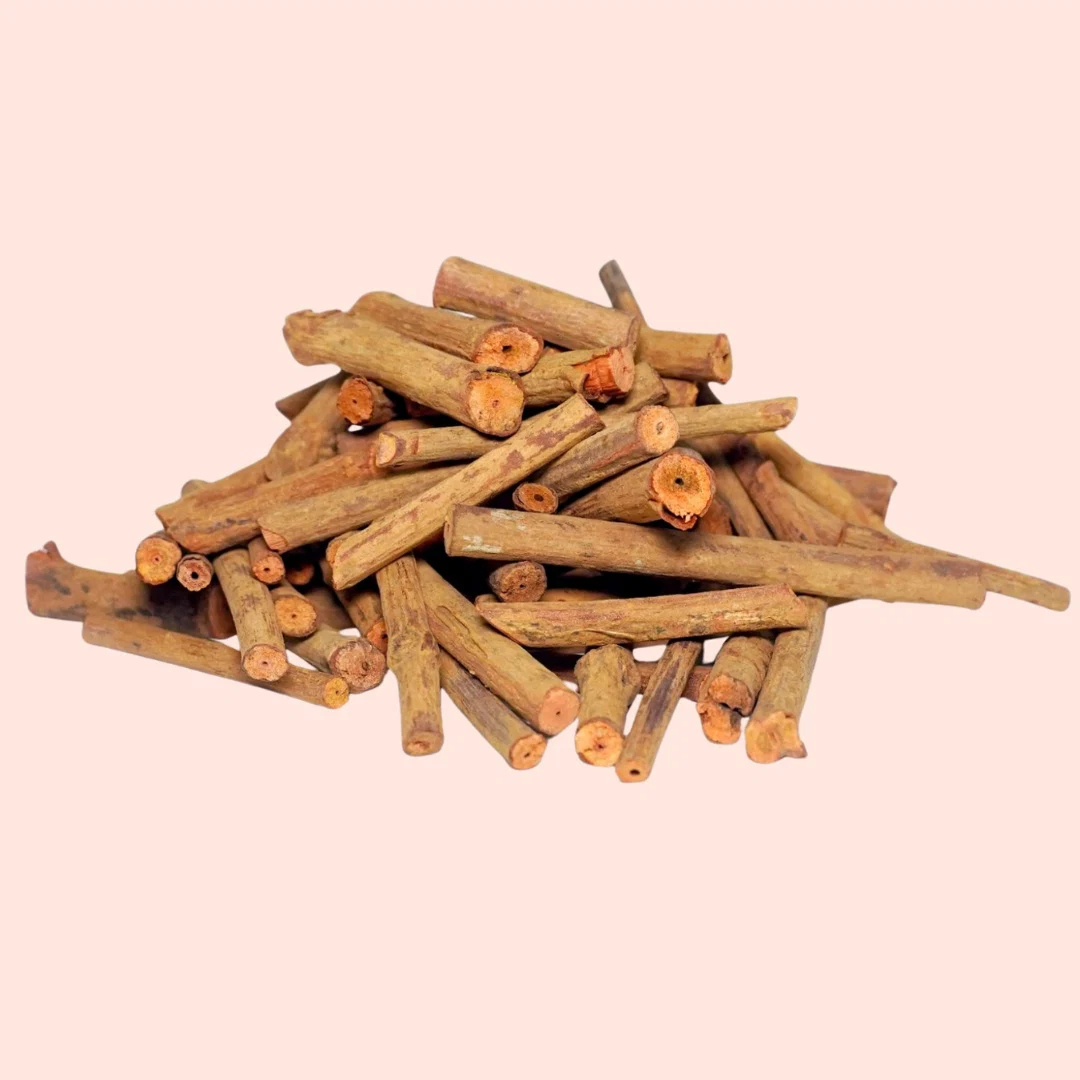
The dried fruits and stems are used for medicinal purposes.
Active Chemical Components
Jalapippali contains many beneficial bioactive compounds such as:
- Alkaloids
- Glycosides
- Flavonoids
- Essential oils
- Resins
- Antioxidants
These compounds give Jalapippali its medicinal properties.
Health Benefits of Jalapippali
1. Improves Respiratory Health
Jalapippali is best known for lung and throat care.
Benefits:
- Relieves cough
- Reduces asthma symptoms
- Clears chest congestion
- Improves breathing
It works as a natural expectorant.
2. Treats Chronic Cough and Cold
Jalapippali is very effective in respiratory infections.
- Controls dry and wet cough
- Reduces sore throat
- Removes mucus
- Improves voice quality
It is widely used in Ayurvedic cough syrups.
3. Strengthens Digestive System
Jalapippali improves digestion.
- Increases appetite
- Reduces gas and bloating
- Treats indigestion
- Improves metabolism
It strengthens digestive fire (Agni).
4. Useful in Fever (Jwara)
Jalapippali helps in managing fever.
- Reduces body temperature
- Improves recovery
- Boosts immunity
- Reduces weakness
It is used in chronic and recurring fever.
5. Enhances Immunity
Jalapippali supports immune health.
- Increases disease resistance
- Protects from infections
- Reduces fatigue
- Improves stamina
It acts as a natural rejuvenator.
6. Helps in Tuberculosis (Supportive)
In Ayurveda, Jalapippali is used as supportive therapy in TB.
- Improves lung strength
- Reduces weakness
- Supports appetite
- Enhances recovery
(It is supportive, not a replacement for modern treatment.)
7. Useful in Anemia and Weakness
Jalapippali helps in improving strength.
- Enhances nutrient absorption
- Reduces fatigue
- Improves blood quality
- Increases energy
It is useful in post-illness recovery.
8. Supports Voice and Throat Health
Jalapippali is beneficial for speakers and singers.
- Improves voice clarity
- Reduces throat irritation
- Prevents hoarseness
Uses of Jalapippali in Ayurveda
Jalapippali is used in many classical formulations such as:
- Sitopaladi Churna
- Talisadi Churna
- Pippalyadi Churna
- Rasayana preparations
It is also used as a single herb medicine.
Forms of Jalapippali Available
1. Powder (Churna)
Most common form.
2. Tablets / Capsules
Easy to consume.
3. Decoction (Kashaya)
Prepared by boiling.
4. Herbal Syrups
Used for cough and cold.
Dosage of Jalapippali
Always consult an Ayurvedic doctor before long-term use.
General Dosage
| Form | Quantity |
|---|---|
| Powder | 1–3 g daily |
| Tablet | 1–2 tablets |
| Decoction | 20–30 ml |
Dosage depends on age and health condition.
Best Time to Take Jalapippali
- For cough/asthma → Morning & evening
- For digestion → After meals
- For immunity → Morning empty stomach (with honey)
- For weakness → With milk
Home Remedies Using Jalapippali
For Cough
Mix:
- Jalapippali powder + Honey
Take twice daily.
For Weak Digestion
Mix:
- Powder + Warm water
Take after meals.
For Cold and Congestion
Boil:
- Jalapippali + Tulsi
Drink as kadha.
For Voice Improvement
Take:
- Powder with ghee at night.
Side Effects of Jalapippali
Excess use may cause:
- Burning sensation
- Acidity
- Mouth irritation
- Increased body heat
Avoid overdose.
Precautions
- Avoid during pregnancy
- Use in limited quantity
- Not for severe acidity patients
- Consult doctor if on medicine
- Buy pure herbal product
Jalapippali in Modern Research
Modern research shows that Jalapippali has:
- Anti-inflammatory effects
- Expectorant activity
- Antioxidant properties
- Immune-supportive action
These findings support its traditional Ayurvedic use.
Importance of Jalapippali in Daily Life
Regular and proper use of Jalapippali helps in:
- Healthy lungs
- Strong immunity
- Better digestion
- Clear voice
- Active lifestyle
That is why it is called “Friend of the Lungs” in Ayurveda.
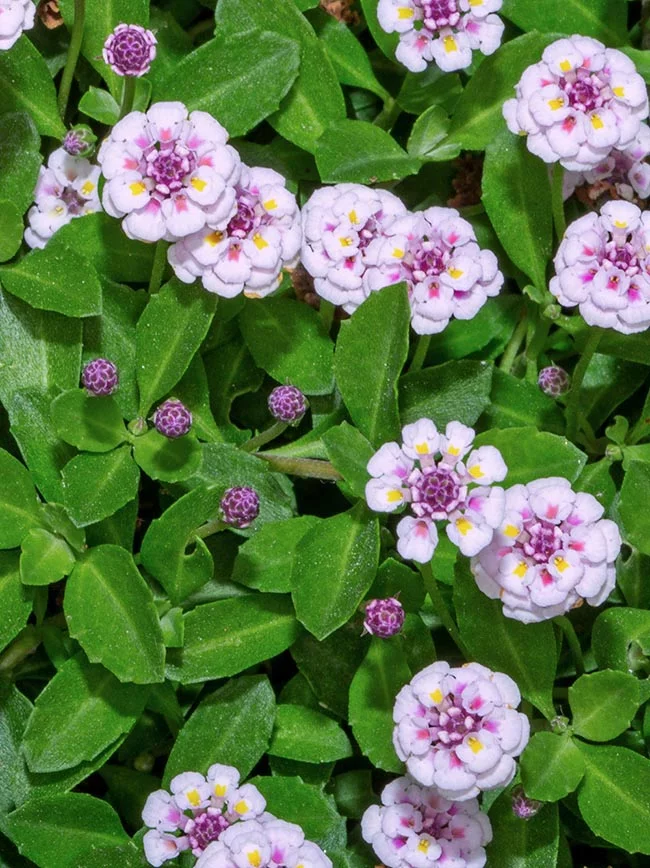
Vernacular names
Bengali : Bukkana, Kaanchadaa
English : Purple Lippia
Gujrati : Rataveliyo
Hindi : Jalpipali, Panisigaa, Bhuiokaraa
Kannada : Nelahippali
Malayalam : Nirtippali, Podutalai (Siddha)
Marathi : Jalpippali, Ratavel
Tamil : Potuttali
Telugu : Bokkena
Medicinal Uses
- Leucorrhoea: The leaves of
jalapippali powder along with
cumin seeds in equal quantity, is
mixed well and given in the dose
of 5 to 10 grams twice daily is
beneficial in Leucorrhoea.
- Piles: Administration of the
chutney prepared with leaves of
jalapippali is effective in curing
piles. - Wound: External application
of leaves paste is helpful in the
ripening of pustules and also
useful in healing the wounds.
Since it has anti bacterial
properties, it treats the infections
well. - Dandruff: The leaves of
jalapippali paste applied on the
scalp is useful in case of dandruff.
A Siddha preparation called
Poduthalai tailam is very effective
in dandruff. - Urinary calculi: Infusion of leaves
and tender stalk (Soak 10 gm of
Jalapippali in 50ml of hot water
for 3-4 hours) used in cold with
fever; also as diuretic and for
Lithiasis.
Conclusion
Jalapippali is a valuable medicinal herb in Ayurveda, especially for respiratory and digestive health. It helps in treating cough, asthma, fever, weakness, and immunity-related problems. When used in proper dosage under expert guidance, it provides long-term health benefits.
From ancient texts to modern research, Jalapippali continues to prove its importance in natural healing.
Jalapippali, scientifically known as Piper chaba, is a powerful Ayurvedic herb valued for its remarkable benefits in supporting respiratory health, digestion, circulation, and immunity. Its pungent taste, warming potency, and penetrating qualities make it especially effective for balancing Kapha and Vata doshas, particularly in conditions involving cough, cold, asthma, mucus accumulation, and weak digestion.
Traditionally used in Ayurvedic medicine, Jalapippali helps clear respiratory channels, improve breathing comfort, stimulate digestive fire, and reduce toxin accumulation in the body. Its antimicrobial and metabolism-enhancing properties further strengthen its role as a natural remedy for seasonal infections and digestive sluggishness.
When used properly and in moderate amounts, Jalapippali provides a holistic approach to maintaining healthy lungs, better digestion, stronger immunity, and overall wellness. Combined with supportive herbs such as ginger, tulsi, and honey, it continues to remain an important herbal remedy in traditional Ayurvedic healthcare.
