

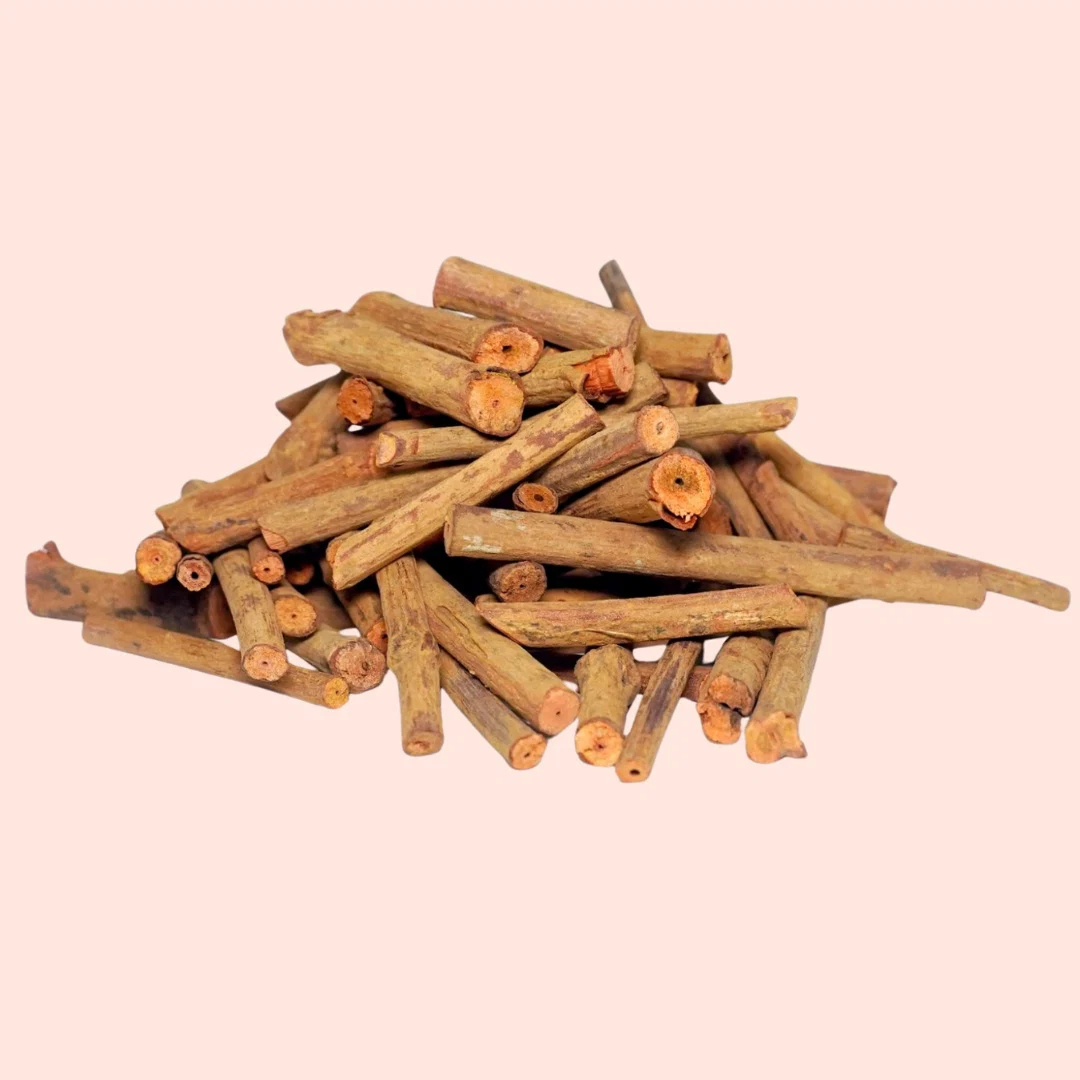
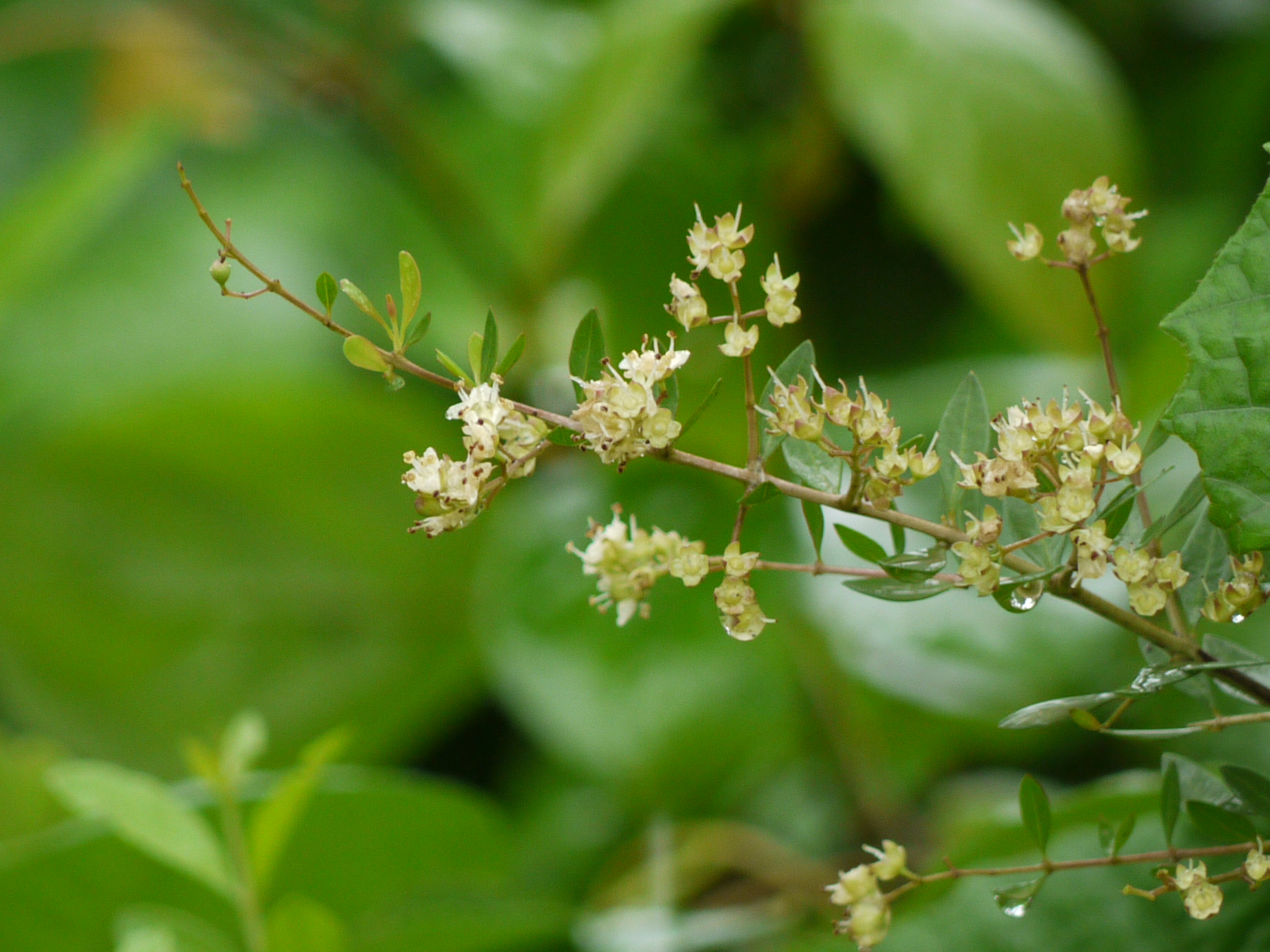
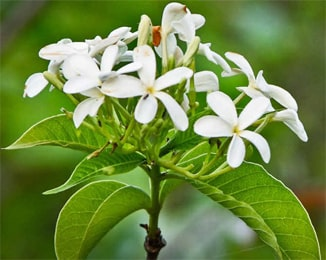

Syzygium cuminii, Myrtaceae
Introduction to Jambu
Jambu, commonly known as Jamun, is a well-known medicinal fruit in Ayurveda. It is especially famous for its role in diabetes control, digestive health, blood purification, and skin care.
In classical Ayurvedic texts such as Bhavaprakasha Nighantu, Jambu is described as a valuable fruit for balancing doshas and strengthening body systems.
Because of its powerful medicinal and nutritional properties, Jambu is considered a natural tonic for metabolic and digestive health.
Jambu, commonly known as Jamun or Indian Blackberry, is one of the most respected medicinal fruits in Ayurveda, valued for its remarkable benefits in supporting blood sugar balance, digestion, immunity, and overall wellness. Scientifically known as Syzygium cumini, this evergreen tropical tree produces dark purple fruits that are both nutritious and therapeutically important.
In traditional Ayurvedic medicine, Jambu is especially appreciated for its ability to balance Kapha and Pitta doshas. The fruit, seeds, bark, and leaves are all used in various herbal preparations, but the seed powder is particularly famous for helping maintain healthy glucose metabolism and supporting pancreatic function naturally.
Jambu is also rich in antioxidants, vitamins, minerals, and bioactive compounds that help protect the body from oxidative stress while promoting better digestion, blood purification, and metabolic strength. Due to its cooling and astringent nature, it is widely used for conditions associated with excess thirst, sluggish metabolism, digestive weakness, and blood sugar imbalance.
Modern scientific research has further increased interest in Jambu because of its potential antidiabetic, anti-inflammatory, antioxidant, and immune-supportive properties. Whether consumed as fresh fruit, juice, or seed powder, Jambu offers a natural and holistic approach to maintaining long-term health and wellness.
Botanical Description (Detailed)
Jambu, scientifically known as Syzygium cumini, is a large evergreen tropical tree widely known for its delicious purple-black fruits and important medicinal value in Ayurveda. It belongs to the Myrtaceae family and is highly valued for supporting blood sugar balance, digestion, immunity, and overall wellness.
🔹 Scientific Classification
- Kingdom: Plantae
- Order: Myrtales
- Family: Myrtaceae
- Genus: Syzygium
- Species: S. cumini
🔹 Morphology
- Height: 10–30 meters
- Leaves: Glossy, aromatic, dark green
- Flowers: Small greenish-white flowers
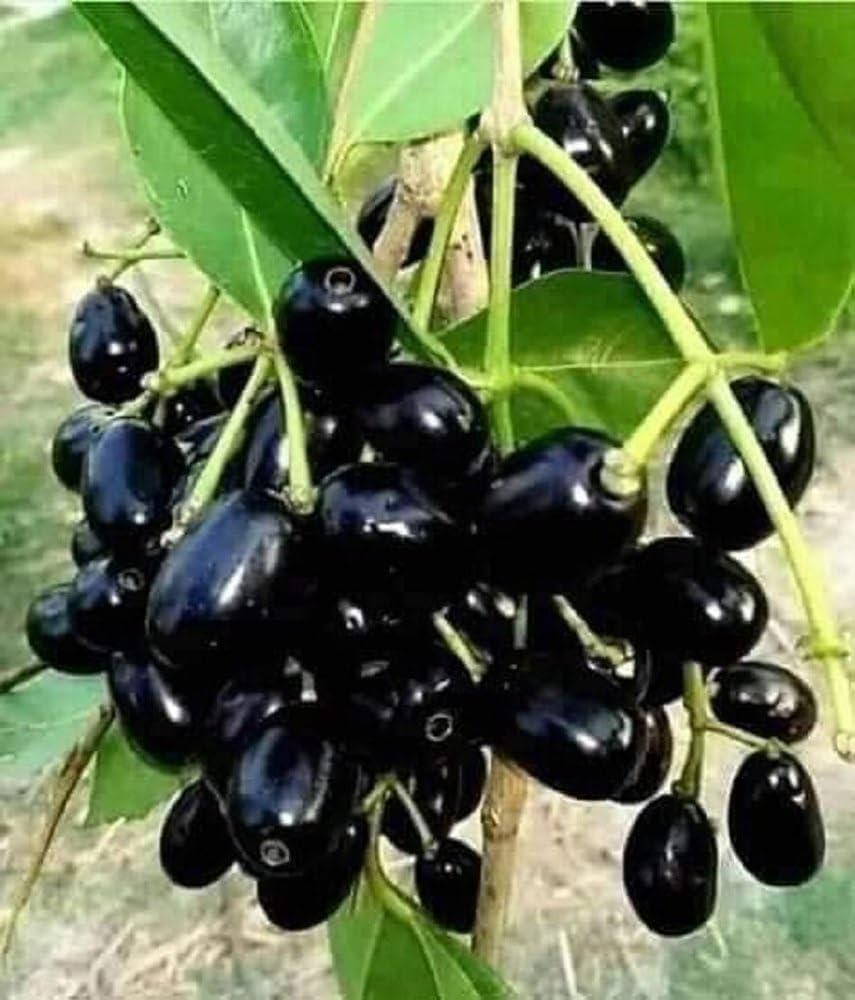
- Fruit: Oval, purple-black berries
The ripe fruits are juicy with a sweet-astringent taste.
General Habit
Jambu is a large evergreen tree that can grow between 10–30 meters in height. It develops a dense canopy with spreading branches and has a long lifespan. The tree is both ornamental and medicinally important.
🔸 Root System
- Strong and deep taproot system
- Extensive lateral roots
- Provides excellent stability and drought tolerance
The root system helps the tree survive in tropical climates.
🔸 Stem & Bark
- Thick, erect trunk
- Bark is greyish-brown and rough
- Older bark flakes off in patches
The bark possesses important medicinal properties in Ayurveda.
🔸 Leaves
- Simple, opposite leaves
- Glossy dark green surface
- Oval to lance-shaped
- Aromatic when crushed due to essential oils
Young leaves may appear pinkish before turning green.
🔸 Flowers
- Small greenish-white or creamy flowers
- Mildly fragrant
- Arranged in clusters
Flowering usually occurs during spring or early summer.
🔸 Fruits
- Oval or oblong berry-like fruits
- Initially green, turning pink, then deep purple-black when ripe
- Juicy pulp with sweet, mildly sour, and astringent taste
Fruits contain a single seed or occasionally multiple seeds.
🔸 Seeds
- Oval, light green to brown seeds
- Rich in medicinal compounds
Seeds are widely used in Ayurvedic formulations for metabolic and blood sugar support.
Habitat & Distribution
Jambu is native to:
- India
- Southeast Asia
Widely found in:
- Tropical and subtropical regions
- Forests
- Roadsides
- Farms and home gardens
Growth Conditions
- Soil: Well-drained loamy or alluvial soil
- Water: Moderate to high moisture
- Sunlight: Full sunlight preferred
- Climate: Tropical and subtropical climates
Thrives well near riverbanks and humid environments.
Growth & Lifecycle
- Type: Evergreen perennial tree
- Growth Rate: Moderate to fast
- Flowering Season: Spring
- Fruiting Season: Summer to monsoon
Trees can remain productive for many decades.
Special Botanical Features
- Evergreen foliage throughout the year
- Purple antioxidant-rich fruits
- Aromatic leaves with essential oils
- Medicinal bark and seeds
Identification in Nature
Jambu can be identified by:
- Dense evergreen canopy
- Glossy aromatic leaves
- Purple-black fruits
- Rough greyish bark
Important Note
Almost every part of Syzygium cumini—including the fruits, seeds, bark, and leaves—is medicinally valuable in Ayurveda, though the seeds are most commonly used for blood sugar support.
Summary
Jambu (Syzygium cumini) is a large evergreen medicinal tree known for its dark purple fruits, aromatic leaves, and therapeutic seeds. Its botanical features and rich phytochemical composition make it one of Ayurveda’s most respected plants for promoting blood sugar balance, digestion, immunity, and metabolic wellness.
Ayurvedic Properties (Detailed)
Jambu, botanically known as Syzygium cumini, is a highly valued Ayurvedic herb and fruit known for its effectiveness in supporting blood sugar balance, digestion, metabolism, and overall wellness. Its cooling and astringent properties make it especially beneficial for balancing Kapha and Pitta doshas.
🔹 Rasa (Taste)
- Kashaya (Astringent) — dominant taste
- Madhura (Sweet)
- Amla (Sour)
These tastes help:
- Control excessive secretions
- Improve digestion
- Support metabolic balance
- Strengthen tissues
🔹 Guna (Qualities)
- Laghu (Light)
- Ruksha (Dry)
These qualities support:
- Reduction of heaviness and sluggishness
- Better metabolism
- Kapha reduction
🔹 Virya (Potency)
- Sheeta (Cooling)
Cooling potency helps:
- Reduce excess heat and thirst
- Calm inflammation
- Balance aggravated Pitta
🔹 Vipaka (Post-digestive Effect)
- Katu (Pungent Vipaka)
This contributes to:
- Improved metabolism
- Kapha reduction
- Better digestive processing
🔹 Dosha Effect (Doshic Action)
- Pacifies Kapha and Pitta
- May slightly increase Vata if overused
Particularly beneficial in:
- Metabolic disorders
- Excess thirst and heat
- Sluggish digestion
Functional Ayurvedic Actions
Jambu possesses several important Ayurvedic actions:
🔹 Pramehaghna
Traditionally used in:
- Madhumeha (diabetes)
- Excessive urination disorders
🔹 Deepana-Pachana
Enhances:
- Digestive fire (Agni)
- Metabolism
- Digestion of Ama (toxins)
🔹 Grahi (Absorbent)
Useful in:
- Loose stools
- Weak intestinal function
🔹 Raktashodhaka (Blood Purifier)
Helps improve:
- Blood quality
- Skin health
- Internal cleansing
🔹 Trishnanigrahana
Helps reduce:
- Excessive thirst
- Heat-related dryness
Effect on Agni (Digestive Fire)
Jambu:
- Improves weak digestion
- Supports metabolic activity
- Helps reduce Ama accumulation
Especially useful in Kapha-related digestive sluggishness.
Effect on Dhatus (Body Tissues)
Jambu mainly acts on:
- Rasa Dhatu (Plasma): Supports hydration and nourishment
- Rakta Dhatu (Blood): Purifies and supports circulation
- Meda Dhatu (Fat tissue): Helps regulate metabolism
Strongest influence is on metabolic and blood-related tissues.
Role in Blood Sugar & Metabolism
Jambu is traditionally used to:
- Support healthy glucose metabolism
- Reduce excessive urination
- Improve pancreatic function naturally
Seed powder is especially valued for metabolic wellness.
Role in Digestive Health
Jambu helps:
- Reduce bloating and heaviness
- Improve appetite
- Strengthen intestines
Its astringent nature supports healthy bowel function.
Effect on Srotas (Body Channels)
Jambu supports:
- Medovaha Srotas (fat metabolism channels)
- Mutravaha Srotas (urinary channels)
- Raktavaha Srotas (blood channels)
Helps maintain proper metabolism and elimination.
Dosha-Specific Benefits
🔹 For Kapha
- Reduces heaviness and sluggish metabolism
- Supports healthy blood sugar balance
🔹 For Pitta
- Cooling action reduces thirst and heat
- Supports blood purification
🔹 For Vata
- Use moderately in dry individuals
- Excess may increase dryness
Practical Ayurvedic Insight
- Best used:
- During summer season
- For metabolic and digestive support
- Often combined with:
- Gudmar (for glucose support)
- Neem (for blood purification)
- Amla (for antioxidant support)
Combination enhances metabolic and wellness benefits.
Ayurvedic Precautions
- Excessive use may cause:
- Dryness
- Low blood sugar in sensitive individuals
- Diabetic patients should monitor glucose regularly
- Use balanced quantities for long-term use
Summary
Jambu (Syzygium cumini) is a cooling and astringent Ayurvedic herb with light and dry qualities and pungent post-digestive effect. It is especially effective for supporting blood sugar balance, metabolism, digestion, and blood purification, primarily by balancing Kapha and Pitta doshas.
When used properly, it offers a natural and holistic approach to maintaining metabolic health, digestive strength, and overall wellness.
Plant Description
Jambu is a large evergreen tree found widely in India and tropical regions. It has:
- Dark green shiny leaves
- Small white flowers
- Purple-black juicy fruits
- Strong woody trunk
Almost every part of the plant (fruit, seed, bark, leaves) is used in medicine.
Active Chemical Components
Jambu contains many health-supporting compounds such as:
- Jamboline
- Ellagic acid
- Flavonoids
- Tannins
- Anthocyanins
- Vitamin C
- Iron
- Antioxidants
These give Jamun its anti-diabetic and protective properties.
Health Benefits of Jambu
1. Controls Blood Sugar (Best for Diabetes)
Jambu is most famous for diabetes management.
Benefits:
- Regulates blood glucose
- Improves insulin function
- Reduces sugar cravings
- Prevents complications
Jamun seed powder is especially useful for diabetics.
2. Improves Digestive System
Jambu strengthens digestion.
- Treats diarrhea
- Reduces acidity
- Improves appetite
- Controls loose motion
Its astringent nature helps in bowel regulation.
3. Purifies Blood
Jambu helps in blood cleansing.
- Removes toxins
- Improves skin health
- Reduces boils and acne
- Enhances circulation
It is useful in skin disorders.
4. Supports Heart Health
Jambu supports cardiovascular health.
- Reduces cholesterol
- Improves blood flow
- Strengthens heart muscles
- Controls blood pressure
Its antioxidants protect heart cells.
5. Enhances Skin Glow
Jambu improves skin naturally.
- Reduces pimples
- Prevents premature aging
- Improves complexion
- Heals wounds
Jamun paste is used in face packs.
6. Strengthens Teeth and Gums
Jambu bark and leaves are good for oral health.
- Prevents gum bleeding
- Reduces bad breath
- Strengthens teeth
- Controls infections
Used in herbal tooth powders.
7. Helps in Anemia
Jambu contains iron and vitamin C.
- Improves hemoglobin
- Reduces weakness
- Increases energy
- Supports blood formation
Useful in general fatigue.
8. Supports Weight Management
Jambu helps in weight control.
- Improves metabolism
- Reduces fat storage
- Controls appetite
- Detoxifies body
It supports healthy weight loss.
Uses of Jambu in Ayurveda
Jambu is used in many classical medicines such as:
- Jambavasava
- Jamun Beej Churna
- Madhumehari formulations
- Blood-purifying yogas
It is widely used in diabetic medicines.
Medicinal Parts of Jambu
| Part | Uses |
|---|---|
| Fruit | Diabetes, digestion |
| Seeds | Blood sugar control |
| Bark | Diarrhea, oral care |
| Leaves | Wound healing |
| Juice | Blood purifier |
Forms of Jambu Available
1. Fresh Fruit
Most natural and nutritious.
2. Seed Powder (Beej Churna)
Best for diabetes.
3. Juice
Useful for blood purification.
4. Tablets / Capsules
Convenient for daily use.
Dosage of Jambu
Always consult an Ayurvedic doctor before long-term use.
General Dosage
| Form | Quantity |
|---|---|
| Seed Powder | 2–5 g daily |
| Juice | 15–25 ml |
| Fruit | 100–150 g |
| Tablet | 1–2 tablets |
Best Time to Take Jambu
- For diabetes → Morning empty stomach
- For digestion → After meals
- For anemia → With meals
- For skin → Regular consumption
Home Remedies Using Jambu
For Diabetes
Mix:
- Jamun seed powder + Warm water
Take daily in morning.
For Diarrhea
Mix:
- Bark powder + Honey
Take once or twice.
For Glowing Skin
Apply:
- Jamun pulp paste on face.
For Mouth Ulcers
Gargle:
- Jamun leaf decoction.
Side Effects of Jambu
Excess use may cause:
- Constipation
- Dry mouth
- Increased Vata
- Low blood sugar
Avoid overdose.
Precautions
- Diabetics should monitor sugar level
- Avoid on empty stomach in excess
- Do not combine with milk immediately
- Use ripe fruit only
- Consult doctor if on medicine
Jambu in Modern Research
Modern studies show that Jambu has:
- Anti-diabetic activity
- Antioxidant properties
- Anti-inflammatory effects
- Antimicrobial action
- Heart-protective potential
These confirm its traditional Ayurvedic use.
Importance of Jambu in Daily Life
Regular use of Jambu helps in:
- Balanced blood sugar
- Strong digestion
- Clean blood
- Healthy skin
- Better energy
That is why Jamun is called “Fruit of Metabolic Health” in Ayurveda.
Vernacular names
Bengali : Badjam, Kalajam
English : Jambul tree
Gujrati : Gambu, Jamun
Hindi : Jamuna
Kannada : Nerale Beeja, Jambu Nerale
Malayalam : Njaval
Marathi : Jambul
Oriya : Jam Kol, Jamu Kol
Punjabi : Jaamun
Tamil : Naval
Telugu : Alla Nereduchettu, Neredu
chettu
Urdu : Jamun
Conclusion
Jambu (Jamun) is one of the most valuable medicinal fruits in Ayurveda. It plays a major role in diabetes control, digestive health, blood purification, and skin care. When used properly and regularly, it supports long-term wellness and disease prevention.
From ancient Ayurvedic texts to modern science, Jambu continues to prove its healing power.
Jambu, scientifically known as Syzygium cumini, is a highly valuable Ayurvedic herb and fruit renowned for its benefits in supporting blood sugar balance, digestion, metabolism, and overall wellness. Its cooling, astringent, and antioxidant-rich properties make it especially beneficial for balancing Kapha and Pitta doshas, while helping maintain healthy glucose metabolism and digestive strength naturally.
Traditionally, various parts of the Jambu tree—including the fruits, seeds, bark, and leaves—have been used for promoting metabolic health, purifying blood, improving digestion, and enhancing immunity. Modern research also supports many of its traditional uses, particularly its role in antioxidant protection and metabolic support.
When combined with a healthy lifestyle, balanced diet, and proper Ayurvedic guidance, Jambu can serve as a natural and holistic remedy for maintaining energy, digestive health, healthy blood sugar levels, and long-term wellness. Its nutritional richness and therapeutic importance continue to make it one of the most respected medicinal fruits in Ayurveda.
