


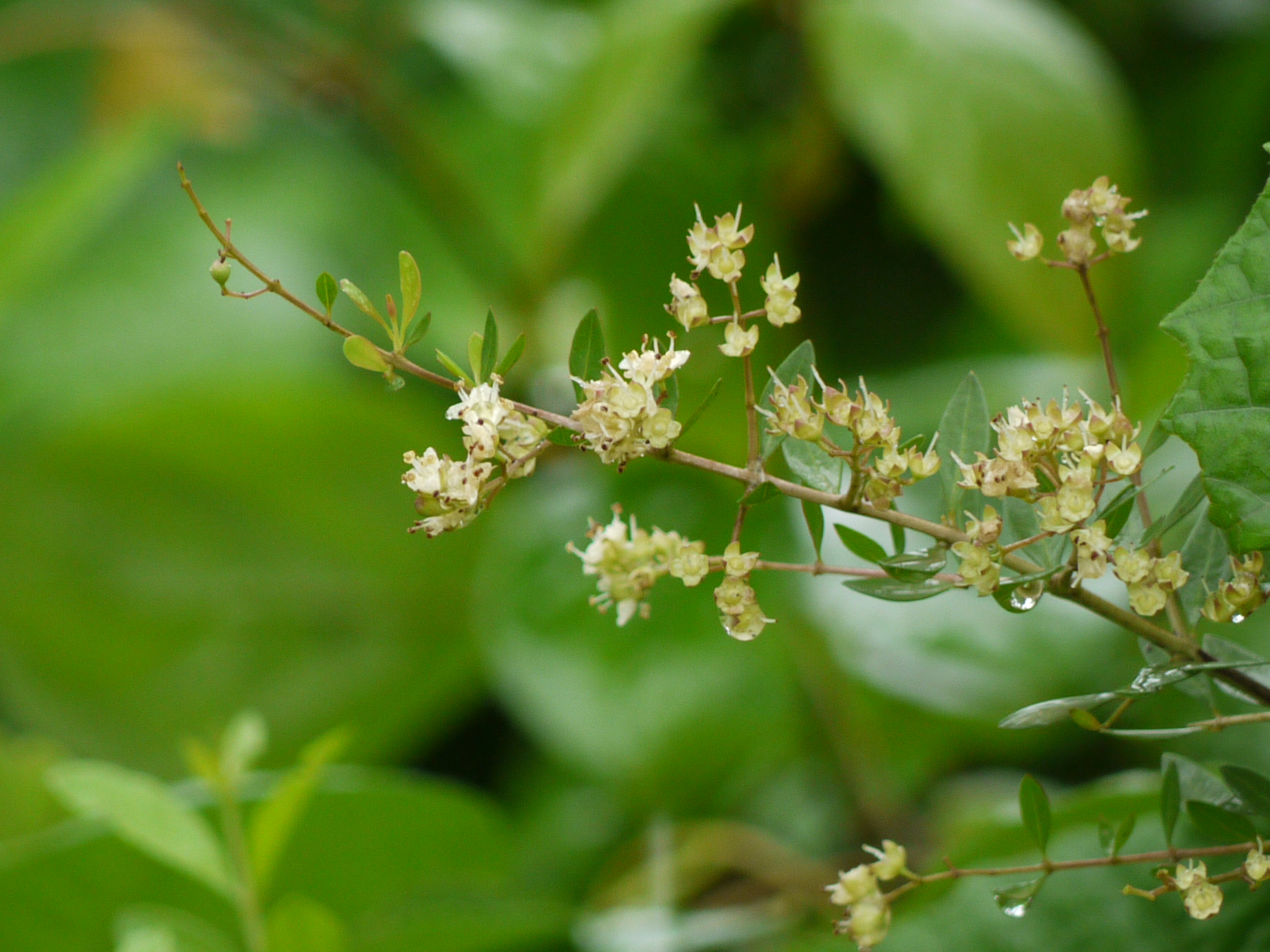
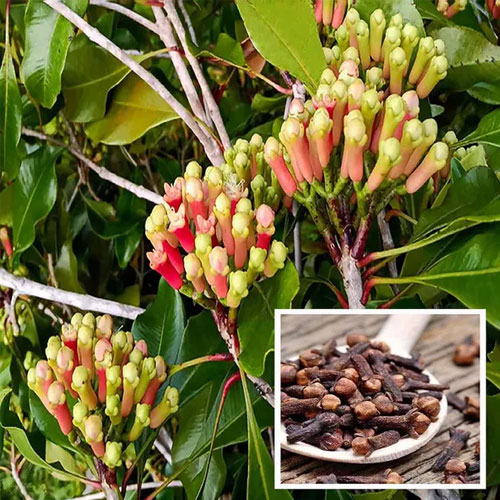
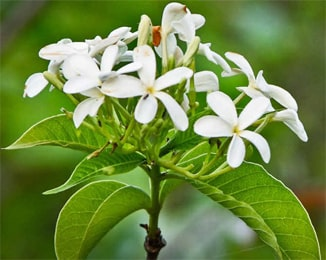


Myristica fragrans, Myristicaceae
Introduction to Jatiphala
Jatiphala, commonly known as Nutmeg, is a highly aromatic and valuable spice used in Ayurveda for centuries. Scientifically identified as Myristica fragrans, it is renowned for its benefits in improving digestion, sleep quality, mental calmness, and overall wellness.
In Ayurvedic medicine, Jatiphala is considered a warming herb that helps balance Vata and Kapha doshas while strengthening digestion and calming the nervous system. Due to its soothing and mildly sedative properties, it has traditionally been used for insomnia, anxiety, digestive discomfort, and weakness.
Beyond its medicinal value, Jatiphala is also widely used as a culinary spice because of its rich aroma and flavor.
Jatiphala, commonly known as Nutmeg, is a famous medicinal spice used in Ayurveda for digestive health, nervous system support, sleep disorders, and reproductive health. It is widely used in Ayurvedic medicine as well as traditional cooking because of its strong aroma and powerful therapeutic properties.
In classical Ayurvedic texts such as Bhavaprakasha Nighantu, Jatiphala is described as a valuable herb that improves digestion, strengthens the nervous system, and supports overall vitality.
Due to its warming and stimulating nature, Jatiphala is considered a natural tonic for digestive and mental health.
Botanical Description (Detailed)
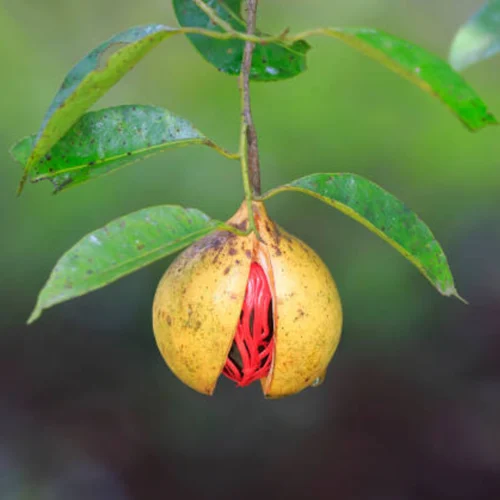
Jatiphala, scientifically known as Myristica fragrans, is an aromatic evergreen tree famous for producing the valuable spices nutmeg (seed) and mace (seed covering). It belongs to the Myristicaceae family and is widely cultivated in tropical regions for its medicinal, culinary, and commercial importance.
🔹 Scientific Classification
- Kingdom: Plantae
- Order: Magnoliales
- Family: Myristicaceae
- Genus: Myristica
- Species: M. fragrans
🔹 Morphology
- Height: 10–20 meters
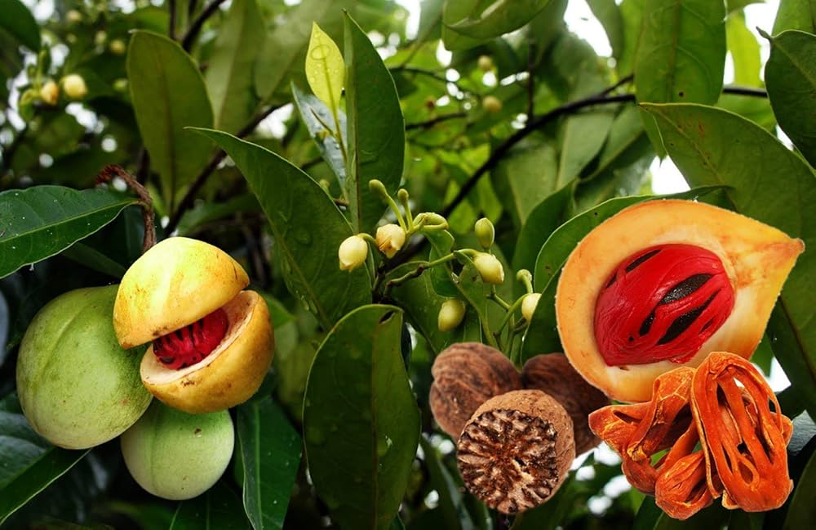
- Leaves: Dark green, glossy, aromatic
- Flowers: Small yellowish flowers
- Fruit: Yellow fleshy fruit containing seed
The seed inside the fruit is the medicinal nutmeg.
General Habit
Jatiphala is a medium to large evergreen tropical tree that can grow between 10–20 meters in height. It has a dense crown with aromatic leaves and thrives in warm, humid climates.
🔸 Root System
- Strong taproot system
- Well-developed lateral roots
- Helps absorb nutrients efficiently in tropical soils
🔸 Stem & Bark
- Straight trunk with spreading branches
- Bark is greyish-brown and slightly smooth
- Inner bark contains aromatic compounds
The bark has mild medicinal properties but is less commonly used.
🔸 Leaves
- Simple, alternate leaves
- Dark green, glossy, and leathery
- Oval to lance-shaped with pointed tips
- Aromatic when crushed
Leaves contain essential oils contributing to the plant’s fragrance.
🔸 Flowers
- Small, pale yellow flowers
- Bell-shaped and mildly fragrant
- Male and female flowers often grow on separate trees (dioecious nature)
Flowering occurs seasonally in tropical climates.
🔸 Fruits
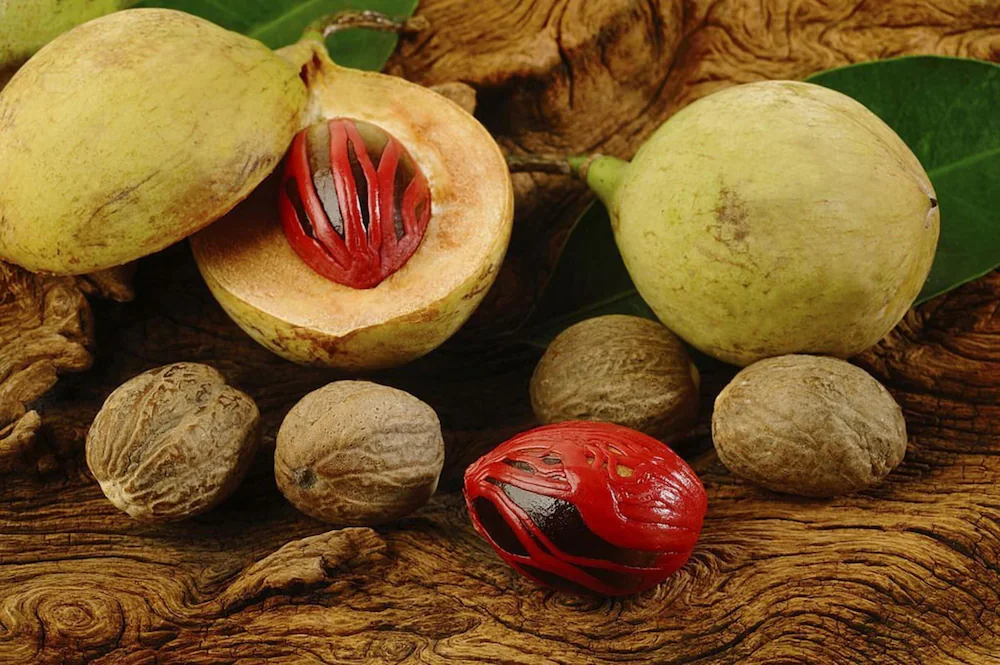
- Fleshy, yellowish fruit resembling an apricot or pear
- Splits open naturally when ripe
Inside the fruit:
- Seed: Nutmeg (Jatiphala)
- Red aril covering: Mace (Javitri)
Both nutmeg and mace are medicinally valuable spices.
🔸 Seeds (Nutmeg)
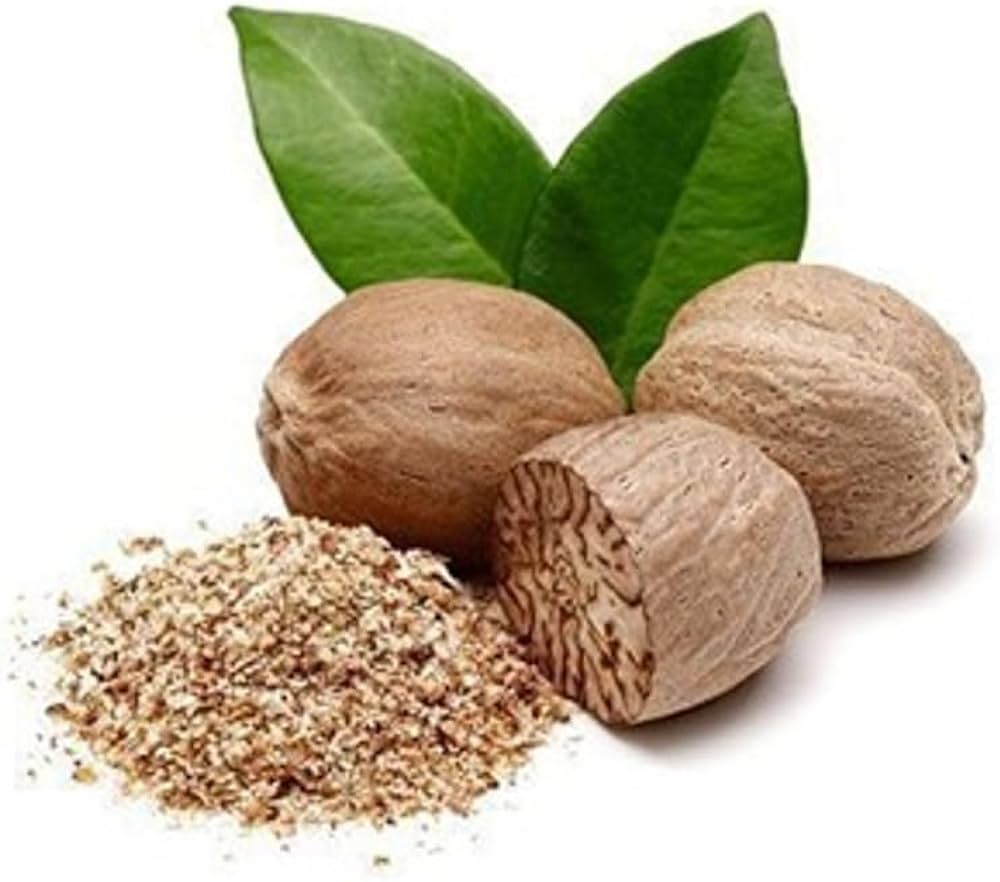
- Oval-shaped, hard seed
- Brown outer surface with marbled interior
- Highly aromatic due to volatile oils
Nutmeg is the primary medicinal and culinary part.
Habitat & Distribution
Jatiphala is native to:
- Indonesia (Moluccas or Spice Islands)
Now cultivated in:
- India (especially Kerala)
- Sri Lanka
- Malaysia
- Caribbean regions
Growth Conditions
- Soil: Rich, well-drained tropical soil
- Water: Requires regular rainfall and humidity
- Sunlight: Partial to full sunlight
- Climate: Warm, humid tropical climate
Thrives best in coastal tropical environments.
Growth & Lifecycle
- Type: Evergreen perennial tree
- Growth Rate: Moderate
- Fruit-bearing Age: Around 7–9 years
- Lifespan: Long-lived tree
Special Botanical Features
- Produces two spices from one fruit (nutmeg and mace)
- Strong aromatic essential oils
- Evergreen foliage year-round
- Valuable commercial spice crop
Identification in Nature
Jatiphala can be identified by:
- Glossy aromatic leaves
- Yellow fleshy fruits
- Red lace-like mace around seed
- Evergreen tropical tree structure
Important Note
The seeds of Myristica fragrans are highly potent and should be used carefully in medicinal preparations, as excessive consumption may cause adverse effects.
Summary
Jatiphala (Myristica fragrans) is a tropical evergreen spice tree known for its aromatic fruits containing nutmeg and mace. With glossy leaves, fragrant flowers, and medicinally rich seeds, it remains one of the most important plants in Ayurveda and traditional herbal medicine for supporting digestion, sleep, and nervous system health.
Ayurvedic Properties
Jatiphala, botanically known as Myristica fragrans, is a warming and aromatic Ayurvedic herb widely used for improving digestion, sleep, nervous balance, and overall vitality. Its unique combination of stimulating and calming properties makes it especially valuable for balancing Vata and Kapha doshas.
🔹 Rasa (Taste)
- Tikta (Bitter)
- Katu (Pungent)
- Kashaya (Astringent)
These tastes help:
- Improve digestion
- Reduce intestinal gas and bloating
- Control excess secretions and loose stools
🔹 Guna (Qualities)
- Laghu (Light)
- Snigdha (Slightly Unctuous/Oily)
These qualities support:
- Easy digestion
- Nervous system nourishment
- Relaxation and stability
🔹 Virya (Potency)
- Ushna (Hot/Warming)
Warming potency helps:
- Stimulate digestive fire (Agni)
- Reduce coldness and sluggishness
- Calm Vata-related nervous disturbances
🔹 Vipaka (Post-digestive Effect)
- Katu (Pungent Vipaka)
This contributes to:
- Improved metabolism
- Kapha reduction
- Digestive cleansing
🔹 Dosha Effect (Doshic Action)
- Pacifies Vata and Kapha
- May increase Pitta if overused
Particularly beneficial in:
- Nervous weakness
- Poor digestion
- Cold and sluggish conditions
Functional Ayurvedic Actions
Jatiphala possesses several important Ayurvedic actions:
🔹 Deepana-Pachana (Digestive Stimulant)
Enhances:
- Appetite
- Digestion
- Nutrient absorption
🔹 Nidrajanana (Promotes Sleep)
Helps:
- Calm the mind
- Improve sleep quality
- Reduce restlessness
🔹 Grahi (Absorbent)
Useful in:
- Loose stools
- Weak intestinal function
🔹 Hridya (Supports Heart & Mind)
Promotes emotional balance and relaxation
🔹 Vatanulomana
Regulates Vata movement and reduces nervous tension
Effect on Agni (Digestive Fire)
Jatiphala:
- Stimulates weak digestion
- Helps digest Ama (toxins)
- Reduces bloating and heaviness
Especially useful in cold digestive disorders.
Effect on Dhatus (Body Tissues)
Jatiphala acts mainly on:
- Rasa Dhatu (Plasma): Nourishes and stabilizes
- Majja Dhatu (Nervous tissue): Supports mental calmness
- Annavaha system (Digestive system): Improves digestive efficiency
Strongest influence is on the digestive and nervous systems.
Role in Sleep & Mental Wellness
Jatiphala is traditionally used for:
- Insomnia
- Anxiety
- Nervous irritability
Its calming aroma and warming nature help relax the nervous system.
Effect on Srotas (Body Channels)
Jatiphala supports:
- Annavaha Srotas (digestive channels)
- Manovaha Srotas (mental channels)
Helps maintain healthy digestion and mental balance.
Dosha-Specific Benefits
🔹 For Vata
- Calms nervousness and dryness
- Promotes warmth and stability
🔹 For Kapha
- Reduces heaviness and sluggish digestion
- Stimulates metabolism
🔹 For Pitta
- Use cautiously in excess heat conditions
- Excessive intake may increase body heat
Practical Ayurvedic Insight
- Best used:
- At night for sleep support
- After meals for digestion
- Often combined with:
- Milk (for sleep)
- Cardamom (for digestion)
- Ashwagandha (for nervous balance)
Combination improves both digestive and calming effects.
Ayurvedic Precautions
- Always use in small quantities
- Excess may cause:
- Excess heat
- Drowsiness
- Nausea
- Avoid high doses during pregnancy
Summary
Jatiphala (Myristica fragrans) is a warming Ayurvedic herb with bitter, pungent, and astringent taste; light and slightly unctuous qualities; and hot potency. It is especially effective for improving digestion, sleep, nervous balance, and overall vitality, primarily by balancing Vata and Kapha doshas.
When used properly and moderately, it acts as a valuable natural remedy for maintaining digestive comfort, restful sleep, and mental calmness.
Plant Description
Jatiphala is obtained from the seeds of an evergreen tree that grows in tropical climates. The plant has:
- Large glossy green leaves
- Small yellow flowers
- Fruit similar to apricot
- Hard seed inside the fruit (nutmeg)
The outer covering of the seed produces mace (Javitri), another valuable spice.
The tree is mainly cultivated in India, Indonesia, Sri Lanka, and tropical regions.
Mechanism of Action
Jatiphala works by:
- Relaxing the nervous system
- Improving digestive secretions
- Reducing intestinal spasms
- Supporting mental calmness
Habitat & Distribution
Native to:
- Indonesia (Moluccas)
Cultivated in:
- India
- Sri Lanka
- Tropical regions worldwide
Comparison with Other Herbs
| Herb | Main Benefit | Strength |
|---|---|---|
| Jatiphala | Sleep & digestion | Strong |
| Ashwagandha | Stress relief | Strong |
| Cardamom | Digestion | Moderate |
Active Chemical Compounds
Jatiphala contains many bioactive compounds such as:
- Myristicin
- Elemicin
- Eugenol
- Safrole
- Essential oils
- Antioxidants
- Terpenes
These compounds provide digestive, sedative, and anti-inflammatory effects.
Health Benefits of Jatiphala
1. Improves Digestion
Jatiphala is widely used to strengthen digestion.
Benefits:
- Reduces indigestion
- Controls diarrhea
- Improves appetite
- Reduces gas and bloating
It stimulates digestive fire (Agni).
2. Natural Remedy for Insomnia
Jatiphala is known for its mild sedative properties.
Benefits:
- Improves sleep quality
- Calms the nervous system
- Reduces stress and anxiety
- Promotes relaxation
A small amount with warm milk helps in better sleep.
3. Supports Brain and Memory
Jatiphala is beneficial for brain function.
- Improves concentration
- Enhances memory
- Reduces mental fatigue
- Supports nervous system health
4. Helps in Diarrhea and Loose Motions
Due to its astringent property, Jatiphala helps in:
- Controlling diarrhea
- Reducing intestinal infections
- Strengthening bowel function
It is used in many digestive formulations.
5. Improves Sexual Health
In Ayurveda, Jatiphala is considered a mild aphrodisiac.
Benefits:
- Improves libido
- Supports reproductive health
- Enhances vitality
- Reduces sexual weakness
6. Supports Oral Health
Jatiphala has antibacterial properties.
Benefits:
- Reduces bad breath
- Prevents tooth decay
- Relieves gum pain
- Improves oral hygiene
7. Relieves Pain and Inflammation
Jatiphala oil is used externally for:
- Joint pain
- Muscle pain
- Arthritis
- Swelling
It improves circulation and reduces inflammation.
8. Improves Skin Health
Jatiphala paste is beneficial for skin.
Benefits:
- Reduces acne
- Removes blemishes
- Improves skin glow
- Prevents infections
Uses of Jatiphala in Ayurveda
Jatiphala is used in many Ayurvedic medicines such as:
- Jatiphala Churna
- Jatiphala Taila
- Digestive formulations
- Nervine tonics
It is also widely used as a spice in food.
Medicinal Parts Used
| Plant Part | Uses |
|---|---|
| Seed | Digestive, nerve tonic |
| Oil | Pain relief |
| Powder | Sleep and digestion |
| Paste | Skin care |
Dosage of Jatiphala
Always consult an Ayurvedic doctor for regular use.
General Dosage
| Form | Quantity |
|---|---|
| Powder | 250 mg – 1 g |
| Oil | External use |
| Whole spice | Small pinch in food |
Excess intake should be avoided.
Best Time to Take Jatiphala
- For digestion → After meals
- For sleep → Before bedtime with milk
- For weakness → Morning in small dose
Home Remedies Using Jatiphala
For Better Sleep
Mix:
- A pinch of Jatiphala powder
- Warm milk
Drink before bedtime.
For Acne
Make paste of:
- Nutmeg powder + milk
Apply on face.
For Diarrhea
Mix:
- Nutmeg powder + honey
Take small quantity.
For Tooth Pain
Apply:
- Nutmeg oil on affected tooth.
Side Effects of Jatiphala
Excess use may cause:
- Nausea
- Dizziness
- Hallucinations
- Increased body heat
- Liver stress
High doses are toxic.
Precautions
- Use only in small quantity
- Avoid during pregnancy
- Do not use for children without advice
- Avoid overdose
- Consult doctor if taking medications
Jatiphala in Modern Research
Modern scientific studies show that Jatiphala has:
- Antioxidant activity
- Antibacterial properties
- Anti-inflammatory effects
- Neuroprotective potential
- Digestive benefits
These findings support its traditional use in Ayurveda.
Importance of Jatiphala in Daily Life
Regular and proper use of Jatiphala helps in:
- Better digestion
- Healthy sleep
- Improved brain function
- Strong immunity
- Balanced metabolism
That is why Jatiphala is considered a valuable medicinal spice in Ayurveda.
Vernacular names
Assamese : Jaiphal, Kanivish
Bengali : Jaiphala, Jaitri
English : Nutmeg
Gujrati : Jaiphala, Jayfar
Hindi : Jaiphal
Kannada : Jadikai, Jaykai, Jaidikai
Kashmiri : Jafal
Malayalam : Jatika
Marathi : Jaiphal
Oriya : Jaiphal
Punjabi : Jaiphal
Tamil : Sathikkai, Jathikkai, Jatikkai,
Jadhikai, Jadhikkai
Telugu : Jajikaya
Urdu : Jauzbuwa, Jaiphal
Conclusion
Jatiphala (Nutmeg) is a powerful medicinal spice that supports digestion, brain health, sleep, and reproductive vitality. When used in small quantities and under proper guidance, it provides numerous health benefits and enhances overall wellness.
From ancient Ayurvedic texts to modern herbal research, Jatiphala continues to be an important natural remedy for maintaining health.
Jatiphala, scientifically known as Myristica fragrans, is a highly valued Ayurvedic herb and aromatic spice known for its remarkable benefits in supporting digestion, sleep, mental calmness, and overall wellness. Its warming and soothing properties help balance Vata and Kapha doshas, making it especially useful for conditions related to nervous tension, weak digestion, and restlessness.
Traditionally used in small amounts, Jatiphala helps stimulate digestive fire, reduce bloating, promote restful sleep, and calm the mind naturally. Its rich aromatic compounds and therapeutic actions make it an important ingredient in many Ayurvedic remedies and daily wellness practices.
However, due to its potency, it should always be used in moderation and with proper guidance. Excessive intake may lead to unwanted side effects. When incorporated wisely into a balanced lifestyle, Jatiphala can provide a natural and holistic approach to maintaining healthy digestion, emotional balance, and restorative sleep.
