

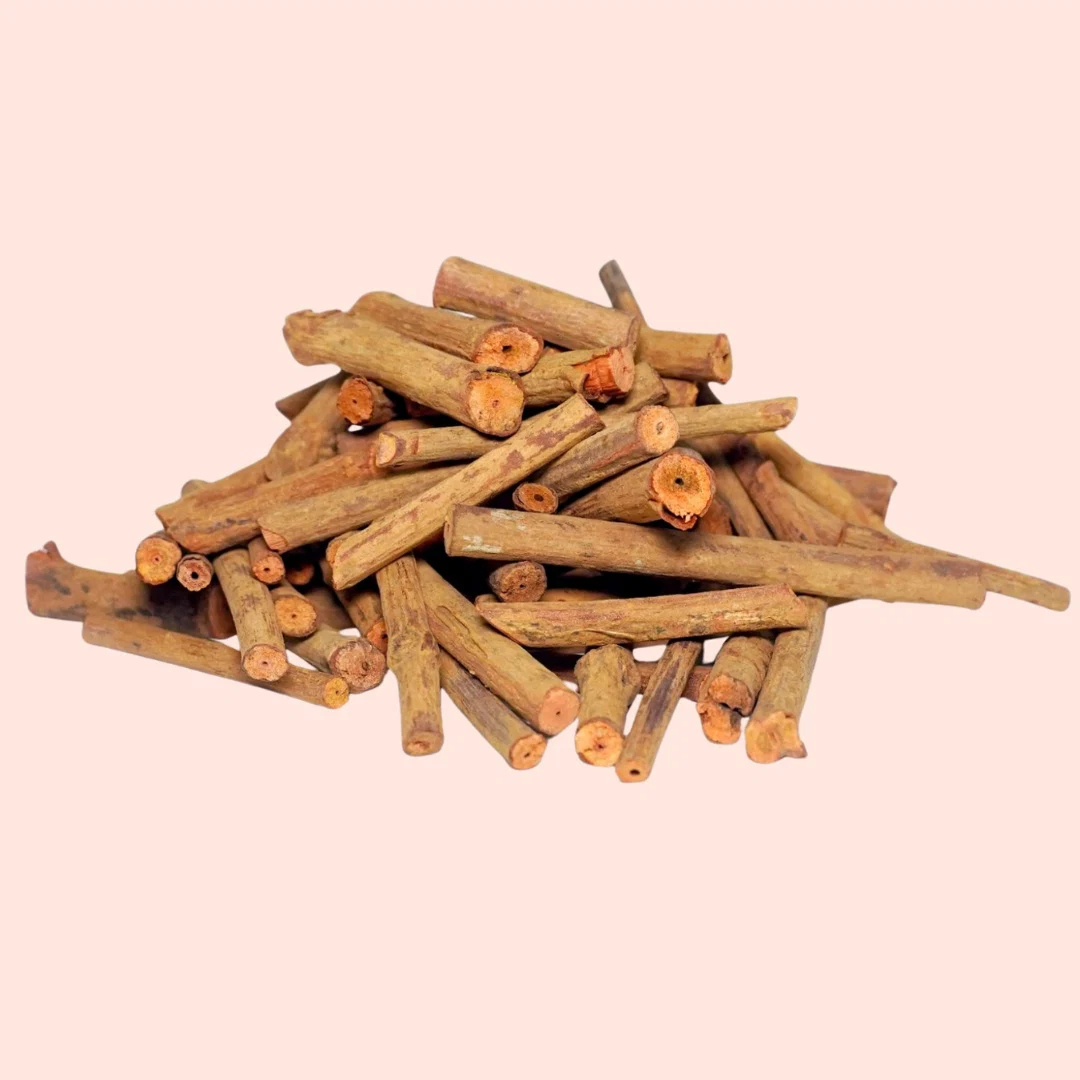
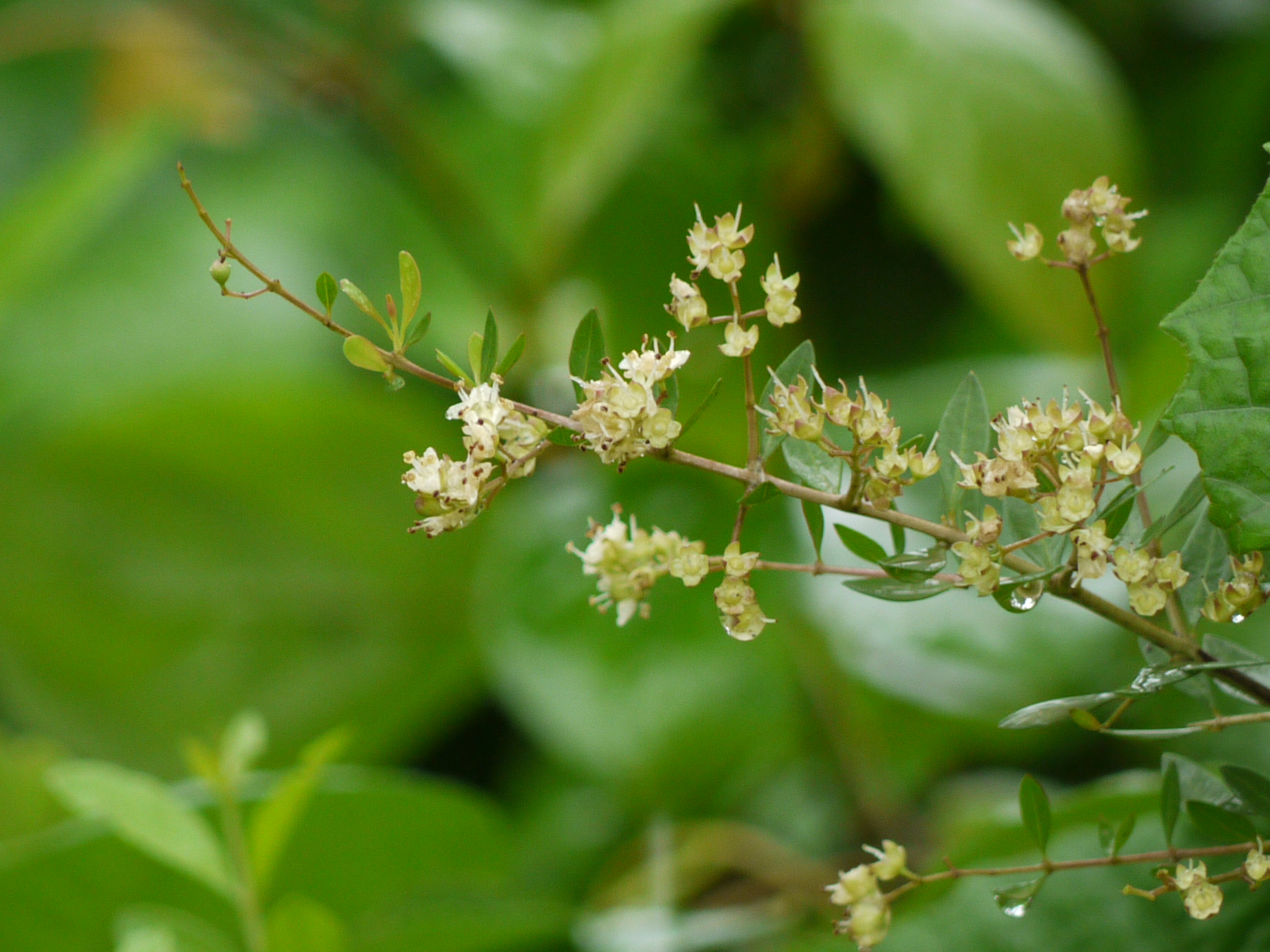

Andrographis paniculata, Acanthaceae
Introduction to Kalamegha
Kalamegha is a powerful medicinal herb widely used in Ayurveda for liver protection, fever management, digestion improvement, and immune system support. It is famous for its extremely bitter taste and strong detoxifying action.
In classical Ayurvedic literature such as Bhavaprakasha Nighantu, Kalamegha is described as a valuable herb for treating fever, liver disorders, skin diseases, and infections.
Because of its strong medicinal activity and intense bitterness, Kalamegha is often called “King of Bitters” in herbal medicine.
Kalamegha is one of the most powerful bitter herbs in Ayurveda, widely respected for its ability to support liver health, detoxification, immunity, and fever management. Scientifically known as Andrographis paniculata, this herb is often called the “King of Bitters” because of its intensely bitter taste and strong cleansing action.
In Ayurveda, Kalamegha is traditionally used for treating fever (Jwara), liver disorders, digestive toxins (Ama), skin diseases, and infections. Its cooling and detoxifying nature makes it especially effective in balancing Pitta and Kapha doshas.
Modern herbal research has also highlighted Kalamegha for its hepatoprotective, antiviral, anti-inflammatory, and immune-supportive properties, making it one of the most important herbs for holistic wellness.
Botanical Description
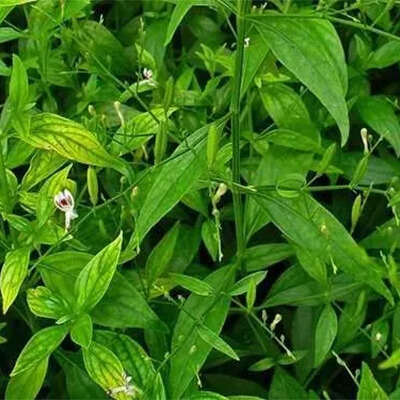
Kalamegha, scientifically known as Andrographis paniculata, is a small annual medicinal herb widely used in Ayurveda for its powerful detoxifying and liver-supportive properties. It belongs to the Acanthaceae family and is famous for its extremely bitter taste, which gives it the title “King of Bitters.”
🔹 Scientific Classification
- Kingdom: Plantae
- Order: Lamiales
- Family: Acanthaceae
- Genus: Andrographis
- Species: A. paniculata
Morphology
- Height: 30–110 cm
- Stem: Green, slender, branched
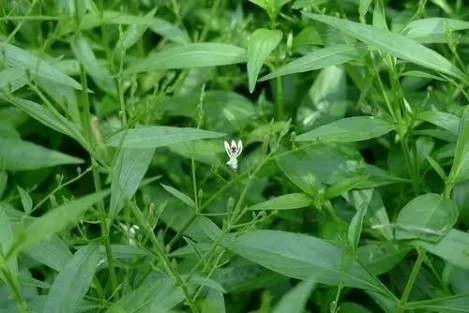
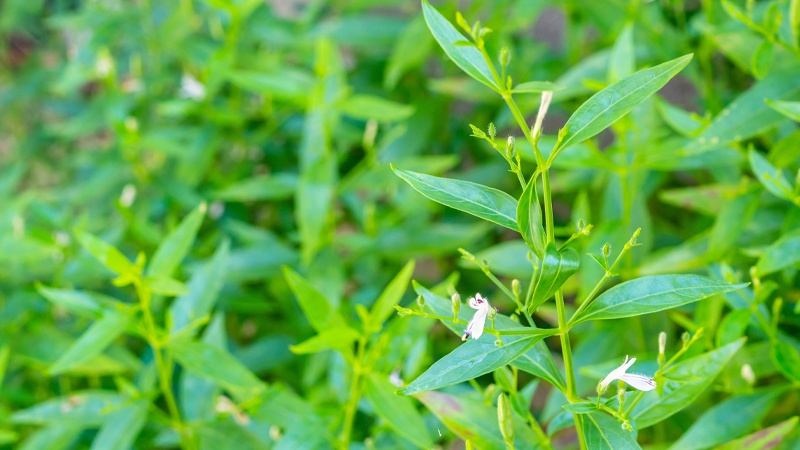
- Leaves: Lance-shaped, dark green
- Flowers: Small white flowers with purple markings
- Fruit: Narrow capsule containing seeds
The plant is known for its extremely bitter taste.
General Habit
Kalamegha is an erect, branched annual herb that usually grows between 30–110 cm in height. The plant has a slender appearance with numerous branches and thrives in tropical and subtropical climates.
🔸 Root System
- Thin taproot system
- Moderately branched roots
- Light brown in color
Roots help anchor the plant in moist soils.
🔸 Stem
- Green, smooth, and quadrangular (four-angled)
- Slender and highly branched
- Soft but firm texture
The stem is one of the identifying characteristics of the plant.
🔸 Leaves
- Simple, opposite leaves
- Shape: Lanceolate (long and narrow)
- Dark green in color
- Smooth surface with pointed tips
- Typically 2–8 cm long
Leaves contain many of the herb’s active medicinal compounds.
🔸 Flowers
- Small and delicate
- White petals with purple or pink markings
- Arranged in loose spreading clusters (panicles)
Flowering usually occurs during the rainy and post-rainy season.
🔸 Fruits
- Narrow linear capsules
- Approximately 1–2 cm long
- Split open when mature
🔸 Seeds
- Small, yellowish-brown seeds
- Numerous within each capsule
- Slightly rough texture
Seeds are used for propagation.
Habitat & Distribution
Kalamegha is native to:
- India
- Sri Lanka
It is also cultivated in:
- Southeast Asia
- Tropical regions worldwide
Commonly found in:
- Moist wastelands
- Roadsides
- Open grasslands
- Cultivated medicinal gardens
Growth Conditions
- Soil: Well-drained loamy soil
- Water: Moderate moisture required
- Sunlight: Full to partial sunlight
- Climate: Warm tropical climate
Grows best during the monsoon season.
Growth & Lifecycle
- Type: Annual herb
- Growth Rate: Fast
- Flowering: Rainy season
- Seed Formation: Late rainy to autumn season
Special Botanical Features
- Extremely bitter taste
- Four-angled stem
- Medicinally active leaves
- Adaptability to tropical climates
Identification in Nature
Kalamegha can be identified by:
- Slender green stems
- Long narrow leaves
- Tiny white-purple flowers
- Strong bitter taste
Important Note
The whole plant of Andrographis paniculata is medicinal, but the leaves and aerial parts are most commonly used in Ayurvedic formulations.
Summary
Kalamegha (Andrographis paniculata) is a small but powerful medicinal herb characterized by its slender branched stem, lance-shaped leaves, and tiny white-purple flowers. Its intense bitterness and therapeutic value make it one of Ayurveda’s most important herbs for liver detoxification, fever management, and immune support.
Ayurvedic Properties
Kalamegha, botanically known as Andrographis paniculata, is one of Ayurveda’s most powerful detoxifying and fever-reducing herbs. Its intensely bitter taste and cooling energy make it highly effective for liver disorders, fever, infections, skin diseases, and toxin accumulation (Ama).
🔹 Rasa (Taste)
- Tikta (Bitter) — dominant taste
Bitter taste helps:
- Detoxify blood and liver
- Reduce heat and inflammation
- Destroy toxins and microbes
- Improve metabolic cleansing
🔹 Guna (Qualities)
- Laghu (Light)
- Ruksha (Dry)
These qualities support:
- Reduction of heaviness and sluggishness
- Drying excess Kapha and toxins
- Enhancement of metabolic activity
🔹 Virya (Potency)
- Sheeta (Cooling)
Cooling potency helps:
- Reduce fever and body heat
- Calm inflammation
- Balance aggravated Pitta
🔹 Vipaka (Post-digestive Effect)
- Katu (Pungent Vipaka)
This supports:
- Detoxification
- Clearing of channels (Srotoshodhana)
- Reduction of Ama accumulation
🔹 Dosha Effect (Doshic Action)
- Pacifies Pitta and Kapha
- May increase Vata if overused
Particularly useful in:
- Fever and inflammation (Pitta disorders)
- Toxin accumulation and sluggish digestion (Kapha disorders)
Functional Ayurvedic Actions
Kalamegha possesses several important Ayurvedic actions:
🔹 Jwaraghna (Fever Reducer)
Traditionally used for:
- Viral fever
- Seasonal fever
- Heat-related illness
🔹 Yakritottejaka (Liver Stimulant)
Supports:
- Liver cleansing
- Bile secretion
- Liver regeneration
🔹 Deepana-Pachana
Enhances:
- Digestive fire (Agni)
- Digestion of Ama (toxins)
🔹 Raktashodhaka (Blood Purifier)
Cleanses blood and improves skin health
🔹 Krimighna (Antimicrobial)
Helps destroy:
- Bacteria
- Viruses
- Parasites
Effect on Agni (Digestive Fire)
Kalamegha:
- Stimulates weak digestion
- Helps digest metabolic toxins
- Clears sluggishness caused by Kapha
Useful in Ama-related digestive disorders.
Effect on Dhatus (Body Tissues)
Kalamegha mainly acts on:
- Rakta Dhatu (Blood): Detoxifies and purifies
- Rasa Dhatu (Plasma): Cleanses body fluids
- Yakrit (Liver tissue): Supports healthy liver function
Strongest action is on blood and liver systems.
Role in Liver & Skin Health
Kalamegha is highly effective in:
- Fatty liver support
- Jaundice
- Acne and toxin-related skin disorders
By purifying blood and liver, it improves overall skin health.
Effect on Srotas (Body Channels)
Kalamegha cleanses:
- Raktavaha Srotas (blood channels)
- Annavaha Srotas (digestive channels)
Helps remove toxins and improve circulation.
Dosha-Specific Benefits
🔹 For Pitta
- Strong cooling and anti-inflammatory action
- Reduces fever and burning sensation
🔹 For Kapha
- Clears toxins and sluggishness
- Improves digestion and metabolism
🔹 For Vata
- Use cautiously
- Excess may increase dryness and weakness
Practical Ayurvedic Insight
- Best used in:
- Fever
- Liver disorders
- Skin diseases caused by toxins
- Often combined with:
- Kutki (for liver support)
- Neem (for blood purification)
- Bhumyamalaki (for jaundice)
Combination enhances detoxification and immune support.
Ayurvedic Precautions
- Avoid excessive use due to strong bitterness
- Not ideal for very weak or dry individuals
- Use cautiously during pregnancy
Summary
Kalamegha (Andrographis paniculata) is a powerful Ayurvedic herb with intense bitter taste, light and dry qualities, and cooling potency. It is especially effective for liver detoxification, fever reduction, blood purification, and toxin removal, primarily balancing Pitta and Kapha doshas.
When used properly, it provides strong support for liver health, immunity, digestion, and overall detoxification.
Health Benefits of Kalamegha
1. Powerful Liver Protector
Kalamegha is widely used for liver health.
Benefits:
- Protects liver cells
- Improves bile secretion
- Helps in fatty liver
- Supports treatment of jaundice
- Detoxifies the liver
It is one of the best Ayurvedic herbs for hepatoprotection.
2. Effective in Fever Management
Kalamegha is traditionally used for various types of fever.
Benefits:
- Reduces body temperature
- Helps in viral fever
- Useful in malaria and dengue support
- Improves recovery after illness
In South India, Nilavembu decoction is widely used during viral outbreaks.
3. Boosts Immune System
Kalamegha strengthens immune defense.
Benefits:
- Enhances immunity
- Protects against infections
- Reduces inflammation
- Improves disease resistance
It is widely used in immune-boosting formulations.
4. Improves Digestion
Kalamegha helps stimulate digestion.
Benefits:
- Improves appetite
- Reduces indigestion
- Treats constipation
- Removes intestinal toxins
Its bitter taste stimulates digestive enzymes.
5. Purifies Blood
Kalamegha works as a natural blood purifier.
Benefits:
- Removes toxins
- Improves skin health
- Reduces acne and boils
- Prevents infections
6. Helps in Skin Diseases
Due to its detoxifying effect, Kalamegha helps treat:
- Eczema
- Psoriasis
- Skin allergies
- Itching
It purifies blood and reduces inflammation.
7. Supports Respiratory Health
Kalamegha helps relieve respiratory problems.
Benefits:
- Reduces cough
- Helps in cold and flu
- Clears chest congestion
- Improves breathing
8. Helps Control Blood Sugar
Kalamegha may help manage diabetes.
Benefits:
- Improves glucose metabolism
- Supports pancreatic function
- Reduces blood sugar levels
(Should be taken under medical supervision.)
Therapeutic Applications
🔹 Liver Disorders
- Fatty liver
- Hepatitis (supportive care)
- Jaundice
🔹 Fever & Infection
- Viral fever
- Seasonal flu
🔹 Digestive Disorders
- Loss of appetite
- Toxin accumulation (Ama)
🔹 Skin Disorders
- Acne
- Eczema
Ayurvedic Formulations
Kalamegha is used in:
- Kalamegha Churna
- Liver-support formulations
- Fever-management decoctions
Home Remedies
🔹 1. Kalamegha Decoction
- Boil leaves in water
Helps in fever and liver detox
🔹 2. Powder with Honey
Useful for digestion and immunity
How to Use
- Powder (Churna)
- Decoction (Kwath)
- Capsules/Tablets
Dosage Guidelines
| Form | Dosage |
|---|---|
| Powder | 1–3 grams |
| Decoction | 20–40 ml |
Uses of Kalamegha in Ayurveda
Kalamegha is used in many classical formulations such as:
- Kalmeghasava
- Nilavembu Kashayam
- Liver tonic preparations
- Blood-purifying medicines
It is also used as a single herb remedy.
Medicinal Parts Used
| Part | Uses |
|---|---|
| Leaves | Fever and liver disorders |
| Whole plant | Detoxification |
| Extract | Immune support |
| Powder | Digestive and liver tonic |
Dosage of Kalamegha
Always consult an Ayurvedic physician before regular use.
General Dosage
| Form | Quantity |
|---|---|
| Powder | 1–3 g |
| Decoction | 20–40 ml |
| Tablet | 1–2 tablets |
Dosage may vary depending on health condition.
Best Time to Take Kalamegha
- For liver health → Morning before meals
- For fever → As prescribed
- For immunity → Morning or evening
Side Effects of Kalamegha
Excess intake may cause:
- Nausea
- Loss of appetite
- Digestive irritation
- Low blood pressure
Avoid overdose.
Modern Research
Research on Andrographis paniculata suggests:
- Hepatoprotective effects
- Antiviral activity
- Immune-modulating properties
- Anti-inflammatory benefits
Mechanism of Action
Kalamegha works by:
- Enhancing liver enzyme activity
- Reducing oxidative stress
- Supporting immune response
- Eliminating toxins from blood and liver
Habitat & Distribution
Commonly found in:
- India
- Sri Lanka
- Southeast Asia
Comparison with Other Herbs
| Herb | Main Benefit | Strength |
|---|---|---|
| Kalamegha | Liver detox & fever | Very strong |
| Bhumyamalaki | Liver support | Strong |
| Neem | Blood purification | Strong |
Expert Tips
- Best for Pitta and Kapha disorders
- Combine with Bhumyamalaki for liver support
- Use during seasonal infections carefully and moderately
Precautions
- Avoid during pregnancy
- Consult doctor for long-term use
- Monitor blood sugar in diabetics
- Avoid excessive consumption
- Use quality herbal products
Importance of Kalamegha in Daily Life
Proper use of Kalamegha can help maintain:
- Healthy liver
- Strong immunity
- Clean blood
- Better digestion
- Resistance against infections
Because of its powerful detoxifying action, Kalamegha remains one of the most important medicinal herbs in Ayurveda.
Medicinal Uses
- Eczema: 50 gram total plant paste
mixed in 200 ml of sesame oil. This
mixture is cooked until, it is free of
moisture. This oil apply over the
skin lesions especially in eczema.
it is also effective in dandruff and
seborrhic dermatitis.
- Vishama jwara: Equal quantity
of Kalamegha plant powder,
Shunthi, black pepper powders
are mixed well. Taking this
mixture 3-5gms will hot water
three to four times a day, pacifies
recurrent fevers. - Intestinal worms: 3gms of
the leaves paste of kalamegha
consumed early morning on
empty stomach for a week, is very
beneficial in intestinal worms
especially in pin worms. it is also
found to be effective in recurrent
spasmodic pains and menstrual
pain. - Skin diseases: Equal amount of
neem and triphala powders are
mixed well. Administration of the
decoction (5gms of this mixture
boiled in 100ml of water till it
reduced to 1/4th), is used both
for internal and external purpose.
Externally it is used to wash the
wounds in case of chronic skin
diseases and in ulcers. Internal
administration twice daily is
effective in diabetes, itching skin
diseases and even in several eye
disorders. - Liver disorders: Intake of 10 ml
fresh juice of kalamegha with
honey twice or thrice daily is very
good for liver as Andrographis
protects the liver against toxins.
Vernacular names
English : The creat, king of bitters
Hindi : Kalamegha, Kalpanath
Bengali : Kalamegh
Gujarathi : Kariyathu, Litu Kariyat
Kannada : Nelabevu
Marathi : Kiriath
Telugu : Nelavemu
Urdu : Bhooinimo
Malayalam : Nelavepu, Nelavemu, Nilavaepu
Tamil : Nelavemu, Nilavembu
Conclusion
Kalamegha (Andrographis paniculata) is a powerful bitter herb known for its liver-protective, immune-boosting, and detoxifying properties. It is widely used in Ayurvedic medicine for treating fever, liver disorders, digestive problems, and infections.
When used properly under expert guidance, Kalamegha provides significant health benefits and supports long-term wellness.
Kalamegha, scientifically known as Andrographis paniculata, is one of Ayurveda’s most powerful herbs for liver detoxification, fever management, and immune support. Its intensely bitter taste and cooling nature make it highly effective in clearing toxins, reducing inflammation, and balancing aggravated Pitta and Kapha doshas.
Traditionally used for conditions such as fever, liver disorders, digestive toxins, skin diseases, and infections, Kalamegha works by strengthening the body’s natural cleansing processes and improving metabolic function. Its strong blood-purifying and antimicrobial properties further enhance its value as a holistic healing herb.
Modern research also supports many of its traditional uses, especially its role in protecting the liver and supporting immunity. However, due to its potent detoxifying action, it should be used in proper amounts and preferably under professional guidance.
When incorporated into a balanced Ayurvedic lifestyle, Kalamegha can help promote better liver function, stronger immunity, healthy digestion, and overall wellness naturally.
