


Introduction
Coltsfoot is a traditional medicinal herb widely known for its benefits in respiratory health. It has been used for centuries in European and Asian herbal medicine to treat coughs, bronchitis, and other lung-related conditions. The leaves and flowers of the plant are mainly used for medicinal purposes.
The name “Coltsfoot” comes from the shape of its leaves, which resemble a horse’s hoof.
Coltsfoot is a traditional medicinal herb well known for its beneficial effects on respiratory health. It has been used for centuries in European and Asian herbal medicine to treat coughs, bronchitis, and throat irritation. The leaves and flowers of the plant are mainly used for medicinal purposes.
This herb contains soothing compounds such as mucilage and flavonoids, which help calm irritated airways, reduce inflammation, and ease breathing. Because of these properties, coltsfoot has been widely used as a natural remedy for respiratory conditions and chest congestion.
With its long history of use and effectiveness in relieving cough and throat discomfort, coltsfoot continues to be valued in herbal medicine for supporting respiratory health and overall well-being.
Botanical Description
- Scientific Name: Tussilago farfara
- Family: Asteraceae
- Plant Type: Perennial herb
- Parts Used: Leaves and flowers
- Taste: Slightly bitter
- Nature: Cooling
Common Names
- English: Coltsfoot
- Other Names: Coughwort
Active Compounds
- Mucilage
- Flavonoids
- Tannins
These compounds provide soothing and anti-inflammatory effects.
Traditional Uses
1. Cough Relief
Coltsfoot is most famous for:
- Treating dry cough
- Soothing throat irritation
- Reducing persistent coughing
2. Respiratory Health
It helps in:
- Treating bronchitis
- Relieving asthma symptoms
- Clearing mucus
3. Anti-inflammatory Effects
Coltsfoot reduces:
- Inflammation in the respiratory tract
- Throat swelling
4. Sore Throat Treatment
It is used to:
- Soothe sore throat
- Reduce irritation
5. Skin Applications
Applied externally, it helps:
- Heal wounds
- Reduce skin inflammation
Methods of Use
- Herbal Tea: Leaves and flowers brewed in water
- Syrup: Used for cough relief
- Poultice: Applied to skin
Precautions
- Should not be used long-term
- Contains compounds that may affect the liver if overused
- Avoid during pregnancy
- Use under professional guidance
Side Effects
- Liver-related issues (with excessive use)
- Allergic reactions (rare)
Conclusion
Coltsfoot is a well-known herbal remedy for respiratory health, especially in treating coughs and throat irritation. Its soothing and anti-inflammatory properties make it effective for lung-related conditions. However, due to potential risks, it should be used carefully and in moderation.
Coltsfoot is a well-known traditional herb valued for its soothing and healing effects on the respiratory system. It has been widely used to relieve cough, reduce throat irritation, and support overall lung health. Its natural compounds help calm inflammation and ease breathing, making it an effective remedy for respiratory discomfort.
However, due to the presence of certain potentially harmful compounds, coltsfoot should be used with caution and only for short durations under proper guidance. Responsible use is important to ensure safety and effectiveness.
Overall, coltsfoot remains an important herbal remedy for respiratory support, combining traditional knowledge with natural healing benefits.
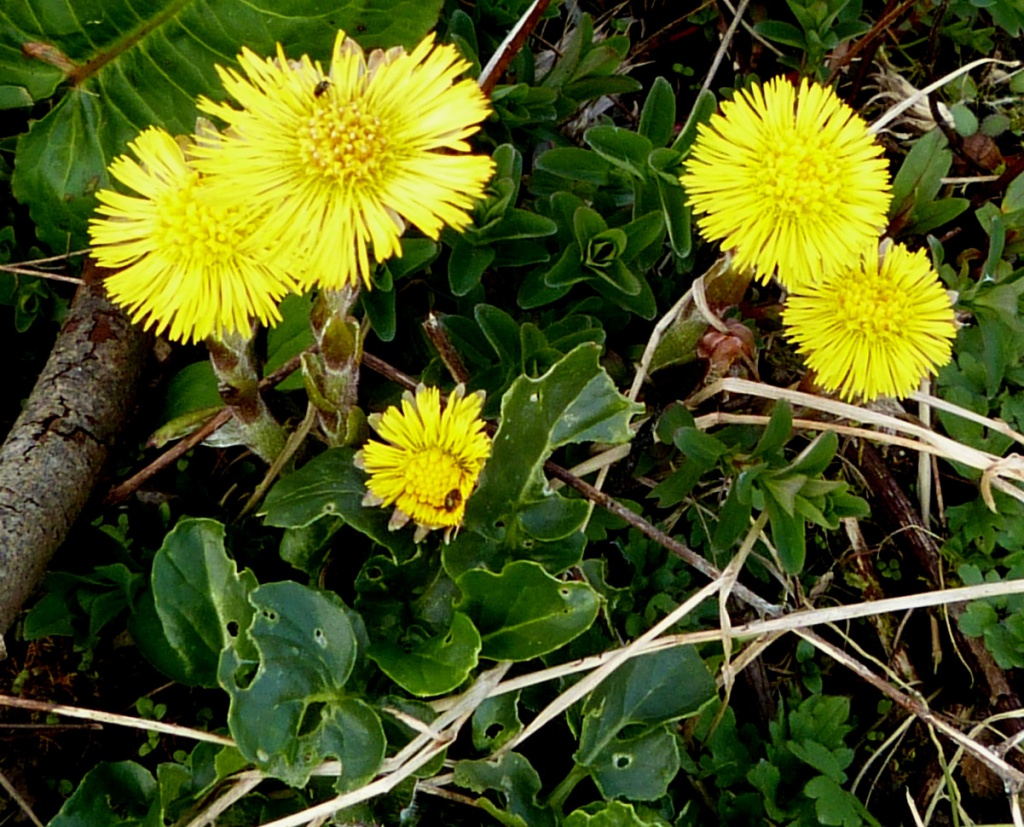
Coltsfoot (Tussilago farfara): A Natural Remedy for Respiratory Health.
Coltsfoot is a traditional lung-soothing herb known for its ability to relieve coughs, clear mucus, and support respiratory function. It has been used for centuries to treat bronchitis, asthma, and other lung conditions.
Effects of Coltsfoot on the Respiratory System:
✅ Relieves Coughs – Acts as a natural demulcent, coating and soothing the throat and airways.
✅ Clears Mucus & Congestion – Works as an expectorant, helping to loosen and expel phlegm.
✅ Reduces Lung Inflammation – Has anti-inflammatory properties, beneficial for bronchitis and asthma.
✅ Eases Breathing – Helps relax the bronchial tubes, making it easier to breathe.
✅ Supports Respiratory Recovery – Traditionally used for whooping cough, colds, and flu-related lung issues.
✅ Antibacterial & Antiviral – May help protect against respiratory infections.
How to Use Coltsfoot for Respiratory Health:
Coltsfoot Tea – Steep dried leaves and flowers for a lung-cleansing tea.
Tinctures & Capsules – Used for stronger respiratory support.
Herbal Steam – Inhaling coltsfoot-infused steam helps open airways and clear congestion.
Precautions:
🔹 Contains pyrrolizidine alkaloids (PAs), which can be harmful to the liver in large amounts—use in moderation.
🔹 Not recommended for pregnant women, nursing mothers, or individuals with liver conditions.
Coltsfoot is a gentle yet effective herbal remedy for coughs, mucus buildup, and overall lung health, making it a valuable ally for respiratory wellness.
Distribution
Coltsfoot is widespread across Europe, Asia, and North Africa, from Svalbard to Morocco and eastward to China and the Russian Far East. It is also a common plant in North and South America where it has been introduced, most likely by settlers as a medicinal item, or to provide early blooms for honeybees. The plant is often found in waste and disturbed places and along roadsides and paths. In some areas it is considered an invasive species.
Description
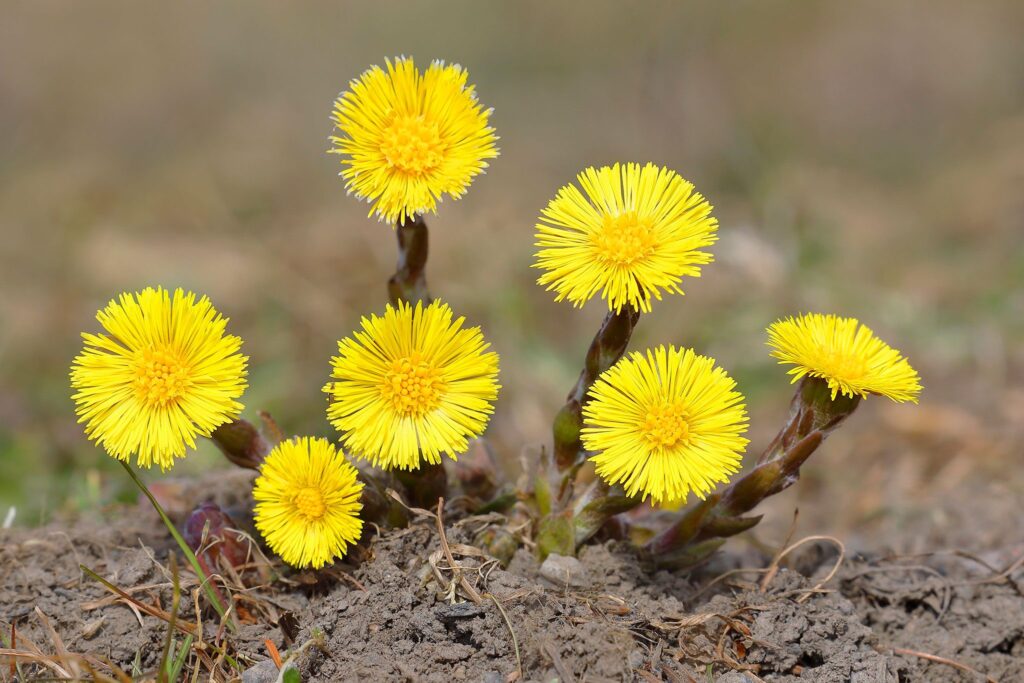
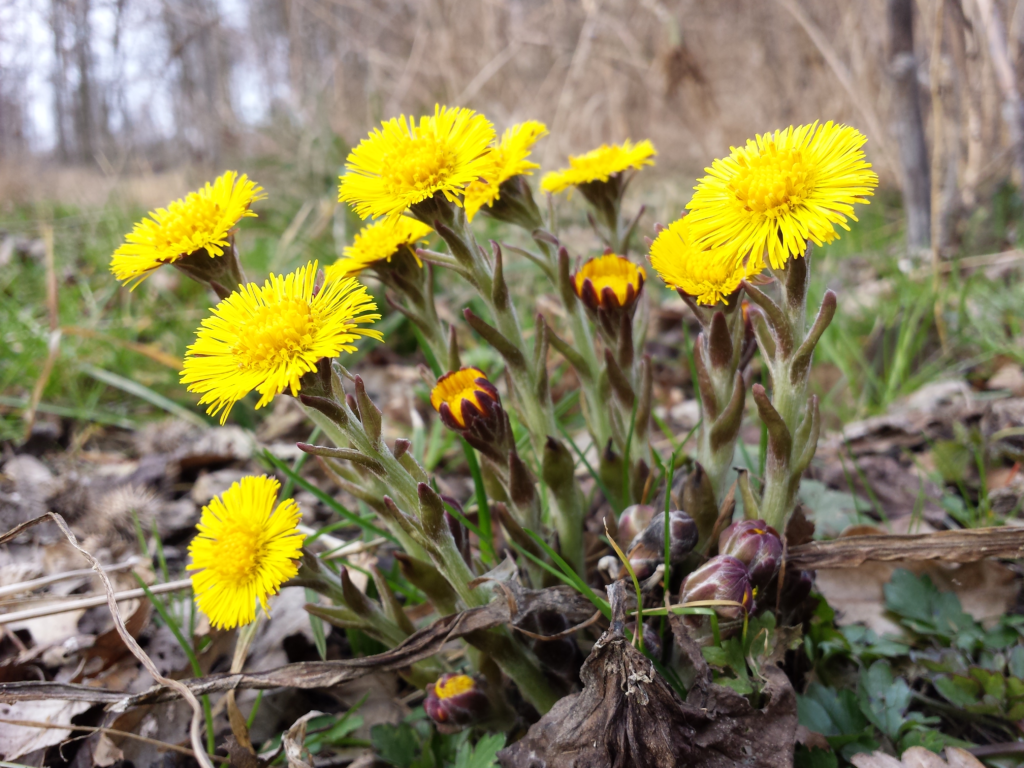
Coltsfoot is a perennial herbaceous plant that spreads by seeds and rhizomes. Tussilago is often found in colonies of dozens of plants. The flowers, which superficially resemble dandelions, bear scale-leaves on the long stems in early spring. The leaves of coltsfoot, which appear after the flowers have set seed, wither and die in the early summer. The flower heads are of yellow florets with an outer row of bracts. The plant is typically 5–15 cm (2.0–5.9 in) in height. The leaves have angular teeth on their margins.
Uses
Coltsfoot has been used in herbal medicine and has been consumed as a food product with some confectionery products, such as Coltsfoot Rock. Tussilago farfara leaves have been used in traditional Austrian medicine internally (as tea or syrup) or externally (directly applied) for treatment of disorders of the respiratory tract, skin, locomotor system, viral infections, flu, colds, fever, rheumatism and gout. An extract of the fresh leaves has also been used to make cough drops and hard candy.
Coltsfoot is used as a food plant by the larvae of some Lepidoptera species including the Gothic and small angle shades. It is also visited by honeybees, providing pollen and nectar.
