

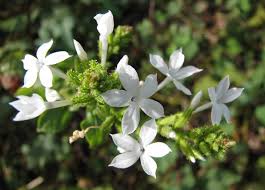
![Oxalis corniculata, the creeping woodsorrel, procumbent yellow sorrel[2] or sleeping beauty, is a somewhat delicate-appearing, low-growing herbaceous plant in the family Oxalidaceae. Oxalis corniculata is a small creeping type of woodsorrel that tends to grow well in moist climates.[3] It resembles the common yellow woodsorrel, Oxalis stricta.](https://knowledgeaayurveda.com/wp-content/uploads/2026/02/chengeri.webp)
![Bacopa monnieri, also known as water hyssop,[1] brahmi,[2] thyme-leafed gratiola, herb of grace,[2] and Indian pennywort, is a perennial, creeping herb native to wetland areas globally.[](https://knowledgeaayurveda.com/wp-content/uploads/2026/02/brahmi.avif)

Euphorbia hirta ,
Euphorbiaceae
Introduction
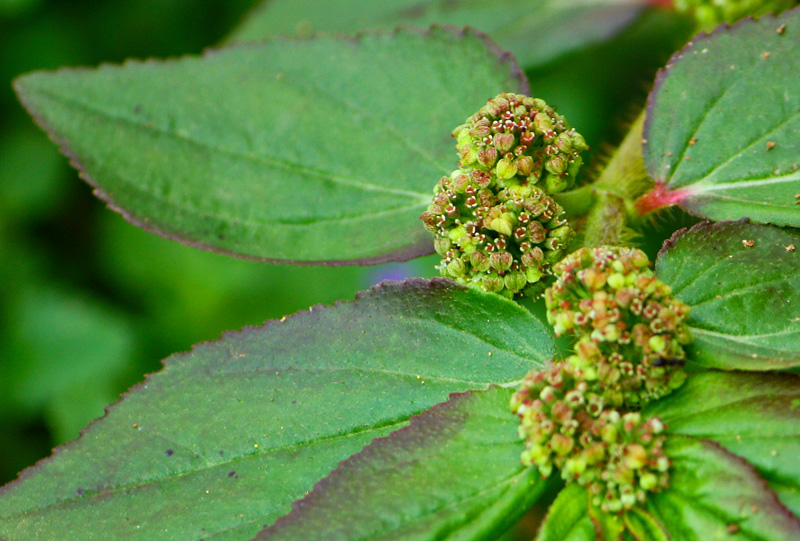
Dugdhika is an important medicinal herb in Ayurveda, widely used for respiratory disorders, digestive problems, skin diseases, and immunity. Its botanical name is Euphorbia hirta. It is commonly known as Asthma Weed due to its strong benefits in breathing disorders.
Dugdhika contains milky latex and powerful natural compounds that help in healing various health problems naturally.
Botanical Information of Dugdhika
| Feature | Details |
|---|---|
| Scientific Name | Euphorbia hirta |
| Family | Euphorbiaceae |
| Common Names | Dugdhika, Asthma Weed, Dudhi |
| Plant Type | Annual Herb |
| Habitat | Roadsides, Fields, Tropical Areas |
Ayurvedic Properties of Dugdhika
| Property | Description |
|---|---|
| Rasa (Taste) | Bitter, Astringent |
| Guna (Quality) | Light, Dry |
| Virya (Potency) | Hot |
| Dosha Effect | Balances Kapha & Pitta |
These properties help in clearing mucus, improving digestion, and reducing inflammation.
Health Benefits of Dugdhika
1. Dugdhika for Cough, Cold, and Asthma
Dugdhika is best known for respiratory support. It helps in:
- Clearing chest congestion
- Reducing cough
- Improving breathing
- Supporting asthma management
It works as a natural bronchodilator and expectorant.
2. Improves Digestion
Dugdhika helps treat:
- Diarrhea
- Dysentery
- Gas and bloating
- Indigestion
It supports healthy gut function.
3. Supports Skin Health
Applying Dugdhika paste helps in:
- Healing wounds
- Treating eczema
- Reducing itching
- Preventing infections
4. Controls Infections
This herb has antibacterial and antiviral properties. It helps fight:
- Respiratory infections
- Skin infections
- Gut infections
5. Helps in Fever Management
Dugdhika helps reduce fever and body weakness caused by infections.
6. Boosts Immunity
Regular use in proper dosage strengthens immunity and improves disease resistance.
7. Supports Urinary Health
It helps in treating urinary tract infections and burning sensation during urination.
Uses of Dugdhika in Ayurveda
1. Fresh Juice (Swarasa)
Used for cough, asthma, and digestion.
2. Powder (Churna)
Helpful in diarrhea, immunity, and detoxification.
3. Paste (Lepa)
Used externally for wounds and skin problems.
4. Decoction (Kadha)
Used for respiratory and digestive disorders.
Dosage of Dugdhika
| Form | Dosage |
|---|---|
| Juice | 5–10 ml, once daily |
| Powder | 1–2 grams |
| Decoction | 20–30 ml |
| Paste | External use only |
⚠️ Always consult an Ayurvedic doctor before regular use.
Side Effects of Dugdhika
When used correctly, Dugdhika is generally safe. However, excess use may cause:
- Nausea
- Vomiting
- Stomach irritation
- Mouth dryness
The milky latex may irritate sensitive skin.
Precautions
- Avoid during pregnancy and breastfeeding
- Do not exceed dosage
- People with liver or kidney disorders should consult a doctor
- Avoid long-term self-medication
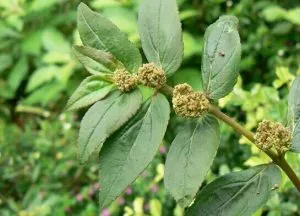
How to Identify Dugdhika Plant
- Small oval green leaves
- Reddish hairy stems
- Milky white latex when broken
- Tiny clustered flowers
- Grows close to the ground
Conclusion
Dugdhika (Euphorbia hirta) is a powerful Ayurvedic herb especially beneficial for asthma, cough, digestion, skin health, and immunity. When used properly, it offers safe and natural healing benefits.
For best results, always use pure herbal products and take expert guidance.
FAQs (For Featured Snippets)
Q1. Is Dugdhika good for asthma?
Yes, it is traditionally used to support breathing and reduce asthma symptoms.
Q2. Can Dugdhika be taken daily?
Yes, in moderate dosage under medical supervision.
Q3. Does Dugdhika have side effects?
Excess use may cause stomach irritation and nausea.
Q4. Is Dugdhika safe for children?
Only under expert guidance.
Q5. Is Dugdhika good for digestion?
Yes, it helps treat diarrhea and indigestion.
Vernacular names
Bengali : Barakherui
English : Asthma weed
Gujarati : Dudhelo, Dudeli, Dudhi
Hindi : Dudhi, Badi dudhdi
Malayalam : Nelapalai
Marati : Mothi dudhi, Naayato, Dudhi,
Dudali, Mothi naayati
Oriya : Dudili, Dudoli
Punjabi : Dudhi
Tamil : Ammanpatchaiarisi
Telugu : Reddivarinanubalu, Nanubalu
